Understanding Chiapas as a luxury destination
Key areas to consider when planning a stay
The Central Highlands and San Cristóbal de las Casas
The highland region around San Cristóbal de las Casas sits at approximately 2,200 metres above sea level, producing a temperate climate that reads as distinctly un-tropical. The colonial architecture here is among the most coherent in southern Mexico: amber stone facades, interior courtyards, and a pedestrian urban core that rewards extended exploration on foot. Properties in this zone tend to occupy restored colonial structures, where suite configurations often center on private courtyard access or elevated terrace views across the city's tiled rooftops. The cultural proximity to indigenous Tzotzil communities and their textile, ceramic, and amber craft traditions is a specific feature of the area that cannot be replicated elsewhere in Mexico.
Palenque and the jungle lowlands
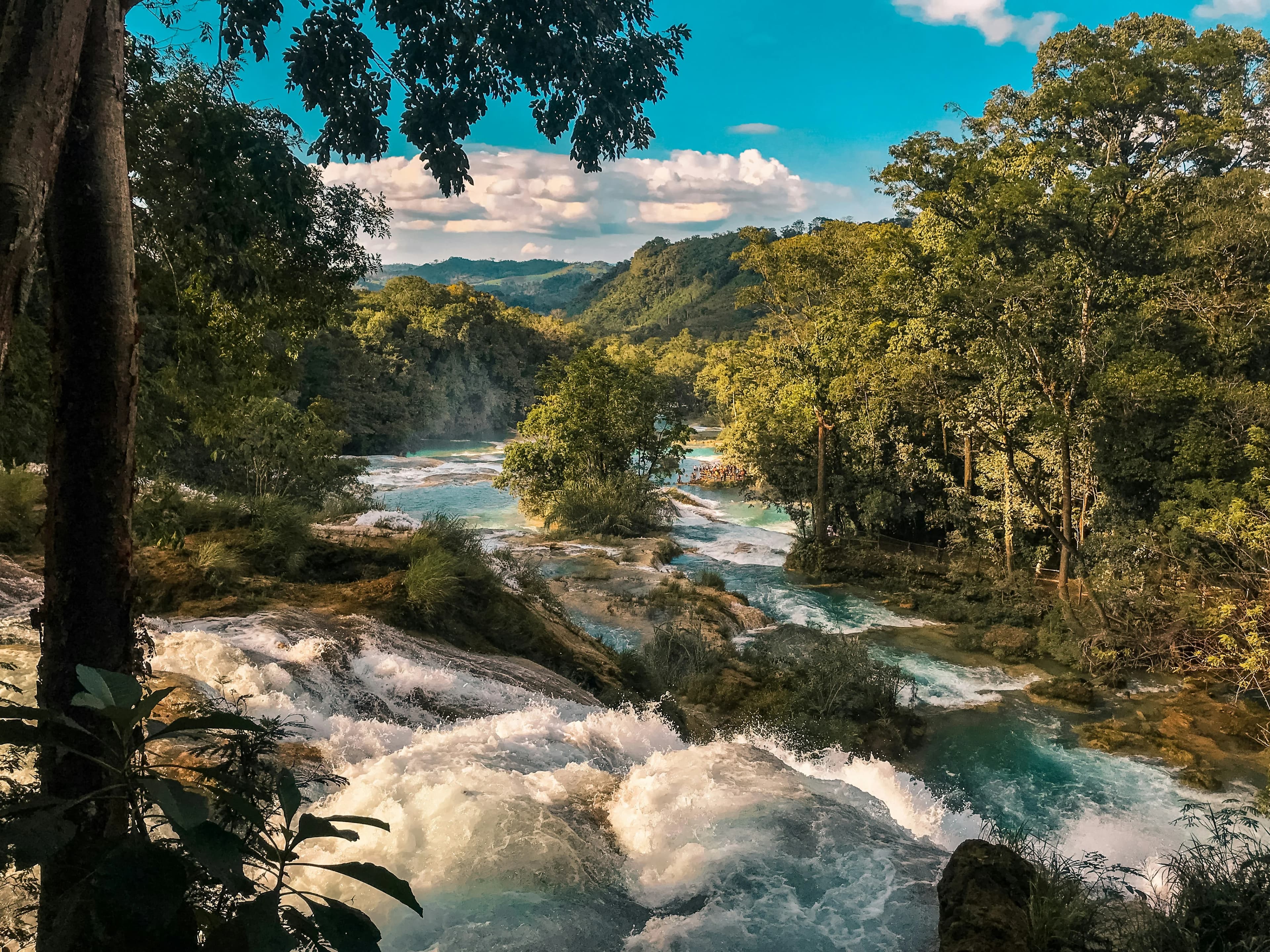
The northern lowlands, anchored by the archaeological zone of Palenque, operate at a different atmospheric register entirely. Humidity is high, the forest closes in quickly, and the experience of moving through a landscape that has been continuously inhabited since at least the third century CE carries a particular weight. Luxury accommodation in this zone tends toward eco-sensitive architecture: open-air structures, natural materials, and positioning that uses the forest as both backdrop and insulating layer. A luxury hotel suite here typically prioritises indoor-outdoor continuity, with private terraces or plunge pools oriented toward vegetation rather than infrastructure.
The Cañon del Sumidero and the Pacific slope
The Cañon del Sumidero, running north of Tuxtla Gutiérrez, and the Pacific-facing lowlands to the south offer additional geographic contexts. The canyon itself, with walls rising over 1,000 metres from the Grijalva River, frames a landscape that operates at geological scale. The Pacific coastal zone, while less developed for luxury travel than Oaxaca's coast, is beginning to attract properties that take seriously the combination of surf access, biodiversity, and architectural restraint.
When to visit Chiapas
Chiapas has two dominant climatic seasons: a dry season running broadly from November through April, and a wet season from May through October. For luxury travel, the dry season is the default reference point: roads are reliable, site access is consistent, and the highland climate is at its most comfortable. November through February offers the coolest temperatures in San Cristóbal, which suits guests who prefer the atmosphere of a fireplace and a wool blanket at altitude. March and April bring clearer skies and are the preferred window for jungle access before the rains return.
The Semana Santa period (Holy Week, typically March or April) generates significant domestic and regional tourism pressure, particularly in San Cristóbal, where the processions and ceremonial events have genuine cultural weight. Travelers who want access to these events without the logistical friction of peak crowds should plan suite reservations well in advance. The Día de Muertos period in late October and early November is less commercially amplified in Chiapas than in central Mexico, but retains a more intimate, community-specific character in the indigenous highland villages.
Understanding local luxury standards in Chiapas
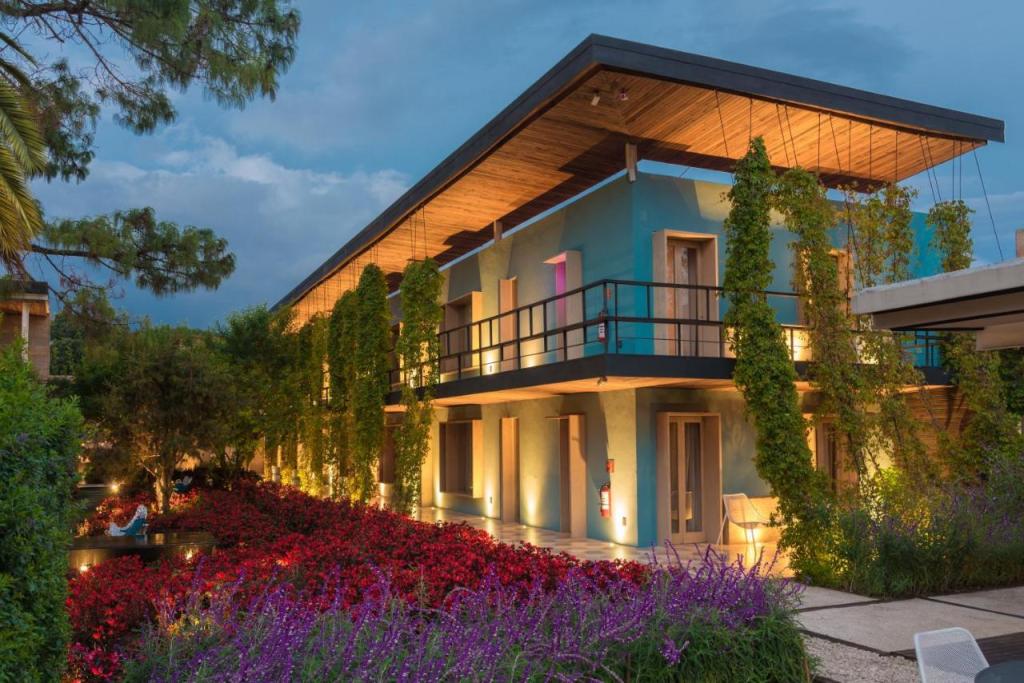
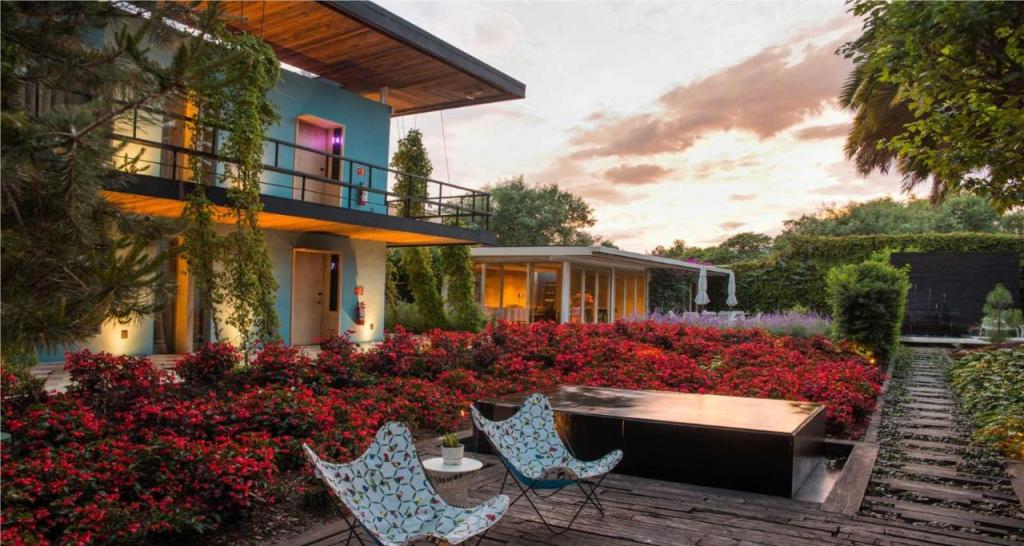
Mexico does not operate a formal palace designation equivalent to France's Palace classification, but the country's Sistema Nacional de Certificación Turística provides a reference framework. In Chiapas specifically, the luxury tier is defined less by category certification and more by the quality of site, architecture, and service model. The most credible properties tend to be small-scale, owner-operated, or affiliated with boutique hotel groups that have made deliberate choices about placement and materials.
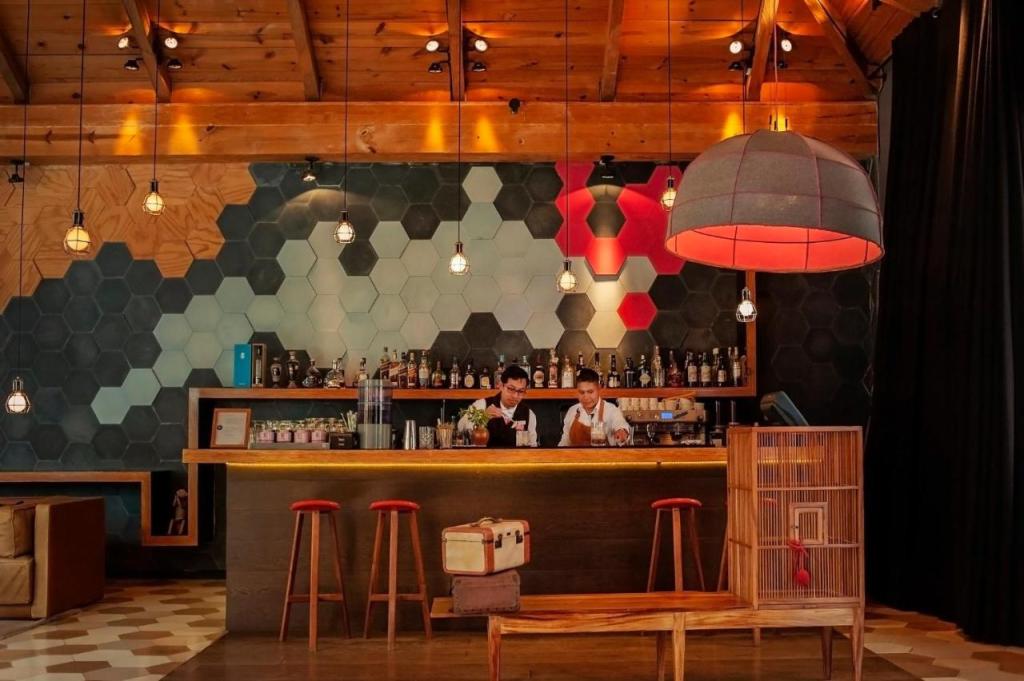
A luxury suite in Chiapas will not always look like its equivalent in Los Cabos or Mexico City. The region's prestige is tied to its specificity: hand-woven textiles sourced from local cooperatives, colonial-era stone and timber construction, and culinary programmes that reference Chiapaneco cuisine directly rather than translating it into a more internationally legible register. Guests should approach the region's luxury standards as context-dependent rather than universal, and value accordingly.
How to choose the right suite in Chiapas
The primary decision axis in Chiapas is climatic and geographic: highland or lowland. The two zones require different expectations around temperature, humidity, and the kind of engagement with the natural environment that is possible. A suite in San Cristóbal will likely offer urban proximity, cultural texture, and cooler nights; a suite near Palenque will offer forest immersion, archaeological access, and a sensory environment that is fundamentally more elemental.
A second consideration is architectural character. Colonial properties in the highlands offer interior-facing courtyards, thick stone walls that moderate temperature naturally, and a spatial grammar derived from Spanish colonial urbanism. Jungle lodges operate on different principles: elevated platforms, permeable facades, and designs that dissolve the boundary between the structure and its surroundings. Neither is superior; they are simply different propositions, and the right choice depends on what the traveler is actually seeking.
Privacy and access are the third variable. Chiapas is not a destination where luxury translates to isolation from context. The most considered suites here position guests close to what is worth experiencing: a ruin complex accessible before public opening hours, a highland market with genuine daily utility for local communities, or a river where the light at dawn reads differently from anywhere else in North America.
Why a curated selection by La Suite matters in Chiapas
Chiapas has a relatively limited inventory of properties that genuinely meet the criteria for inclusion in a curated luxury suite platform. The distance between a well-reviewed boutique hotel and a property with suite-level spatial quality, service consistency, and experiential positioning is significant here. La Suite applies the same editorial standards in Chiapas as in Paris or Kyoto: the suite must justify its position not through category rating alone but through the specificity of what it delivers in its particular context. For a traveler arriving in Chiapas with limited time and high expectations, that editorial filter is the most efficient available tool for decision-making.