The distinct zones of Jalisco for luxury suite stays
Guadalajara and the Tlaquepaque corridor
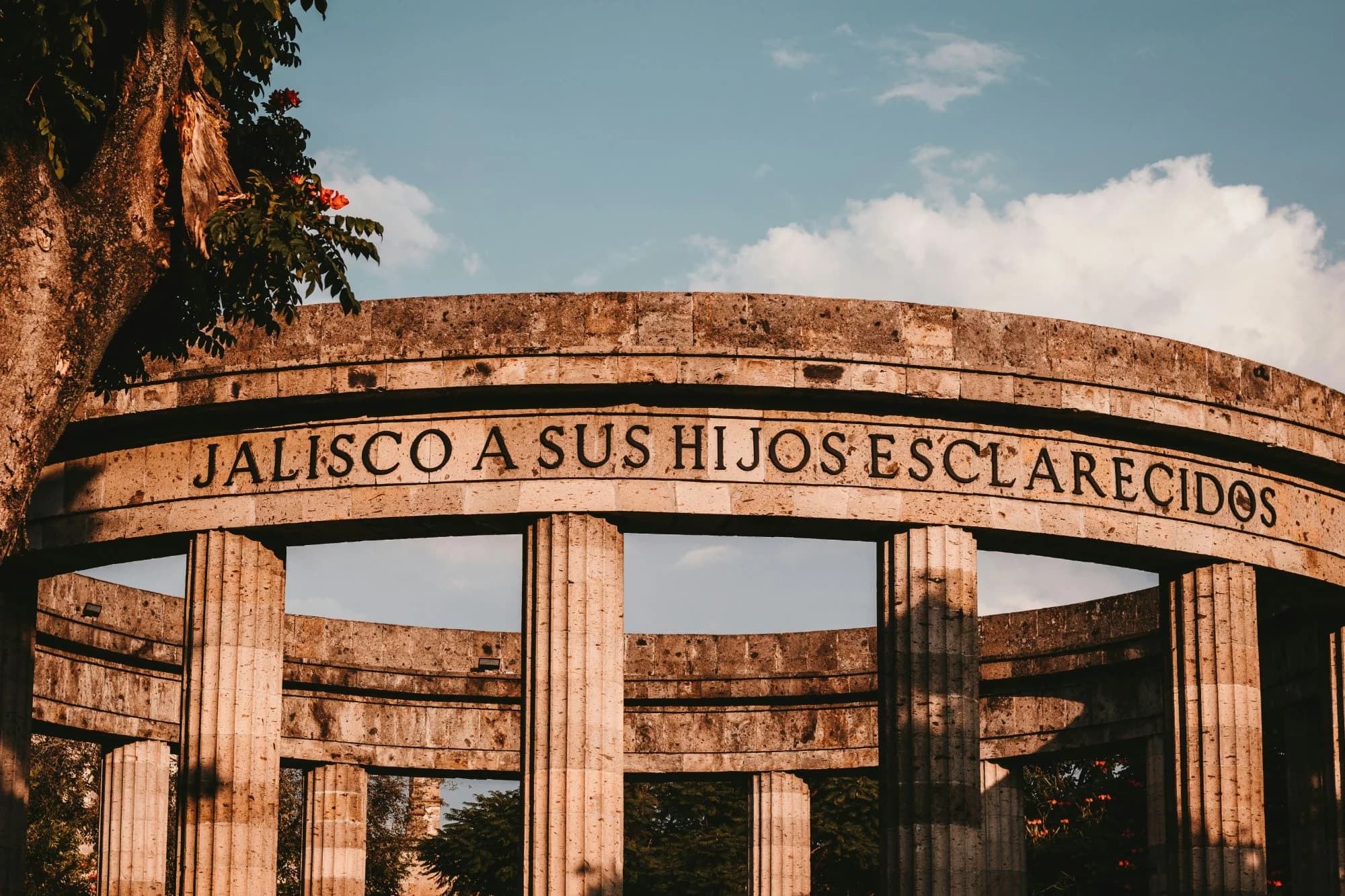
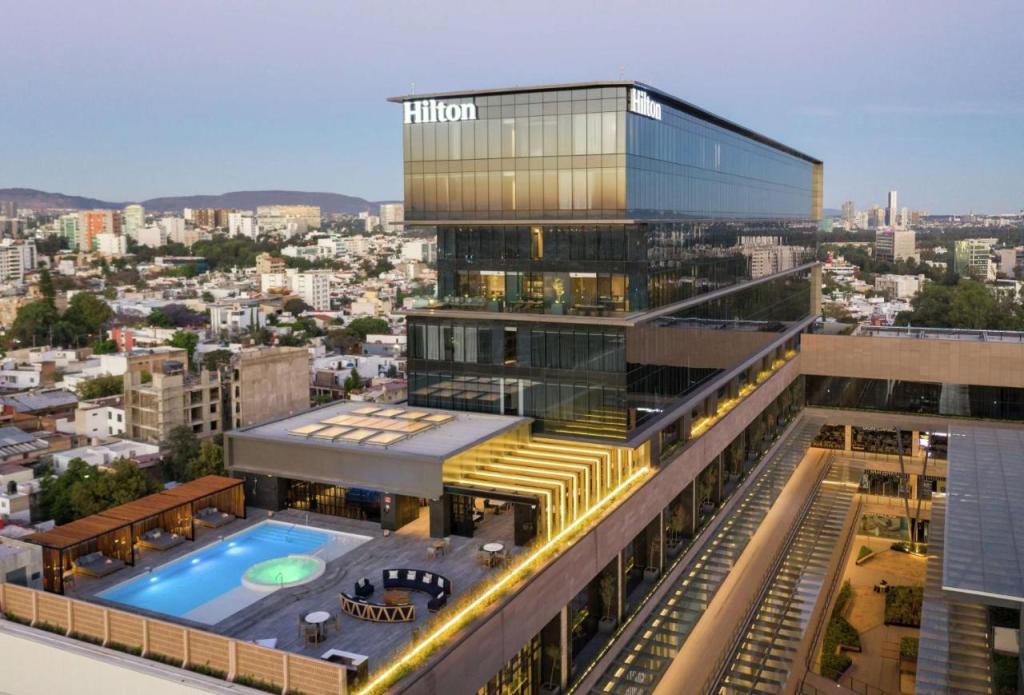
Mexico's second-largest city operates on a different register from the capital. Guadalajara is denser, more legible, and architecturally coherent in a way that rewards the traveler who is willing to walk its historic center on foot. The Zona Rosa and Colonia Americana neighborhoods have attracted a wave of boutique properties over the past decade, while the city's historic district remains anchored by the neoclassical Teatro Degollado and the Hospicio Cabañas, a UNESCO World Heritage Site. For guests staying in a luxury hotel suite here, the advantage is proximity: the city's top-tier design galleries, contemporary cuisine scene, and craft markets in nearby Tlaquepaque are within reach without the logistical friction of a resort corridor.
Lake Chapala and the Ajijic lakeside
Situated roughly 45 minutes south of Guadalajara, Lake Chapala is the largest freshwater lake in Mexico. The lakeside town of Ajijic has long attracted an international community drawn by the altitude (around 1,500 meters above sea level), the mild year-round climate, and the density of colonial-era architecture. Luxury hotel properties here tend toward the intimate and architectural: hacienda conversions, walled gardens, and interiors that layer Talavera tilework against contemporary furniture. The pace is deliberately unhurried, and the light on the lake at early morning is a genuine sensory event.
Puerto Vallarta and Bahía de Banderas
Puerto Vallarta sits at the northern end of Bahía de Banderas, a bay shared between Jalisco and the neighboring state of Nayarit. The town's original malecón district retains its cobblestone streets and low-rise colonial architecture, which distinguishes it sharply from the hotel zone extending north. Luxury suites in this corridor range from cliff-positioned villas with direct Pacific views to large-format resort properties offering butler service and private beach access. The bay itself is ecologically active: humpback whale migration runs from December through March, and the diving and snorkeling around Los Arcos is among the most accessible in the Pacific.
When to visit Jalisco for a luxury suite stay
Jalisco's climate is segmented. The coastal zone around Puerto Vallarta operates on a tropical dry season model: November through April is dry, warm, and consistently clear, with sea temperatures between 22 and 27 degrees Celsius. This is peak season for coastal luxury hotels, and suite availability at top-tier properties contracts sharply between December 20 and January 10, as well as around Semana Santa (Holy Week, typically March or April).
The interior, including Guadalajara and Lake Chapala, runs cooler at altitude. The rainy season (June through October) brings daily afternoon showers but also lowers ambient temperatures and fills the agricultural valleys with color. This shoulder period is worth considering for travelers focused on the city or the lake: room rates are softer, cultural programming continues without interruption, and the landscape around the agave-growing highlands of Amatitán and Tequila is at its most visually compelling.
October is also when Guadalajara hosts its International Film Festival (FICG), one of the most significant film events in Latin America, and the Guadalajara International Book Fair (FIL) runs in late November, drawing publishers, authors, and cultural figures from across the Spanish-speaking world. Travelers interested in cultural programming should account for these events when planning suite bookings, as demand in the city increases substantially.
Local luxury standards: what to expect from a top-tier suite in Jalisco
Mexico does not operate a state-endorsed luxury classification equivalent to France's Palace designation. In practice, the benchmark for premium accommodation in Jalisco is set by a combination of international brand standards, independent boutique properties converted from haciendas or historic buildings, and a growing cohort of design-led properties that prioritize architectural integrity over amenity volume.
In the coastal zone, the leading luxury hotels tend to compete on view, scale, and service ratio. Suites in these properties typically include private plunge pools, sea-facing terraces, and dedicated concierge access. In the city and lakeside zones, the emphasis shifts toward architectural character: original tilework, interior courtyard gardens, and a curatorial approach to local craft and art that reflects Jalisco's position as a center of Mexican design production.
Tequila, as a cultural artifact of the region, also enters the suite experience in ways that go beyond minibar stocking. Several properties in the highlands offer distillery-adjacent stays or formal tasting programs led by maestros tequileros, the master distillers who oversee production at the region's most respected estates.
How to choose the best luxury suite in Jalisco
The choice between coastal and interior is the primary decision. Puerto Vallarta and the Bahía de Banderas corridor suit travelers whose itinerary is organized around the water: the Pacific, the bay, boat access to surrounding coves and islands. The city and lake suit travelers whose priority is cultural depth, architectural interest, and a slower rhythm of exploration on foot or by car through the surrounding highland landscape.
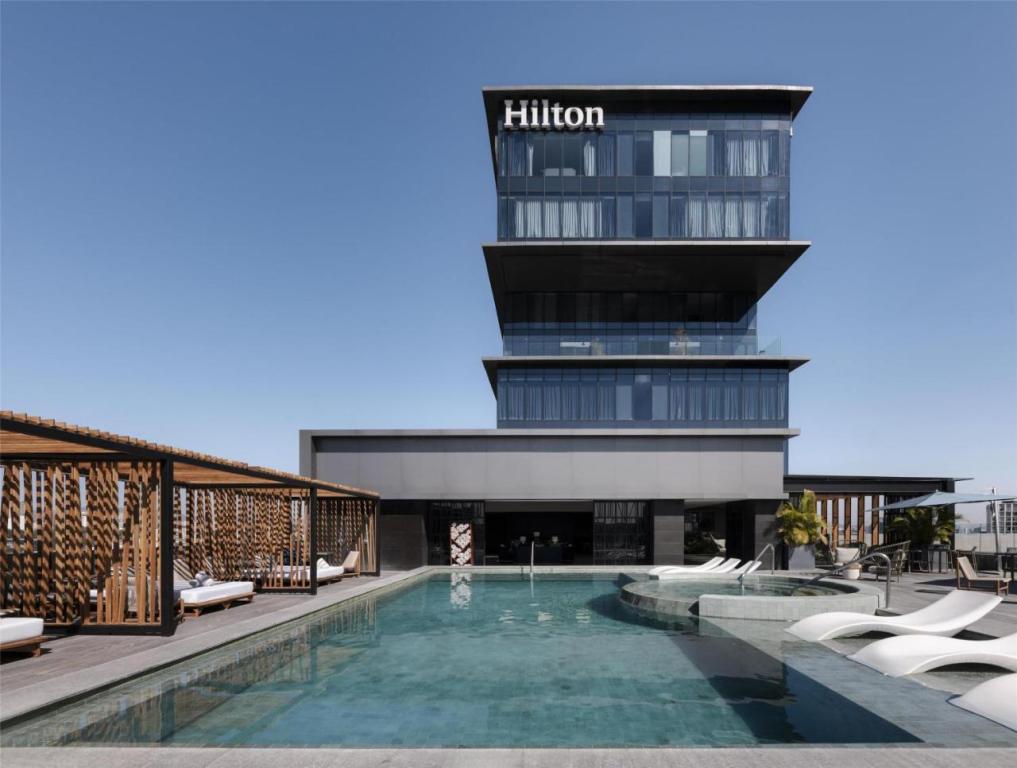
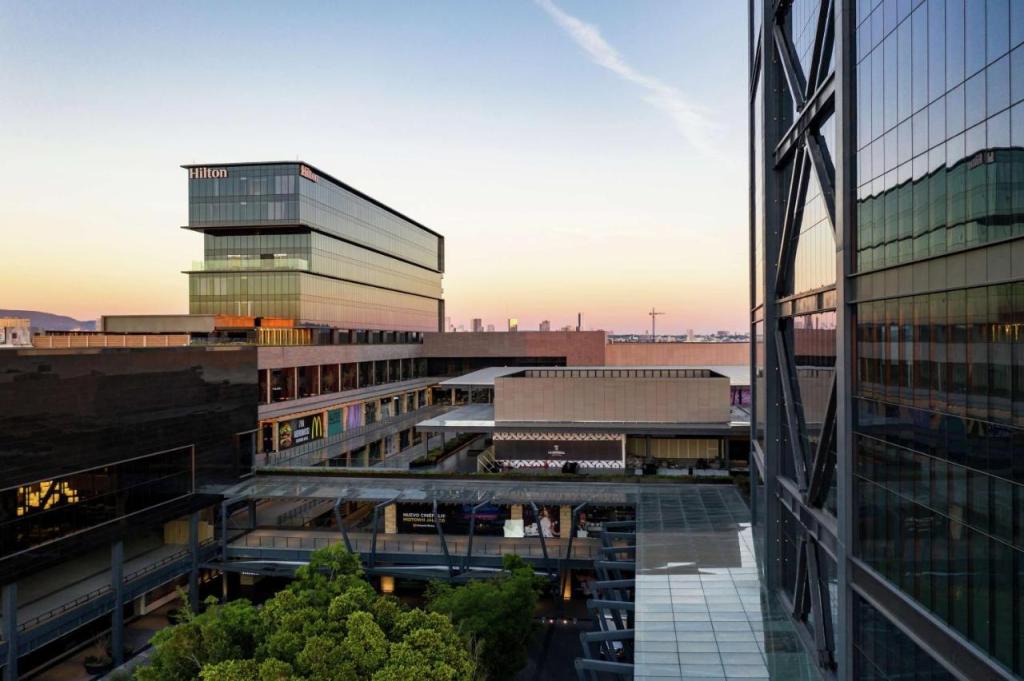
Within the coastal zone, position matters more than brand. A suite with an unobstructed bay view and a private terrace at a mid-size independent property will often outperform a larger suite in a high-volume resort where the view corridor is compromised by adjacent buildings. The same logic applies in Guadalajara: a suite in a converted colonial building in the historic district offers a qualitatively different spatial experience from a tower property in a business district, even if the latter presents a more extensive amenity list.
Travelers with families should note that Jalisco's luxury hotel market is reasonably well configured for multi-generational stays, particularly in the larger coastal resort properties where interconnecting suites and private pool villas are standard configurations.
Why a curated selection by La Suite matters in Jalisco
Jalisco's luxury hotel market has expanded rapidly over the past decade, and the quality range within the category labeled luxury is wide. A property presenting itself as a boutique luxury hotel may offer genuine architectural and experiential distinction, or it may offer standard amenities in a colonial-style shell without the spatial generosity or service precision that the category implies.
La Suite applies a consistent editorial and spatial standard to every property in its selection. In a market as varied as Jalisco, where the density of options in Puerto Vallarta alone can obscure the most considered choices, a curated framework reduces the decision cost substantially. The selection reflects properties where the suite itself, not merely the resort infrastructure, is the primary asset: where the view, the floor area, the material quality, and the service configuration are all deliberate and coherent.
For travelers planning a first visit to Jalisco, the curation also functions as regional intelligence: it identifies which zones are best suited to which travel priorities, and which suite configurations deliver the most precise return on the investment of time and budget.