Understanding Mérida as a luxury destination
The city's appeal to the high-end traveler rests on several pillars. First, its urban fabric: wide colonial avenues, baroque churches, and the mansions of Paseo de Montejo, a boulevard conceived in the image of Parisian grands boulevards. Second, its food culture, which is among the most distinctive in Mexico, rooted in Mayan technique and ingredient rather than imported trends. Third, its relative absence of mass tourism compared to Cancún or Los Cabos, which means that genuine tranquility is still available to those who seek it.
The distinct neighborhoods and areas for luxury stays in Mérida
The historic center
The centro histórico is where colonial Mérida reaches its greatest architectural density. The area around Plaza Grande, the main cathedral, and the Casa de Montejo presents a concentrated streetscape of painted facades, shaded portales, and repurposed hacienda-scale residences. Luxury hotels here occupy converted colonial mansions, offering interior courtyards, thick limestone walls that regulate temperature, and a proximity to the city's civic life that cannot be replicated elsewhere. Stays in this zone are immersive by definition.
Paseo de Montejo and its surroundings
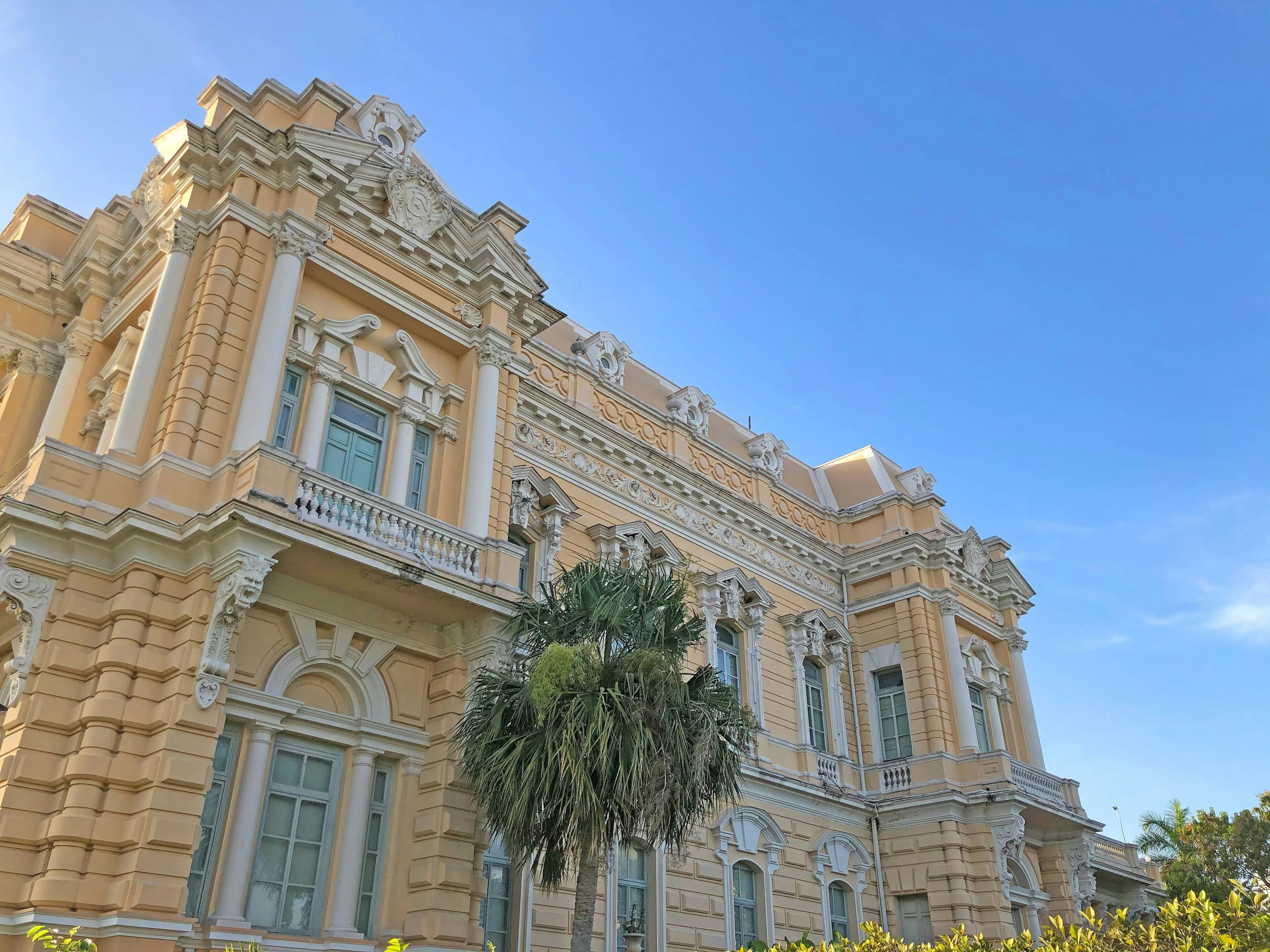
Moving north along Paseo de Montejo, the scale opens up. The boulevard was designed for the henequen oligarchy of the late 19th and early 20th centuries, and the mansions that line it were built to European specifications, with French and Italianate detailing applied to tropical stone. Several of these properties have been converted into boutique hotels and design-forward accommodations that preserve original tile work, grand staircases, and high ceilings while integrating contemporary amenity. The surrounding colonia of Santa Ana and the area toward Colonia México offer quieter residential streets where smaller guesthouses occupy family homes of equivalent pedigree.
The hacienda belt surrounding the city
One of Mérida's most compelling luxury propositions is not in the city itself but in the surrounding landscape. The Yucatán peninsula is scattered with former sisal haciendas, estates that once processed henequen fiber and employed hundreds of workers. Converted into luxury hotels over the past three decades, these properties offer a spatial and sensory experience unavailable inside the city: vast grounds, cenotes on private land, colonial-era industrial machinery preserved as architectural feature, and a silence that the city cannot offer. Hacienda-style properties within 30 to 60 minutes of Mérida are a defining category of regional luxury hospitality.
When to visit Mérida for a luxury suite stay
Mérida's climate divides into a dry season and a wet season with meaningful consequences for the luxury traveler. The dry season runs broadly from November through April. Temperatures are warm but navigable, humidity is lower, and the city operates at full cultural pace. January through March represents the optimal window: cultural programming is active, hacienda gardens are at their most composed, and suite availability, while not unlimited, remains accessible to the well-planned traveler.
April and May mark a transitional period of intense heat before the rains arrive. July through September brings the rainy season, with afternoon storms that can be dramatic but brief. Some travelers find the wet-season city more atmospheric: the colonial stones deepen in tone, the vegetation around hacienda properties becomes lush, and rates at top-tier properties often soften. October and November see the city prepare for Día de Muertos observances, which in Mérida carry a Mayan ceremonial dimension that distinguishes them from celebrations elsewhere in Mexico.
The Festival Internacional de la Cultura Maya, held annually in late October and November, draws scholars, performers, and cultural travelers from across the Americas and Europe. For the design-literate traveler, this period adds an intellectual layer to a visit that is already architecturally rich.
Local luxury standards: what to expect from top-tier suites in Mérida
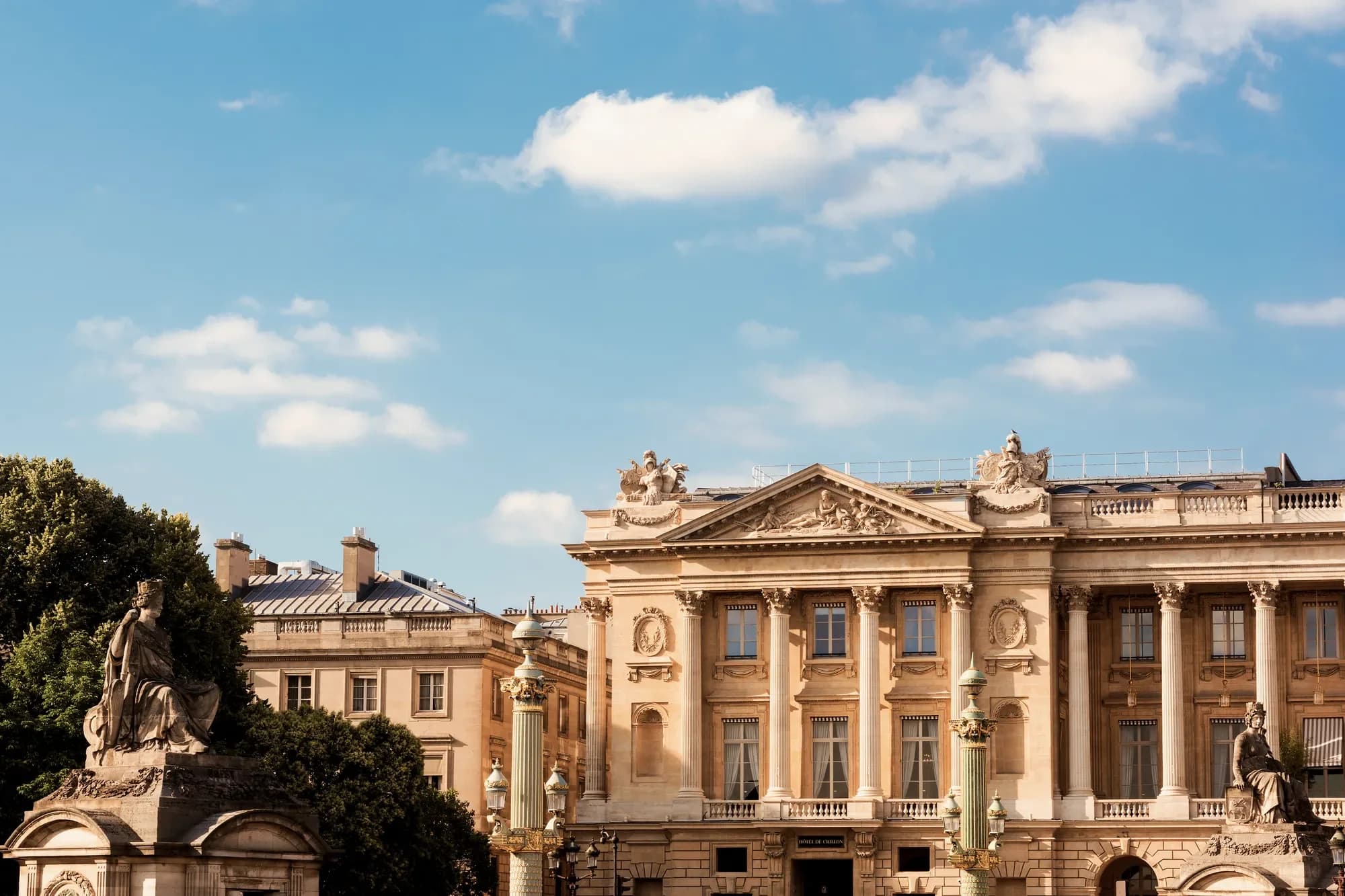
Mexico does not operate a formal national palace classification equivalent to France's Palace designation, but the country's luxury hotel sector has developed clear internal standards. In Mérida specifically, the markers of top-tier accommodation are distinct from those of beach resorts. The emphasis falls on spatial generosity, architectural authenticity, and personal service rather than on pool infrastructure or beach access.
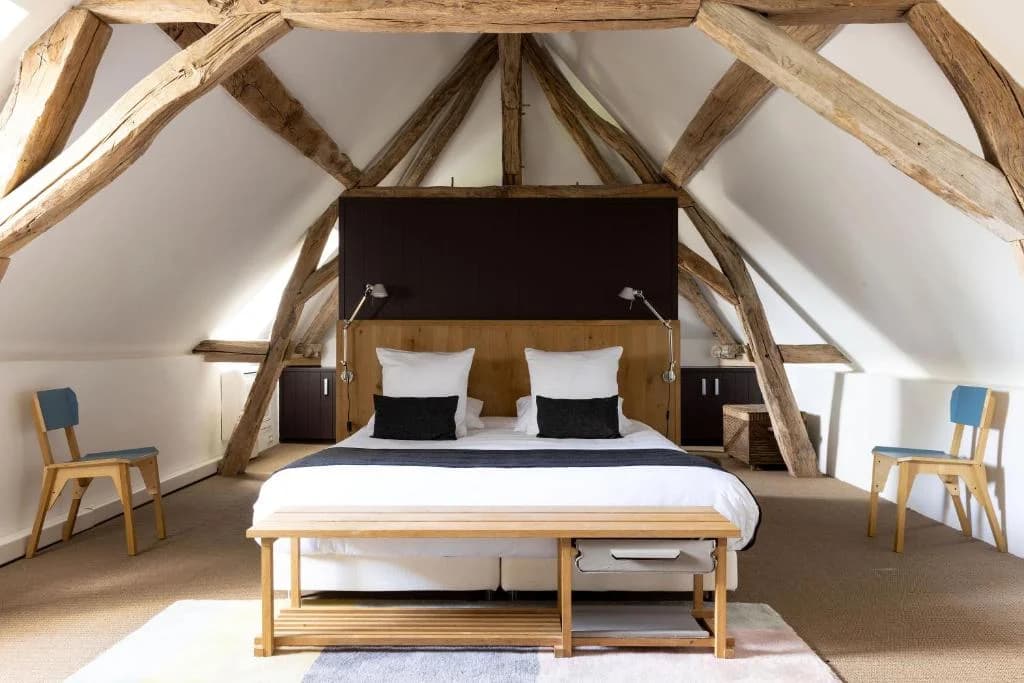
In colonial-center properties, a luxury suite typically means a room of significant ceiling height (four to five meters is common in original structures), original tile or hardwood flooring, and access to a private or semi-private courtyard. Air conditioning is universal at the top tier, a practical necessity given the climate. The best suites integrate period detail with contemporary bathroom design, often incorporating local materials such as Ticul limestone or talavera-adjacent regional ceramics.
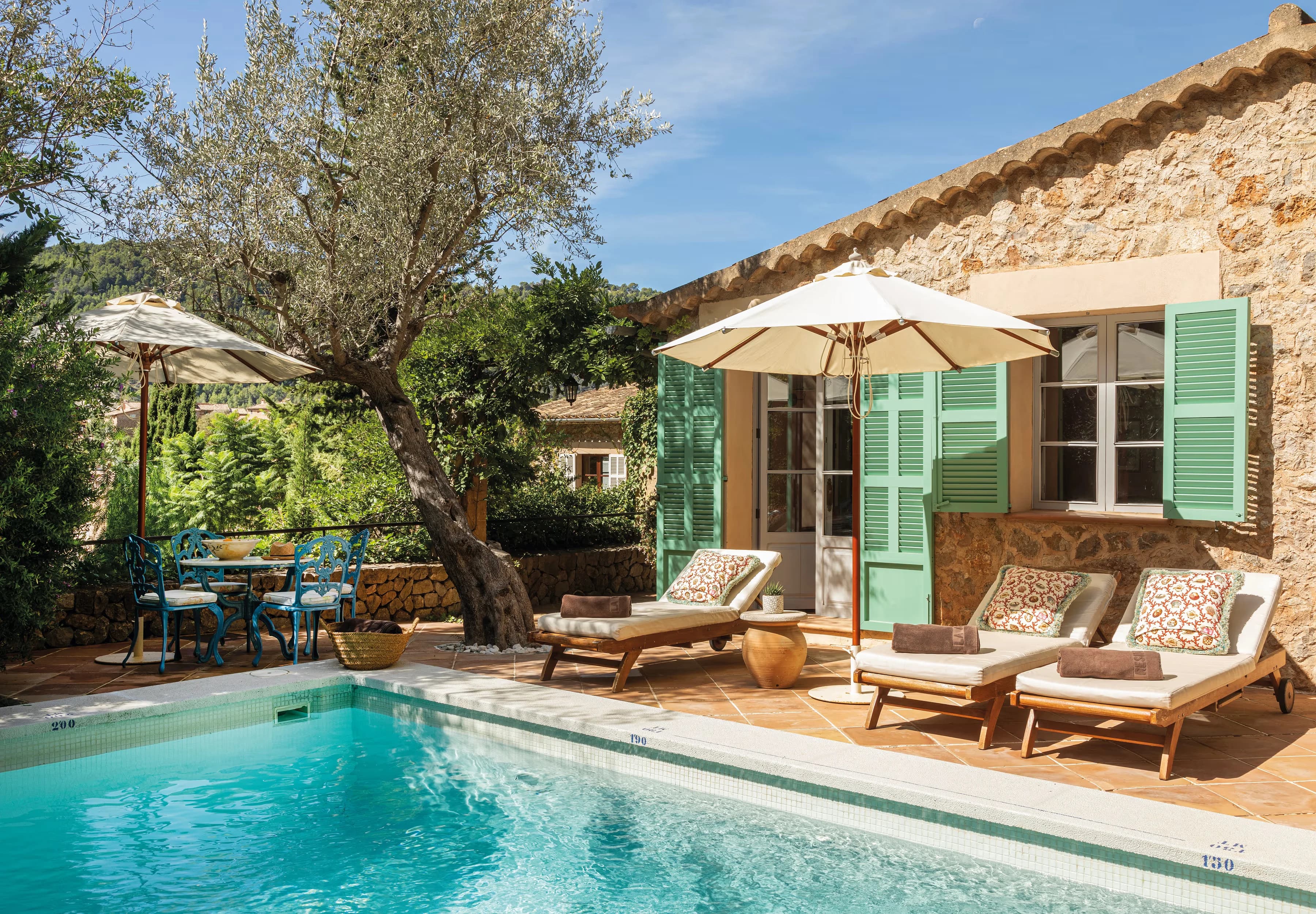
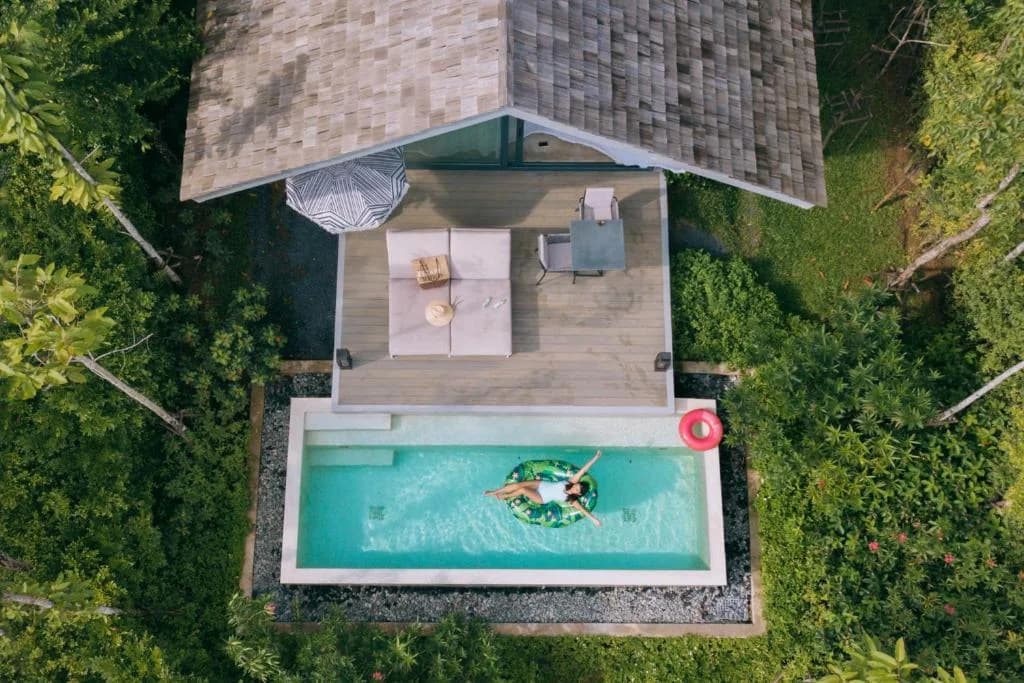
In converted hacienda properties, the suite experience scales further. Rooms are frequently set within former estate buildings, with their own garden access, private plunge pools, and views over working or ornamental grounds. The cenote, where present on the property, shifts from amenity to defining experience: a natural freshwater pool of geological origin, integrated into the stay as both spa element and cultural reference.
Service standards at the best Mérida properties are unhurried and attentive, reflecting a Yucatecan hospitality culture that is warm without being performative. Culinary offerings at serious properties draw on regional produce and Mayan technique, making in-hotel dining a substantive part of the experience rather than a fallback option.
How to choose the right luxury suite in Mérida
The first decision is between urban and hacienda. These are meaningfully different experiences: the colonial-center suite places you inside the city's social and architectural fabric, while the hacienda suite prioritizes landscape, silence, and spatial isolation. Both are valid; they serve different travelers and different states of mind.
For guests arriving from Mexico City or other Latin American capitals, the hacienda option often delivers the strongest contrast and the greatest sense of remove. For international travelers visiting Mexico primarily for cultural reasons, the centro histórico provides the denser itinerary and the more immediate encounter with Yucatecan urban life.
Within both categories, consider the architectural period and the quality of the conversion. Original colonial or hacienda fabric that has been sensitively restored carries a different atmospheric weight from new-build properties designed to evoke heritage aesthetics. Ceiling heights, courtyard dimensions, and the provenance of decorative materials are reliable indicators of property quality at the top tier.
Practical considerations include transportation: Mérida is best navigated by private car or ride-share from a central base. Hacienda properties typically offer transfers and in some cases curated day excursions to Chichén Itzá, Uxmal, and the cenote routes of the interior peninsula.
Why a curated selection by La Suite matters in Mérida
Mérida's luxury accommodation market is not large, but it is uneven. The difference between a sympathetically converted colonial mansion and a mediocre boutique hotel occupying a similar building can be difficult to assess from digital marketing alone. Photography of colonial interiors tends to flatten distinctions in ceiling quality, room scale, and construction integrity that are immediately apparent in person.
La Suite applies the same editorial criteria here that it applies globally: spatial quality, architectural coherence, service depth, and the specific aptitude of each property for the traveler who chooses suites deliberately. In a destination where provenance matters as much as comfort, that curatorial precision has direct value. The selection on La Suite is not exhaustive. It is accurate.