Where to stay in Morelos for a high-end suite experience
The second zone is the Tepoztlán axis, extending toward Tlayacapan and the volcanic sierra. This corridor operates at a different register: more ceremonial, more associated with the pre-Columbian spiritual landscape, and increasingly positioned as a destination for retreat-format stays. Suites in this area typically combine local stone construction with contemporary interiors, and the surrounding landscape of steep cliffs and pyramid ruins creates a sensory context that is irreducible to resort amenities alone.
The thermal belt around Cuautla represents a third, more functional geography. Less aesthetically curated than Cuernavaca or Tepoztlán, it nonetheless contains properties built around natural hot springs that justify a dedicated stay, particularly for travellers whose primary interest is thermal wellness in a non-resort format.
When to visit Morelos for the best suite availability and conditions
Morelos operates on a dry season that runs from November through April, which aligns with peak demand for high-end stays. During this period, Cuernavaca and Tepoztlán experience clear days, low humidity, and temperatures that rarely exceed 28 degrees Celsius, making outdoor suite terraces and garden dining genuinely functional. The Christmas and New Year window sees maximum occupancy at premium properties, and advance planning of several months is standard for the top-tier inventory.
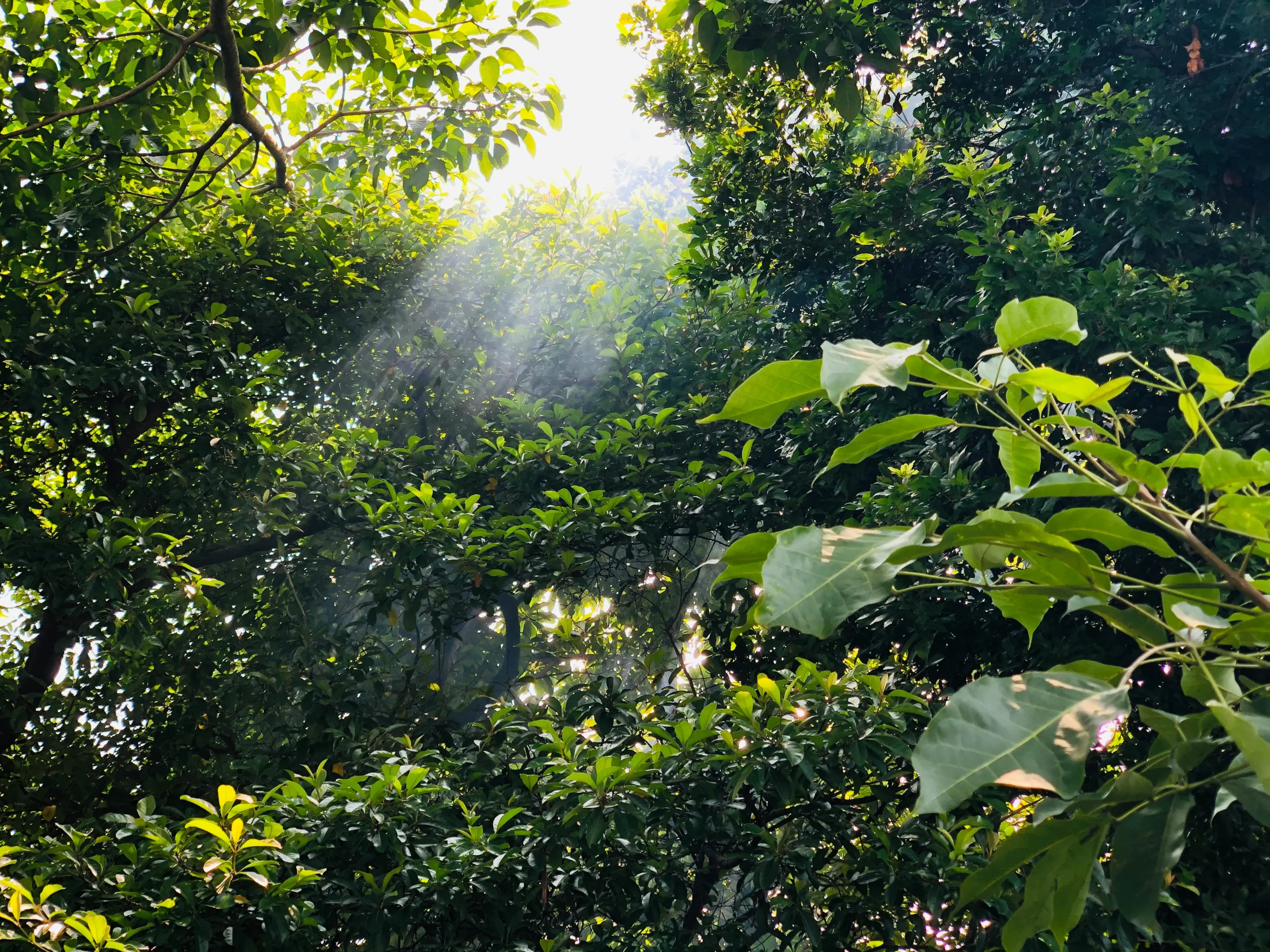
The rainy season, from May through October, brings afternoon showers that are typically brief but frequent. This period reduces competition for suites considerably, and several properties lower their rates while maintaining the same level of service. The landscape becomes dramatically green during these months, which alters the visual character of garden-facing suites entirely. Travellers with schedule flexibility often find that late September or October offers the best combination of landscape quality and suite availability.
The Day of the Dead period in late October and early November carries significant cultural weight in Morelos, particularly in Tepoztlán and smaller villages in the sierra. This window has become increasingly attractive for culturally oriented luxury travellers, though availability tightens accordingly.
Local luxury standards: what defines a prestige property in Morelos
Mexico does not operate a formal national classification equivalent to France's Palace designation, but the local hacienda typology functions as a de facto prestige marker in Morelos. A hacienda hotel implies a property of genuine historical provenance, typically dating from the 16th to 19th century, with the corresponding architectural elements: thick stone or adobe walls, central courtyards with fountains, chapel structures, and land holdings that create genuine separation from adjacent development.
The quality differential in Morelos suites is most visible in three areas. First, the relationship between interior space and exterior access: a high-calibre suite will have direct, private garden or terrace access rather than a shared balcony. Second, the integration of thermal or pool infrastructure: properties built around natural water sources offer a fundamentally different product from those with standard hotel pools. Third, the calibre of the culinary offer: Morelos has a recognised regional cuisine anchored in mole, cecina de Yecapixtla, and a vegetable and herb culture tied to the local climate. Properties that source from this tradition produce a more coherent stay than those operating generic international menus.
How to choose the right luxury suite in Morelos
The primary decision axis in Morelos is between the colonial architectural register and the contemporary retreat format. Properties in Cuernavaca tend toward the former: thick walls, high ceilings, period furniture calibrated with modern bedding and bath specification. Properties in and around Tepoztlán increasingly occupy a contemporary vernacular that uses local materials in a minimalist idiom. Neither is superior in absolute terms, but they address different travel motivations with clarity.
Garden orientation matters significantly in Morelos. The state's most appealing hotel suites are those where the exterior space functions as an extension of the interior, not as a view from a window. This requires suites at ground level or with private stair access to a dedicated terrace. Travellers should verify whether suite terraces are shared or genuinely private before confirming.
Proximity to Tepoztlán's main site involves a degree of noise and foot traffic, particularly on weekends when the town receives significant day visitors from Mexico City. Suites positioned within the town carry a different ambient profile from those on the elevated periphery or in the surrounding countryside. The distinction is consequential for those prioritising quiet and spatial separation.
Finally, access logistics deserve consideration. Morelos is approximately 90 minutes from Mexico City by road under normal conditions, but weekend traffic on the main highway corridors can extend that to three hours or more. Properties with helicopter access or with staff capable of coordinating private transfer services offer a materially different arrival experience.
Why a curated selection by La Suite is the most efficient approach in Morelos
The Morelos luxury hotel market is not large in absolute terms, but it is uneven in quality. A number of properties market themselves through colonial aesthetics while operating service levels and physical infrastructure that do not correspond to the suite price point they charge. The gap between presentation and reality is a consistent feature of the mid-tier inventory, and it is precisely where curation provides its clearest value.
La Suite applies consistent criteria across the properties it lists in Morelos: private suite access to exterior space, verified service standards, culinary offer grounded in the region, and architectural integrity that justifies the stay as an experience rather than a transaction. The result is a selection that removes the research burden from the traveller and allows the decision to be made on the basis of fit rather than marketing language. For a territory as compact and specific as Morelos, that precision is the product.