Where to stay in the Yucatán: distinct zones for the discerning traveler
The colonial interior: Mérida and the hacienda belt
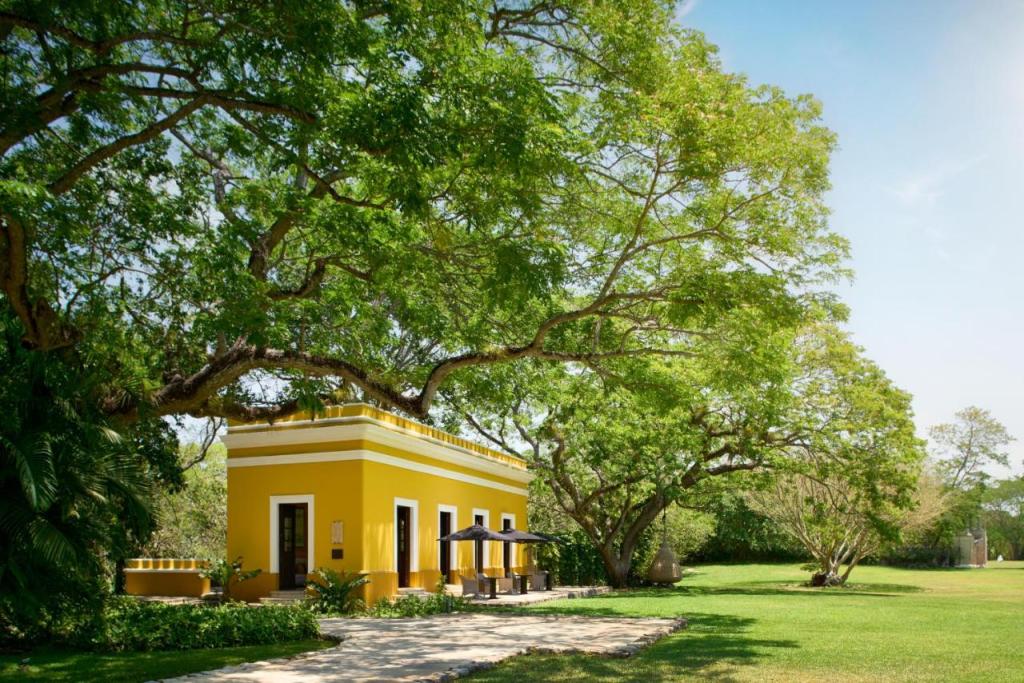
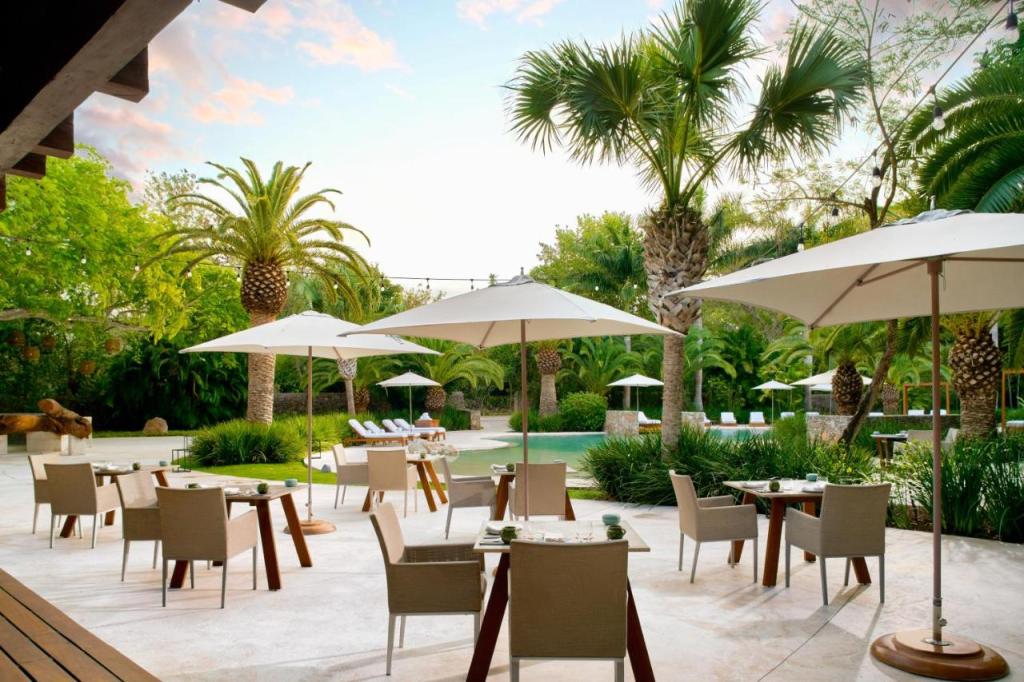
The state capital, Mérida, remains one of the best-preserved colonial cities in the Americas. Its pastel facades, wide boulevards, and rhythmic street life make it a legitimate cultural base. The surrounding hacienda belt, extending south and east, offers something rarer: converted henequen estates that functioned as industrial powerhouses in the nineteenth century and now operate as intimate luxury hotels. These properties typically feature vaulted stone interiors, private cenotes, and landscaped grounds that isolate guests from the outside world without erasing the local context. The luxury hotel suites here tend to be architecturally specific, with original tiles, exposed stone walls, and proportions that no modern build could replicate.
The Gulf coast and northern shore
The northern coastline, from Progreso to the flamingo reserves of Celestún, represents a quieter axis. The Gulf side offers warmer, calmer water than the Caribbean, and the landscape is flat, wide, and luminous in a way that photographers find arresting. Accommodation here skews toward smaller boutique properties. The crowd is local, educated, and unhurried.
The Riviera Maya corridor and the eastern shore
Tulum and the surrounding biosphere reserve of Sian Ka'an sit technically within Quintana Roo, but they anchor the eastern edge of the broader Yucatán Peninsula experience. The luxury suite market here is dense and competitive. Properties range from barefoot-aesthetic eco-lodges with serious design pedigree to full-scale luxury hotels with private cenote access. The distinction in quality between properties is significant, making curation essential rather than optional.
The archaeological heartland
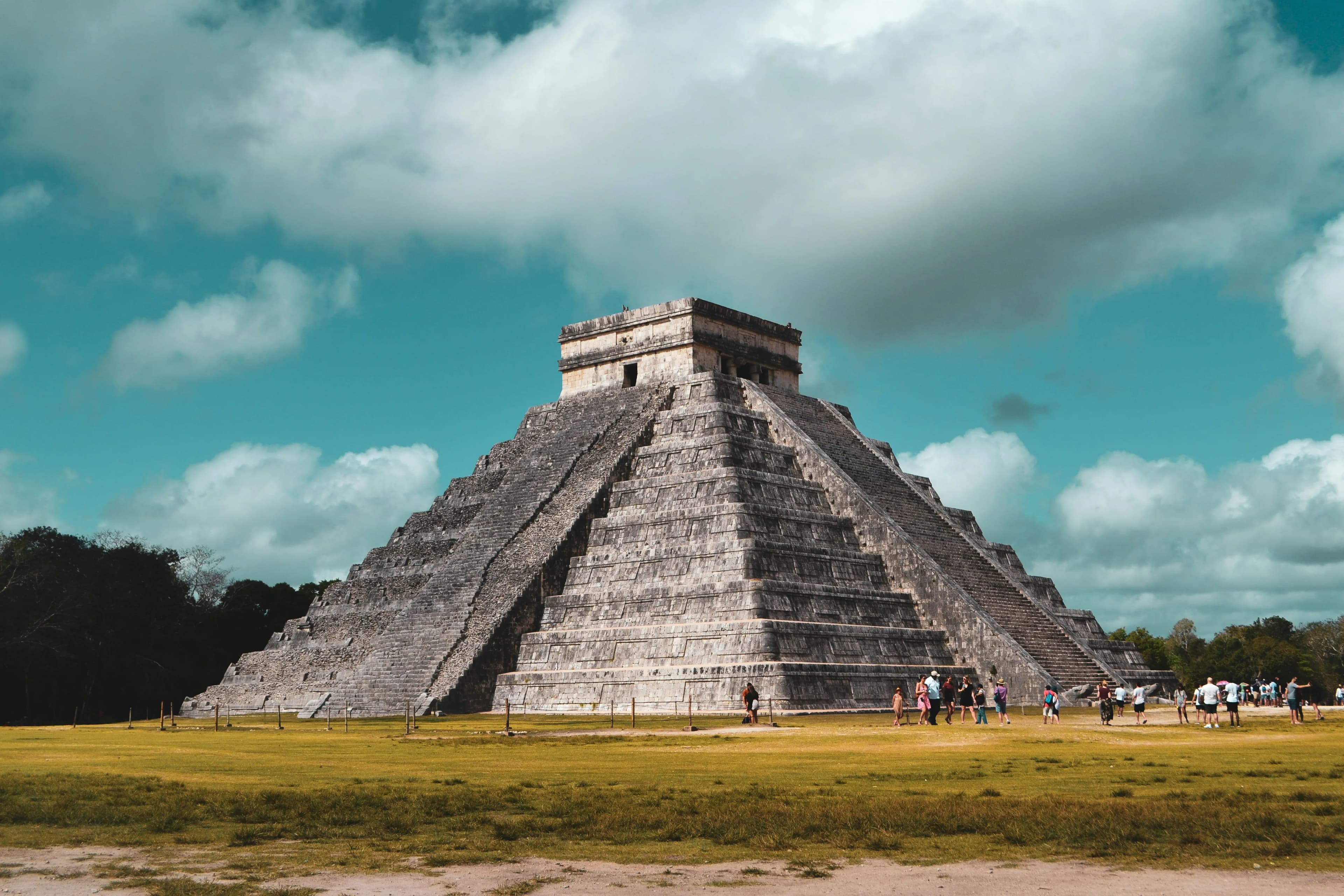
Chichén Itzá, Uxmal, and dozens of lesser-visited sites occupy the interior plateau. Staying near these sites rather than commuting from a coastal resort changes the experience fundamentally. A small number of properties position themselves within reach of early morning site access, when the crowds have not yet arrived and the stone catches horizontal light.
When to visit the Yucatán for a suite stay
The Yucatán has two clearly defined seasons. The dry season runs from approximately November through April. This is the period of lowest humidity, clearest skies, and most reliable road conditions for interior travel. It is also the period of highest demand for the best luxury hotel suites, particularly during the winter holiday weeks in December and the spring break window in March and April.
The wet season, from May through October, brings afternoon rains and elevated temperatures. However, this period has genuine advantages: vegetation is at its most dense and green, cenote water levels are higher, and occupancy at the finest hacienda properties drops enough to make rates more accessible. The hurricane risk, while real, is lower on the Gulf side and in the interior than on the Caribbean coast.
The Day of the Dead celebrations in late October and early November draw a culturally engaged crowd and transform several hacienda towns into genuinely atmospheric spaces. Travelers who value depth over comfort metrics tend to time visits around this period deliberately.
Local luxury standards: what defines a prestige property in the Yucatán
Mexico does not operate a nationally administered palace designation equivalent to France's Palace label. The local prestige hierarchy functions differently, and understanding it helps calibrate expectations before selecting a luxury hotel suite.
The converted hacienda is the Yucatán's defining luxury typology. At its best, a hacienda property combines monumental architecture with a level of privacy and spatial generosity that purpose-built resorts struggle to match. The best examples retain original industrial structures (engine rooms, chimneys, processing floors) as architectural features rather than erasing them. Suites in these properties are often unique rather than standardized: no two rooms share the same proportions or orientation.
The cenote is perhaps the Yucatán's most distinctive amenity. A property with exclusive or semi-exclusive cenote access occupies a different tier from one without it. The quality of cenote access varies considerably: a swimming pool adjacent to a decorative cenote feature is not equivalent to a natural, cave-fed freshwater system integrated into the property's layout.
Service standards in the interior Yucatán tend toward the attentive and personal rather than the formal and procedural. Staff in hacienda properties often have multi-generational connections to the estate. This produces a caliber of knowledge and continuity that is structurally impossible to replicate in a large resort operation.
How to choose the best luxury suite in the Yucatán
Several decisions shape the suite selection process in ways that are specific to this region.
First, the architecture question. A suite in a converted hacienda offers historical specificity: original stonework, ceiling heights governed by nineteenth-century spatial logic, and a relationship to the landscape that was designed for productivity rather than leisure. A suite in a contemporary design hotel offers control, consistency, and modern mechanical systems. Neither is superior in absolute terms. The choice depends on whether the traveler is seeking immersion or insulation.
Second, the cenote question. Properties with private cenote access command a premium that is generally justified. But the character of the cenote matters as much as its exclusivity. An open sinkhole with direct light differs entirely from a cave cenote accessible only by ladder. Guests with specific physical limitations or aesthetic preferences should verify these details before committing.
Third, the location logic. A property within the hacienda belt south of Mérida provides access to the interior archaeological sites and the Gulf coast within a ninety-minute drive. A property near Tulum optimizes for Caribbean beaches and the Sian Ka'an biosphere but distances guests from the colonial and archaeological interior. Few travelers cover both zones comfortably in a single stay of under ten nights.
Fourth, the scale consideration. The finest luxury hotel suites in the Yucatán interior are often in properties with fewer than twenty rooms. This produces a different service architecture than a two-hundred-room resort. Amenities are typically fewer but more considered. Guests who require gym infrastructure, multiple restaurant options, and organized entertainment should assess whether the hacienda model matches their actual use pattern.
Why La Suite's curated selection matters in the Yucatán
The Yucatán luxury hotel market contains genuine excellence alongside a significant volume of properties that market themselves at a prestige tier without delivering the spatial quality, service depth, or architectural coherence that the category requires. The gap between the best and the merely expensive is wider here than in more heavily regulated markets.
La Suite's editorial process evaluates properties on architectural integrity, suite quality, service caliber, and the coherence between the property's positioning and its actual delivery. In a market where conversion projects range from meticulous to superficial, this distinction matters. The curated selection by La Suite removes the research burden and surfaces only properties where the luxury suite experience holds under scrutiny.