Where to stay in Bruges for a luxury suite experience
The quieter residential quarters to the south and west of the centre, around the Begijnhof and the Minnewater lake, offer a slower cadence. Suites in this area tend toward discretion, with less foot traffic and a more contemplative relationship with the city's fabric. For travelers prioritising privacy over centrality, this balance deserves serious consideration.
The area around the Dijver canal and Sint-Janshospitaal represents a cultural corridor: the Groeninge Museum, the Memling in Sint-Jan collection, and the quieter canal-side walking routes are all within reach. A luxury hotel suite positioned along this axis places the guest at the intersection of art history and urban calm.
When to visit Bruges and plan a luxury stay
Bruges receives significant visitor numbers year-round, but the character of the city shifts markedly by season. Spring, from March through May, brings moderate temperatures and manageable crowds, with the city's gardens and canal reflections at their most photogenic. This is a reliable window for suite availability at leading properties, often with more considered pricing than the high summer months.
Summer, from June through August, is the peak period. The city is at full capacity, and the historic centre can feel congested by mid-morning. For those visiting in this window, a suite that offers a private terrace or garden access becomes a functional necessity rather than a preference. It provides a retreat from the density of the public realm.
Autumn is, by most measures, the most atmospheric season. October and November bring a low mist over the canals, reduced visitor numbers, and a quality of light that has drawn painters and photographers to Bruges for centuries. Suite rates are generally more accessible, and the city's museums and restaurants operate without the constraints of peak demand.
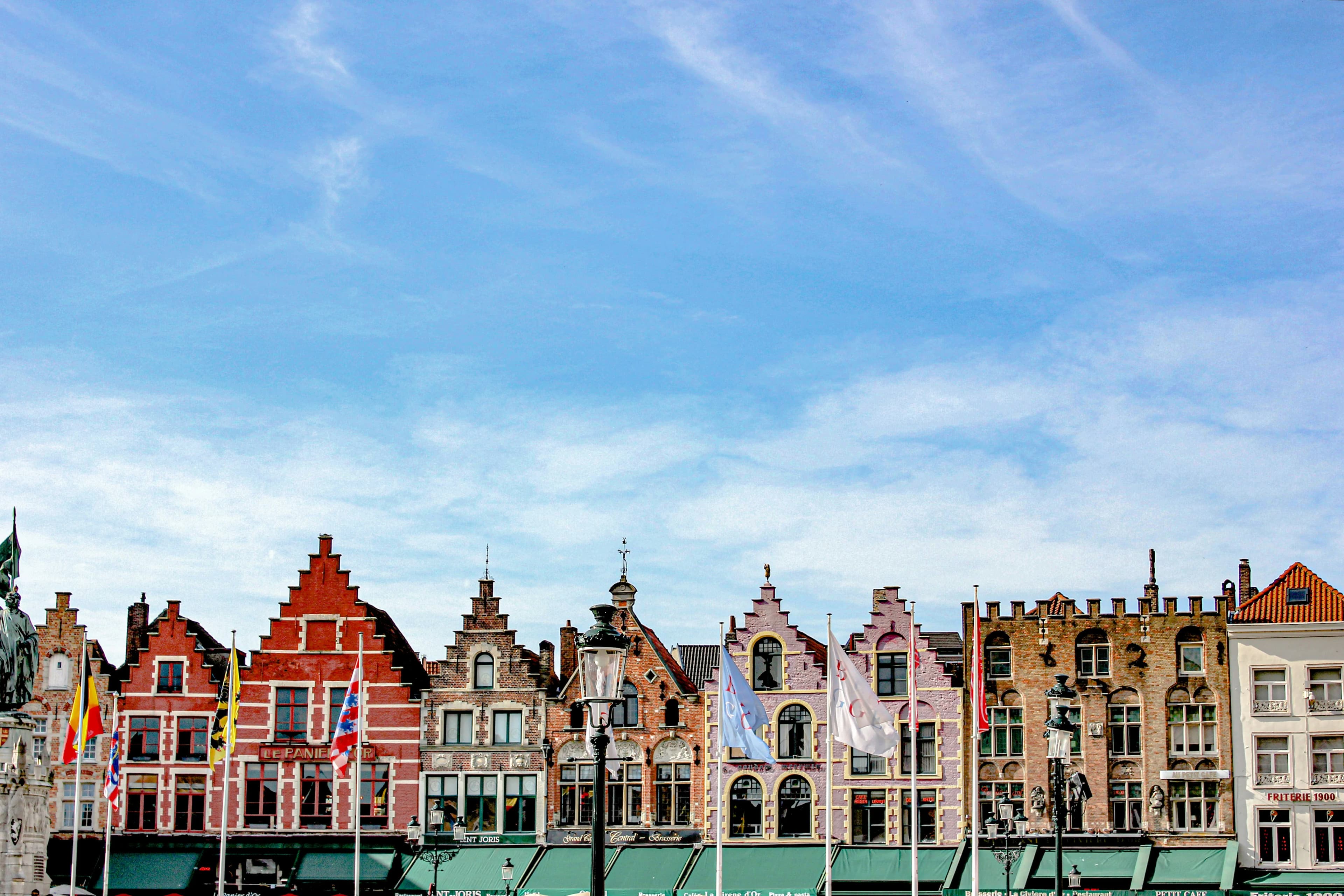
December introduces the Christmas market at the Markt square, one of the more architecturally coherent festive markets in Northern Europe. The combination of Gothic spires, candlelight, and winter cold creates a specific sensory atmosphere. Suites in the historic centre during this period command a premium, and early planning is advisable.
Understanding luxury standards in Bruges
Belgium does not operate a dedicated national classification for luxury hotels equivalent to the French Palace designation. The country applies a star-rating system under the Benelux Hotelclassification framework, with five-star properties representing the highest formal tier. However, within Bruges specifically, a number of smaller historic properties have established reputations that operate largely independent of formal classification.
The city's architectural heritage imposes particular conditions on luxury hospitality. Many of the finest properties occupy converted merchant houses, former convents, or patrician residences dating from the fifteenth to the seventeenth century. Renovation within these structures is subject to strict heritage protection regulations, which means that suite design tends to work in dialogue with existing fabric: exposed beams, vaulted ceilings, and original stonework are common features rather than decorative additions.
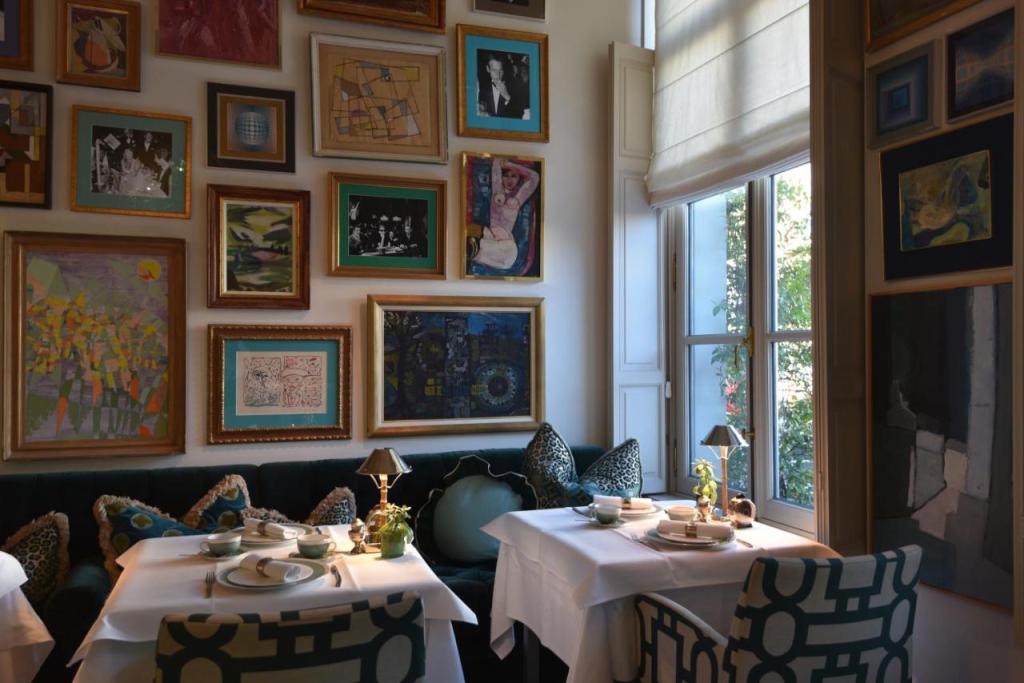
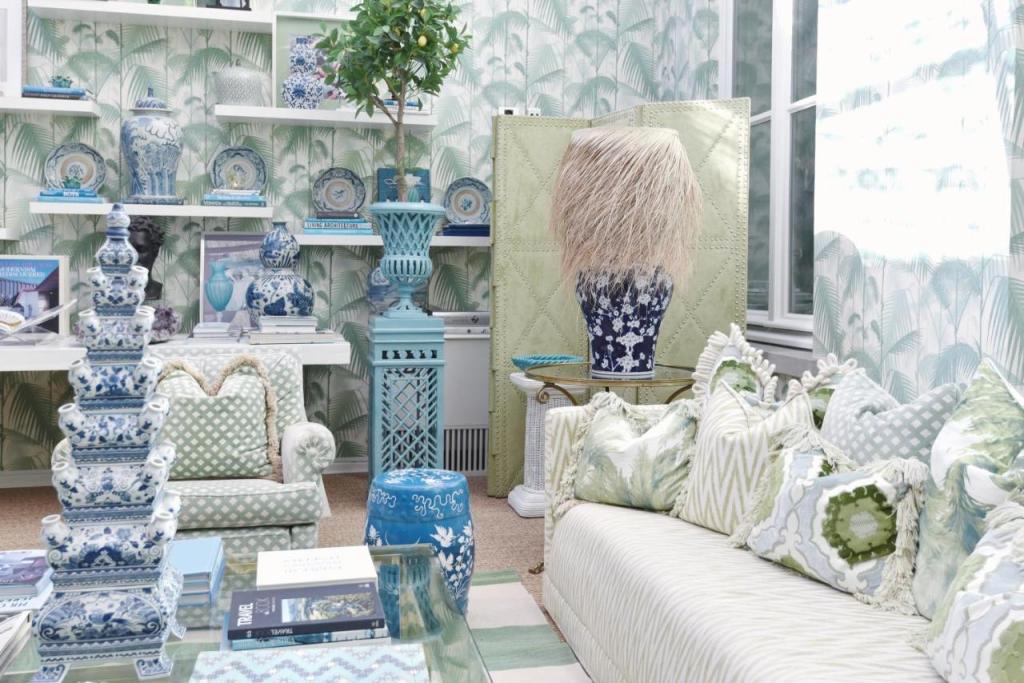
What this means in practice is that luxury in Bruges is rarely expressed through the kind of seamless contemporary minimalism found in a purpose-built urban hotel. Instead, it tends toward a layered material quality: antique or artisan furnishings, hand-finished surfaces, and a spatial generosity that reflects the original scale of the building. Guests should calibrate expectations accordingly, and regard this specificity as a distinct form of quality rather than a limitation.
How to choose the right luxury suite in Bruges
The primary choice in Bruges is between historic fabric and contemporary comfort. Properties in converted heritage buildings offer an immersive relationship with the city's material history, but may involve irregular floor plans, limited elevator access, or rooms where natural light is constrained by the building's original structure. For travelers whose priority is architectural experience, this is a worthwhile trade. For those requiring specific accessibility or a more uniform level of amenity, a modern property with heritage-sensitive design may be the more appropriate choice.
Canal-facing suites are among the most sought-after in the city. The visual and acoustic quality of a room oriented toward the water is distinct from anything a street-facing suite can offer. However, availability is limited, and the differential in rate is significant. Travelers for whom this aspect is central to the experience should prioritise it early in the planning process.
Suite size in Bruges tends to be more restrained than in larger European capitals. The city's medieval building plots were not designed for the spatial ambitions of contemporary hospitality. A suite that feels generous in Bruges will often be measured in terms of ceiling height, material finish, and view quality rather than raw square footage. Understanding this before arrival avoids misaligned expectations.
For families or groups requiring multiple interconnecting rooms alongside a suite, options in Bruges are genuinely limited. The city's property stock, much of it protected, does not easily accommodate large-party configurations. This is a destination that rewards the couple or the solo traveler seeking depth of experience over surface area.
Why a curated selection by La Suite matters in Bruges
Bruges presents a specific editorial challenge: a relatively small city with a high volume of accommodation options ranging from excellent to merely adequate, all operating within a heritage context that makes surface-level photography misleading. A property can appear immaculate in promotional imagery and deliver a materially different experience in person.
La Suite applies a consistent set of criteria across spatial quality, service standard, and experiential coherence. In a city like Bruges, where the difference between a genuinely considered suite and a competently decorated room can be significant, this curation function is directly useful. The selection reflects properties where the suite experience is the primary commitment of the house, not an afterthought appended to a larger commercial operation.
For the traveler approaching Bruges as a destination worthy of serious attention, a curated selection by La Suite reduces the research burden and increases the probability of a stay that meets the standard the city, at its best, is capable of providing.