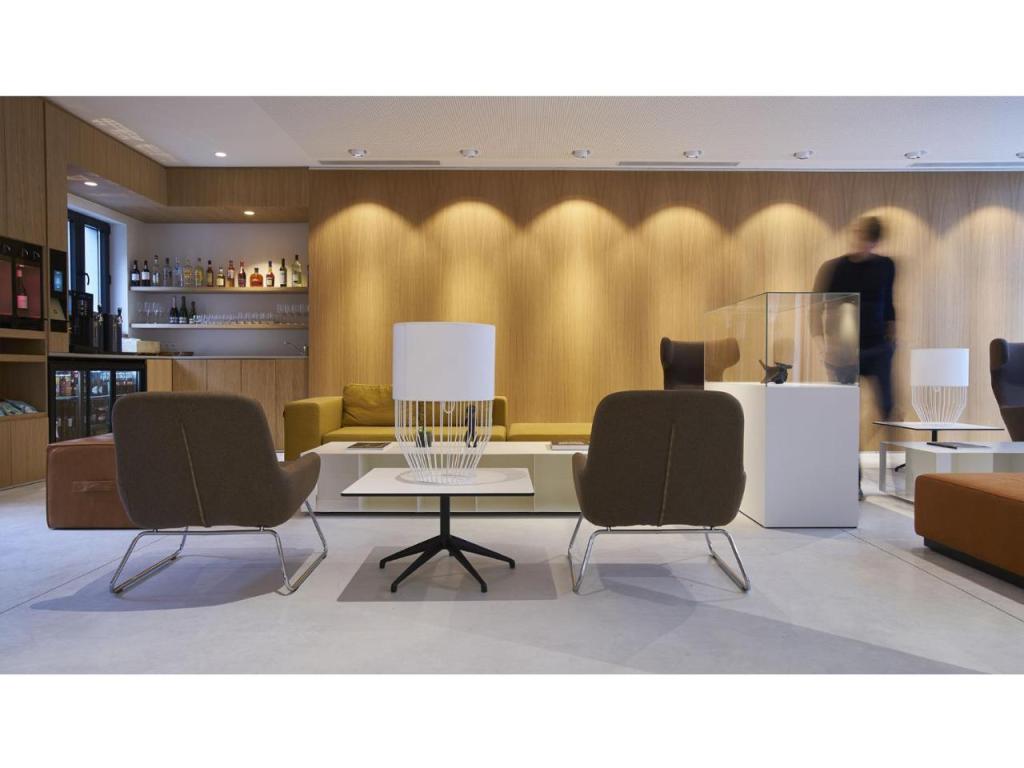
Les Marolles and its place within Brussels' luxury geography
For context on the broader country's hospitality standards, the Belgium destination page outlines what distinguishes Belgian luxury hotel culture from its European neighbours. Within that national framework, Brussels and Les Marolles in particular occupy a distinct position: a city where institutional grandeur and street-level authenticity coexist without obvious tension.
Best areas within and around Les Marolles for a suite stay
The Place du Jeu de Balle axis
The geographic and social heart of Les Marolles is the Place du Jeu de Balle, home to one of Europe's oldest daily flea markets. Properties within walking distance of this square offer immediate access to a world of antique furniture, vintage textiles, and architectural salvage that attracts serious collectors from across the continent. The architectural character here is predominantly 19th-century Belgian townhouse: brick facades, deep interior volumes, and courtyards that absorb sound from the surrounding streets.
The Rue Haute and Rue Blaes corridor
Running parallel through the neighbourhood, these two streets concentrate the majority of Les Marolles' independent dealers, design studios, and gallery spaces. A suite positioned along this corridor provides the kind of proximity that transforms a visit from observation into genuine immersion. The scale of the buildings here is intimate rather than monumental, which means that high-end conversions tend toward the boutique end of the spectrum: fewer rooms, more considered interiors, and a stronger relationship between the architecture and the surrounding context.
The upper Marolles toward the Palais de Justice
The gradient toward the Palais de Justice introduces a different register: wider streets, more formal 19th-century townhouses, and a quieter residential character. Properties in this sub-zone offer the cultural proximity of Les Marolles with a degree of architectural formality that appeals to travellers who prefer their surroundings to carry a certain civic weight.
When to visit Les Marolles for a suite stay
Les Marolles operates year-round, but certain periods sharpen the experience considerably. The spring months (April through June) bring the best conditions for exploring the neighbourhood on foot: moderate temperatures, extended daylight hours, and a heightened activity in the gallery circuit as the Brussels art season reaches its close. The annual Brussels Antiques and Fine Arts Fair, typically held in January, concentrates the city's collector community and draws international dealers whose presence temporarily raises the neighbourhood's cultural register.
September and October represent a second strong window. The return of the institutional calendar after the summer pause animates both the gallery scene and the restaurant circuit, and suite availability tends to be more predictable than during peak summer months. December, though busy across Brussels, brings a particular atmosphere to Les Marolles: the flea market continues regardless of weather, and the neighbourhood's characteristic resistance to seasonal performance makes it one of the more authentic parts of the city to occupy during the holiday period.
Local luxury standards: what to expect from a high-end suite in Les Marolles
Belgium does not operate a formal palace classification equivalent to the French system, but the country's hospitality culture has its own benchmarks. The most respected properties in Brussels tend to be assessed through international classification systems and through the density of independent critical attention they attract. In Les Marolles specifically, the luxury hotel offer is defined less by scale and more by precision: the quality of the conversion, the coherence of the interior design programme, and the degree to which the property engages with its immediate neighbourhood rather than insulating guests from it.
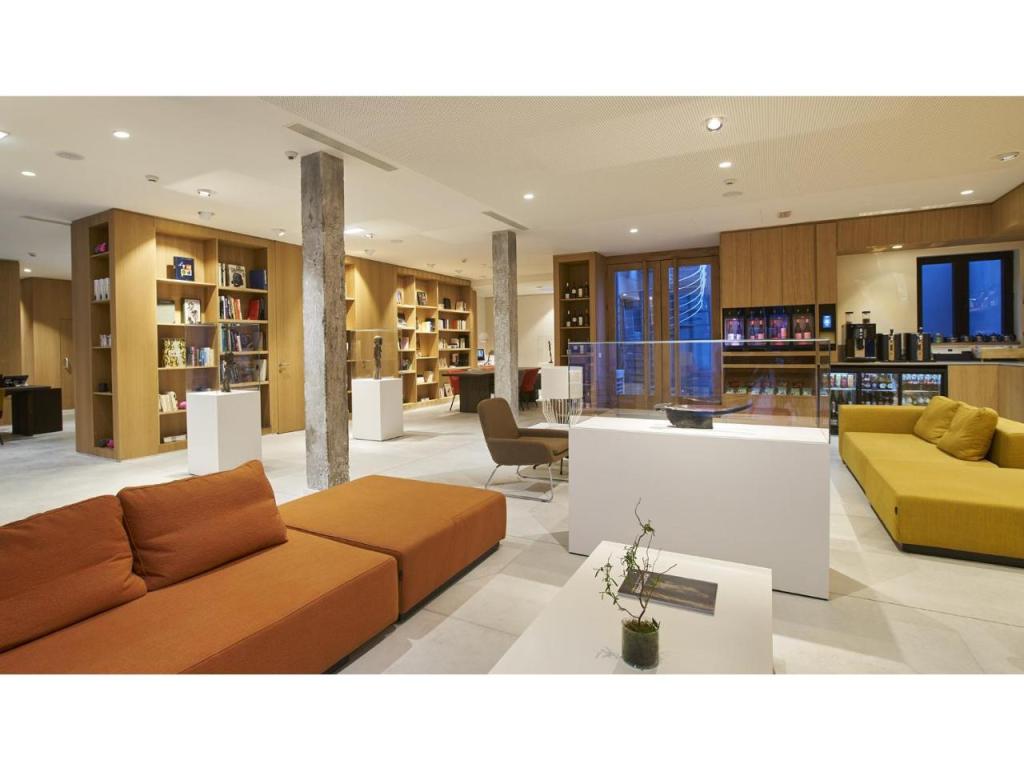
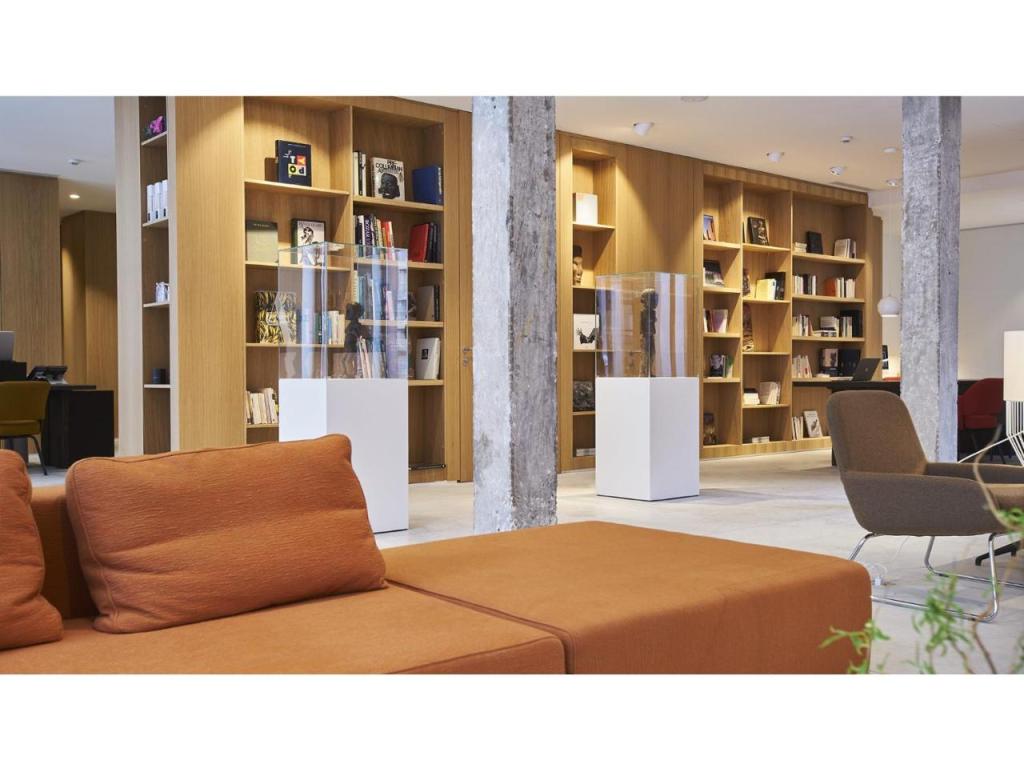
Suite guests in this quarter should expect architectural specificity as a baseline. The most accomplished properties in and around Les Marolles use the existing building stock, 19th-century Belgian townhouses, converted warehouses, former artisan workshops, as the primary design material. This produces suites with genuine spatial character: exposed brick or stone, high ceilings, original joinery preserved and integrated rather than removed. Service models in this context are typically intimate and personalised, reflecting the boutique scale of the properties themselves.
It is worth noting that Les Marolles' hotel infrastructure, while growing in quality, remains limited in volume. This scarcity is itself a qualifier: the properties that do exist at a high standard are chosen deliberately by guests who understand what the neighbourhood offers and are willing to prioritise cultural position over conventional amenity density.
How to choose the right suite in Les Marolles
Architectural character versus contemporary amenity
The central decision for any suite guest in Les Marolles is the balance between historical architectural integrity and contemporary comfort infrastructure. Some properties prioritise the preservation of original building elements to such a degree that certain modern amenities are either absent or discreetly integrated. Others take a more interventionist approach, introducing contemporary interiors into historical shells. Neither position is superior in the abstract; the right choice depends on whether the guest's primary interest is spatial authenticity or operational efficiency.
Proximity to the flea market: asset or consideration
The Place du Jeu de Balle market operates every morning, including weekends, and generates a particular acoustic and social character from early morning. For guests who plan to engage with the market directly, immediate proximity is an asset. For those who prioritise morning quiet, a suite positioned on one of the quieter streets feeding into the square may be more appropriate. This is a practical variable worth assessing before confirming a reservation.
Connectivity to the broader city
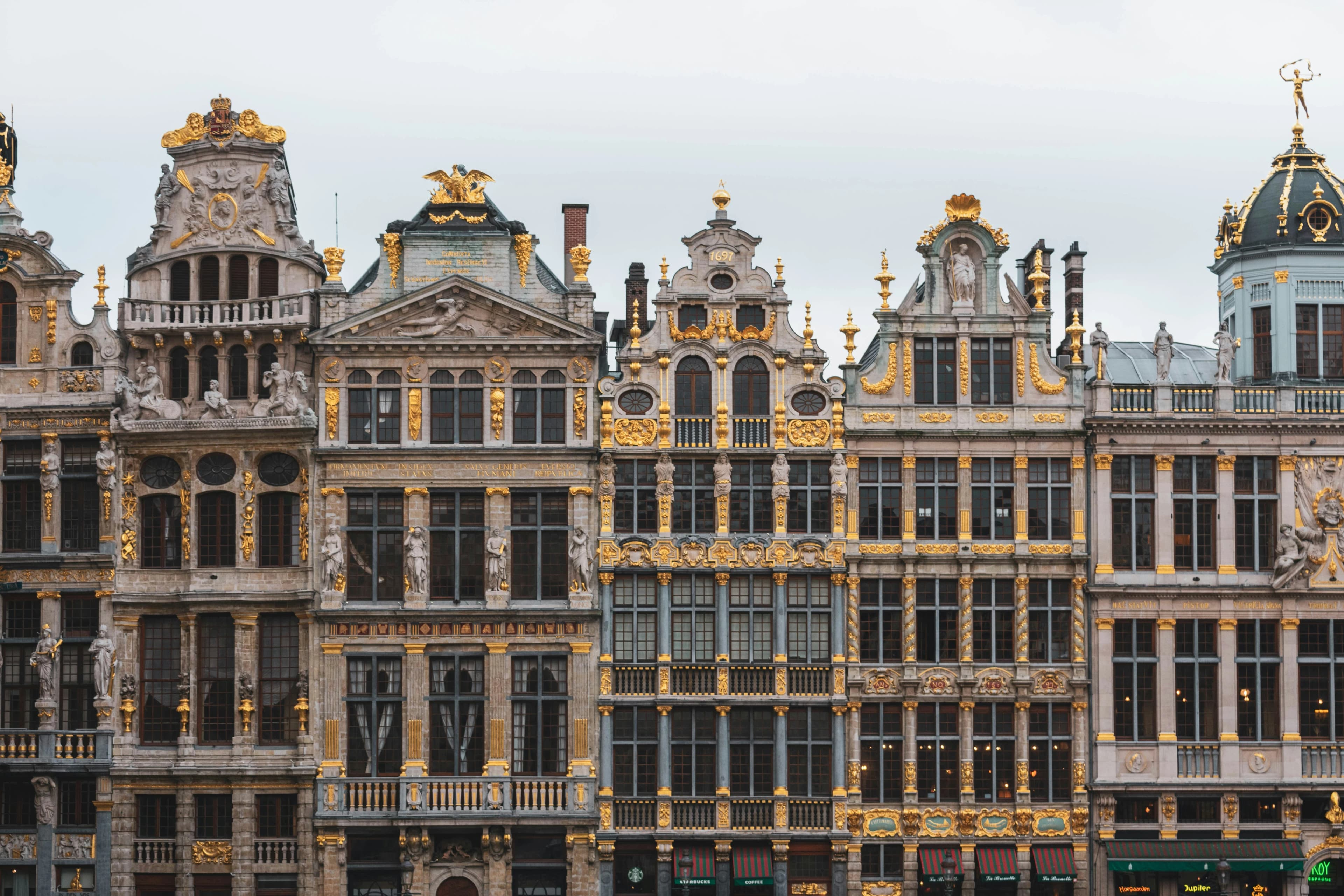
Les Marolles is walkable to the Grand-Place (approximately fifteen minutes on foot) and connected by public transport to the European Quarter and the main rail terminals. For guests combining a Les Marolles base with appointments across the city, the neighbourhood's centrality is an underappreciated advantage. A suite here is not an isolated cultural choice; it is a functional base for a city that rewards pedestrian exploration.
The value of curation in a neighbourhood of limited but precise supply
Les Marolles presents a specific challenge for the independent traveller: a small number of genuinely high-quality properties within a neighbourhood that is otherwise characterised by budget accommodation and short-term rentals. The signal-to-noise ratio, without editorial guidance, is unfavourable. La Suite's curated selection for Brussels and its constituent neighbourhoods addresses this directly. Rather than presenting an exhaustive list of available rooms, the platform applies consistent criteria: architectural quality, service standard, spatial generosity at the suite level, and the coherence of the guest experience relative to the surrounding context. In a neighbourhood like Les Marolles, where the right property and the wrong property can occupy the same street, that editorial judgment is the difference between an exceptional stay and a misallocated budget.