Understanding Brussels as a luxury suite destination
Key areas to consider for a suite stay in Brussels
The historic centre and Grand Place quarter
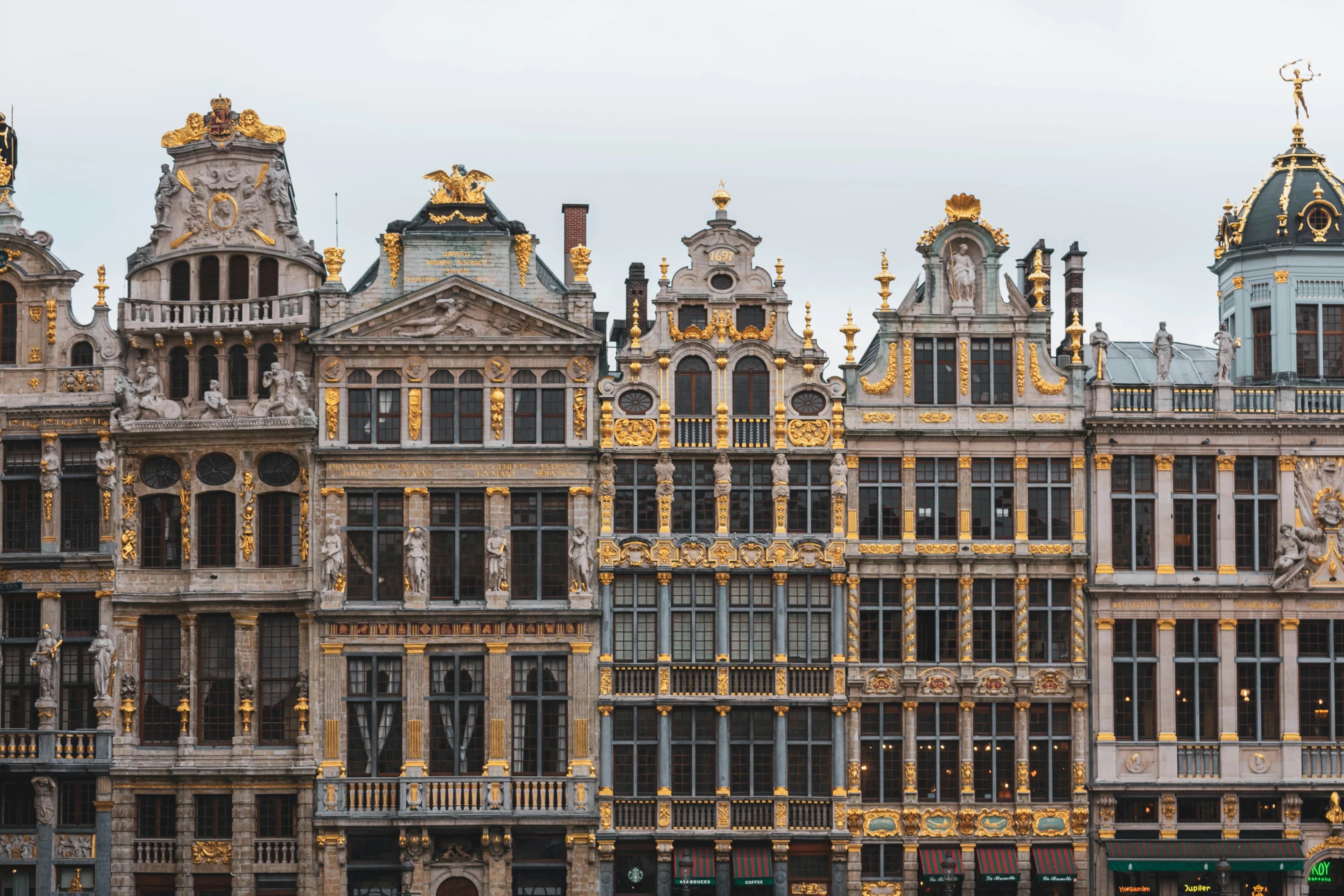
The area surrounding the Grand Place, the medieval guild-house square that forms the city's ceremonial core, offers proximity to the oldest and most architecturally layered parts of Brussels. Hotels in this perimeter tend to occupy buildings with significant histories. Suites here deliver a dense urban experience: stone facades, cobbled streets immediately outside, and a walkability to the Royal Museums of Fine Arts, the Magritte Museum, and the Galeries Royales Saint-Hubert. The atmosphere is deliberate and old-world in texture without being museum-like in character.
Ixelles and the Avenue Louise corridor
South of the centre, Ixelles and the Avenue Louise district represent Brussels at its most residential and design-conscious. This is where independent galleries, serious wine bars, and Belgian fashion houses concentrate. The hotel stock here skews toward boutique and contemporary, with suites that reflect a more modern interpretation of Brussels luxury. Travelers who prioritise design coherence and neighbourhood immersion over central landmark proximity will find this corridor particularly well-suited to their sensibility.
The European Quarter and Etterbeek
The eastern districts around the European Parliament and the Cinquantenaire park attract a professional and diplomatic clientele. Hotels in this zone tend toward efficiency and discretion, with suites designed for extended stays and working visits. The Cinquantenaire Museum and its formal park provide a counterweight to the institutional character of the area. For travelers combining leisure with business, the European Quarter offers a pragmatic base with access to both the city's institutional life and its cultural infrastructure.
When to visit Brussels for a luxury stay
Brussels maintains a year-round hospitality rhythm dictated largely by its dual role as a cultural capital and an EU administrative centre. Spring, from April through June, brings the most temperate conditions and coincides with the Iris Festival, the city's major cultural celebration of the Brussels-Capital Region. The Royal Greenhouses of Laeken open to the public for a limited period in late April and early May, a rare access point to the Belgian Royal Estate that draws significant interest from informed visitors.
September and October represent a secondary peak, when the cultural season reopens, galleries mount their major exhibitions, and the city's restaurant scene re-engages after the summer pause. Brussels Design Market, one of Europe's largest vintage design fairs, typically takes place in late September and draws a design-literate international audience. Winter in Brussels is austere and grey but carries a particular intimacy, especially in the weeks surrounding the Christmas market, when the Grand Place and surrounding streets take on a quality that rewards those willing to engage with the city in its least photogenic season.
Summer, while quieter institutionally as EU activity recedes, sees increased leisure tourism and, paradoxically, greater suite availability at competitive rate points. Travelers with flexibility who prioritise space and value will find July and August worth considering.
Local luxury standards: what to expect from top-tier Brussels hotels
Belgium does not operate a formal national palace classification equivalent to France's Palace label. The top end of the Brussels hotel market is defined instead by membership in international collections such as The Leading Hotels of the World, Relais and Chateaux affiliations where applicable, and the internal standards of major luxury groups operating properties in the city. Belgian hospitality culture leans toward restraint and precision rather than theatrical service. Expect rigorous attention to detail, a certain formality that stops short of stiffness, and a genuine culinary investment at the suite level, including in-room dining programs that reflect the city's serious food culture.
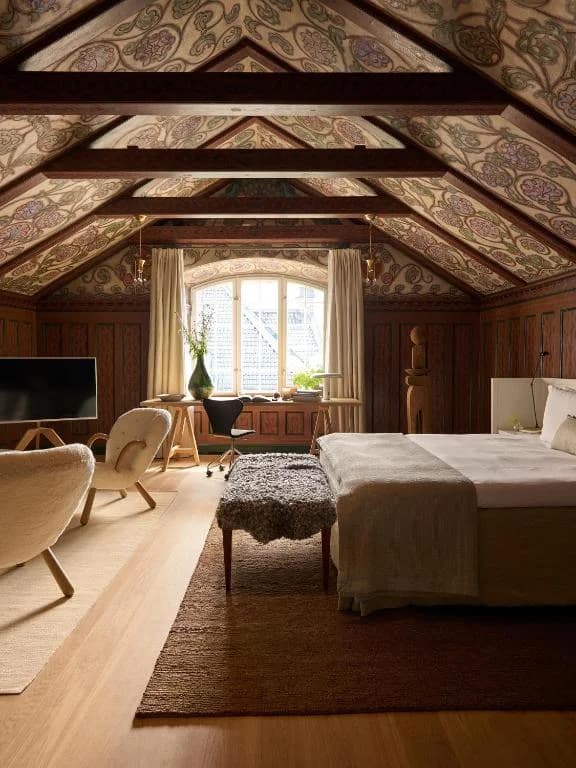
Suite design in Brussels tends to honour architectural heritage. The city's stock of Belle Epoque and Art Nouveau-influenced interiors appears in properties that have been converted from historic buildings, where original ceiling heights, ironwork details, and mosaic elements are preserved and integrated into contemporary comfort standards. Travelers who value spatial narrative over neutral minimalism will find the city's better properties particularly rewarding.
How to choose the right suite in Brussels
The primary axis of choice in Brussels is architectural character versus contemporary neutrality. Properties in the historic centre and in converted mansion buildings offer suites with period detail, high ceilings, and a material density that reads as authentically Belgian. Properties in the Avenue Louise corridor and the newer hotel developments offer cleaner lines, more contemporary art programming, and a different relationship to the city's design culture.
A second consideration is scale. Brussels is a compact city, and the distinction between a standard luxury room and a genuine suite is particularly meaningful here, where the density of cultural programming and business activity means time in the suite is itself part of the experience rather than a passive waiting period. Suites with separate living spaces, private terraces where available, and access to dedicated lounge facilities add measurable value to a multi-day stay.
For travelers combining Brussels with Bruges, Ghent, or Antwerp on a broader Belgian itinerary, positioning the Brussels suite as the itinerary anchor, a logistically central and spatially generous base, is a coherent strategy. Train connections between Belgian cities are direct and frequent, making Brussels a natural hub without sacrificing the integrity of the suite experience.
Why curated selection matters in Brussels
Brussels presents a specific editorial challenge: a hotel market that includes genuine excellence alongside a significant volume of business-oriented properties that are entirely competent but not designed for the kind of experiential depth that suite travelers seek. The difference between a well-located four-star property and a suite that genuinely reflects Brussels at its best is not always visible in standard booking interfaces.
La Suite applies a consistent editorial filter to the Brussels selection, prioritising spatial quality, design coherence, service culture, and the capacity of a property to function as an experience rather than a transaction. The curated selection by La Suite is the most direct route to identifying the suites in Brussels that meet the standard the city's best qualities deserve.