Understanding the European Quarter as a luxury base
Luxury hotels in this quarter tend to prioritise functionality without sacrificing material quality. Suites here are designed to operate as working environments as much as residential retreats. High-speed connectivity, soundproofing, and discreet service protocols are not optional features; they are baseline expectations. For executives, diplomats, legal counsel, and senior advisors arriving from across Europe and beyond, the suite is an extension of the office, a place where briefings can be prepared and conversations can continue after hours.
The architectural character of the quarter
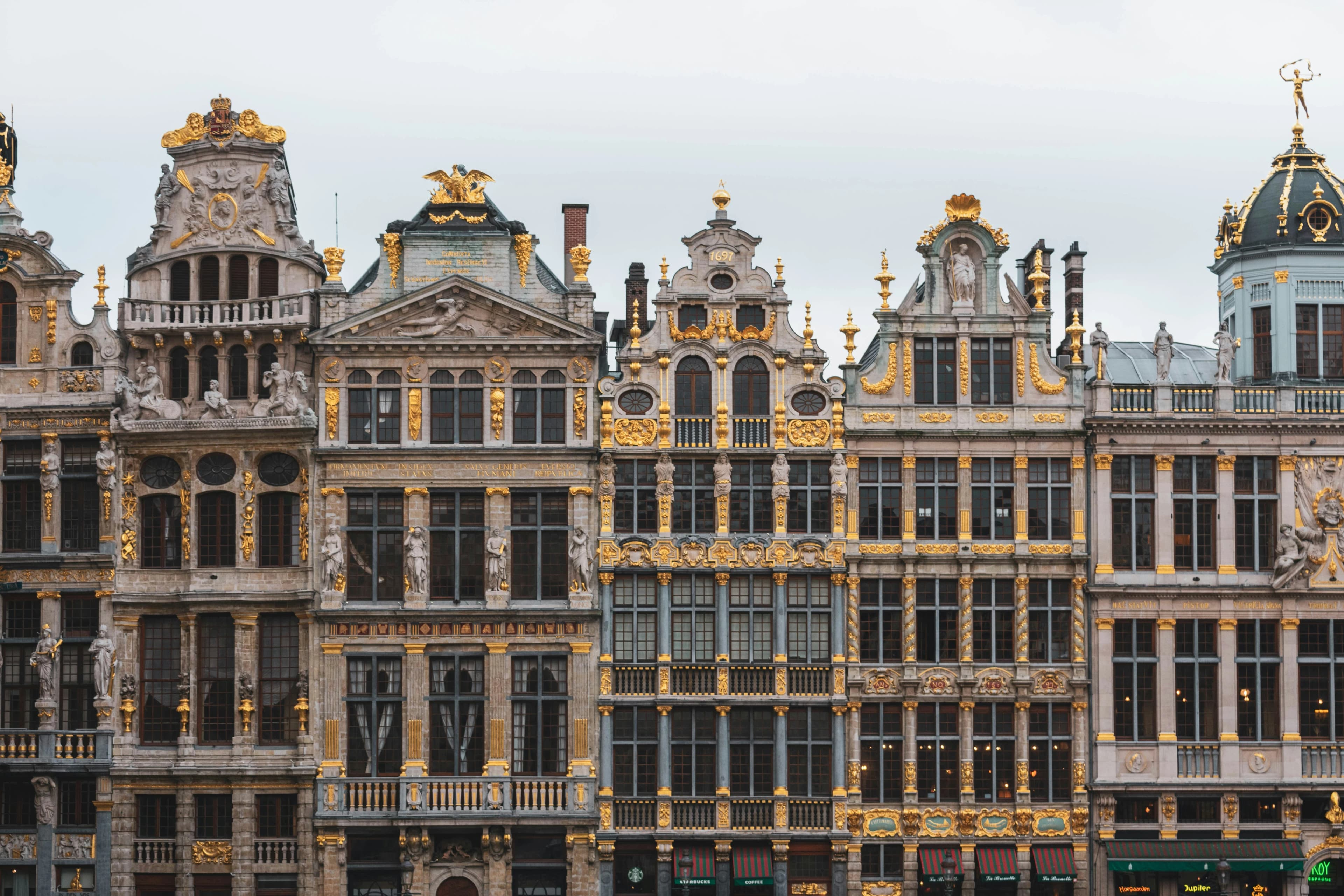
The European Quarter underwent significant transformation from the 1960s onward, a period of demolition and reconstruction that replaced much of its 19th-century bourgeois fabric with modernist office towers and institutional complexes. The result is a district that reads as functional and international rather than historically layered. This context informs the aesthetic of its best hotels, which tend toward a contemporary European register: clean lines, restrained palettes, and interiors that reference quality without ostentation.
The Parc du Cinquantenaire, with its triumphal arch and formal gardens commissioned for the 1880 Belgian national jubilee, introduces a counterweight of monumental classicism. Hotels positioned near this park benefit from a visual and spatial relief that purely institutional streets cannot offer. For travelers sensitive to their immediate environment, proximity to the Cinquantenaire matters.
When to stay in the European Quarter
The rhythm of the quarter is governed by the European Union's institutional calendar. The busiest periods for hotel occupancy coincide with European Council summits, plenary sessions of the European Parliament (though many MEPs work between Brussels and Strasbourg), and the cycling of rotating presidencies. These windows, concentrated in spring and autumn, drive both demand and pricing for premium rooms and suites.
For travelers whose visit is not tied to institutional schedules, the summer recess (July and August) represents a quieter period, when the quarter empties of its professional population and hotel rates adjust accordingly. This can be an unexpectedly rational window for those who wish to be centrally positioned in Brussels without the ambient pressure of a working quarter at full capacity.
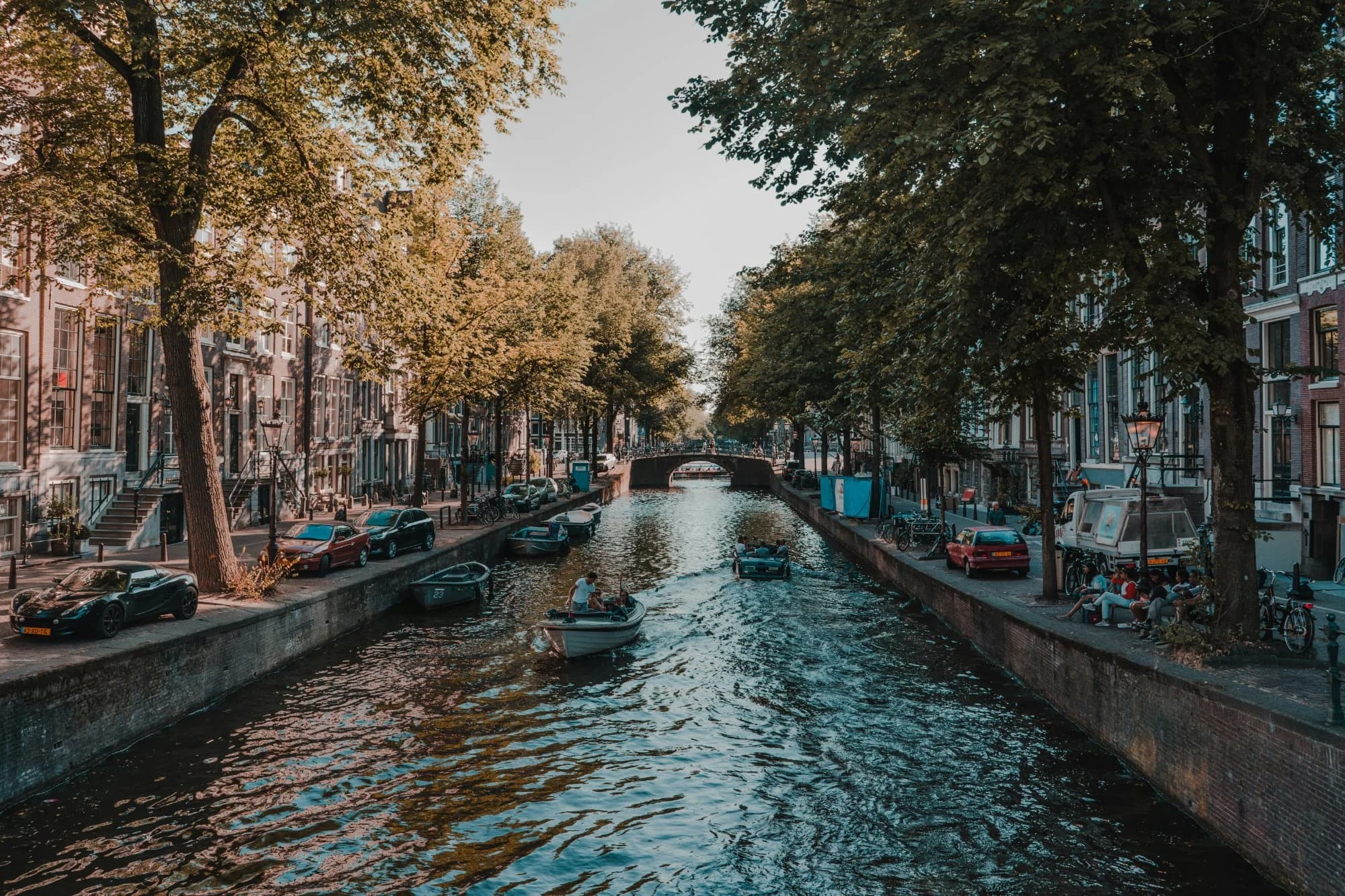
Belgium as a whole operates on a temperate maritime climate: mild, grey, and reliably damp for much of the year. The quarter itself offers little in the way of outdoor experience, so seasonal weather is less determinative here than in leisure destinations. The decision of when to visit is more logistical than atmospheric.
What to expect from top-tier suites in this area
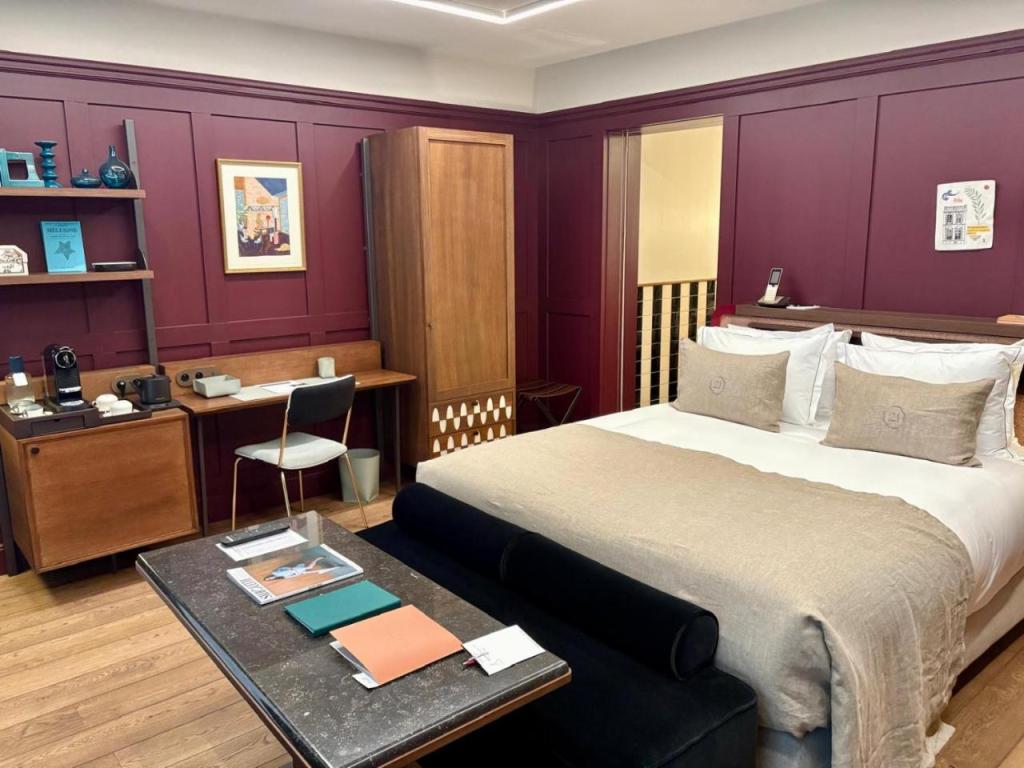
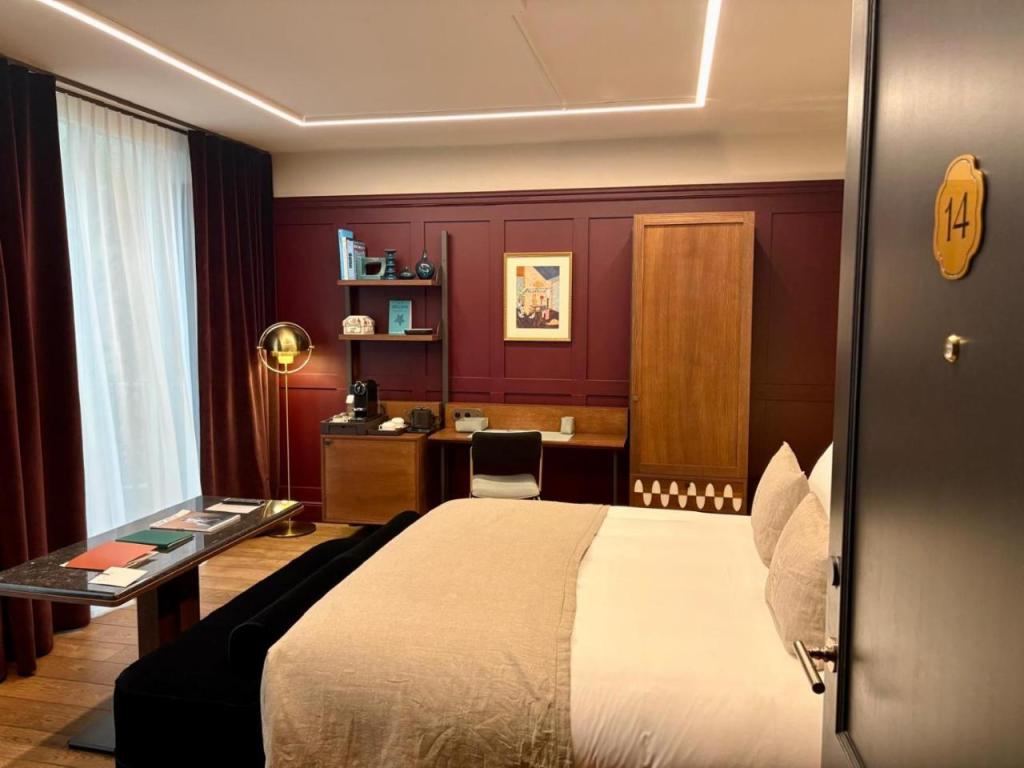
The best luxury hotel suites in the European Quarter are calibrated for a specific traveler profile. Expect generous square footage designed to accommodate both rest and work, with distinct zones for each. Living areas tend to be furnished for function: proper desks, ergonomic seating, and multiple power and connectivity points alongside the softer residential elements. Bathrooms in this category will typically feature deep soaking tubs and rain showers, with amenity programmes drawn from established European or niche botanical brands.
Service in the quarter's leading hotels reflects the demands of its clientele. Discretion is structural, not incidental. Staff are accustomed to managing unusual schedules, late arrivals, early departures, and requests that require coordination rather than simple execution. Multilingual capability is standard. The best properties in this district operate with a front-of-house culture closer to a private members' club than a conventional hotel lobby.
Room service and in-suite dining are taken seriously here. Travelers working through evening schedules require kitchen output that holds quality outside standard restaurant hours. Properties that cannot maintain this standard across the full operating window tend to fall outside the curated tier.
Choosing the right suite: practical considerations
Within the European Quarter, location on the street level matters more than it might in a leisure district. Streets adjacent to the principal institutional buildings experience significant pedestrian and vehicle traffic on working days. Suites on upper floors with effective acoustic insulation represent a measurably different proposition from those closer to street level on a corridor like Rue de la Loi.
Travelers expecting to receive guests or hold informal meetings in their suite should prioritise properties with sufficiently scaled living rooms and, ideally, a second bathroom or powder room. The suite as meeting space is a real and frequent use case in this quarter, and not all properties are equally equipped for it.
For those combining institutional appointments with cultural programming, the Cinquantenaire museums (covering decorative arts, antiquities, and military history) and the Magritte Museum in the historic centre are accessible within reasonable travel times. A suite in the European Quarter does not preclude engagement with the broader cultural fabric of Brussels; it simply positions the traveler at a different entry point into the city.
Why curation matters in this specific district
The European Quarter presents a specific challenge for independent research: its hotel offer spans a wide range of categories, and the institutional context means that properties marketing themselves to corporate travelers do not always translate into genuine quality at the suite level. A property may perform well on standard business travel metrics while falling short of what a discerning traveler expects from a luxury suite: material quality, spatial generosity, service depth, and a coherent aesthetic position.
La Suite applies consistent criteria across this district as across every destination in its portfolio, evaluating suites on their own terms rather than against the broader room category of the property. In a quarter where the default pressure is toward functional adequacy, this distinction is consequential. The curated selection by La Suite isolates the properties that meet the full standard, allowing travelers to make a precise and informed choice without working through a market that rewards volume over quality.
For those approaching Brussels from a broader European itinerary, or evaluating the city as part of a wider consideration of Belgium as a destination, the European Quarter represents the most professionally oriented point of entry. La Suite positions its curation to serve exactly that traveler.