Understanding Knokke-Heist as a luxury destination
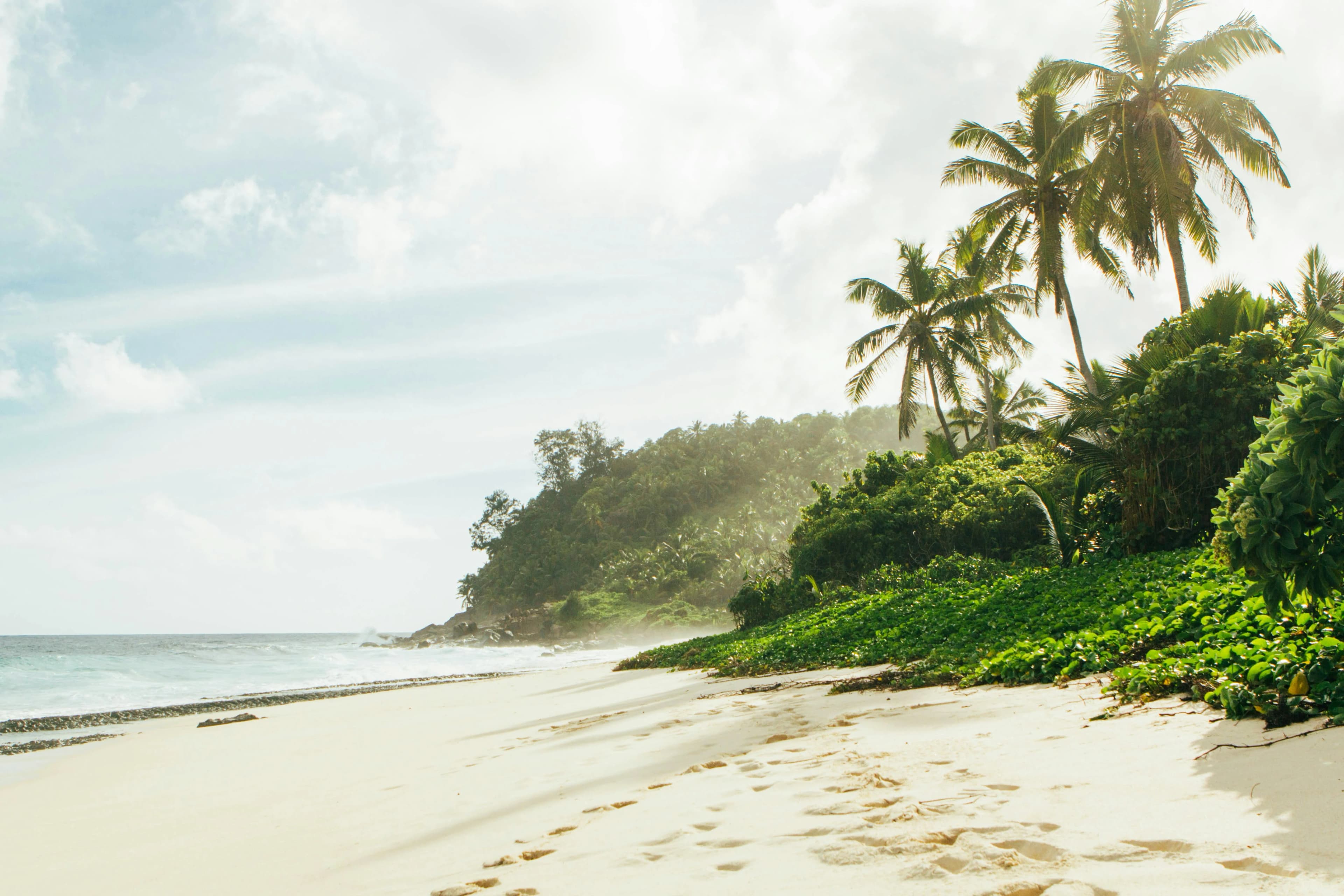
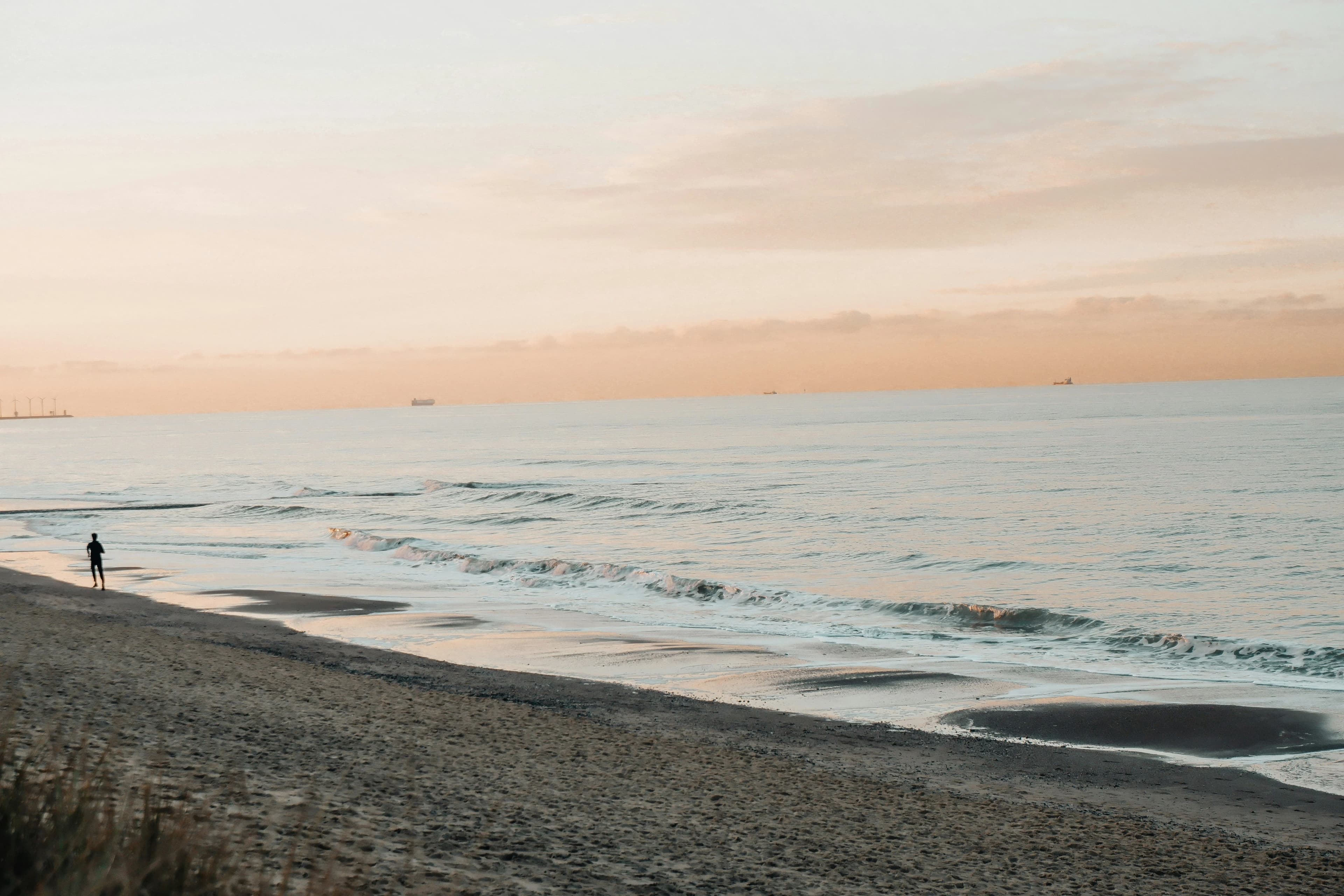
The coastline itself stretches across several kilometers of open North Sea shoreline, backed by dune reserves that are protected natural areas. The light here is particular: flat, northern, and highly prized by painters. The Casino Knokke, a mid-century architectural landmark, has historically served as both a social hub and an exhibition venue, hosting works by René Magritte and Keith Haring among others. This relationship between leisure and serious art culture is not incidental. It is structural to the town's identity.
Best areas to stay in Knokke-Heist for a high-end visit
Het Zoute
For travelers prioritizing proximity to the galleries, the private beach clubs, and the refined retail corridor along the Kustlaan, Het Zoute is the reference address. Staying here places guests within walking distance of the most concentrated expression of Knokke's cultural and commercial identity. Properties in this zone tend toward a boutique scale, favoring discretion over grandeur.
Knokke center
The area around the Casino and the main shopping axis offers a slightly more animated environment, with easier access to restaurants, the weekend market at the Rubensplein, and the cultural programming of the Casino venue. Suites in this zone benefit from the energy of the town without sacrificing comfort or privacy.
Duinbergen and Heist
These sub-districts appeal to guests who prefer a more contemplative stay. Closer to the natural dune reserves and the quieter beach sections, they are appropriate for those combining a coastal visit with time at the Zwin nature reserve or day trips into the Flemish interior toward Bruges.
When to visit Knokke-Heist
The high season in Knokke-Heist runs from late June through August, when the town reaches its maximum social intensity. Hotel suite availability is tightest during July and the first two weeks of August, when Belgian and Dutch families, along with a significant international clientele, occupy the coast. Rates reflect this pressure accordingly.
For travelers seeking the town at its most culturally active without the density of summer, late May and September represent a more considered window. The light remains favorable, the galleries are fully operational, and the restaurant scene maintains its full register. The annual Knokke Art Fair and various gallery opening events tend to cluster in summer and early autumn, drawing a collector-oriented audience that aligns well with the luxury suite traveler profile.
Winter visits are niche but coherent. The North Sea coast in November or February has a specific atmospheric quality: empty beaches, horizontal light, and a town that retreats into a more private, residential mode. A small number of properties remain open year-round, and rates drop substantially. For the right traveler, this is the most authentic version of Knokke-Heist.
Local luxury standards: what to expect from top-tier properties in Knokke-Heist
Belgium does not operate a formal national classification system equivalent to France's Palace designation. The Belgian hotel classification system uses a star rating administered at the regional level, but the highest-quality properties in Knokke-Heist tend to define themselves through design positioning, service ratio, and culinary offer rather than through official labels.
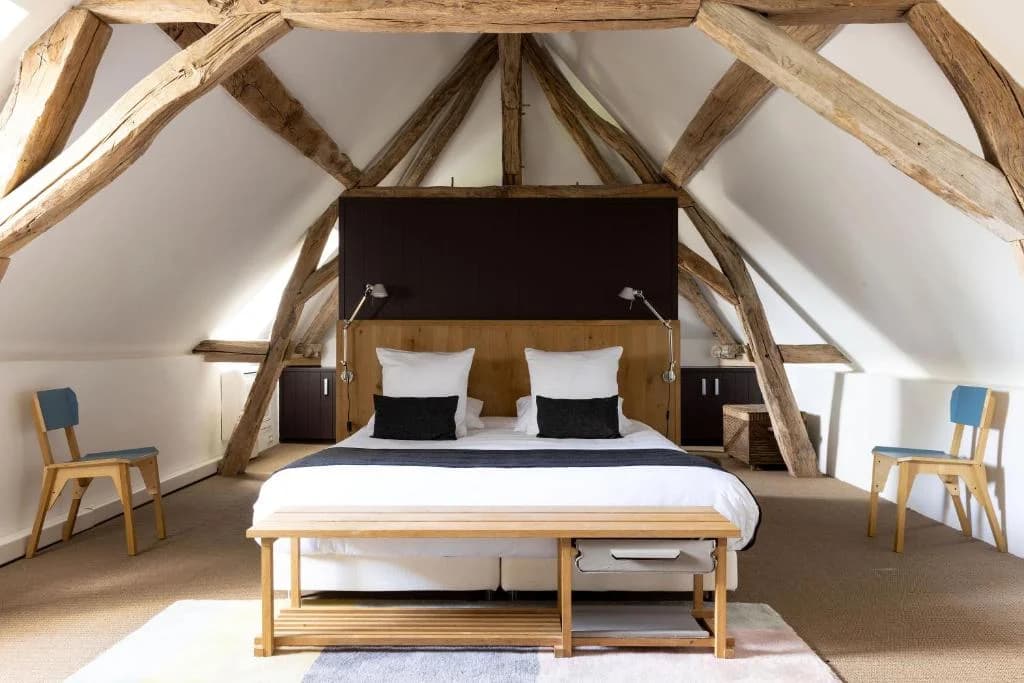
The most distinguished properties in this town are typically small-scale, often boutique hotels of fewer than forty rooms, where the suite inventory is limited and the design sensibility reflects the broader art-collecting culture of the clientele. Expect architectural interiors referencing Flemish modernism, carefully sourced furniture, and a kitchen philosophy grounded in Belgian produce: North Sea fish, regional charcuterie, Belgian cheeses, and the country's exceptional beer and natural wine selections.
Several properties in Knokke-Heist operate private beach concessions or have formal relationships with nearby private beach clubs, which is a meaningful amenity in this context. The beach culture here is organized and club-oriented rather than open and informal, so suite guests who want direct beach access should confirm these arrangements at the time of booking.
How to choose the right luxury suite in Knokke-Heist
The primary consideration for suite selection in Knokke-Heist is orientation and proximity. The town is compact, but the difference between a suite with a direct dune view, a garden-facing room in Het Zoute, and a sea-view room on a higher floor above the coast road is significant in experiential terms. Each configuration suits a different travel intention.
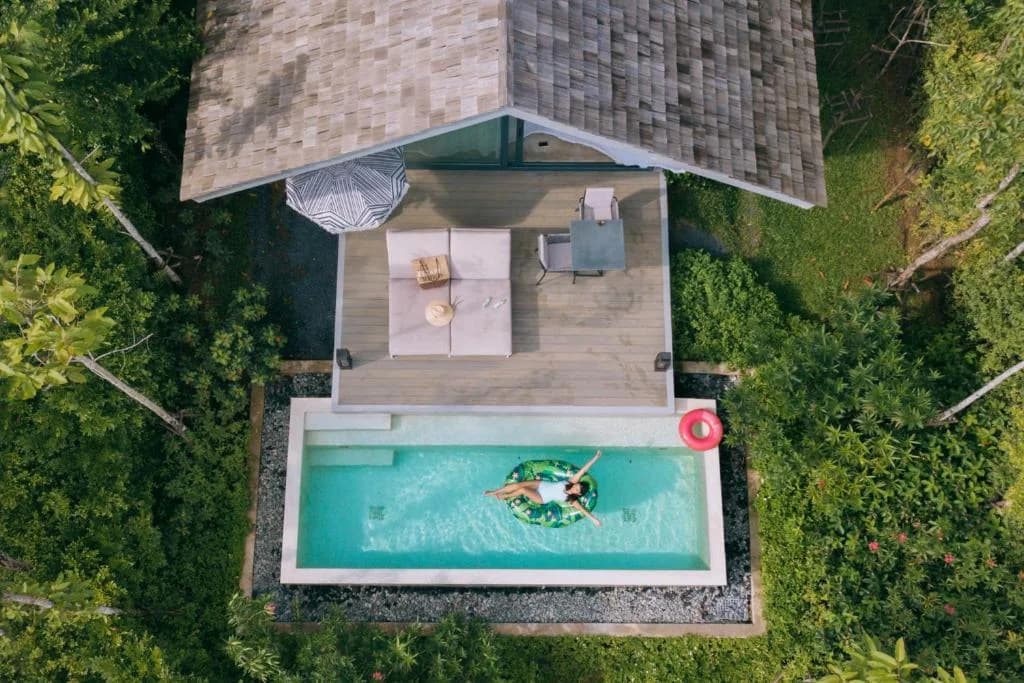
For guests traveling with children, the flat topography of the town and the proximity of the beach make a ground-floor or villa-style suite with private outdoor space particularly practical. For couples or solo travelers, an upper-floor suite with a terrace facing west toward the coast offers the most direct engagement with the North Sea light, which changes character substantially from morning to evening.
Design-oriented travelers should pay specific attention to the architectural period of the property. Knokke-Heist contains a range of building types, from interwar brick villas to 1960s and 1970s concrete modernism and more recent contemporary constructions. Each carries a distinct spatial and atmospheric quality. The right choice depends on whether the guest is seeking historical texture or a clean, contemporary frame.
Practical notes worth considering: parking in Het Zoute is manageable but not unlimited, and many guests arrive by private car from Brussels, Ghent, or Amsterdam. The town is not well served by public transport for the final connection, so suite guests arriving by train to the Knokke station should confirm transfer arrangements with the property in advance.
The value of curation in a market of this scale
Knokke-Heist is not a large hotel market. The total inventory of genuinely high-quality properties is limited, and within that inventory, the number of suites that meet the standards expected by a discerning traveler is smaller still. In a market of this size, generic booking platforms offer limited discrimination: properties are ranked by volume metrics rather than by the quality of the suite experience, the coherence of the design, or the standard of service.
La Suite's curated selection for Knokke-Heist is built on direct knowledge of the properties, the suites, and the experiential standards they deliver. For a destination where the wrong choice is genuinely easy to make, and where the right choice produces a meaningfully different stay, that level of editorial discrimination has direct practical value. The curated selection by La Suite removes the noise and presents only the suites that justify the investment.