Where to stay in Bosnia and Herzegovina for a luxury suite experience
Sarajevo and the urban core
Sarajevo functions as the country's cultural and architectural center. Its historic Bascarsija quarter, shaped by four centuries of Ottoman urban planning, sits adjacent to Austro-Hungarian boulevards and modernist districts from the Yugoslav era. The city's layering of civilizations makes it one of the most architecturally complex capitals in southeastern Europe. Suites in this context tend to occupy either restored heritage buildings or contemporary properties designed with deliberate sensitivity to the surrounding urban fabric. Expect rooftop terraces with views across the valley, interiors that reference local craft traditions, and proximity to institutions such as the National Museum and the Sarajevo City Hall.
Mostar and Herzegovina
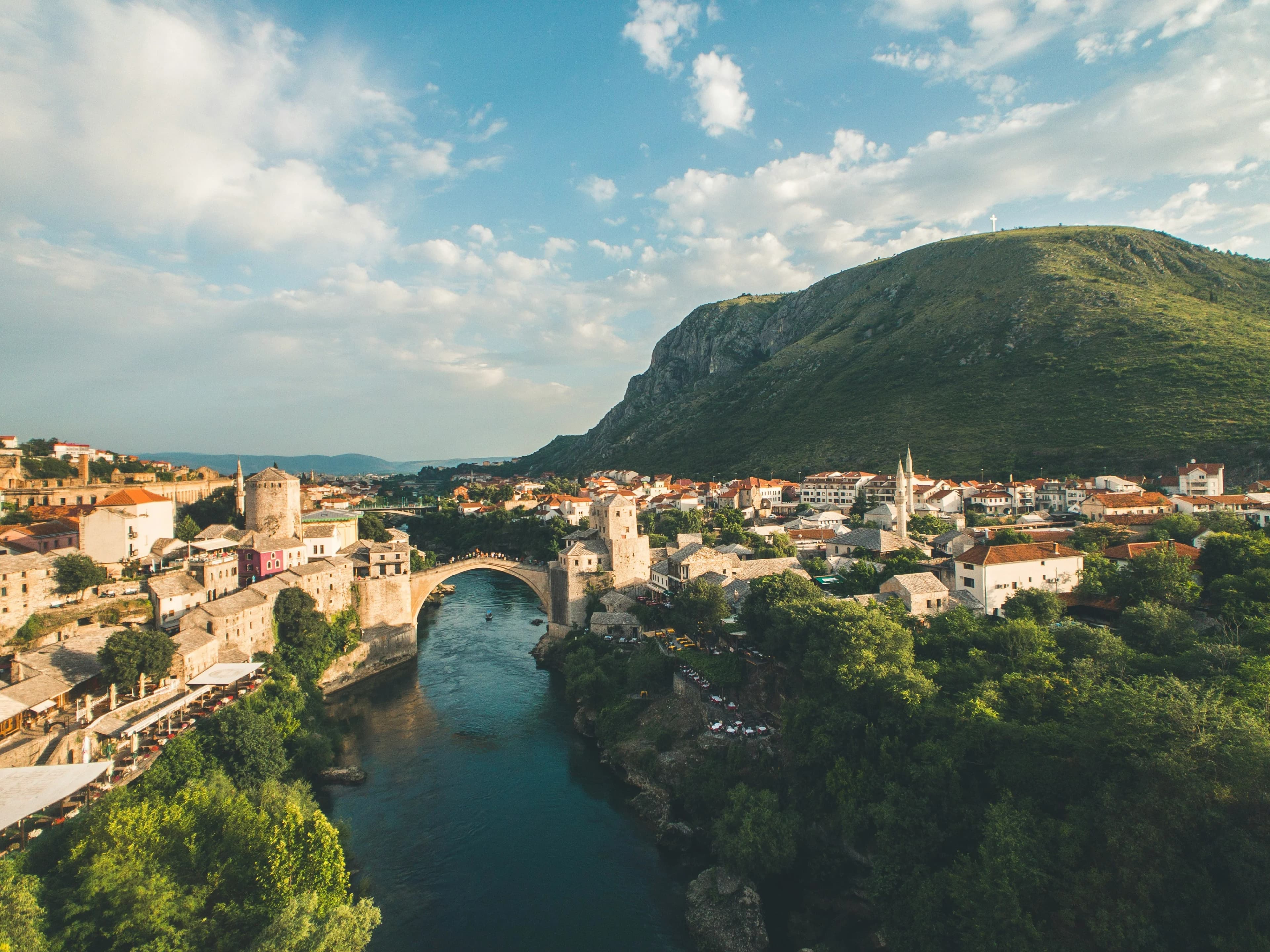
The southern region of Herzegovina operates under a different climate and cultural logic. The city of Mostar, positioned on the Neretva River, is defined by its 16th-century stone bridge, the Stari Most, and a surrounding old town that retains much of its original scale and material character. The landscape here is karst: limestone plateaus, deep river canyons, and a Mediterranean influence that brings warmer temperatures and a drier atmosphere than the north. Luxury accommodation in this region increasingly takes the form of boutique properties integrated into the old urban tissue, prioritizing architectural authenticity over scale.
The Dinaric Alps and mountain retreats
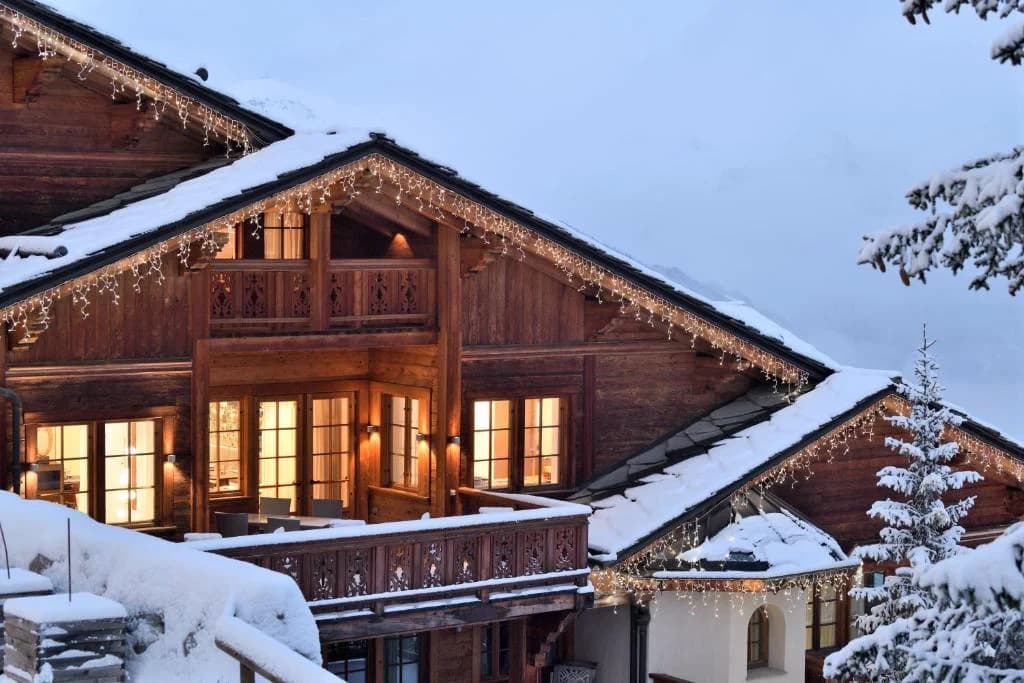
The interior mountain zones, including areas around Bjelasnica and Jahorina, offer a contrasting proposition. These highlands were developed as ski destinations for the 1984 Winter Olympics and retain functioning resort infrastructure. Contemporary investment has introduced properties with spa facilities, ski-in access, and suite-level accommodation suited to both winter sports and summer hiking seasons. The landscape in these areas is expansive, with altitude providing a sensory shift from the urban south.
When to visit Bosnia and Herzegovina for a luxury stay
Bosnia and Herzegovina has pronounced seasonal variation, and timing a visit with intention matters for both comfort and cultural access.
Late spring, specifically May and June, delivers mild temperatures across most of the country, full river levels ideal for the dramatic canyon landscapes near Mostar and the Una River, and the opening of mountain road access. This is arguably the most photogenic period, with wildflowers across the highland plateaus and consistently clear light.
Summer, from July through August, is the peak tourist season in Mostar and Sarajevo. Temperatures in Herzegovina can reach 35 degrees Celsius or above. Suite availability at the better properties tightens considerably during this window, and advance reservation is necessary. The Sarajevo Film Festival, held annually in August, draws international visitors and creates a specific cultural context for travel to the capital.
Autumn, from September through October, reduces visitor volume while maintaining favorable conditions across most of the country. The mountain forests shift color substantially during October, making the highland regions particularly compelling for those with an eye toward landscape and landscape photography.
Winter travel, from December through February, is oriented primarily toward the mountain resorts. Jahorina and Bjelasnica offer downhill skiing at competitive price points relative to Alpine equivalents, with suite accommodation available in modern resort properties. Sarajevo in winter carries a quiet, atmospheric quality that rewards visitors who are less reliant on outdoor activity.
Local luxury standards: what to expect from top-tier suites in Bosnia and Herzegovina
Bosnia and Herzegovina does not operate within any formal national classification system equivalent to the French Palace designation or the Italian Relais and Chateaux framework. The country's luxury hospitality infrastructure is developing, with a growing number of boutique properties pursuing international quality standards independently rather than through national certification.
The most credible markers of quality in this context are: membership in or alignment with recognized European hospitality associations, physical evidence of considered architectural restoration rather than superficial renovation, the sourcing of materials and furnishings with traceable regional provenance, and service standards that reflect genuine local knowledge rather than generic hospitality conventions.
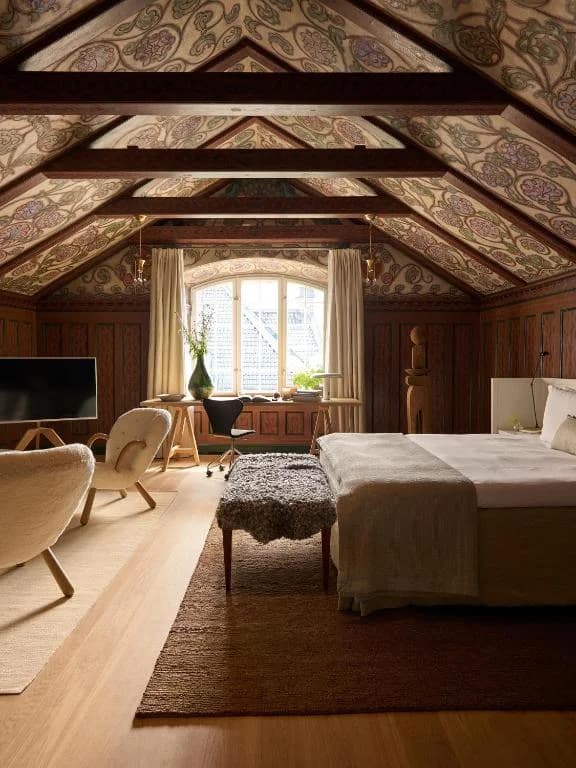
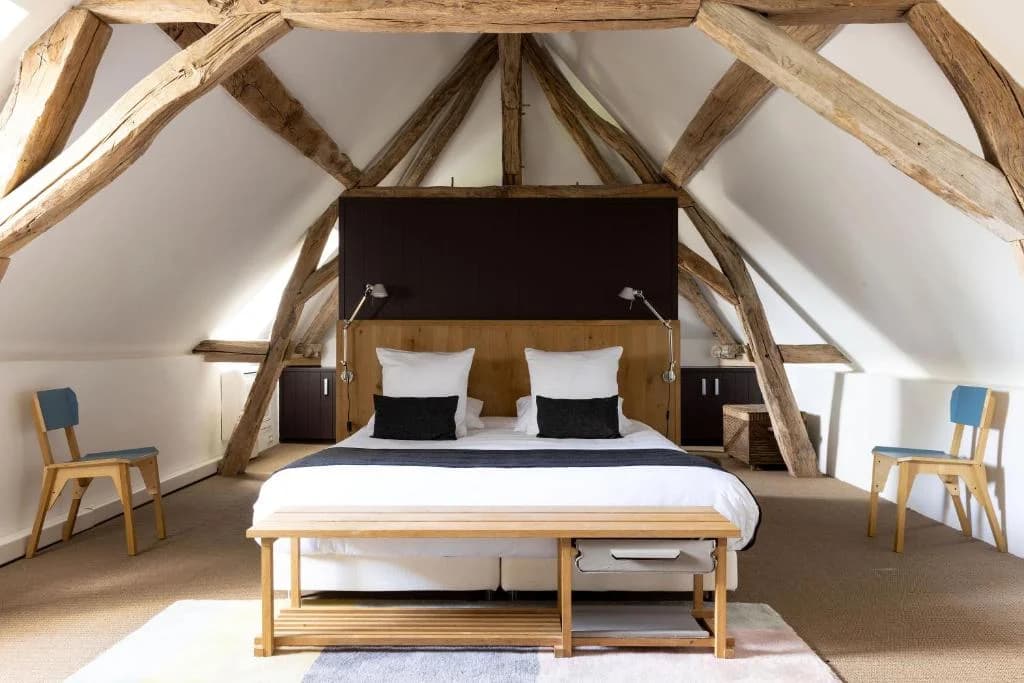
Suites in the strongest properties here typically feature locally sourced stone or timber detailing, hand-produced textile work from Bosnian craft traditions, and, in Sarajevo in particular, views that frame the city's complex topography. The best properties understand that authenticity is the primary luxury offering in this market, not scale or imported brand prestige.
How to choose the best luxury suite in Bosnia and Herzegovina
Several practical considerations shape the suite selection process in this country specifically.
Architecture type is the primary variable. The choice between an Ottoman-era restored structure, an Austro-Hungarian building adapted for contemporary hospitality, and a purpose-built modern property in a mountain resort represents three fundamentally different experiences. Each carries different material qualities, different acoustic profiles, different relationships to their surrounding context.
Connectivity and access matter more here than in more developed luxury markets. Some of the most architecturally interesting properties in Mostar and its surroundings are positioned within pedestrian-only historic zones, which affects luggage logistics and vehicle access. Mountain properties require consideration of road conditions in winter months.
Size and staffing ratios in Bosnian boutique properties tend to be intimate. Suites in smaller heritage properties may offer highly personalized service but with fewer of the amenity categories (full spa, multiple dining concepts, in-house concierge with international reach) that larger urban luxury hotels provide. Clarifying which category of experience aligns with your priorities before booking prevents misalignment.
Language competency at the property level varies. The strongest properties maintain staff capable of operating fluently in English and at least one additional European language, which simplifies logistical coordination during the stay.
Why curated selection by La Suite matters in Bosnia and Herzegovina
Bosnia and Herzegovina's luxury hospitality market is not extensively indexed by the major international booking platforms. Many of the most considered properties in the country operate with limited digital presence relative to their actual quality, and several function with allocation models that prioritize direct or relationship-based reservations over open online inventory.
La Suite's curation process involves direct property assessment rather than reliance on aggregated review data. In a market like Bosnia and Herzegovina, where the gap between marketed presentation and actual suite quality can be significant in either direction, this distinction matters. The curated selection by La Suite identifies the properties that demonstrate genuine architectural merit, coherent service philosophy, and suite-level accommodation that meets the standards expected by experienced international travelers. The result is a navigable shortlist rather than an undifferentiated inventory, which is the appropriate tool for a destination of this complexity and potential.