Where to stay on Hvar: understanding the island's distinct zones
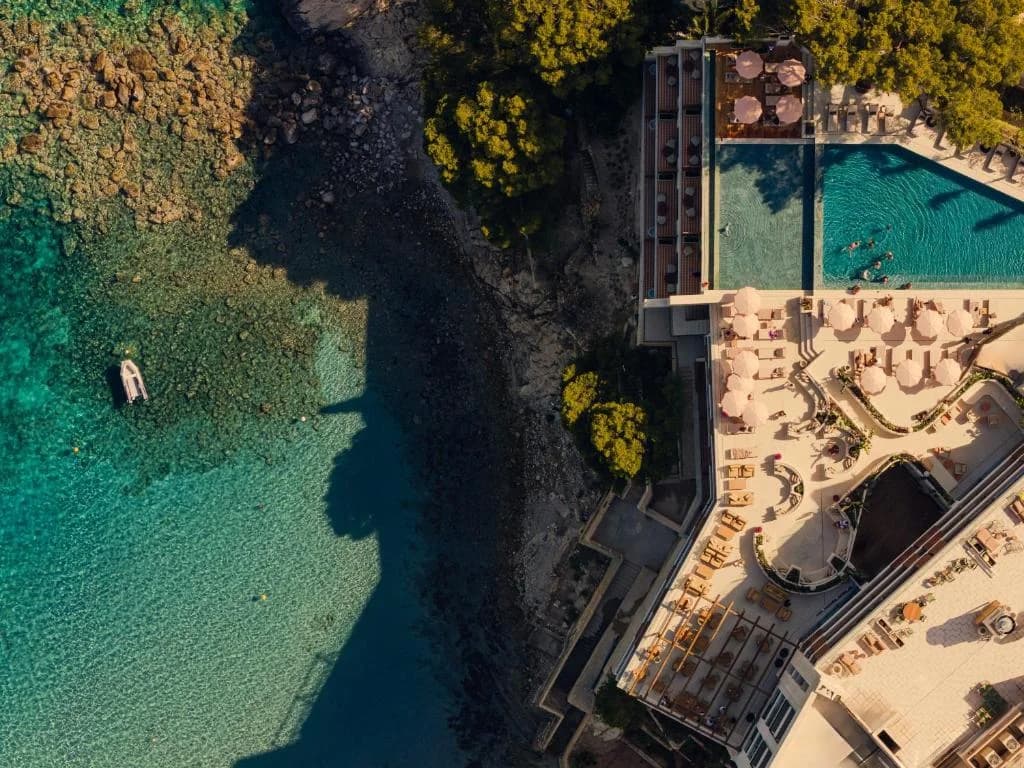
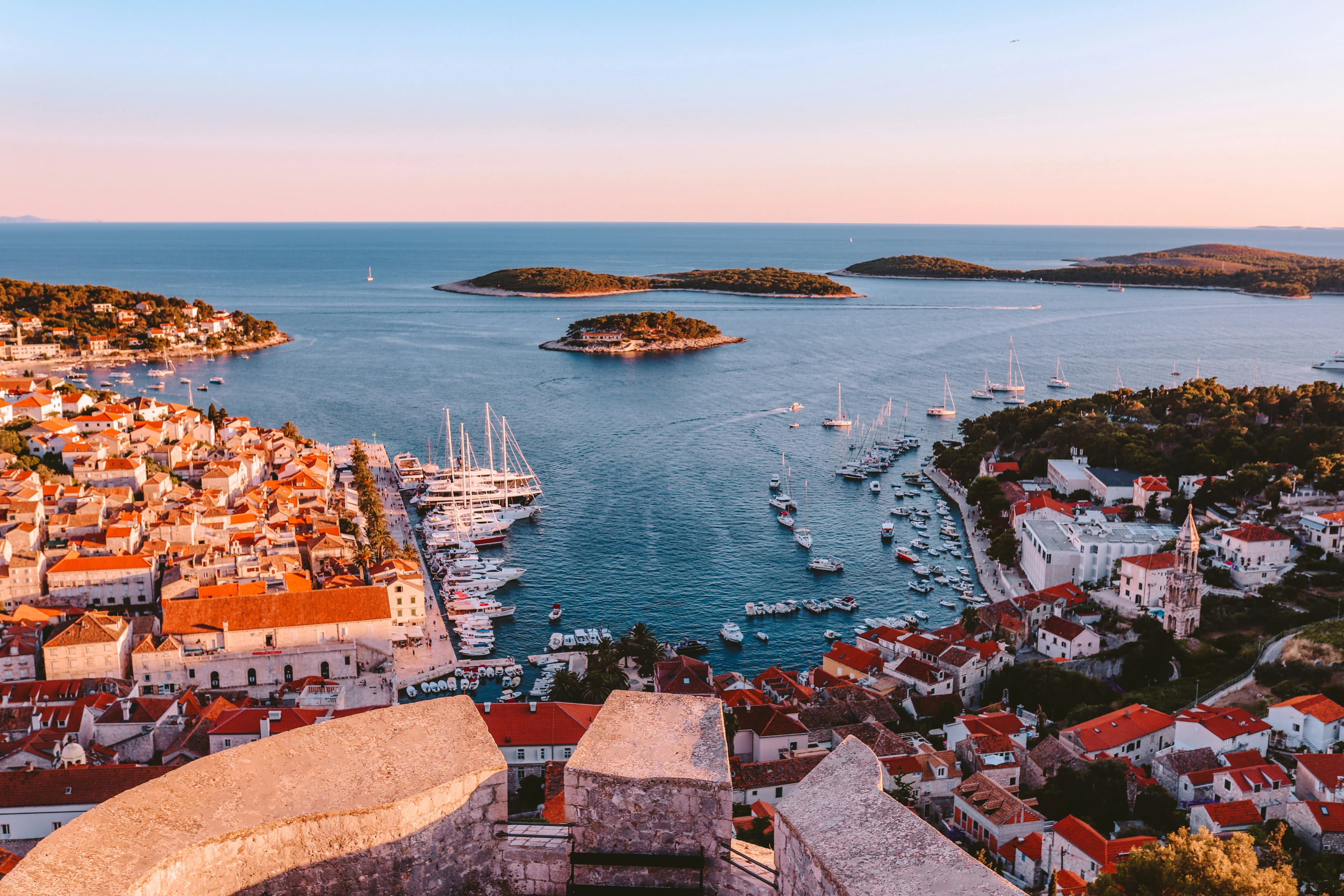
The Pakleni Islands, a short water taxi ride from the main harbour, offer a quieter counterpoint. Guests based in Hvar town frequently use these small, wooded islets as a daytime retreat, and a suite with private transfer access makes this rhythm practical rather than aspirational.
The eastern end of the island, around Jelsa and Vrboska, operates at a markedly different pace. These towns are smaller, their architecture less ornamented, and the surrounding vineyards and olive groves define the landscape. For travelers prioritising space and quiet over social proximity, suites in this zone offer a fundamentally different kind of Adriatic experience.
Stari Grad, on the northern coast, holds a UNESCO-designated plain behind it: the Stari Grad Plain, a working agricultural landscape that has remained largely unchanged since its Greek colonial origins in the fourth century BC. Proximity to this area lends a particular gravity to a stay, beyond the usual vocabulary of sea and sun.
When to visit Hvar for a luxury suite stay
The island's peak season runs from late June through August, when temperatures regularly exceed 30 degrees Celsius and the harbour fills with charter yachts. Suite availability during this period is limited, and rates reflect that constraint. Advance planning of three to six months is a practical baseline for the summer window, particularly for properties with private terraces or sea-facing positions.
May and September are increasingly preferred by experienced travelers. The light in these months is less harsh, the sea temperature remains warm from late August onwards, and the island's restaurants and cultural spaces are more accessible. The lavender harvest, which takes place in late June and early July, draws a specific kind of visitor and provides a sensory context that the high season crowds tend to obscure.
October marks a quieter transition. Many properties reduce operations toward the end of the month, but those that remain open offer a substantially different island: emptier roads, cooler evenings, and a local rhythm that reasserts itself once the charter season ends.
Local luxury standards: what to expect from top-tier suites in Hvar
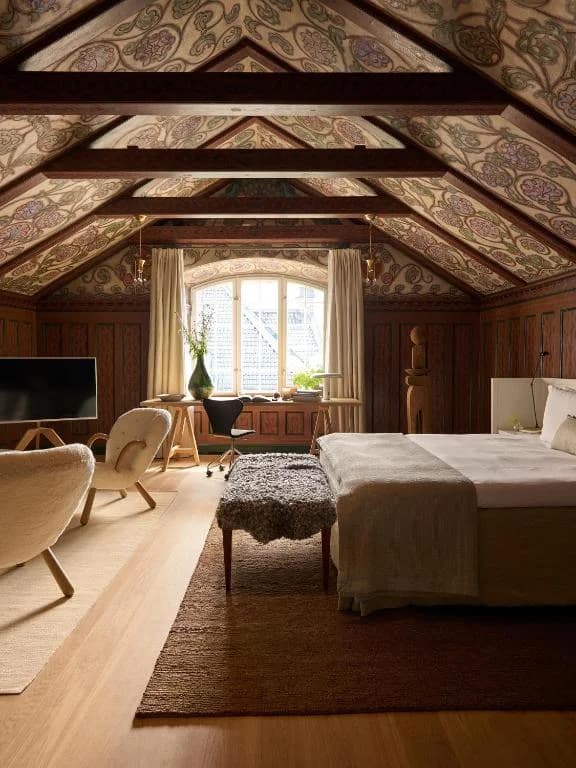
Croatia does not operate an official Palace classification equivalent to the French system, but the island has developed its own hierarchy of hospitality. The most considered properties on Hvar tend to fall into two categories: restored heritage buildings, often former patrician residences or ecclesiastical structures converted with architectural sensitivity, and purpose-built boutique hotels positioned for maximum privacy and sea access.
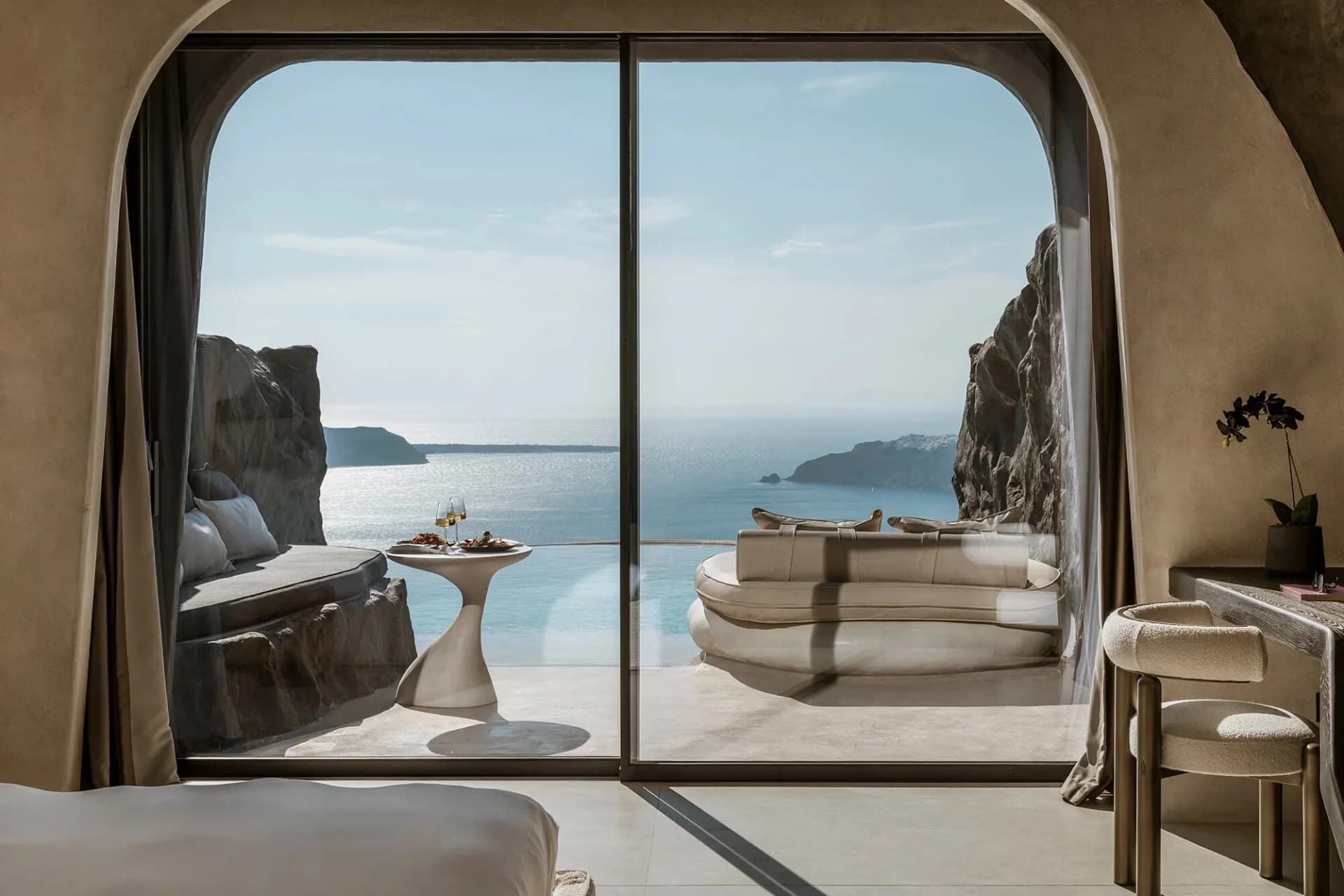
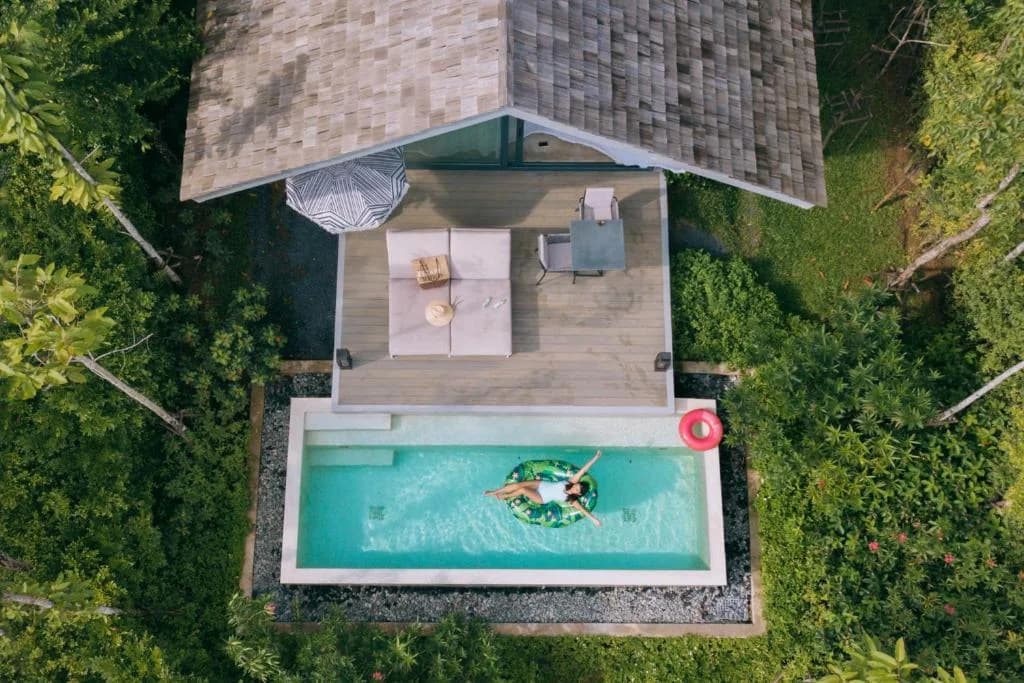
In the highest-tier suites, the baseline expectation includes private outdoor space (terrace, plunge pool, or garden), natural materials sourced from the region (local stone, hand-thrown ceramics, linen rather than synthetic textiles), and a staff-to-guest ratio that allows genuinely personalised service rather than transactional hospitality.
The Croatian culinary context adds a specific dimension. The island's food culture is built around local seafood, Dalmatian olive oil, and indigenous grape varieties including Plavac Mali, the robust red grown on the island's steep southern slopes. Suites in Hvar that integrate serious dining or private chef arrangements are leveraging a regional larder that warrants that attention.
How to choose the right suite in Hvar
The first variable is orientation. North-facing properties look toward the mainland and the mountain backdrop of the Biokovo range. South-facing suites open toward the Pakleni Islands and the open Adriatic. The light quality, the wind exposure, and the visual register differ substantially, and the choice should align with how a guest intends to spend their time.
The second consideration is access. Hvar town is walkable but the island is not. Properties outside the main town require a vehicle or a consistent boat arrangement to reach restaurants, beaches, and cultural sites. A suite that looks exceptional in photographs may involve logistical friction that only becomes apparent on arrival. Scrutinising transfer arrangements and the property's relationship to local transport infrastructure before booking is not pedantic; it is essential.
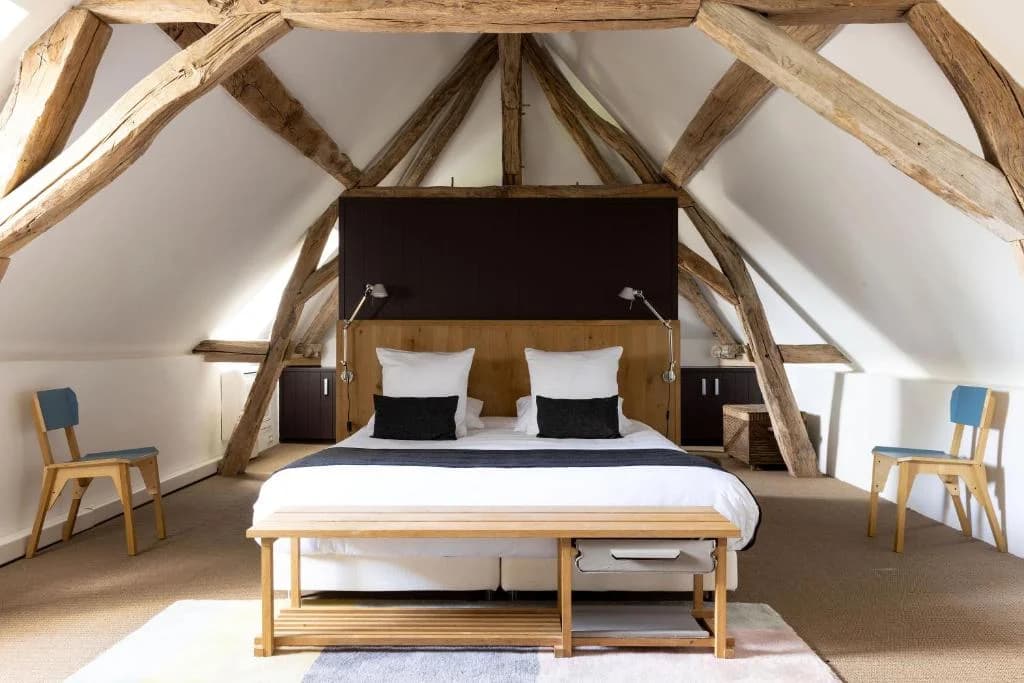
Architecture matters on Hvar in a way that it does not on more generic beach destinations. The island's built heritage is genuinely distinctive, and the best suites either inhabit it or respond to it with intelligence. A modern suite inserted into a sixteenth-century stone structure, when executed well, offers a quality of spatial experience that neither a generic resort nor a bare heritage building can replicate independently.
Finally, privacy gradients vary. Some suites on Hvar are positioned within active hotel properties with shared pools and common areas. Others are effectively private residences within a hotel framework, with separate entrances, dedicated staff, and no shared infrastructure. Clarifying this before arrival protects the quality of the stay.
Why a curated selection by La Suite matters in Hvar
The number of properties on Hvar marketing themselves as luxury has grown faster than the quality of the experience they deliver. The island's popularity, combined with relatively recent infrastructure investment, has created a spectrum that is difficult to navigate without direct knowledge of each property.
La Suite applies consistent editorial criteria across every listing: spatial quality, architectural merit, service standard, and the coherence of the overall guest experience. A curated selection by La Suite removes the interpretive labour that otherwise falls to the traveler, ensuring that the suite reserved corresponds to the standard implied.
For a destination as specific and as scrutinised as Hvar, that filtering function is not a convenience. It is the difference between an exceptional stay and an expensive disappointment.