Understanding Amboise as a luxury destination
The best areas to stay in and around Amboise
The town centre and châteaux district
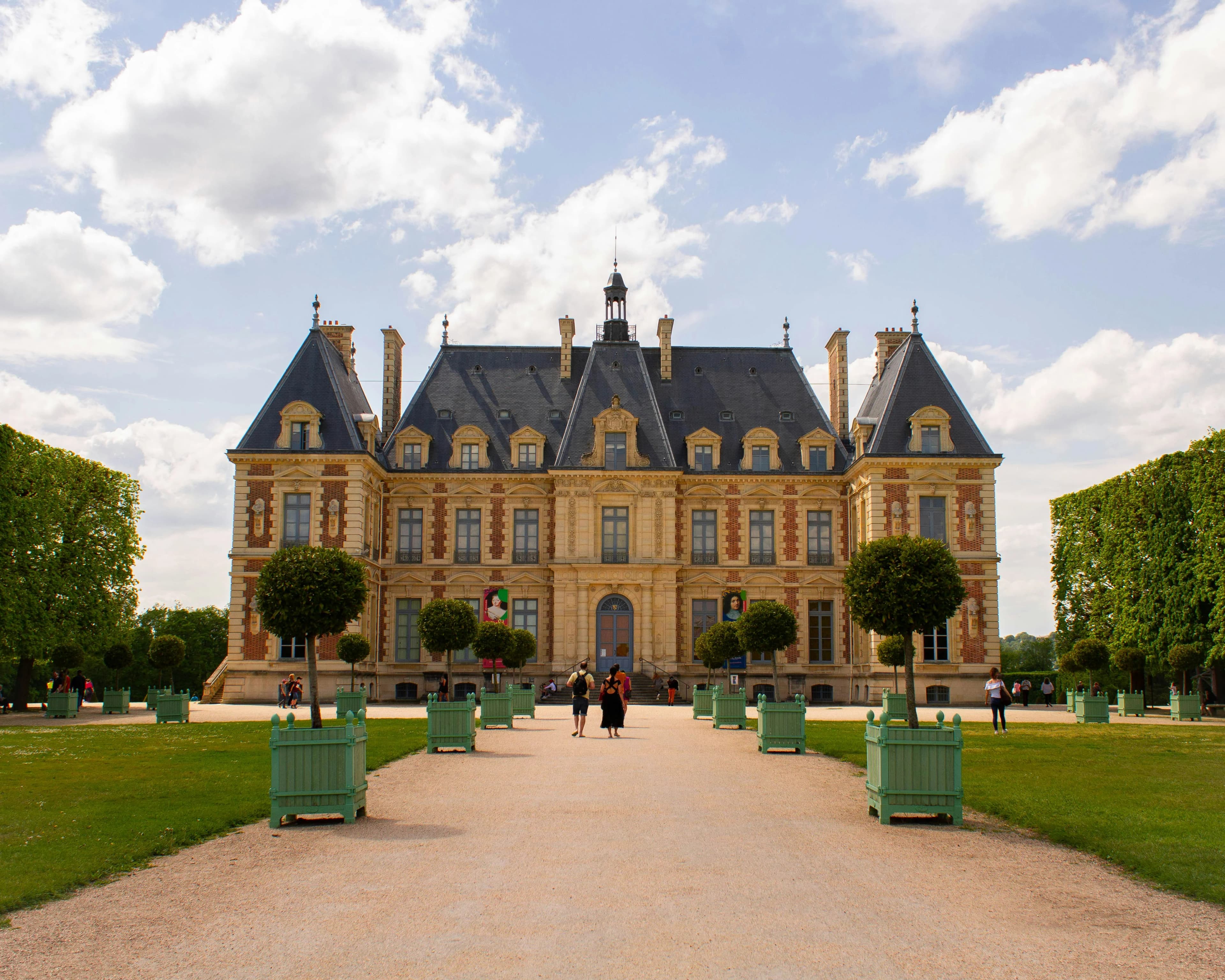
Staying within the historic core places guests within walking distance of both the Château Royal and the Clos Lucé. Properties here tend to occupy converted manor houses or tuffeau-stone town residences. The architecture is Loire vernacular: pale stone, steep slate roofs, formal gardens with box hedging. A luxury hotel suite in this zone delivers direct visual access to the château at dawn, before the town activates.
The surrounding vineyard plateau
The Touraine appellation surrounds Amboise on three sides. Several private estates and converted domaines occupy the plateau above the river, offering panoramic views across the Loire floodplain. This is the choice for travelers who prioritise spatial privacy over proximity to the historic centre. The terroir here produces Chenin Blanc, Cabernet Franc, and the local Amboise AOC wines. Staying within a vineyard property provides an additional layer of sensory immersion that a conventional hotel cannot replicate.
The Île d'Or and river edge
The island in the middle of the Loire, connected to both banks, offers a distinct relationship with the river itself. Properties on or near the water's edge engage directly with the Loire's characteristic landscape: wide sky, shifting light on broad water, and the flat meadows of the Val de Loire, a UNESCO World Heritage Cultural Landscape since 2000.
When to visit Amboise for a luxury suite stay
The Loire Valley operates on a markedly seasonal rhythm. Spring (April through June) is the primary season for suite travel in this territory. The château gardens are in active cultivation, the weather is temperate, and the Loire runs full. Rates at the finest properties reflect this demand. Summer (July and August) brings peak occupancy, notably from international visitors arriving via Paris. Advance reservation is mandatory for premium suites during these months.
September and October represent a considered alternative. The vendange (harvest) season activates across the Touraine vineyards. Temperatures remain accessible, crowds thin, and the light acquires the golden quality specific to the Loire in autumn. Several domaine properties offer harvest-season experiences that integrate the agricultural calendar of the region into the stay itself.
Winter (November through March) offers the most intimate reading of Amboise. The town retreats into its residential character. Certain properties offer reduced rates, and the absence of day-trippers allows a slower, more private engagement with the architecture and landscape. The Son et Lumière spectacle at the Château Royal, traditionally programmed in summer, does not run in this season, but the raw château in winter light has a different and arguably more affecting presence.
Local luxury standards: what to expect from top-tier properties in this territory
France operates a formal palace designation for its highest-category hotels, administered by Atout France. A palace property in the Loire Valley carries specific obligations: exceptional architecture or heritage status, a high ratio of suites to rooms, curated gastronomy, and concierge service capable of private access to cultural sites. Not all luxury hotels carry this designation, but the palace standard is the reference point against which all premium properties are evaluated in this market.
In the Amboise territory specifically, several historic châteaux operate as private hotels or maisons d'hôtes of significant standing. These are not palace-designated in all cases, but they offer a residential scale and a depth of historical character that a large urban hotel cannot provide. The distinction between a luxury suite in a restored Renaissance manor and one in a contemporary property is not simply aesthetic. It determines the entire sensory and spatial logic of the stay.
Tuffeau stone construction is endemic to this region. It is a soft, creamy limestone quarried from the Loire valley floor, used for every major Renaissance monument in the Touraine. Rooms and suites in tuffeau properties carry a specific acoustic quality (quiet, slightly absorbent) and a temperature consistency that makes them naturally cool in summer. This is a material quality worth understanding before selecting a property.
How to choose the right luxury suite in Amboise
The primary distinction in this market is between properties with château heritage status and contemporary conversions. Heritage properties offer architectural depth, original features (stone fireplaces, coffered ceilings, formal staircases), and the spatial logic of Renaissance or classical French design. They also carry the operational constraints of listed buildings: renovation is complex, and certain modern amenities are more difficult to integrate. Contemporary conversions and newer boutique properties offer more predictable comfort infrastructure but a shallower relationship with place.
A second consideration is aspect. Properties with views of the Loire or the Château Royal offer a visual context that is intrinsic to the Amboise experience. Inland properties, set within vineyards or forest, offer a more introverted and private proposition. Neither is superior. The choice depends on whether the traveler wishes to read the destination through its landscape or retreat from it.
Suite size in this territory is often defined by the original room plan of a historic building. Wing suites in converted châteaux can be exceptionally generous. Tower rooms, while atmospheric, may be spatially compact. Clarifying the actual floor plan before confirmation is a practical step that avoids misalignment between expectation and delivery.
Why a curated selection by La Suite matters in Amboise
Amboise is a small city with a limited and highly varied luxury hotel offer. The range extends from historic château properties of serious architectural standing to smaller maisons d'hôtes that market themselves as luxury without meeting the spatial or service standards that the designation implies. The distinction is not always visible in standard booking interfaces, which prioritise price and availability over editorial quality.
La Suite approaches this market as an editorial exercise, not an aggregation. Every property in the curated selection has been assessed against consistent criteria: spatial quality of the suite itself, architectural or design integrity, service precision, and the property's relationship to its specific location in this territory. For a city where the number of genuinely exceptional suites is finite, this filtering has direct practical value. It reduces the noise and identifies the properties that deliver on the promise of a Loire Valley luxury stay at the level that the destination, and the traveler, deserve.