Where to stay in Burgundy for a high-end suite experience
The Côte d'Or: the epicentre of Burgundian prestige
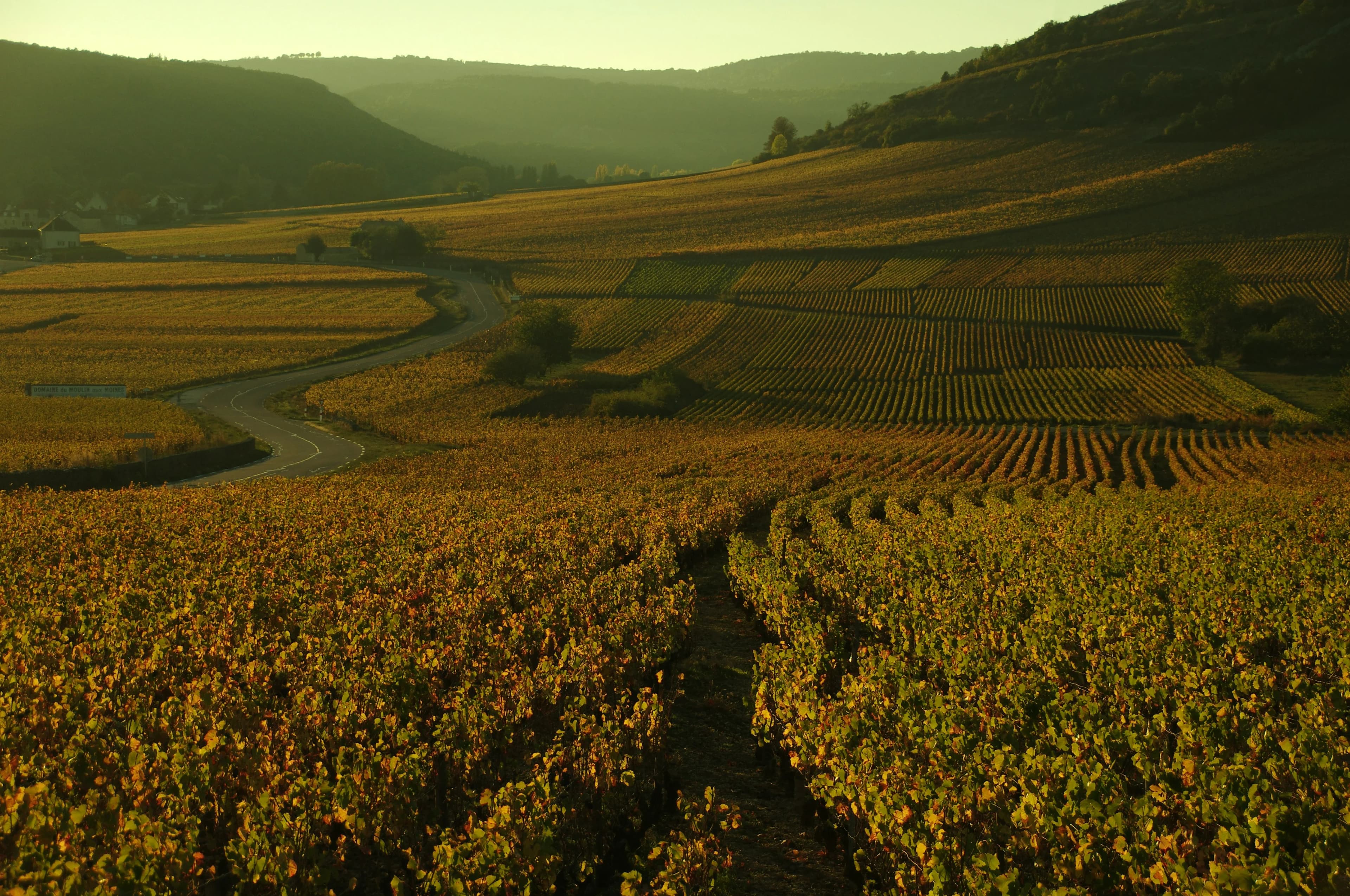
The Côte d'Or, running roughly from Dijon south to Santenay, is the most concentrated expression of Burgundian excellence. The Côte de Nuits, the northern half, contains Gevrey-Chambertin, Morey-Saint-Denis, and Chambolle-Musigny, appellations that carry a global reputation disproportionate to their modest acreage. The Côte de Beaune, anchored by Beaune itself, offers a slightly more open landscape and a richer concentration of historic hospitality infrastructure. Properties here tend toward the architectural: converted hôtels particuliers, former religious foundations, and manor houses set within their own domaines. A luxury hotel suite in this corridor places you within walking distance of vineyards that produce some of the most scrutinised wines on earth.
The Châtillonnais and the north: a quieter register
The northern reaches of Burgundy, around Chablis and the Châtillonnais plateau, offer a different proposition. The landscape is more austere, the light cooler, the pace slower. Chablis produces wines of mineral precision that reward the kind of attention that only unhurried travel allows. Properties here are fewer and more discreet, making the area well suited to travellers who prioritise seclusion over proximity to wine-route infrastructure.
The Mâconnais and southern Burgundy
Toward the south, Burgundy softens. The Mâconnais hills introduce a warmer palette, with villages built in golden stone and a landscape that anticipates Provence without quite surrendering the northern reserve. The area around Cluny, home to one of medieval Europe's most significant abbeys, attracts culturally motivated travellers as much as oenophiles. Luxury hotel suites in this area tend to be integrated into historic rural estates, where the architecture is as much a part of the experience as the surrounding countryside.
When to visit Burgundy for a luxury suite stay
Burgundy's calendar is governed by its vineyards, and the most discerning travellers time their visits accordingly.
The harvest season, running from late September through October, is the most atmospheric period. The vineyards shift from green to amber and rust, and the activity of the vendange gives the region a purposeful energy. Suite availability at the leading properties contracts significantly during this window, and rates reflect the demand. Advance planning of three to six months is standard for October stays at the most sought-after addresses.
Late spring, from mid-May through June, offers ideal conditions: the vines are in active growth, the weather is mild, and the major cultural events of the Beaune calendar are either approaching or under way. The Hospices de Beaune wine auction, held each November on the third Sunday of the month, is the most financially significant charity wine sale in the world and draws a global audience of négociants, collectors, and press. Hotels within Beaune and the surrounding villages reach capacity weeks in advance.
July and August bring warmth and extended daylight but also the highest density of visitors. Travellers seeking privacy and the full attention of a property's hospitality team often find May, June, or September to be more rewarding choices. Winter, from December through February, sees many smaller properties close entirely, though a handful of the region's more substantial hotels maintain year-round operations and offer rates that reflect the quieter season.
Understanding luxury standards in Burgundy
The French Palace classification
France operates a formal tier above the five-star category: the distinction of Palace, administered by Atout France, the national tourism agency. To qualify, a property must meet criteria covering architecture, service standards, surface area of suites, and the ratio of staff to guests, among other factors. In Burgundy, the Palace designation is rare, which itself signals something about the region's hospitality character. The finest addresses here tend toward intimacy and depth of local knowledge rather than the scale associated with Parisian palace hotels.
What defines a top-tier suite in Burgundy
The leading luxury hotel suites in Burgundy share several characteristics. Space is generous but never gratuitous: rooms are proportioned to the architecture of the building rather than inflated to meet a square-footage benchmark. Materials are regional where possible, with limestone, oak, and local textiles appearing in considered interiors. The cellar is treated as a serious asset, with sommeliers who hold working relationships with the domaines whose wines appear on the list. Breakfast, often underestimated, is taken seriously: it is the meal that sets the pace of a Burgundian day.
Many of the region's most distinguished properties are classified as historic monuments or are located within classified vineyard landscapes. This imposes constraints on renovation and expansion that, counterintuitively, tend to produce more coherent and characterful interiors than purpose-built luxury hotels.
How to choose the best luxury suite in Burgundy
Several practical considerations apply specifically to Burgundy that may not surface when selecting a suite in a more cosmopolitan destination.
Location relative to the wine routes matters more here than in most regions. The D974, which threads through the Côte d'Or villages, is the primary axis of wine tourism, and properties on or near it offer the most immediate access to the most celebrated vineyards. However, proximity to this road can also mean exposure to the tourist infrastructure that surrounds it. Properties set back from the main route, in the villages rather than on the highway, often offer a more immersive experience at comparable or lower rates.
Consider whether a property has its own vineyards or a formal relationship with a local domaine. Several of Burgundy's finest hotels are either attached to wine estates or operate with exclusive arrangements that give guests access to cellar visits and private tastings that are not available to the general public. This is a meaningful differentiator in a region where access to the best producers is otherwise difficult to obtain.
Architecture is another axis of choice. Burgundy offers a range of built environments: Cistercian abbeys converted into hotels, Renaissance châteaux, 18th-century maisons de maître, and a smaller number of contemporary interventions by architects who have worked carefully within the landscape. Each type produces a different sensory register. The choice between sleeping within a medieval cloister or a light-filled modern structure is not a question of quality but of the kind of experience you intend to construct.
Why a curated selection by La Suite matters in Burgundy
The luxury hotel market in Burgundy is not large, but it is uneven. A small number of properties operate at a genuinely exceptional level. Others trade on the region's reputation without matching it in service, cuisine, or the quality of their suite interiors. The gap between a property that understands Burgundy and one that merely occupies it is perceptible within hours of arrival.
La Suite's editorial approach to Burgundy applies the same criteria that govern every destination on the platform: architectural coherence, the quality of the suite as a spatial experience, the depth of the property's relationship with its local context, and the standard of personalised service. In a region where the finest experiences are often the least publicised, curation is not a convenience. It is the mechanism by which the right property reaches the right traveller.