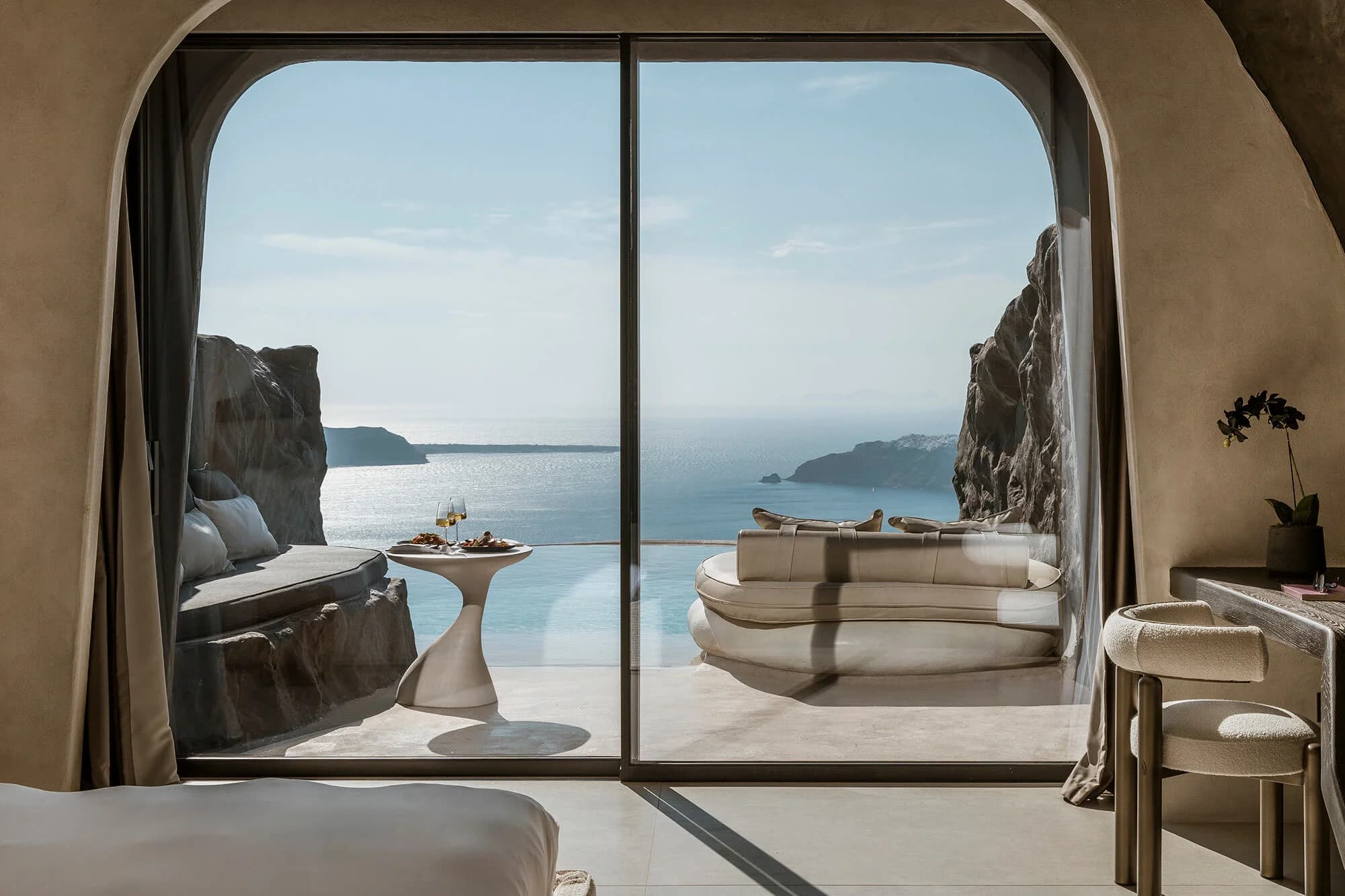
The distinct zones of Corsica and where luxury stays concentrate
The southern coastline: Bonifacio and the Alta Rocca
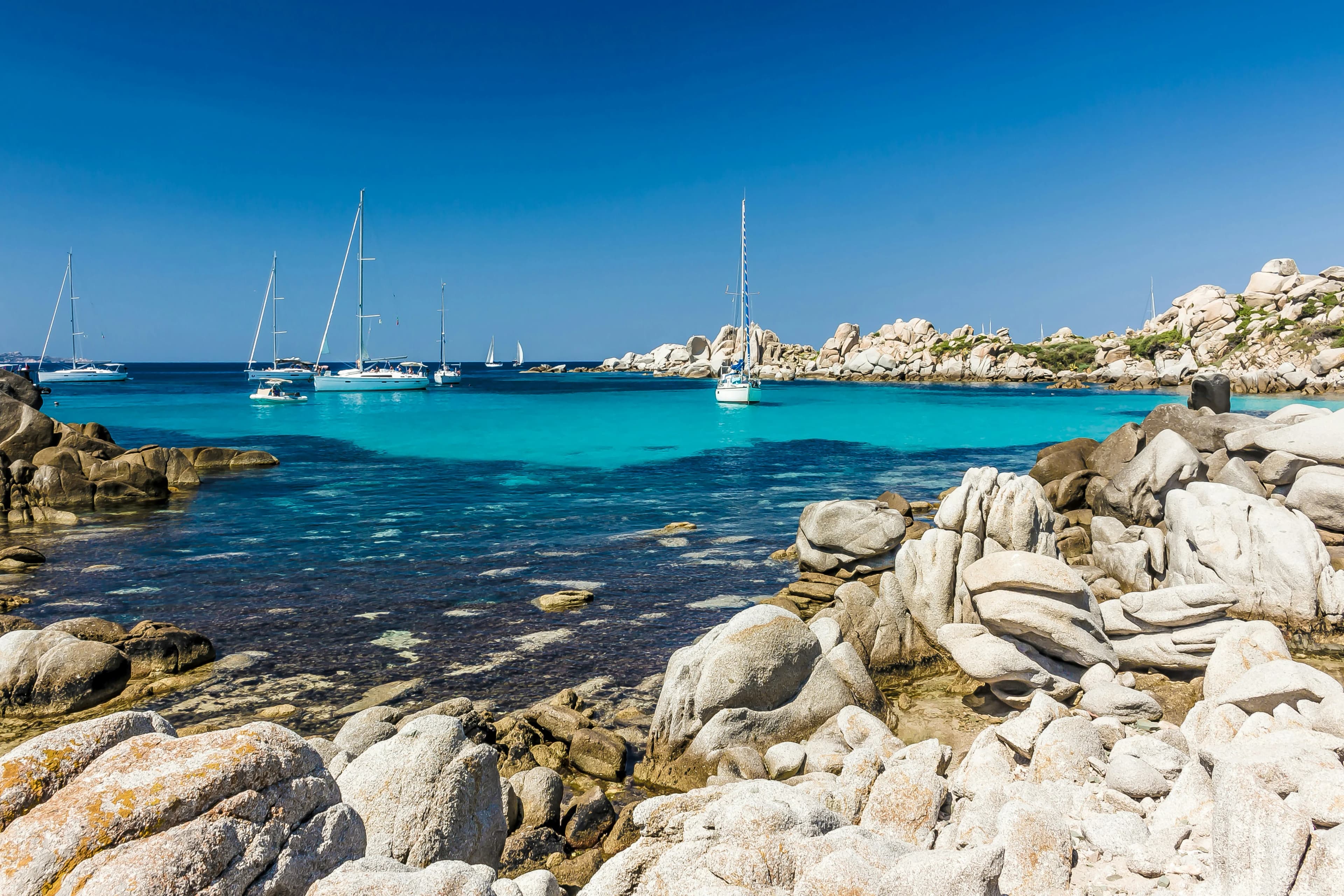
The southern tip of the island operates at the highest concentration of premium hospitality. Bonifacio, perched on white limestone cliffs above the Strait of Bonifacio, functions as Corsica's most architecturally singular setting. The town is compact, medieval, and difficult to expand, which keeps accommodation volumes low and exclusivity high. The surrounding Alta Rocca hinterland offers a counterpoint: granite villages, chestnut forests, and properties that prioritise total isolation over sea-facing drama. Stays in this zone suit travelers for whom privacy is a non-negotiable parameter.
The Gulf of Porto-Vecchio
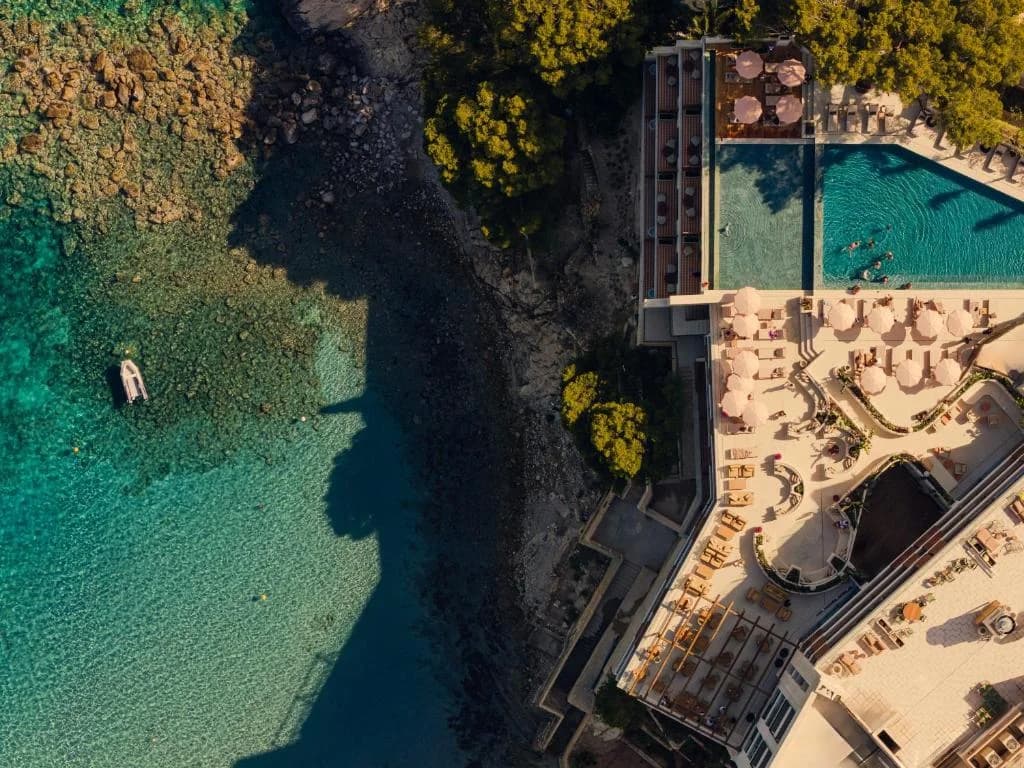
Porto-Vecchio and its surrounding gulf represent Corsica's most developed luxury corridor. The beaches at Palombaggia and Santa Giulia attract a Mediterranean clientele with high expectations for both natural environment and service quality. Properties in this zone tend toward the resort model, with suites designed to maximise terrace space and sea orientation. The infrastructure is comparatively reliable, making it the most logistically straightforward entry point for first-time visitors arriving by air.
Cap Corse and the northern interior
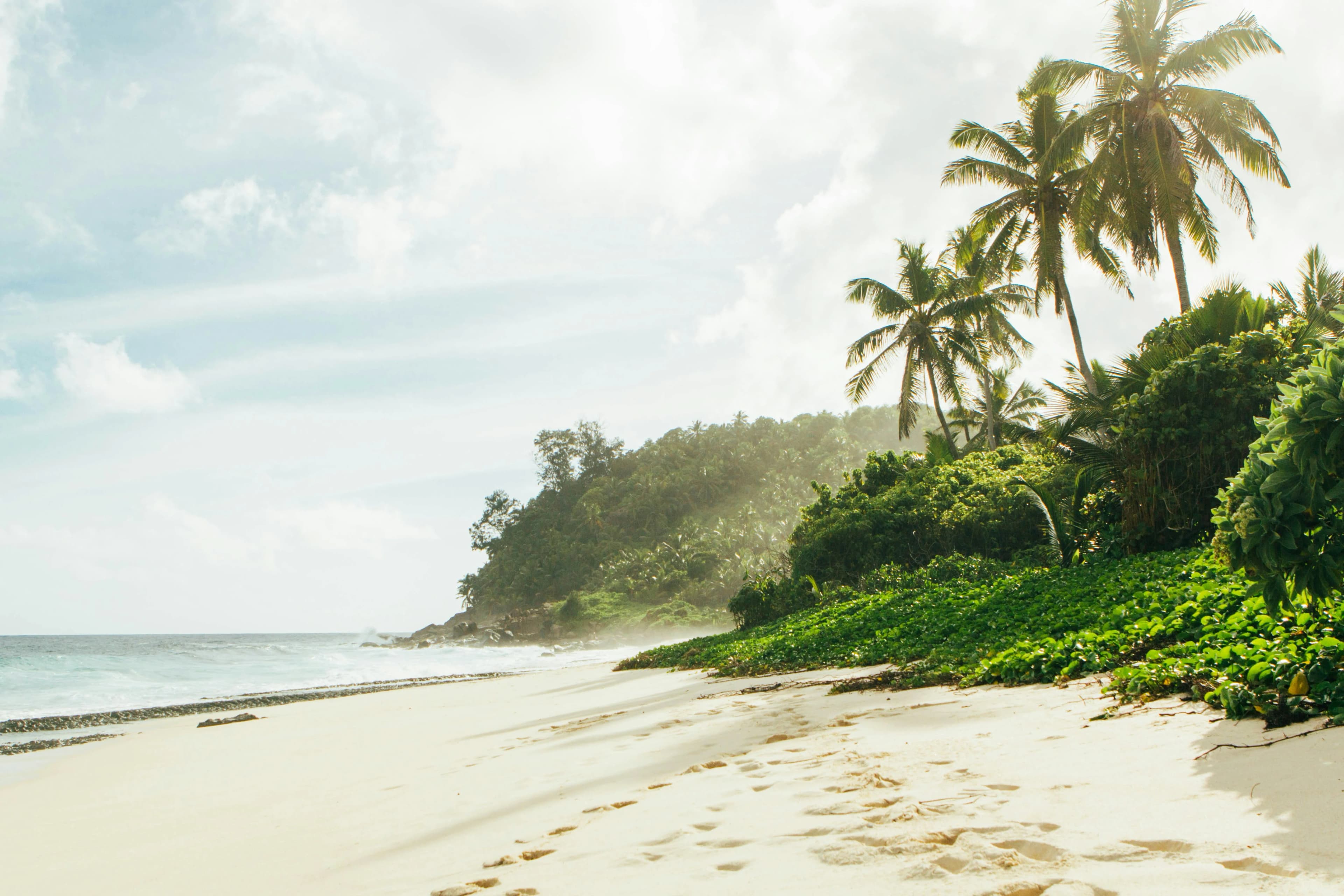
The northern peninsula of Cap Corse remains among the least commercialised coastlines in the western Mediterranean. Properties here are fewer in number, more independent in character, and frequently housed in restored Genoese towers or maison de maître architecture. The northern interior, including the Balagne region around Calvi and L'Île-Rousse, combines a gentler coastline with a more accessible mountain backdrop. Suite offerings in this zone lean toward the intimate and design-led rather than the expansive resort format.
When to visit Corsica for a luxury suite stay
The question of timing is more consequential in Corsica than in many comparable Mediterranean destinations, primarily because the island's infrastructure operates at near-full capacity during a compressed high season.
July and August concentrate both domestic French tourism and international arrivals into an eight-week window. Suite availability at premium properties during this period requires planning that begins six to nine months in advance. Prices reach their annual peak, and the island's single-lane roads, limited ferry schedules, and high occupancy rates across all accommodation tiers combine to produce a specific kind of pressure that contradicts the premise of a quiet, spatial stay.
Late May, June, and September represent a significantly more considered window. Temperatures are warm enough for swimming, the maquis is in full aromatic condition, ferry and flight options remain multiple, and premium properties operate at a pace that allows genuine attention to individual guests. October extends the viable season further, particularly for interior and mountain-adjacent stays where the landscape shifts into copper and amber tones.
There are no major international luxury events on the Corsican calendar of the kind that drive suite demand in Monaco or Saint-Tropez. The island's rhythm is seasonal and natural rather than event-driven, which suits a certain type of traveler precisely.
Local luxury standards: what defines a premium suite in Corsica
France applies its Palace designation to a small number of extraordinary urban properties on the mainland, but Corsica operates outside that specific framework. No Corsican property currently holds the Palace label, which is reserved for establishments meeting an exceptionally demanding set of criteria set by Atout France. This is a factual observation rather than a criticism: the island's scale and character produce a different register of excellence.
The highest-tier properties in Corsica typically hold four or five official stars under the French classification system administered by Atout France. Within that category, quality varies considerably. What distinguishes the genuinely exceptional properties is less about amenity checklists and more about site specificity: suites that were designed in response to a particular view, a particular light condition, or a particular relationship between interior and exterior space.
Corsican luxury also carries a regional material vocabulary. Local stone, chestnut wood, handwoven textiles from traditional producers, and cuisine rooted in charcuterie, brocciu cheese, and indigenous grape varieties form a coherent identity that the best properties integrate rather than override with generic international design language. A suite that draws on this material culture delivers an experience that is unreplicable elsewhere, which is the relevant standard for the traveler who has already stayed in comparable properties across the Mediterranean.
How to choose the right suite in Corsica: practical considerations
Several parameters specific to Corsica should inform the selection process before committing to a property.
Orientation and exposure matter more here than in destinations where air conditioning and interior design compensate for environmental conditions. Suites facing west receive late afternoon sun and wind from the sea. Suites at elevation gain temperature variance that can be significant in summer. A north-facing terrace in July is frequently more comfortable than a south-facing one at midday. These are architectural and geographical facts that a property's marketing material rarely foregrounds.
Access is a practical consideration that affects the entire tenor of a stay. Properties accessed via mountain roads with limited passing places require a different logistical approach than those adjacent to a port or a small airport. The island has two commercial airports, at Ajaccio and Bastia, with seasonal services also operating at Figari (serving the south) and Calvi. Properties in the south and the Gulf of Porto-Vecchio are most efficiently reached via Figari, which reduces transfer time materially.
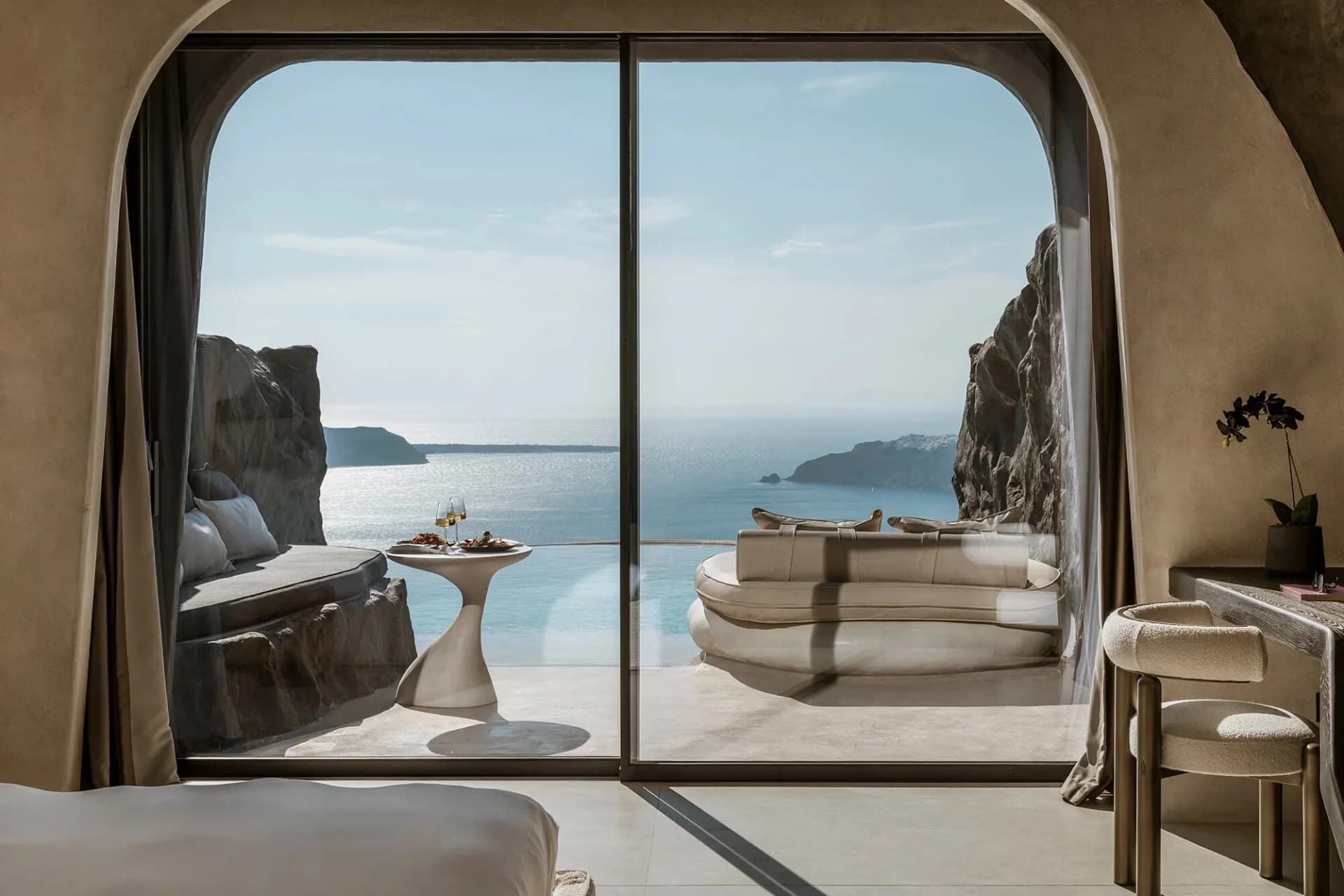
Suite size and configuration in Corsican properties rarely match the square footage available in urban palace hotels. The relevant question is not total area but spatial efficiency: a well-designed suite of eighty square metres with a private plunge pool and direct beach access delivers more experiential value in this context than a larger interior-facing room in a grander building.
Finally, the question of season-appropriate programming is relevant. Some premium properties in Corsica operate exclusively between April and October. Confirming operational dates, spa availability, and restaurant service schedules before selecting dates prevents arriving at a property operating in reduced-service mode.
Why a curated selection by La Suite changes the decision process
Corsica presents a particular editorial challenge for any curation platform. The island's premium hospitality market is smaller in absolute terms than comparable Mediterranean regions such as the Côte d'Azur or the Greek islands, and the distance between genuinely exceptional and merely expensive is measurable but not always visible from standard booking interfaces.
La Suite approaches Corsica with the same methodology applied to every destination in its portfolio: properties are assessed on suite-specific criteria rather than overall hotel metrics. A five-star property with mediocre suite design does not qualify. A four-star property with a single exceptional suite that delivers on architecture, service, and setting does. This distinction is meaningful in a market where star ratings and price points do not reliably predict the quality of the suite experience specifically.
For travelers arriving at Corsica as a destination decision rather than a hotel decision, La Suite provides the analytical framework to work in the correct sequence: identify the zone, identify the seasonal window, then identify the suite that performs best within those parameters. That sequence produces better outcomes than selecting a property by name recognition and working backward to justify the geography.