Where to stay in Grand Est: distinct territories for suite travelers
Alsace: the architectural and gastronomic core
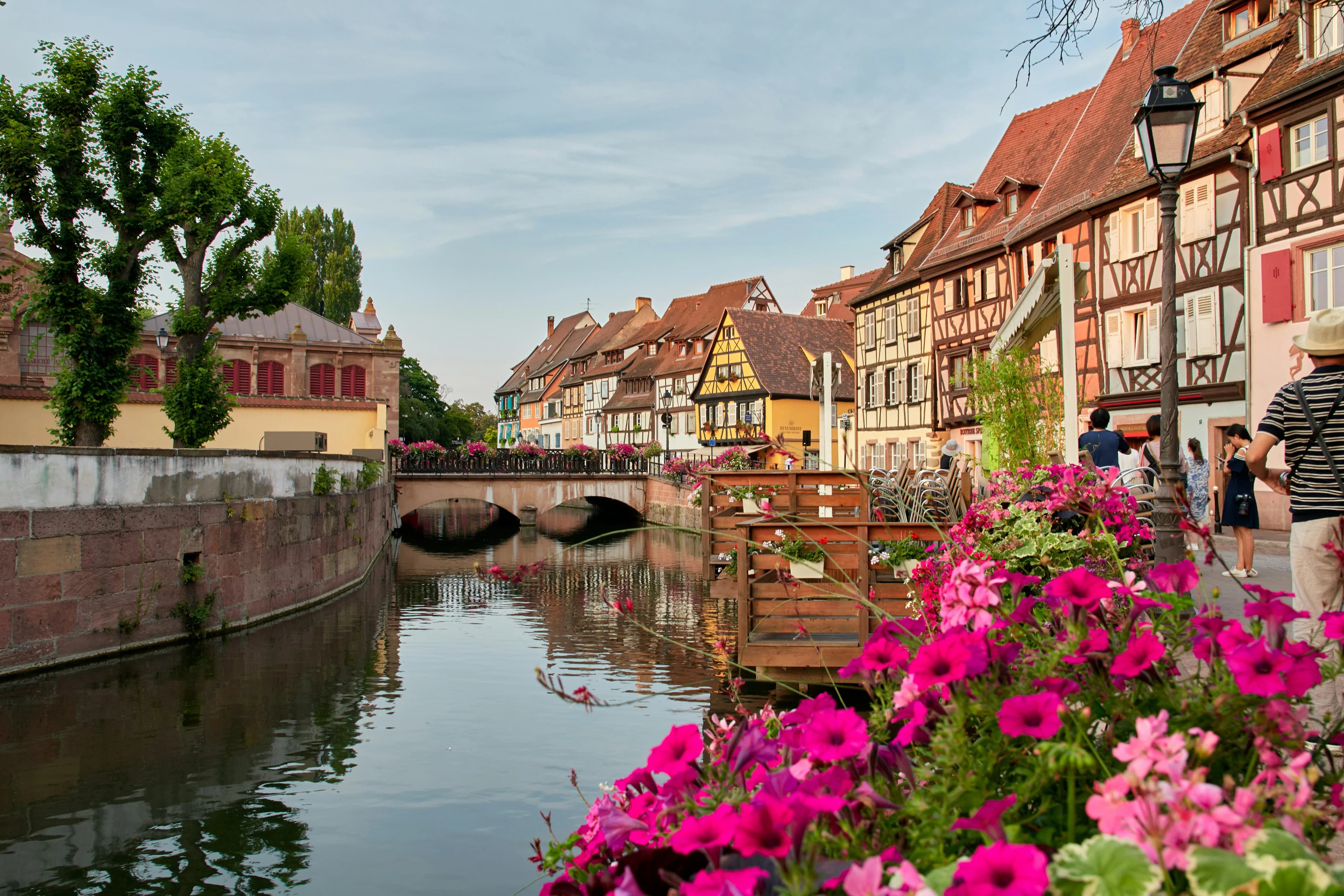
Alsace runs along the Rhine plain, bordered by the Vosges to the west and Germany to the east. Its villages, particularly those along the Route des Vins, are dense with half-timbered facades, fortified gateways and wine estates that have operated continuously for centuries. The luxury hotel offer here tends toward converted manor houses, historic wine estates and refined auberges. Suites in this corridor often combine period architecture with contemporary interiors, offering a direct relationship with vineyards or medieval streetscapes. The pace is deliberate, the gastronomy exacting, and the cultural density high enough to sustain a week-long stay without repetition.
Champagne: prestige and open landscape
The Champagne sub-region, anchored around Reims and Epernay, operates on a different register. The landscape is open and rolling, defined by chalk hillsides and the geometric precision of vine rows. The grand maisons de Champagne maintain a strong relationship with hospitality, and the finest suites in this zone tend to reflect that heritage: classical proportions, restrained palettes, and access to private cellar visits or harvest experiences unavailable through standard channels. The UNESCO-listed Champagne hillsides, houses and cellars designation adds cultural weight to any itinerary built around this area.
Lorraine and the Ardennes: space, nature and understatement
Lorraine and the Ardennes offer a quieter proposition. The Vosges massif provides forested landscapes suitable for retreats oriented around nature, thermal wellness and altitude. Properties in this zone are fewer but tend toward genuine seclusion. The thermal towns of the southern Vosges retain a tradition of spa culture with architectural heritage that predates the wellness industry by more than a century. For travelers seeking space over spectacle, this part of Grand Est holds considerable appeal.
When to visit Grand Est for a luxury suite stay
Grand Est has a continental climate with pronounced seasonal variation, which shapes both availability and experience significantly.
Late spring (May to June) offers mild temperatures, open vineyards and relatively contained visitor numbers. This is an effective window for Alsace and the Champagne route before summer demand compresses suite availability at the most sought-after properties.
Harvest season in September and October is the most compelling period for wine-oriented travelers. Champagne harvest typically runs through September, and Alsatian vendanges extend into October. Suite rates at estate properties peak during this period, and advance planning is essential. The light, the activity in the vineyards and the cooler air make this the highest-yield cultural season in the region.
The Alsatian Christmas markets, which run from late November through December, generate significant demand across the region. Strasbourg, Colmar and Ribeauville host some of the oldest markets in Europe, and suites in the historic cores book months in advance. Travelers who value that cultural experience should treat availability as a logistical priority rather than an afterthought.
Winter and early spring are lower-demand periods, occasionally offering more competitive positioning on rates and a more private relationship with the landscape.
Understanding luxury standards in Grand Est
France operates a formal classification system for its highest-tier hotels. The Palace distinction, awarded by Atout France and reviewed periodically, sits above the five-star category and signals exceptional architecture, service consistency, and cultural relevance. Grand Est hosts properties operating at or near this level, particularly in Alsace and the Champagne corridor.
Beyond classification, the region has a tradition of family-operated maisons with multi-generational expertise in both hospitality and gastronomy. Several Alsatian properties are attached to restaurants holding Michelin recognition, meaning the suite experience connects directly to a dining room of precise culinary intention. This integration of accommodation and table is not decorative here; it is structural to how the best properties are conceived.
Champagne estates with guest accommodation represent another category entirely. These properties offer access that commercial hotels cannot replicate: private tastings, vineyard walks with the winemaking team, and a physical proximity to production that contextualises every glass consumed on property.
How to choose the right suite in Grand Est
Several practical considerations shape the decision process for travelers approaching Grand Est.
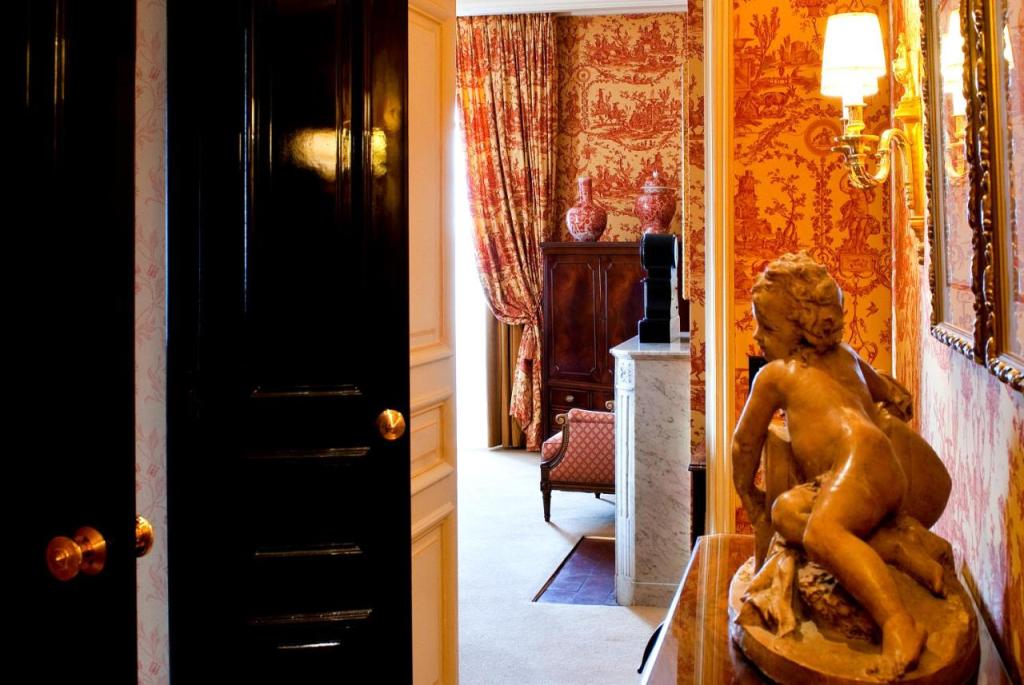
Architecture matters in this region. Alsatian timber-frame properties offer a specific sensory environment: lower ceilings in some historic buildings, irregular room geometries and a strong visual relationship with the street or courtyard below. Travelers who prioritise space and contemporary proportion should cross-reference architectural period with room specifications before confirming.
Countryside versus town positioning is a consequential choice. A suite within a Champagne estate places the traveler in an agricultural and productive landscape, requiring a car and accepting a degree of rural quietude. A suite in the historic core of an Alsatian town provides walkability and cultural density but at the cost of outdoor space. Neither is superior: they serve different travel intentions.
For the Vosges and Lorraine, consider the proximity to thermal infrastructure. Some properties operate their own spa facilities; others rely on proximity to historic thermal towns. The distinction affects how a wellness-oriented stay actually functions day to day.
Season also shapes the suite selection. During harvest or the Christmas period, properties with the strongest cultural programming tend to sell their best inventory first. Identifying the right suite in advance, rather than treating it as an ancillary decision, is the defining characteristic of how experienced travelers approach this region.
Why a curated selection by La Suite is the right approach for Grand Est
Grand Est presents a genuine curation challenge. The region's hospitality offer ranges from internationally positioned grand hotels to intimate estate properties with minimal digital presence. The most compelling experiences are often the least visible in standard search environments.
La Suite's approach to Grand Est is structured around verified quality across architectural context, suite specification and service depth. A property attached to a celebrated restaurant table, a Champagne estate with genuine access to production, and a Vosges retreat with authentic thermal programming are categorically different experiences. Understanding which serves a given traveler's priorities requires editorial judgment, not algorithm.
The curated selection by La Suite for Grand Est is built to make that distinction legible and the decision process efficient, without reducing the destination to a ranked list.