Where to stay in Hauts-de-France: understanding the region's distinct areas
The Flemish north: Lille's metropolitan gravity and the border country
The northern half of the region, anchored by Lille, bears the clearest imprint of Flemish culture. Baroque guild facades, covered markets, and a tradition of genever and regional beer define street-level life. The surrounding countryside, stretching toward Belgium, is flat and atmospheric in a way that rewards slow travel. Luxury hotel properties here tend to occupy converted merchant townhouses or contemporary structures with deliberate architectural restraint. The proximity to Belgium also means that guests can access some of Europe's finest chocolatiers and fine-dining rooms within a short drive.
The Opal Coast and Channel shore
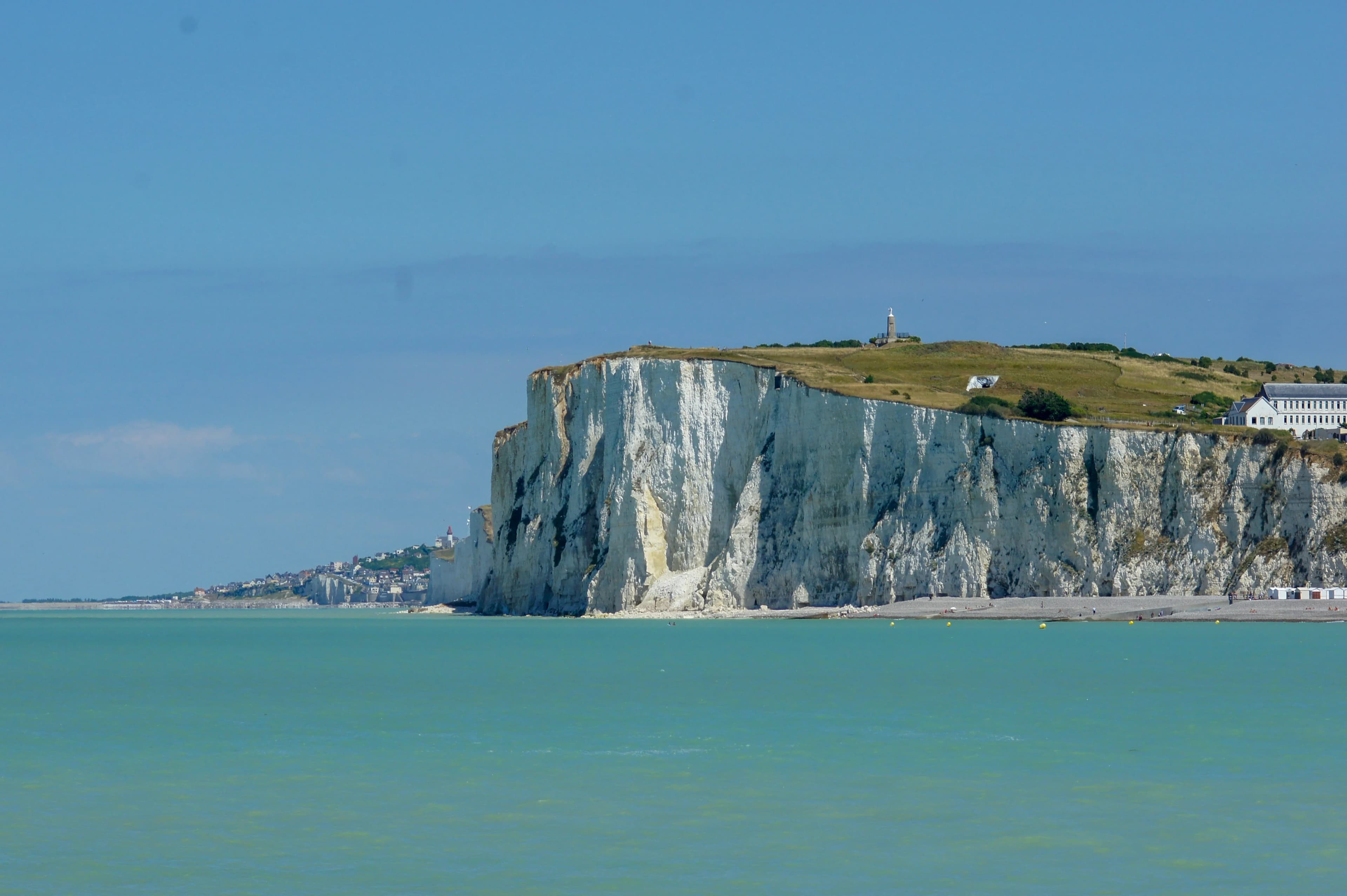
The Côte d'Opale, running from Boulogne-sur-Mer northward to Calais and Dunkirk, is one of France's most underestimated coastal territories. Its dunes, capped headlands, and grey-green sea create a landscape with genuine drama. The light here, famously captured by Flemish and Impressionist painters, shifts continuously throughout the day. Luxury stays along this coast tend to be discrete: manor houses and small hotel properties where the view rather than the interior is the principal event. For travellers arriving via Eurostar or the Channel Tunnel, this coastline offers an immediate and compelling alternative to driving south.
Picardy: cathedrals, battlefields, and agricultural grandeur
The southern portion of Hauts-de-France, historically Picardy, is anchored by Amiens and its UNESCO-listed Gothic cathedral, one of the largest and most complete in Europe. The surrounding territory is agricultural and spacious, with manor estates and château properties that have, in several cases, been carefully converted into high-end hotel accommodations. The Somme valley and its network of waterways attract serious visitors interested in history, wildlife, and the particular quiet of a landscape that has absorbed extraordinary events.
When to visit Hauts-de-France for a luxury suite stay
The region operates on a different seasonal logic from southern France. Spring and early summer, from April through June, offer the clearest combination of manageable temperatures, long daylight hours, and cultural programming. The Lille art and design calendar is dense in this period, with major exhibitions and the lead-up to the annual Braderie de Lille, one of Europe's largest flea markets, held in early September.
September itself is a high-value window: the summer crowds have thinned, coastal properties become more accessible, and the harvest season brings a particular energy to the region's agricultural interior. Autumn light along the Opal Coast is considered by photographers and painters to be the most cinematically complex of any season.
Winter is not negligible. The Nord-Pas-de-Calais Christmas markets, particularly in Lille and Arras, draw visitors from across Northern Europe, and suite availability at boutique properties tends to improve as leisure demand softens. For those who value solitude over spectacle, a February stay at a Picard manor estate can be profoundly restorative.
Local luxury standards: what defines a prestige hotel in Hauts-de-France
France operates a nationally recognised classification for its highest-tier hotels: the Palace designation, awarded by the national tourism authority Atout France. This label sits above the standard five-star rating and is granted only to properties meeting criteria across architecture, service depth, cultural programming, and culinary offer. While Hauts-de-France does not currently hold Palace-designated properties at the scale of Paris or the Côte d'Azur, the region's luxury hotel landscape is defined instead by a different kind of prestige: heritage authenticity and architectural integrity.
Properties converted from Flemish merchant townhouses, fortified abbeys, or Picard châteaux carry a material weight that purpose-built luxury hotels rarely achieve. The suite experience in this context is inseparable from the building itself. Ceiling heights, exposed stonework, original joinery, and carefully considered contemporary interventions create spaces that feel earned rather than constructed. This is the dominant register of high-end accommodation in Hauts-de-France, and it rewards travellers who understand the difference between decoration and genuinely considered design.
How to choose the best luxury suite in Hauts-de-France
The first consideration is architectural context. A suite within a converted château or fortified farmhouse will offer a different sensory register from a contemporary urban property in Lille's historic centre. Neither is superior in the abstract; the question is which aligns with the purpose of the trip.
For travellers whose itinerary includes the Opal Coast, proximity to the shoreline matters more than urban infrastructure. Coastal properties in this region are often small by international standards, which means that suite availability can be limited and advance planning is essential. The upside is a level of privacy and operational attentiveness that larger hotels structurally cannot provide.
For those focused on Picardy and the historic interior, the key variable is access to the countryside versus proximity to Amiens or Arras. Properties set within agricultural estates offer genuine seclusion, while those positioned in or near market towns provide easier access to the region's culinary and cultural calendar. Consider also the travel logistics: Hauts-de-France is served by high-speed rail connecting Lille to Paris in one hour and to London St Pancras in approximately eighty minutes via Eurostar, making it exceptionally accessible for short-stay visitors who prize intensity over duration.
Why a curated selection by La Suite matters in this destination
Hauts-de-France is not a destination where the luxury hotel market is dense or easily legible from the outside. The finest properties here are often quiet about their offer, without the marketing infrastructure of major international brands. Independent travellers researching the region without specialist knowledge frequently encounter an opaque landscape: general booking platforms surface properties based on volume metrics rather than suite quality, architectural significance, or the specific criteria that define a genuinely elevated stay.
La Suite approaches this territory differently. The curation process prioritises spatial quality, privacy infrastructure, architectural distinction, and the coherence of the overall guest experience. For a region like Hauts-de-France, where the best options are spread across a geographically varied landscape and operate outside mainstream luxury hotel circuits, that editorial rigour is not an added convenience. It is the essential starting point.