Where to stay in the Loire Valley: key areas for luxury suites
The Touraine corridor
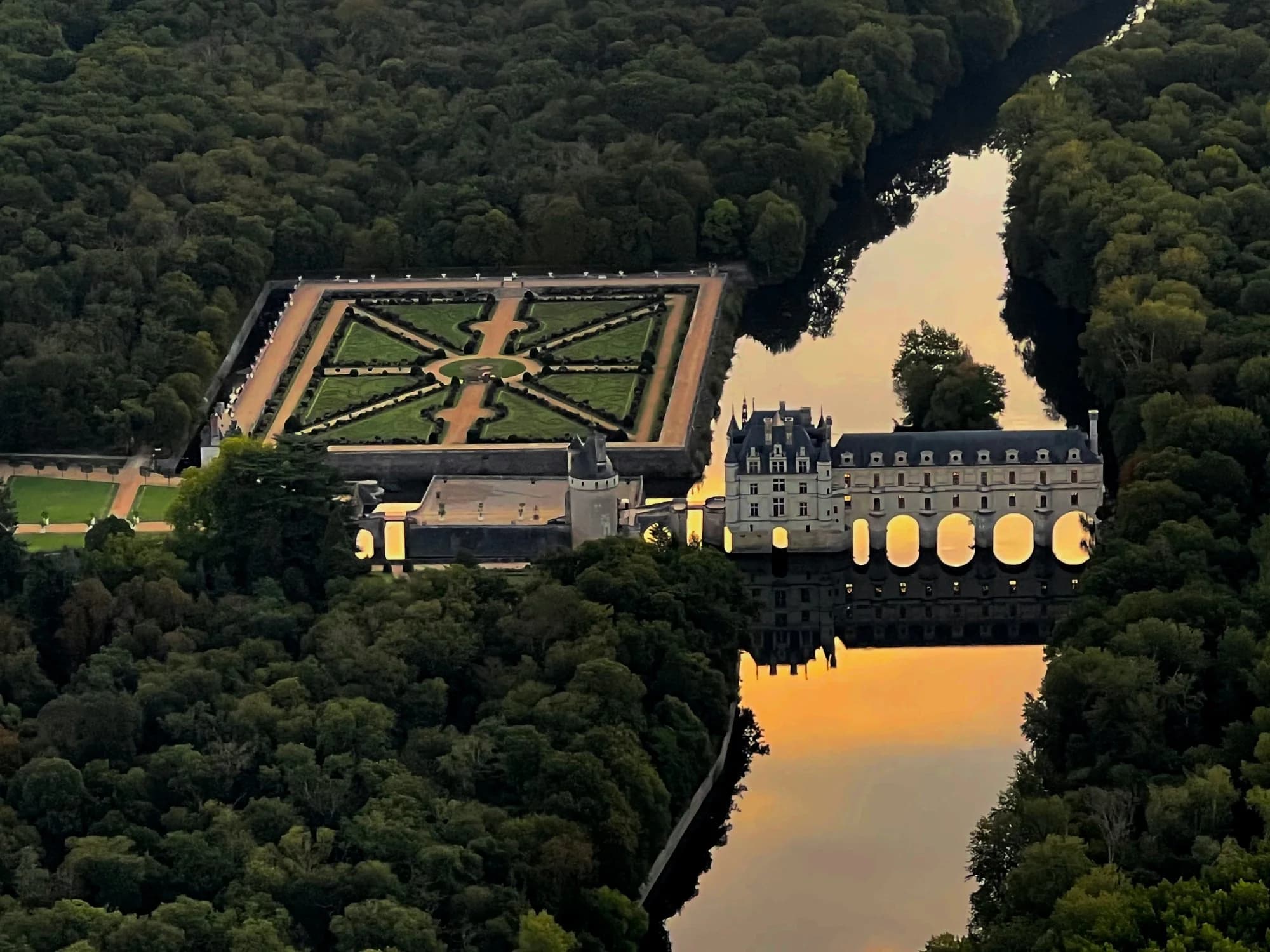
The central Touraine area, anchored around the towns of Amboise, Blois, and Chinon, represents the densest concentration of classified châteaux in the region. Properties here tend to occupy converted manor houses or working estates, where luxury hotel suites are set within buildings that carry genuine historical designation. The architectural vocabulary is consistent: tufa stone facades, slate roofs, and interiors where ceiling heights and stone fireplaces set the proportions. This is the part of the Loire most associated with the French Renaissance court, and that cultural weight informs how top-tier properties position themselves.
Anjou and the western Loire
Moving west toward Angers and the Maine-et-Loire department, the landscape shifts. Vineyards become more prominent, the river widens, and the pace of the territory slows perceptibly. Luxury accommodation in this zone tends toward the intimate and the agricultural: converted wine estates with suites that open directly onto vines, smaller maisons d'hôtes operating at a genuinely private scale. The Anjou black slate architecture differs visually from the white tufa of Touraine, giving properties here a distinctly cooler, more restrained aesthetic.
The Sologne and eastern approaches
To the east, toward the Sologne forest and the approaches to Chambord, the landscape becomes more remote. Properties in this zone appeal to travellers who value complete privacy and access to hunting estates, private lakes, and forest reserves. Suite offerings here lean toward the lodge-style: generous volumes, natural materials, and an emphasis on outdoor access over architectural spectacle.
When to visit the Loire Valley for a suite stay
The Loire Valley operates on a distinctly seasonal rhythm, and the timing of a suite booking carries real implications for both experience and availability.
Late spring, specifically May and June, represents the optimal window. The formal gardens at major châteaux are in full condition, temperatures remain moderate, and the region has not yet reached peak visitor density. Properties tend to offer their most complete service during this period, with full restaurant programmes and access to outdoor spaces.
September and early October constitute a second high-quality window, aligned with the harvest period across the Vouvray, Sancerre, and Chinon appellations. Several wine estates offer suite guests direct access to harvest activities, which represents a category of experience that cannot be replicated at other times of year. The light in the Loire during autumn is notably different: lower, more lateral, and architecturally flattering to the tufa stone that defines the region's buildings.
July and August bring the largest visitor volumes. Suite availability at the most sought-after properties tightens considerably, and advance planning of three to six months is standard for peak summer dates. The Les Nuits des Châteaux programme, which stages son-et-lumière events at major sites through summer, attracts significant attention and further compresses availability in the Touraine corridor.
Winter occupancy drops sharply. A number of smaller château properties close entirely between November and March. Those that remain open offer a different experience: near-empty gardens, private access to interiors, and a quietness that is difficult to find in season.
Local luxury standards: what defines a top-tier suite in the Loire Valley
France operates a formal classification system for its highest-performing hotel properties. The Palaces de France designation, awarded by Atout France, sits above the five-star category and applies to a small number of properties nationally that meet criteria around architectural quality, service standards, and cultural significance. In the Loire Valley, this designation is rare precisely because the region's finest properties often operate as intimate château hotels rather than large-format palace hotels. The absence of a Palace label does not indicate inferior quality; it frequently reflects a deliberate choice to operate at a smaller, more exclusive scale.
The category of château-hôtel carries specific meaning in the Loire context. These are properties operating within classified historic monuments, where the suite experience is inseparable from the building's history. Bedroom volumes in these properties are determined by original architectural plans rather than commercial optimisation, which typically produces suites of considerable size with proportions that no modern construction can replicate.
Wine-estate accommodation represents a distinct sub-category. Several of the region's appellations, including Vouvray, Bourgueil, and Muscadet, have producing estates that offer suite accommodation as part of a vertically integrated wine and hospitality experience. These properties are assessed differently: the quality of the cellar programme and the depth of access to winemaking processes are as relevant as the physical suite specification.
How to choose the best luxury suite in the Loire Valley
The primary decision for any traveller in the Loire Valley is architectural context. The choice between a Renaissance château, a working wine domaine, and a contemporary property embedded in a historic landscape each produces a fundamentally different stay. Clarity on this preference should precede any booking decision.
Suite position within a château property deserves particular attention. Upper-floor suites in tufa-stone buildings frequently offer direct roof garden or terrace access. Corner suites in tower structures provide 270-degree views over formal parterres or river approaches. Ground-floor suites in converted outbuildings offer private garden access and a degree of separation from the main house that some travellers actively seek. Each configuration is architecturally specific and cannot be substituted.
Proximity to appellations matters for wine-focused stays. A suite located within a Vouvray estate offers a materially different experience from one situated in a village hotel, even if the physical suite specification is comparable. The experiential programme, the access to producers, and the evening rituals that surround wine service are embedded in the estate context in ways that a standalone hotel cannot replicate.
Practical considerations specific to the Loire Valley include the need for private transport. Unlike urban destinations, the valley's finest properties are rarely accessible by rail from Paris with a direct final connection. Driving remains the primary mode of arrival, and suites with private parking or garaging are a relevant selection criterion for guests arriving by car.
The value of curation: why La Suite for the Loire Valley
The Loire Valley presents a deceptively wide selection. Several hundred properties market themselves as château accommodation, and the range in quality, authenticity, and actual suite specification is considerable. A property carrying a château name may operate in a nineteenth-century reproduction building on a two-hectare plot, while a modestly named domaine may occupy a classified Renaissance structure with six suites of exceptional proportion.
La Suite applies a consistent editorial framework to this complexity. Each property in our curated selection has been assessed against criteria that include architectural authenticity, suite volume and configuration, service continuity, and the coherence between the property's setting and the experience it delivers. The Loire Valley selection reflects those judgements directly, presenting only the properties where the suite category is genuinely substantiated. For a territory where the gap between marketing presentation and actual experience is wide, that curation function has direct practical value.