Best areas to stay along the Normandy D-Day Beaches
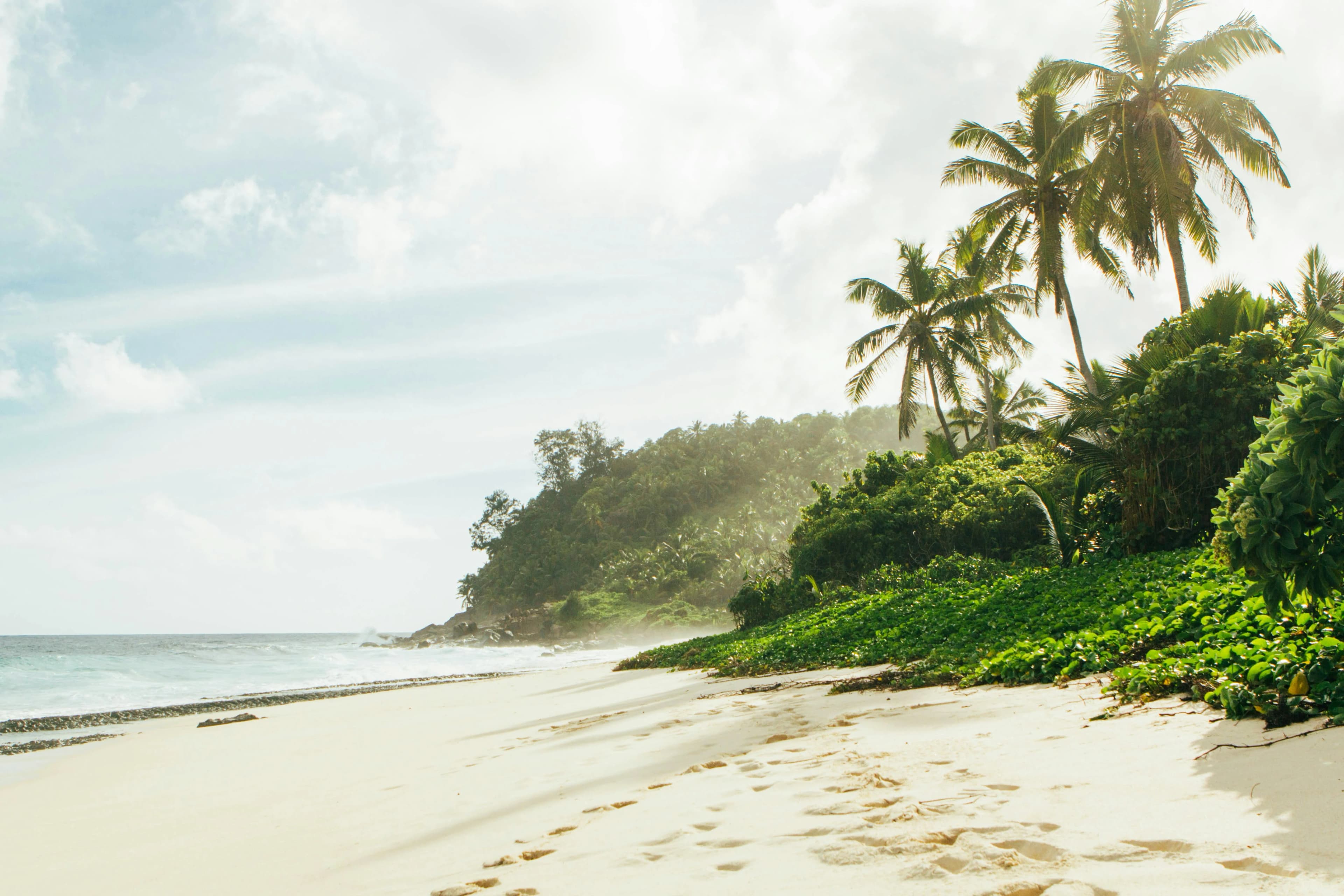
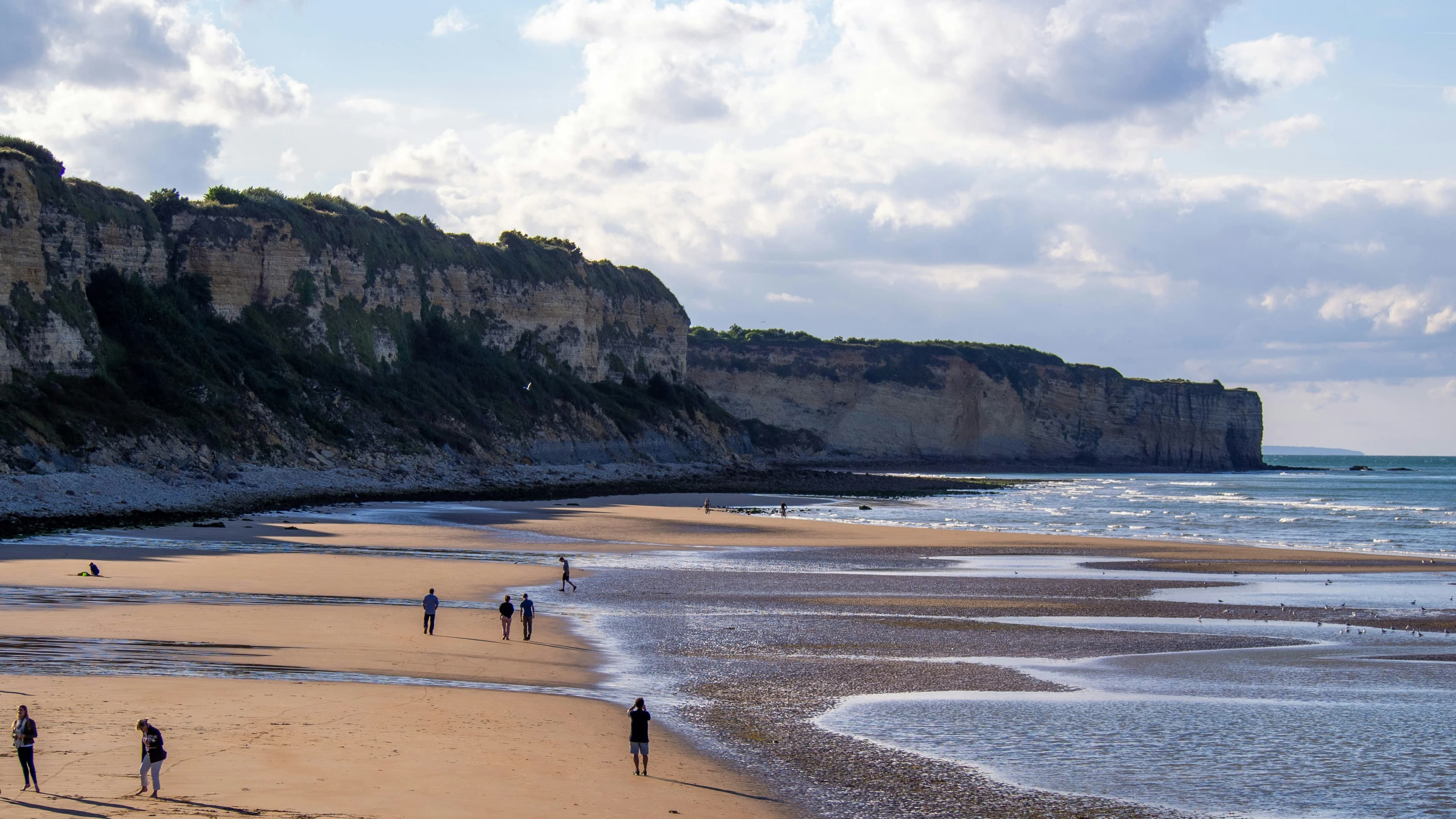
The Côte de Nacre (Mother-of-Pearl Coast) runs from Ouistreham to Arromanches and encompasses Sword, Juno, Gold, and Omaha beaches. This stretch is where the density of historical sites is greatest: the Overlord Museum, the remains of the Mulberry artificial harbour at Arromanches, and the American cemetery at Colleville-sur-Mer are all within a contained geographic arc. Staying here places the traveler in direct proximity to the landscape itself. Luxury suites in this corridor tend to be found in converted manor farms and smaller château properties set back from the coast.
The Cotentin Peninsula to the west, including the Utah Beach sector and the port city of Cherbourg, offers a more isolated experience. The bocage landscape, the dense hedgerow country that defined the inland fighting of June and July 1944, is still largely intact here. Properties in this area are fewer and more private, suited to travelers who prioritise space and solitude over convenient access to the main memorial circuit.
When to visit the D-Day Beaches
The Normandy coast operates on a marked seasonal rhythm. Late spring (May to early June) is the most culturally significant window: commemorations around 6 June, the anniversary of the landings, draw official delegations, historians, and visitors from across the United States, the United Kingdom, Canada, and Poland. Suite availability at the finest properties during this period requires planning well in advance, often six to twelve months ahead for June 6th itself and the surrounding days.
Summer (July and August) brings the highest volume of general tourism to Normandy, particularly from Paris and the UK. The coast becomes animated, markets intensify, and the apple orchards and dairy farms of the interior are at their most productive. This is also the period when prices peak and availability tightens across all accommodation categories.
September and October represent a considered alternative. The commemorative intensity of early June has passed, the coastal light shifts to something cooler and more oblique, and the cider and Calvados harvest begins in the orchards. For travelers whose interest is as much in Norman culture and landscape as in the military history, this shoulder season offers a qualitatively different experience. Winter is sparse: many smaller properties close between November and March, and the landscape takes on an austerity that is not without its own logic for those who prefer solitude.
Local luxury standards in Normandy
France maintains the national Palace hotel designation, awarded by Atout France to a small number of properties that meet exacting standards of architecture, service, staffing, and culinary provision. No property on the D-Day coast currently holds this designation, which reflects the regional character: Normandy's prestige accommodation leans toward intimate, architecturally significant properties rather than large urban palace hotels.
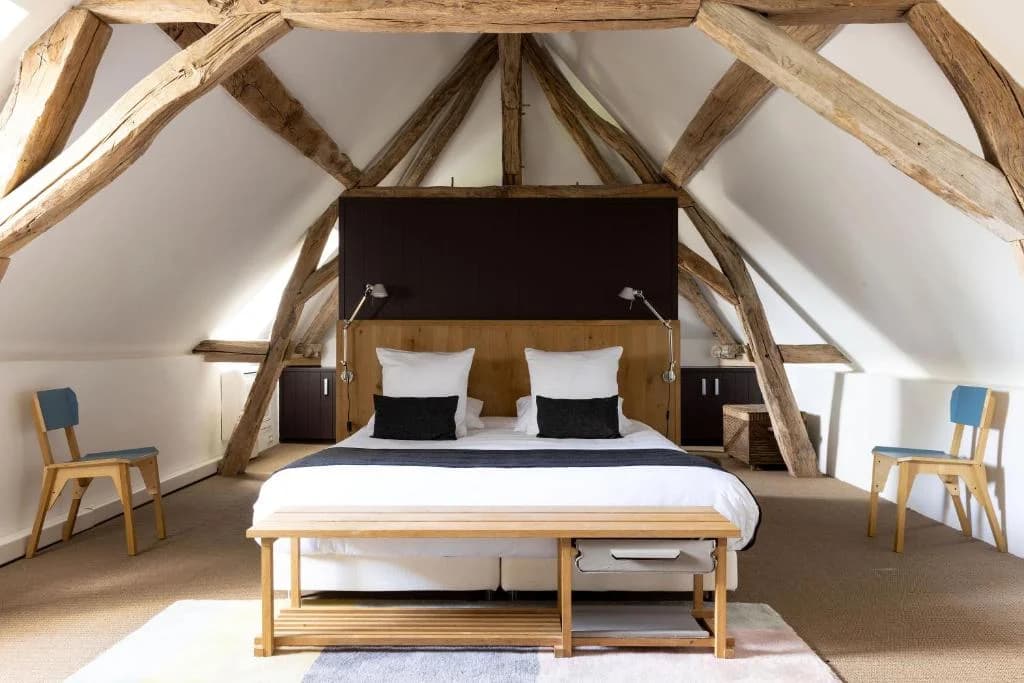
The relevant typology here is the château-hôtel and the manoir. Norman manor houses, built in brick and stone with slate roofs characteristic of the Calvados countryside, have increasingly been converted into high-end accommodation. These properties are distinguished by their connection to the agricultural landscape, often set within working apple orchards or cattle farms. The quality of the table is typically a central consideration: Norman cuisine, built around butter, cream, aged Comté-style cheeses, and the region's own Camembert and Livarot, is taken seriously at the finest establishments. A luxury suite in this context often includes access to a property kitchen garden, direct views across bocage farmland, and a level of quiet that urban properties cannot offer.
Michelin-starred dining is present in the region, though concentrated in Deauville and Honfleur rather than on the D-Day coast itself. Travelers staying along the memorial circuit who wish to combine historical engagement with serious gastronomy will typically plan day itineraries that reach east toward those towns.
How to choose the best suite along the D-Day Beaches
The primary structural choice is between coastal and inland positioning. Suites on or near the coast offer the immediate sensory connection to the Channel and the beach landscapes that defined the landings. Inland properties, set within the bocage, provide a different frame: the agricultural architecture, the compressed hedgerow landscape, and a remove from the main tourist circuits. Both are legitimate positions; the choice depends on whether the traveler's priority is direct historical immersion or the broader Norman landscape experience.
Architectural period matters in this region. Properties converted from 17th or 18th-century Norman manor stock will have thick stone walls, low ceilings in secondary rooms, and an ambient temperature that relies on fireplaces in cooler months. Modern interventions within these buildings vary in quality and coherence. Travelers with specific requirements for contemporary design or soundproofing should verify how each property has handled its renovation before committing.
Scale is another consideration. The most sought-after properties in this region tend to be small: six to twelve rooms in total, with suites that occupy the principal floor of the manor or the converted granary. Privacy is intrinsic to this format. Larger conference-oriented properties exist in the region but represent a different product category entirely.
The value of curation in this destination
The D-Day Beaches corridor is not a destination where luxury hotel infrastructure is dense or obvious. The finest properties are dispersed across rural departments, do not always market themselves aggressively, and vary considerably in what they actually deliver relative to their positioning. A traveler arriving without local knowledge will find the selection process genuinely complex.
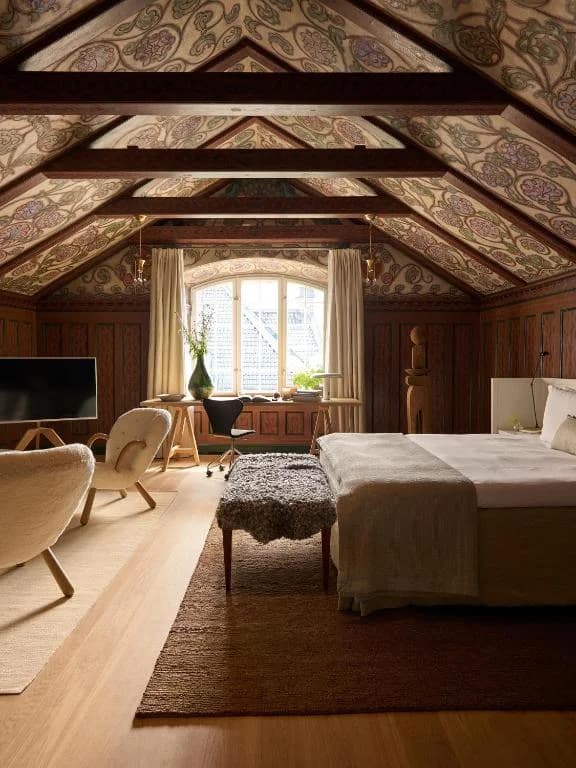
La Suite's curated selection for this territory identifies the properties that meet the specific standards expected by design-literate, historically engaged travelers: architectural integrity, genuine suite-level space, kitchen and table quality, and a staff-to-guest ratio that allows for considered service. The curated selection by La Suite removes the research burden and ensures that the properties presented have been assessed against consistent criteria, not simply aggregated from availability feeds.