Understanding Occitanie as a luxury destination
The region carries a cultural lineage that predates the French state. The Cathar history of the Aude, the Roman infrastructure visible throughout the Hérault, the troubadour tradition that gave the region its name, and the persistent Occitan language all signal a place with its own gravitational center. That specificity is precisely what draws design-literate, culturally attentive travelers away from more obvious French destinations.
Best areas in Occitanie for a luxury suite stay
The Languedoc coast and Montpellier's orbit
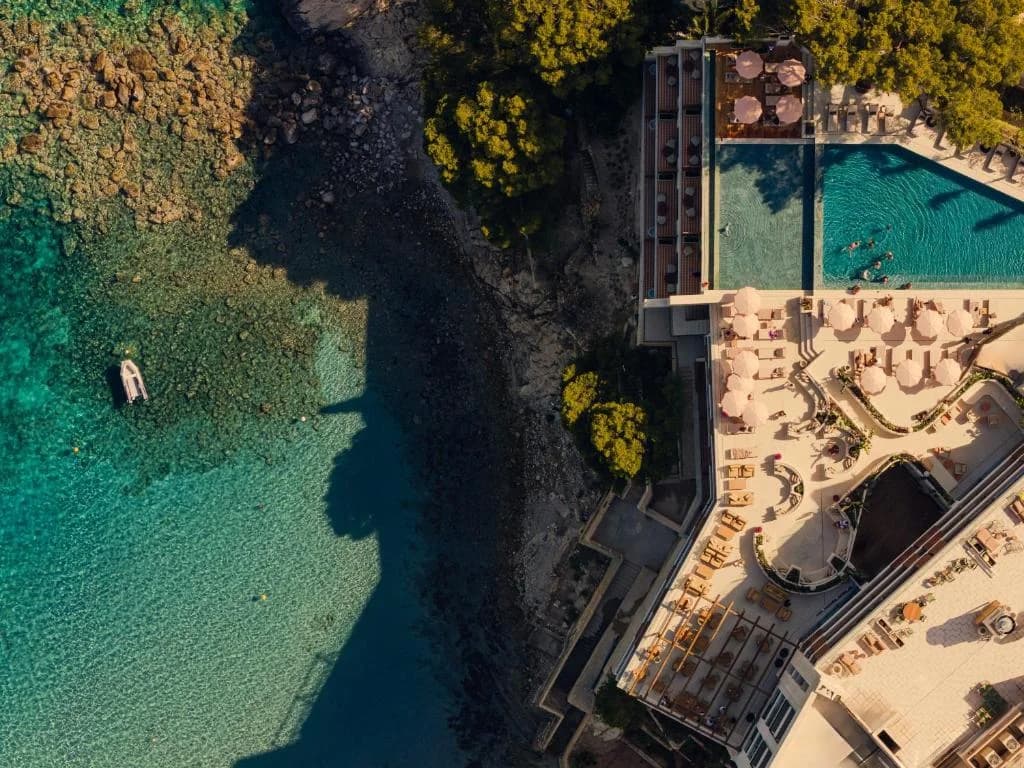
The coastline between the Camargue border and the Cap d'Agde is characterized by large lagoons, salt flats, and a light that painters have documented for centuries. The Étang de Thau near Sète produces oysters and mussels consumed at tables steps from the water. Properties in this zone tend toward contemporary architecture, with interior design that responds to the horizontal landscape. Montpellier itself, with its medieval Écusson district and one of Europe's oldest medical schools, provides urban counterbalance to the coastal flatness.
The Cathar country and Carcassonne's medieval corridor
The arc from Carcassonne westward into the Aude and toward the Ariège foothills contains some of France's most legible medieval urbanism. Carcassonne's fortified city, a UNESCO World Heritage site, is the most visited monument in France after Mont-Saint-Michel and Versailles. The luxury hotel offer in this corridor is more restrained in volume but often exceptional in character, with properties converted from historic bastides, abbeys, and manor houses. Guests seeking architectural authenticity over resort-scale amenity tend to find this zone particularly coherent.
Toulouse and the Garonne valley
Toulouse, known as la Ville Rose for its distinctive pink brick construction, functions as the region's metropolitan anchor. It houses the headquarters of Airbus, a major university, and a gastronomic scene that reflects both southwestern French tradition and contemporary ambition. The Garonne valley extending south toward Saint-Gaudens and the Pyrenean foothills offers a sequence of country estates and converted agricultural properties at meaningful distances from urban density.
The Pyrenean foothills and thermal towns
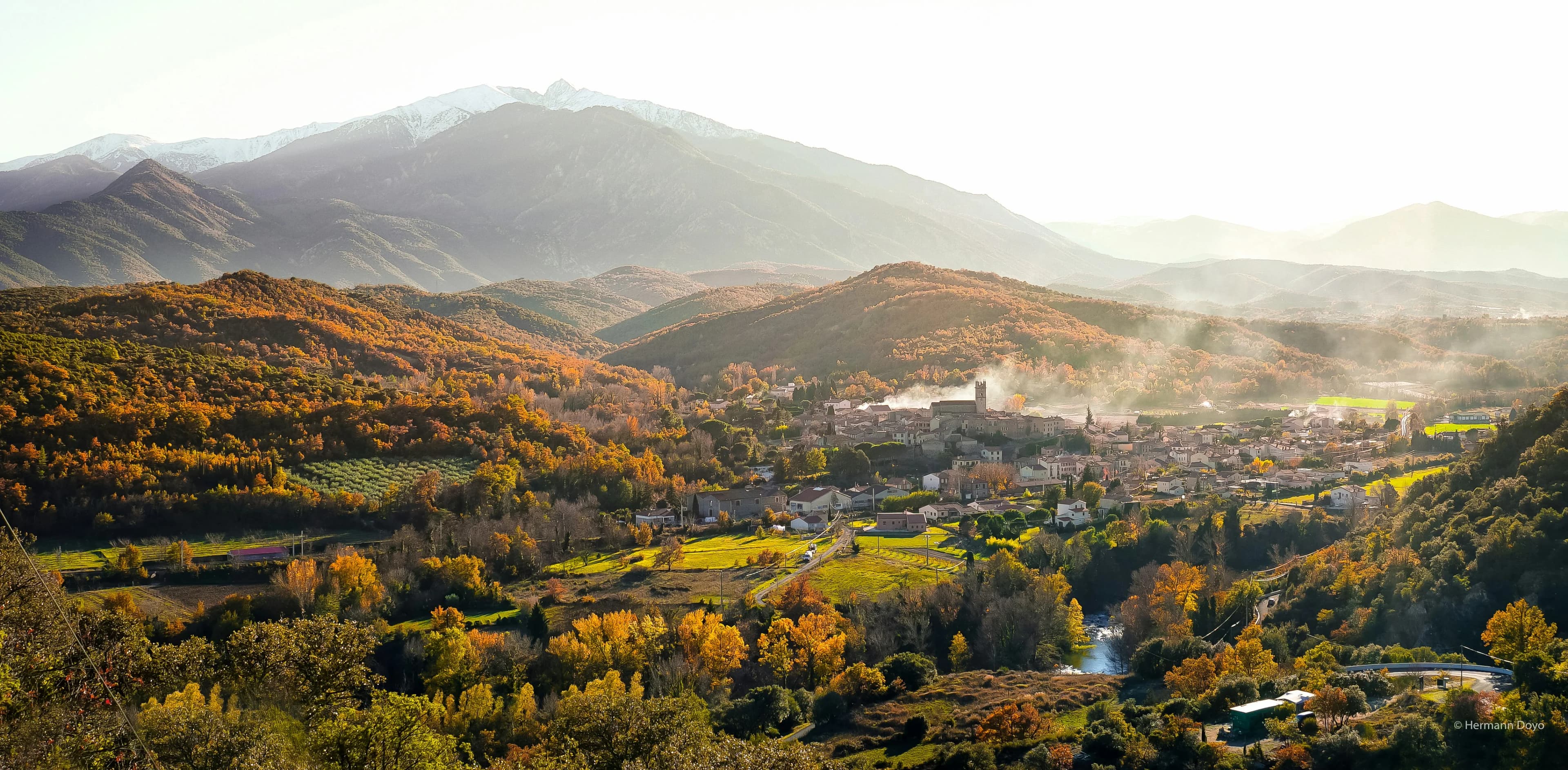
The southern edge of Occitanie, where the terrain rises sharply toward the Spanish border, encompasses spa towns with long histories of thermal practice, including Luchon and Ax-les-Thermes. Properties here are smaller in scale and more specific in purpose: wellness-oriented, architecturally vernacular, and positioned for guests whose itinerary includes mountain activity or restorative retreat rather than cultural immersion alone.
When to visit Occitanie for a luxury hotel stay
The practical window for traveling in Occitanie at peak comfort runs from late April through early October. The Mediterranean-influenced zones, particularly the Hérault and Gard departments, experience hot, dry summers with temperatures regularly exceeding 35°C in July and August. Suite availability at the most sought-after properties compresses significantly during this peak period, and advance planning of three to six months is advisable for stays in July.
May, June, and September offer the most balanced conditions: lower occupancy, more negotiable rates, and the landscape at its most photogenic. The Feria de Nîmes in May and June draws significant attendance and affects accommodation across the Gard. The Toulouse International Piano Foundation festival, held annually in the summer, and the Les Déferlantes festival near Perpignan are reference points on the cultural calendar for travelers integrating live performance into their itinerary.
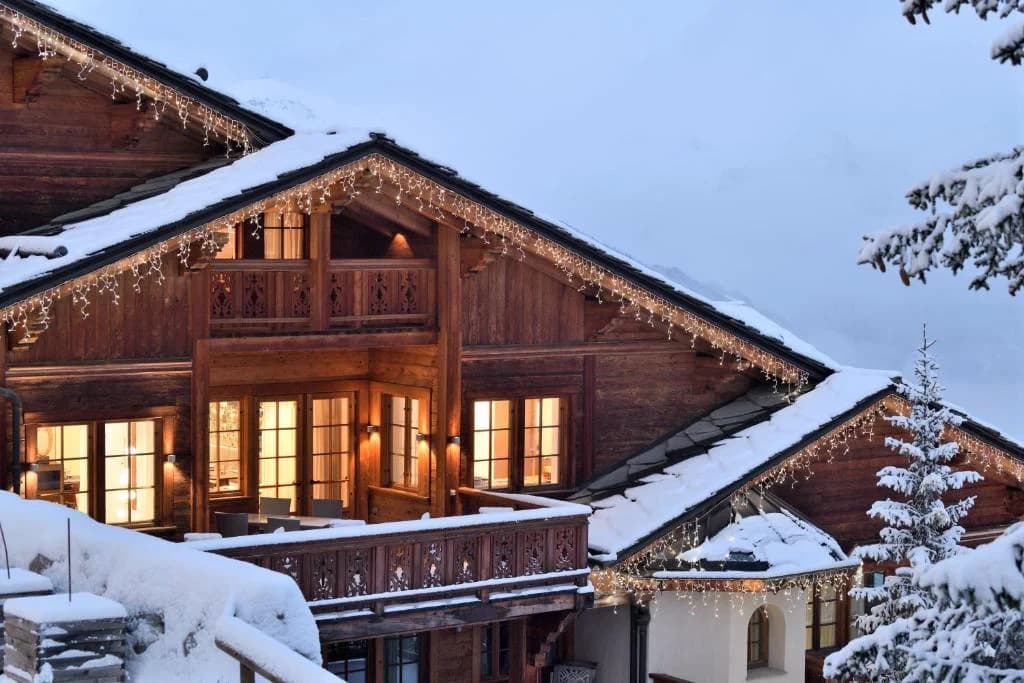
Winter travel in Occitanie is underutilized by international visitors, which creates genuine opportunity. The Pyrenean ski stations are operational from December through March, and several properties in the mountain corridor offer rates and availability that summer months do not permit.
Luxury hotel standards in Occitanie: what to expect
France operates a formal palace designation, administered by Atout France, which sits above the five-star classification and is reviewed every five years. In Occitanie, the palace category is represented sparsely, which means that the most compelling luxury hotel suites in the region are often found within five-star properties, converted historic estates, or independent maisons d'hôtes operating at boutique scale with exceptional service ratios.
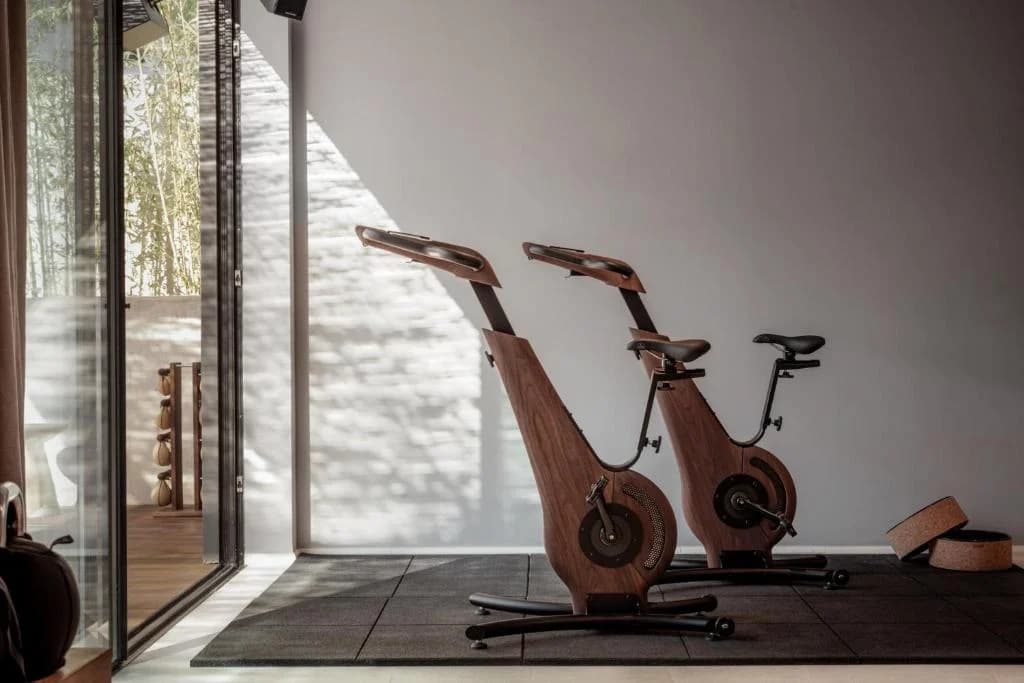
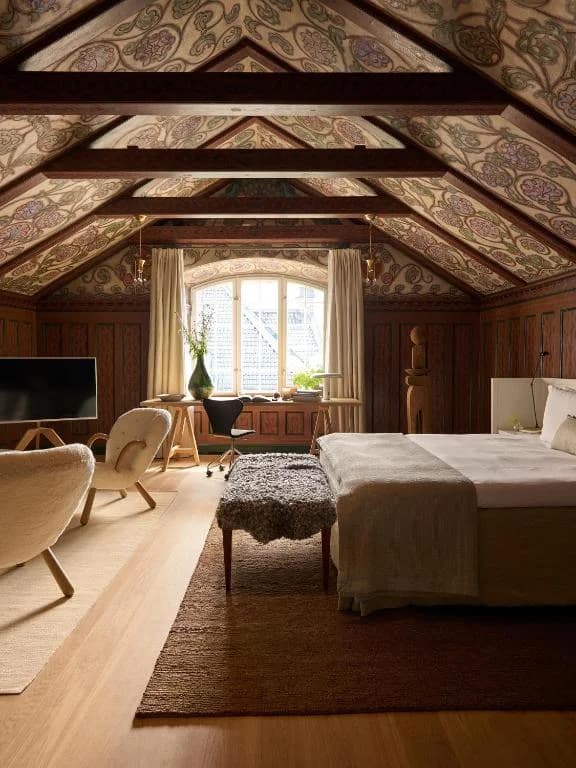
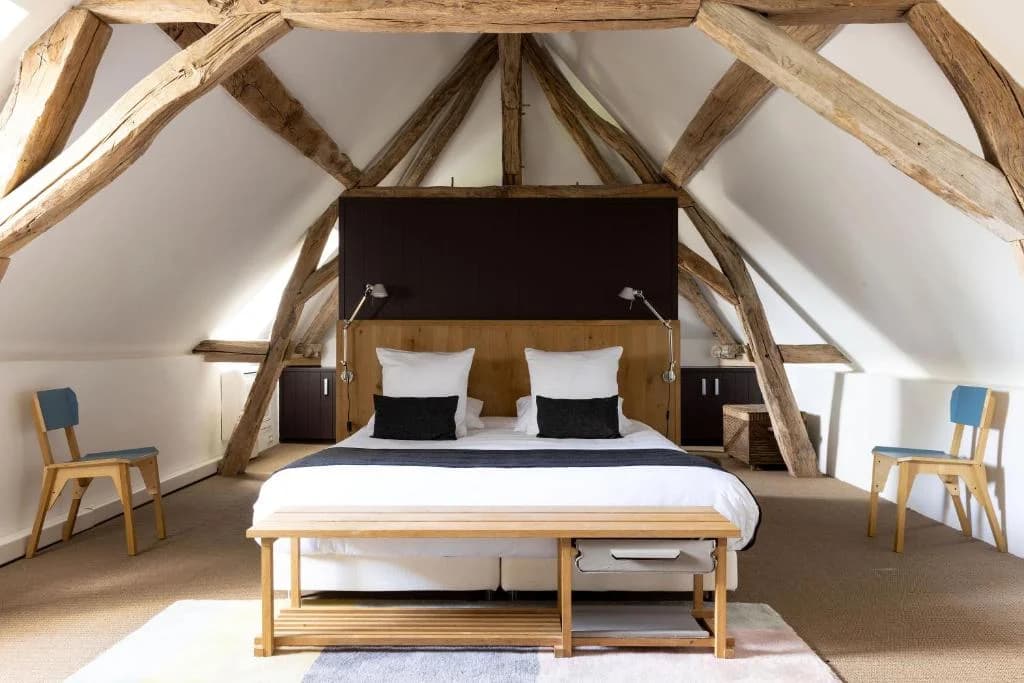
The suite offer in Occitanie tends to favor spatial generosity over ostentatious finish. Properties converted from medieval or Renaissance structures, particularly in the Aude and Hérault, present suites with original stone walls, vaulted ceilings, and proportions that modern construction cannot replicate. The contemporary luxury offer, concentrated around Montpellier and certain coastal zones, favors minimalist interiors with strong indoor-outdoor connectivity, responding to the light and temperature of the Mediterranean climate.
Gastronomy is inseparable from the luxury experience in this region. Occitanie holds a significant concentration of Michelin-recognized restaurants, and several luxury hotel properties operate tables of serious culinary ambition. The regional wine identity, including appellations such as Pic Saint-Loup, Faugères, Minervois, and the Côtes du Roussillon, provides a cellar depth that pairs logically with a suite-based approach to the territory.
How to choose the right suite in Occitanie
The primary distinction to resolve before selecting a property is architectural character versus contemporary comfort. Occitanie's most historically significant hotel suites are housed in structures that carry physical constraints: narrower staircases, irregular room geometries, and limited natural light in certain configurations. These properties reward guests who prioritize authenticity and atmosphere. Contemporary properties, particularly those developed after 2010 on the coast or in the Toulouse metropolitan area, offer more standardized luxury metrics: large bathroom formats, terrace access, and climate control systems designed for the southern heat.
A second consideration is proximity to landscape versus urban access. The region's internal distances are significant: traveling from a property in the Pyrenean foothills to the Carcassonne corridor or the Montpellier coast requires planning. Guests whose itinerary is landscape-centered benefit from selecting a property as a fixed base with day travel capacity, rather than moving between multiple properties across the region's full extent.
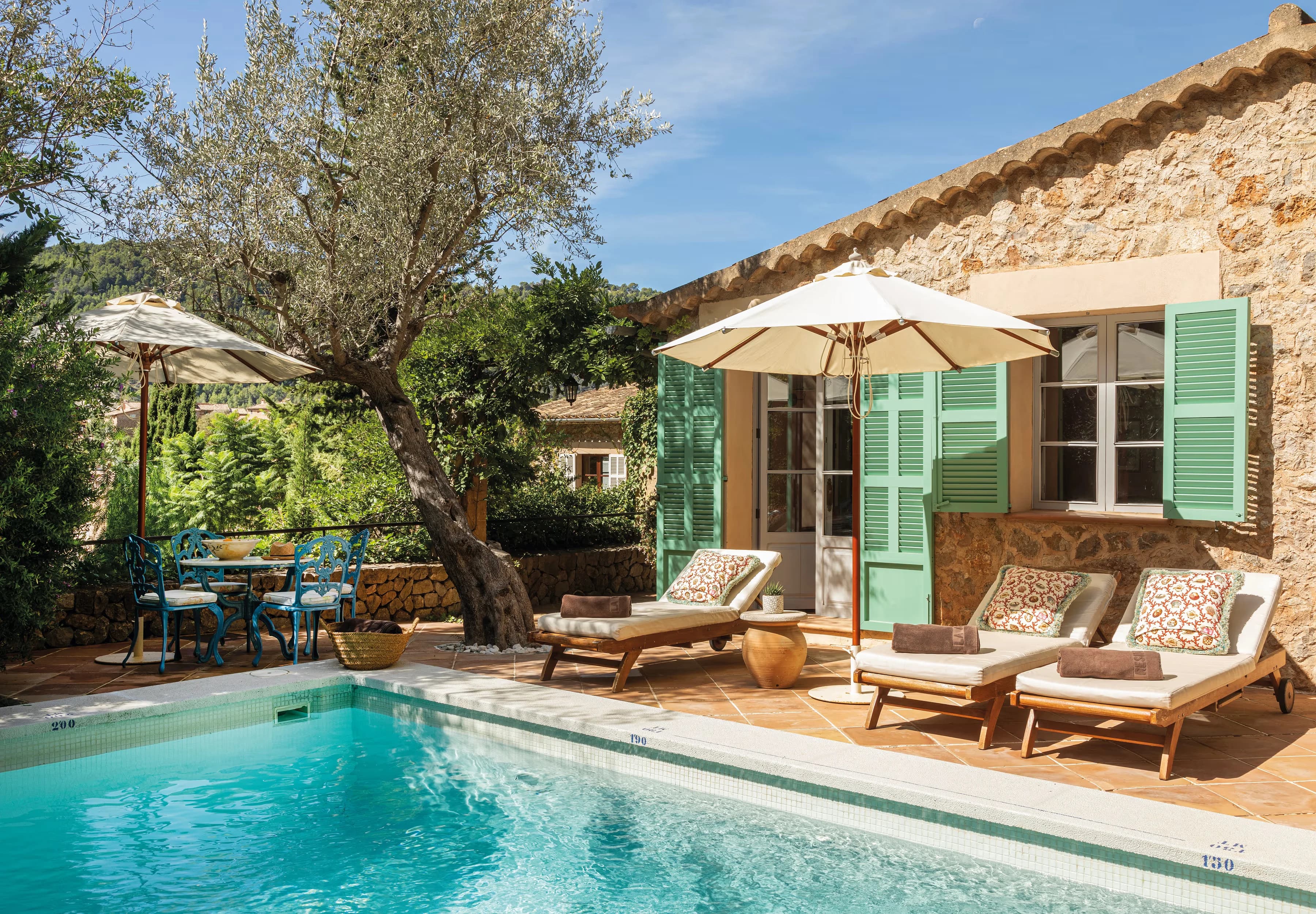
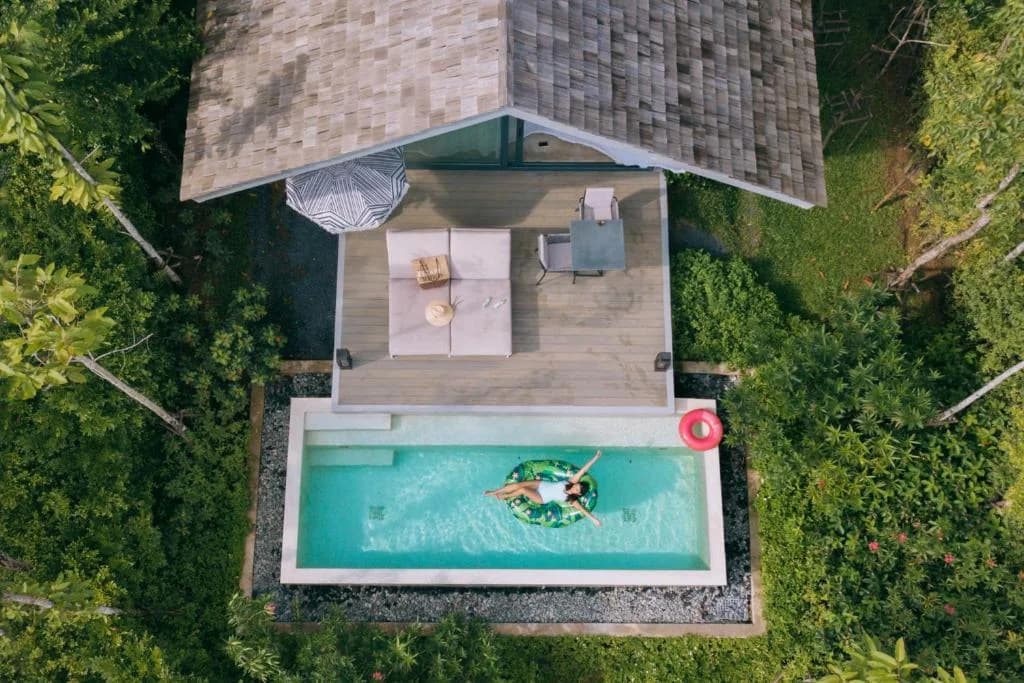
Private pool access is a relevant practical criterion for summer stays, as temperatures in July and August make outdoor space a functional necessity rather than an amenity. Many converted estate properties in the Aude and Hérault now offer suite categories with private terrace pools or exclusive garden access.
Why a curated selection matters in Occitanie
The luxury hotel market in Occitanie is less consolidated than in Provence or Paris, which means it requires more active filtering. Several properties that present themselves at the five-star level do not meet consistent standards across suite design, service depth, and kitchen quality. The gap between properties is wider here than in markets with higher competitive density.
La Suite applies a consistent selection framework to every property in Occitanie, evaluating suite space standards, design coherence, service model, and culinary offer before including a property in the curated index. For a traveler allocating significant time and budget to this region, that filtering removes the research burden and surfaces only the properties that genuinely perform at the standard the region's best addresses make possible. The curated selection by La Suite is the most direct route to a suite that matches the specific character of Occitanie rather than generic luxury expectations.