Understanding L'Île-d'Yeu as a luxury destination
The distinct areas of L'Île-d'Yeu
Port-Joinville and the eastern port district
Port-Joinville is the island's only town of scale and the arrival point for all ferry passengers. Its harbor front is lined with fishing boats, small restaurants, and independent shops. The eastern side of the island is more sheltered from Atlantic winds, making it the natural center of commercial and social life. Accommodation here tends to be proximate to the water, with views across the harbor toward the mainland horizon. The energy is relaxed but structured around daily rhythms: the fish market in the morning, the return of day-trippers in the evening.
The wild western coast
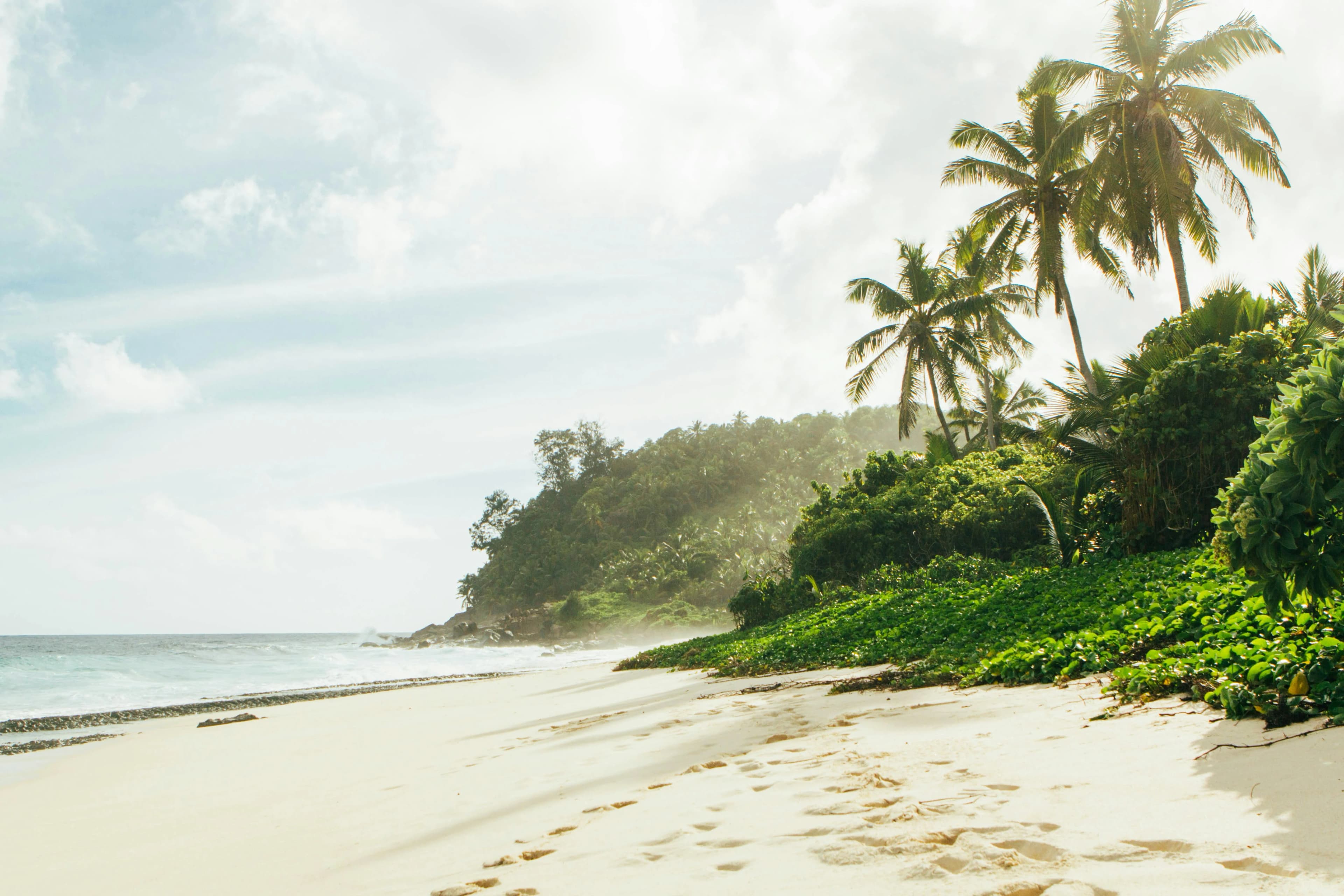
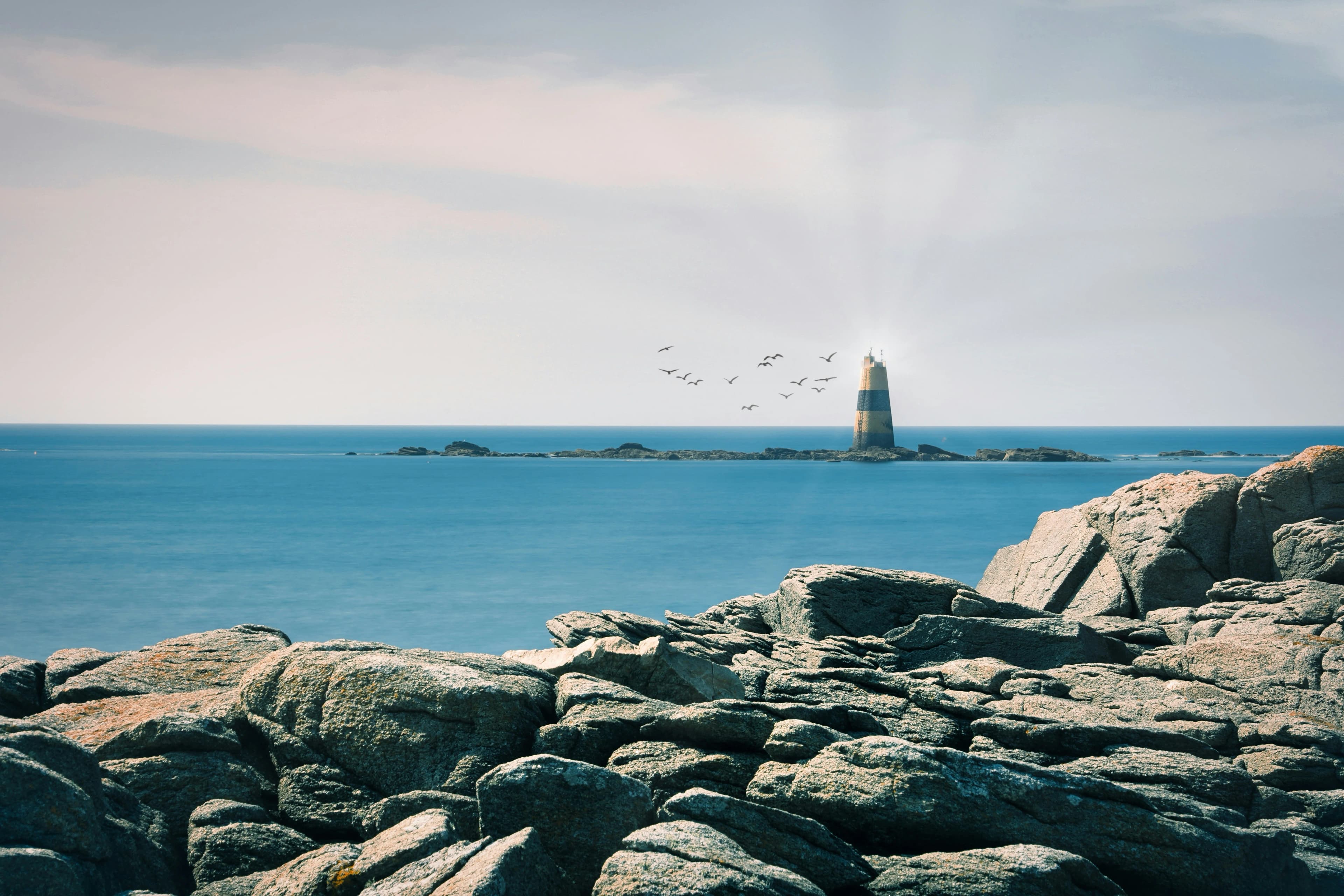
The western edge of L'Île-d'Yeu is architecturally and geologically distinct. Here, granite cliffs replace the sandy beaches of the east, and the landscape acquires a rougher Atlantic character. The Vieux Château, a medieval fortress overlooking the sea, anchors the western coastline historically. This part of the island is less populated, more exposed, and significantly quieter. Guests who seek a true sense of remoteness on the island gravitate toward the west, even if the accommodation options are correspondingly fewer.
Saint-Sauveur and the interior
The village of Saint-Sauveur occupies the interior of the island with a rural composure that feels removed from the coastal activity. Cycling paths connect it to both coasts, passing through pine woodland and low scrubland. For those who want to experience the island's agricultural and pastoral character rather than its maritime identity, the interior provides a different register entirely.
When to visit L'Île-d'Yeu for a suite stay
The island's peak season runs from mid-July through August, when ferry crossings from Fromentine and Saint-Gilles-Croix-de-Vie fill quickly and accommodation at every level reaches full occupancy. Advance planning of several months is standard for this window. The shoulder seasons, particularly May, June, and September, offer a more considered experience: the light is still Atlantic-clear, the island's flora is at its most readable, and the density of visitors drops substantially. Many experienced travelers to L'Île-d'Yeu cite September as the optimal month, combining warm sea temperatures with a return to local rhythms. Winter on the island is stark and largely deserted, appealing to a narrow profile of traveler who values solitude over comfort infrastructure.
Local hospitality standards and what to expect
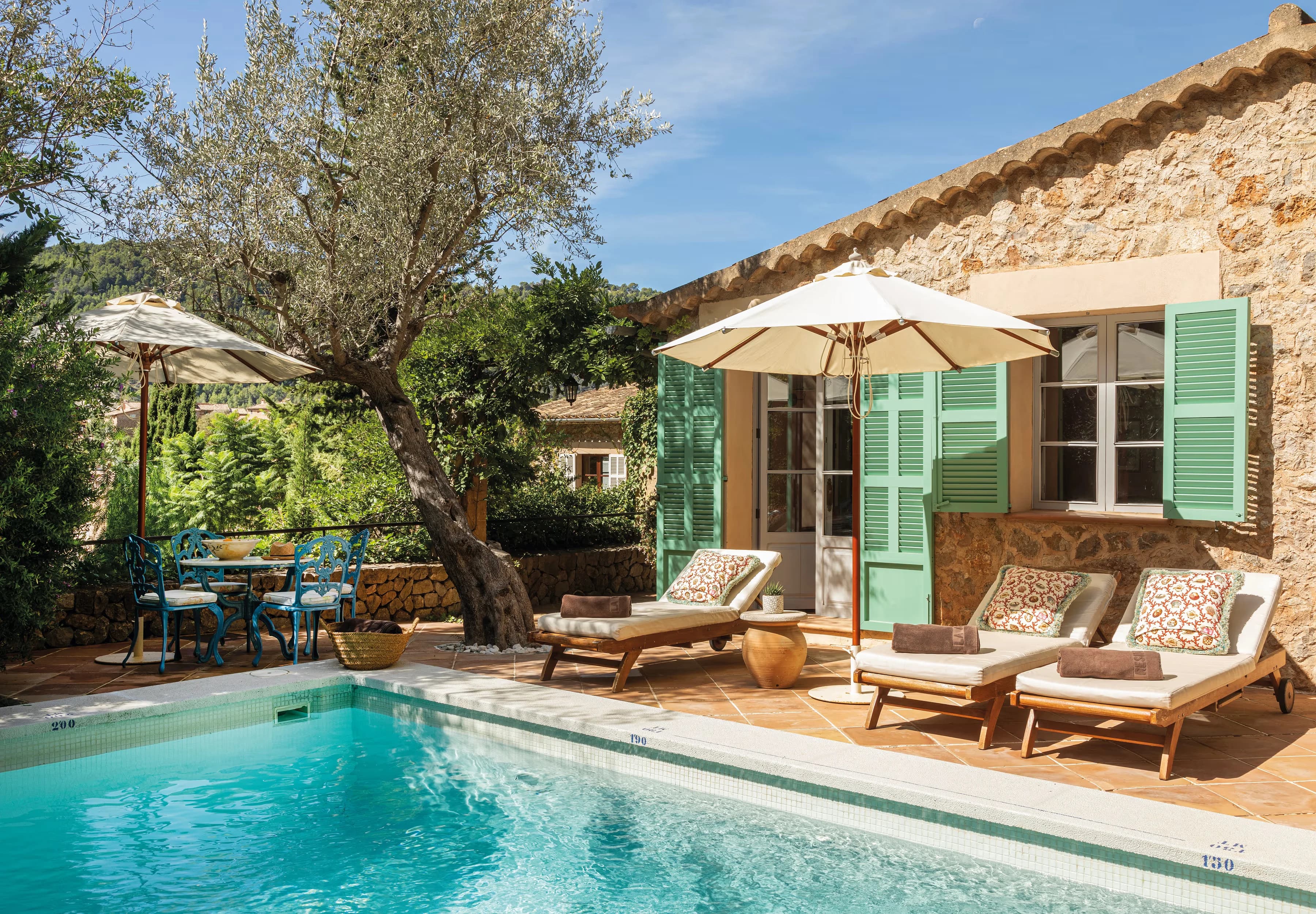
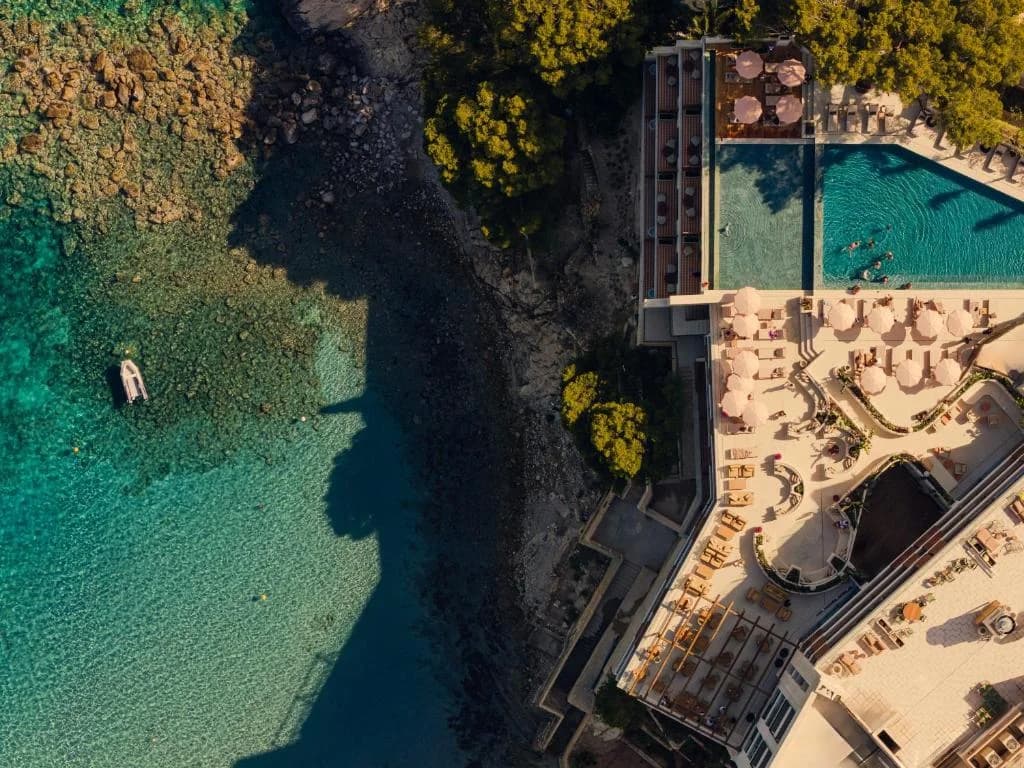
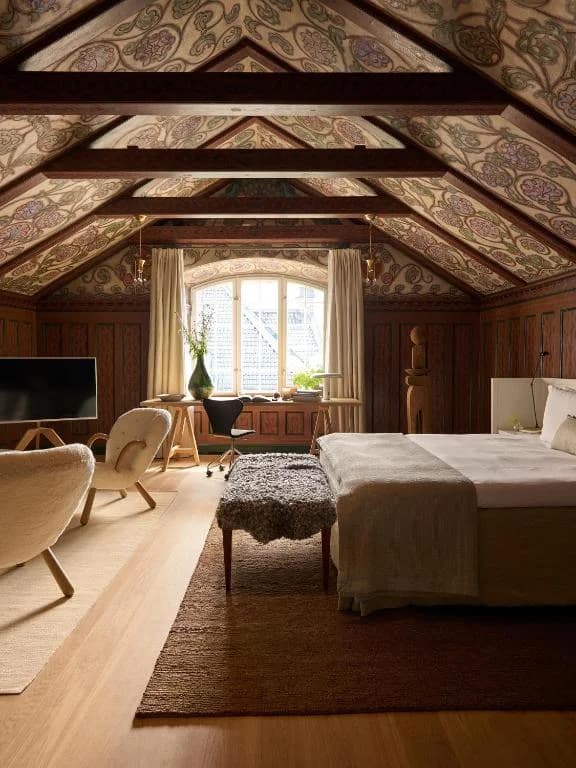
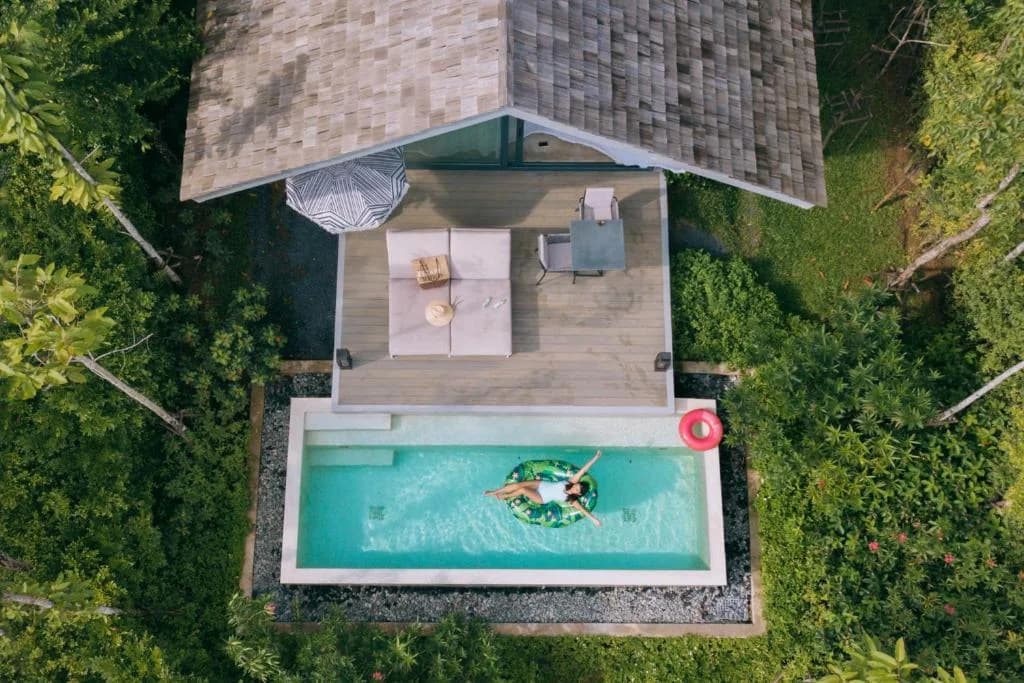
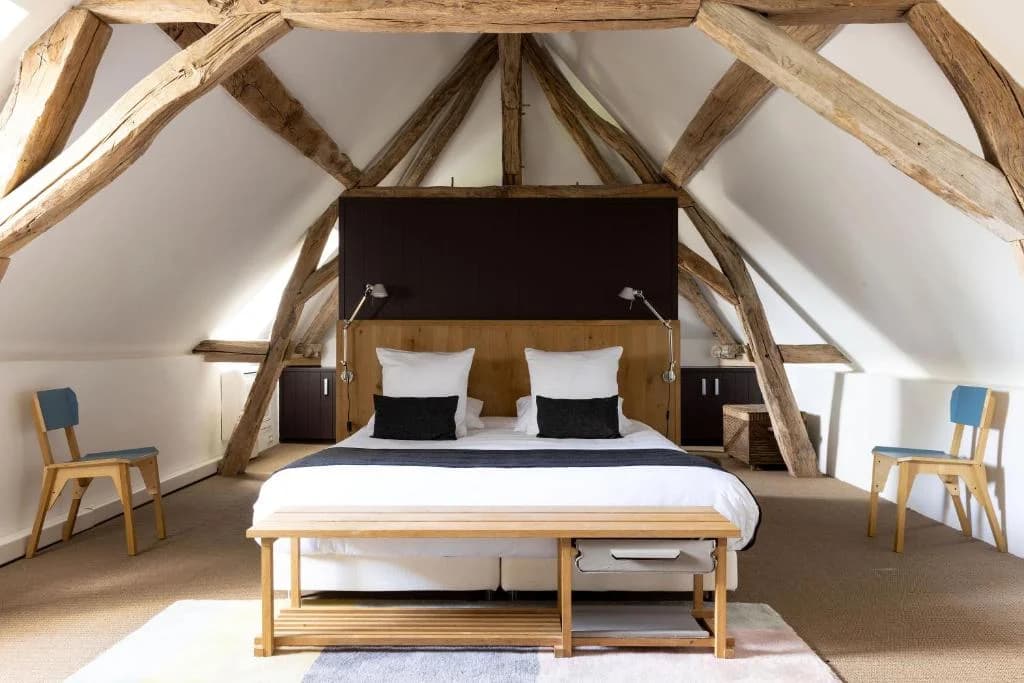
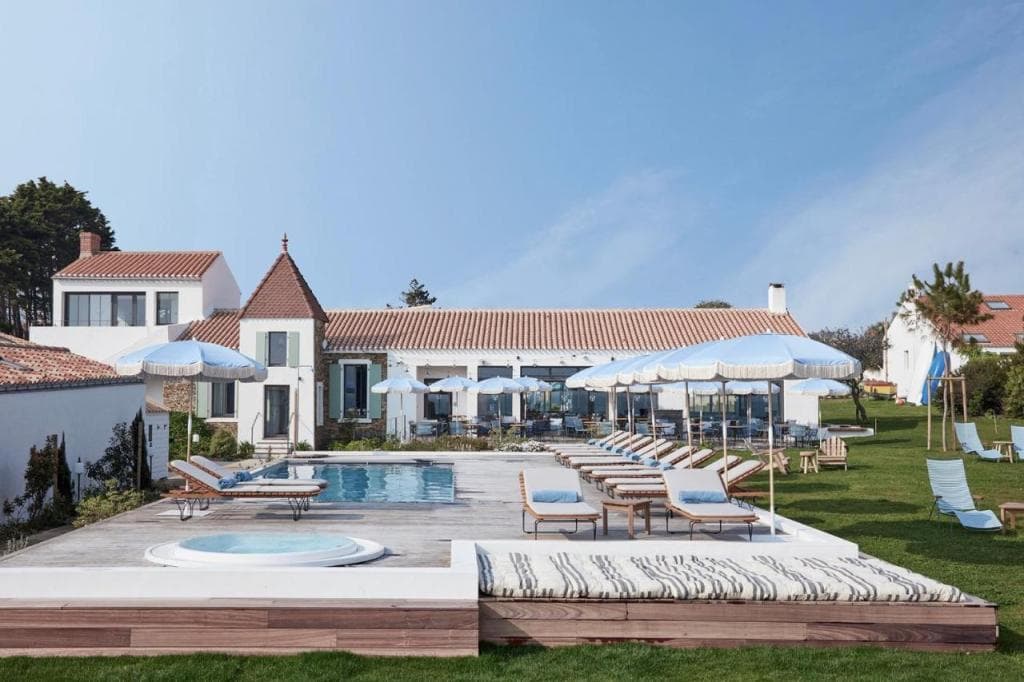
L'Île-d'Yeu does not operate within France's official Palace hotel classification system. The island's scale and population (approximately five thousand permanent residents) preclude the kind of large-format luxury hotel that earns that designation. What exists instead is a cluster of characterful maisons d'hôtes, small boutique hotels, and seasonal rental properties that have been developed with care and a strong sense of local identity. The best of these properties draw on the island's architectural vernacular: whitewashed walls, blue shutters, low stone profiles, and interior palettes that reference salt, driftwood, and linen. Suite-level accommodation on the island typically means a larger room with a separate sitting area, a private terrace, and attentive service from a small, often family-run team.
Guests accustomed to the amenity density of a major urban luxury hotel should recalibrate their expectations here. The island's value proposition is environmental and experiential rather than infrastructural. Spas, concierge fleets, and multi-outlet dining are not part of the offer. What replaces them is direct access to one of France's most preserved Atlantic landscapes, a genuinely local food culture built around fresh seafood, and an absence of the standardized hospitality language that characterizes international hotel brands.
How to choose the right suite in L'Île-d'Yeu
Given the limited volume of high-end accommodation on the island, the selection process requires a different framework than it would in a city or an established resort. Key considerations include the following.
Proximity to the coast versus village atmosphere
Choosing between a property oriented toward the harbor, the sandy eastern beaches, or the wilder western cliffs will define the sensory character of your stay. Each orientation carries a distinct acoustic and visual register: port activity versus open Atlantic exposure versus insular quiet.
Mobility and cycling infrastructure
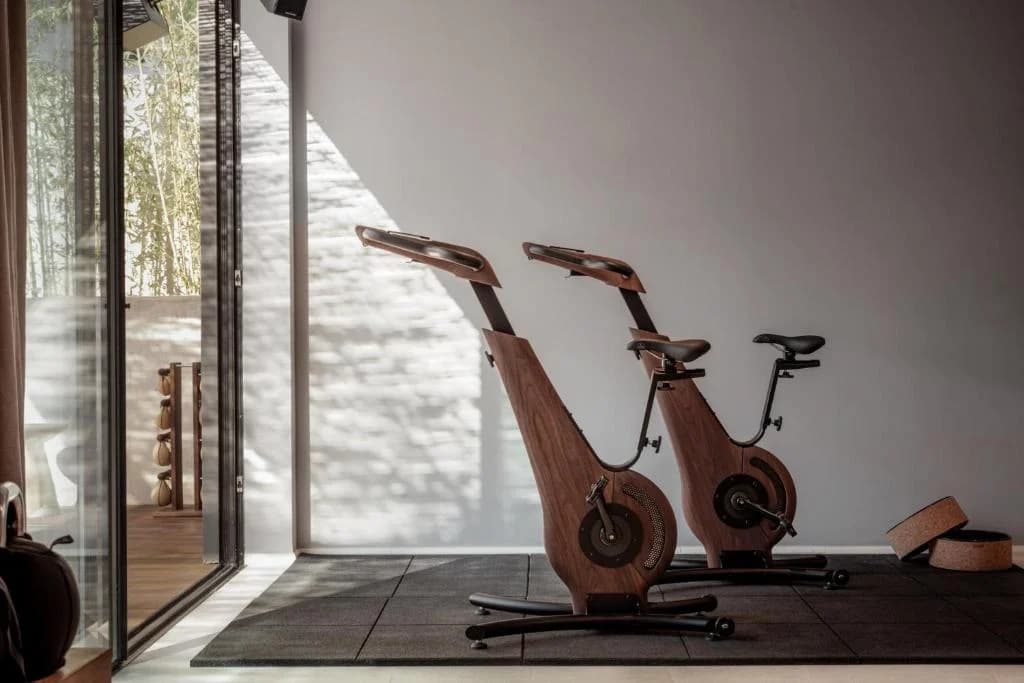
L'Île-d'Yeu's practical geography rewards guests who cycle. Properties that provide or facilitate bicycle rental, and those positioned centrally enough to allow easy access to multiple parts of the island, offer a materially different experience from those requiring a taxi for every movement. This is worth factoring into accommodation choice with the same weight as room size.
Seasonal opening windows
Many of the island's better properties operate seasonally, typically from April or May through September or October. Verifying precise opening dates and confirming availability personally rather than relying on automated booking systems is advisable, particularly at the suite level where inventory is limited to a handful of rooms per property.
Food and dining proximity
The island has a small but genuine restaurant culture concentrated around Port-Joinville. Properties within comfortable walking or cycling distance of the harbor's better tables offer a logistical advantage, particularly in the evening when a car is neither available nor desirable.
Why curation matters on an island with limited supply
On a destination like L'Île-d'Yeu, where the total inventory of suite-level rooms is measured in dozens rather than hundreds, the cost of a misaligned choice is proportionally higher than in a city with fifty alternative hotels. A room that photographs well but sits poorly relative to wind exposure, noise, or morning light can compromise a stay that cannot be easily replicated. La Suite applies an editorial and experiential filter to destinations of this type: identifying the properties where the physical environment, the service model, and the suite specification align precisely with the expectations of a guest who has traveled deliberately to be here. The curated selection by La Suite in destinations like L'Île-d'Yeu is built on that specificity.