Airelles Château de la Messardière, Saint-Tropez
Airelles Château de la Messardière features free bikes, seasonal outdoor swimming pool, a garden and private beach area in Saint-Tropez. Providing a restaurant, the property also has a terrace, as wel

Provence is not a uniform destination. Its geography divides into distinct zones, each with its own atmosphere and its own typology of luxury property.
111 hotels available

Airelles Château de la Messardière features free bikes, seasonal outdoor swimming pool, a garden and private beach area in Saint-Tropez. Providing a restaurant, the property also has a terrace, as wel

Just a stone's throw from the famous Place des Lices and a few yards from the port, the Pan Deï Palais is a luxury hotel designed as a true oasis of serenity in the heart of Saint-Tropez. The spaciou

Althoff Hotel Villa Belrose is located on the hills of the Côte d’Azur, just a 5-minute drive from Saint Tropez and offers panoramic views of the bay and the French Riviera’s coastline. Guests can enj

Prime Location Anantara Plaza Nice Hotel in Nice offers a central setting with stunning views. Plage du Centenaire is a 3-minute walk away, while Nice-Ville Train Station lies 15 minutes on foot.

Located in Valdeblore, 30 miles from Col de la Lombarde, Auberge de la Roche has accommodations with a garden, free private parking, a terrace and a restaurant. The hotel has a sauna, room service and

Set within 5 hectares of Mediterranean gardens, this 18th-century building is in Grasse, famous for its perfume industry. Guests can relax in the outdoor swimming pool and or enjoy gourmet food at the

Beachfront Location Bleu Hôtel & Spa by Germain Collection in Carry-le-Rouet offers direct beachfront access with stunning sea views. Guests can relax on the sun terrace or take a dip in the swimming

professional

Château Beaupin chambres et suites is located in Marseille, near the beach. This listed building dates from 19th century. The hotel features a swimming pool, bar-restaurant and certain rooms have a pr

Featuring 2 restaurants, a private beach and vitality pool, Cap d'Antibes Beach Hotel is a boutique hotel located on Cap d'Antibes. Juan-les-Pins is a 10-minute walk away. All rooms are soundproofed,

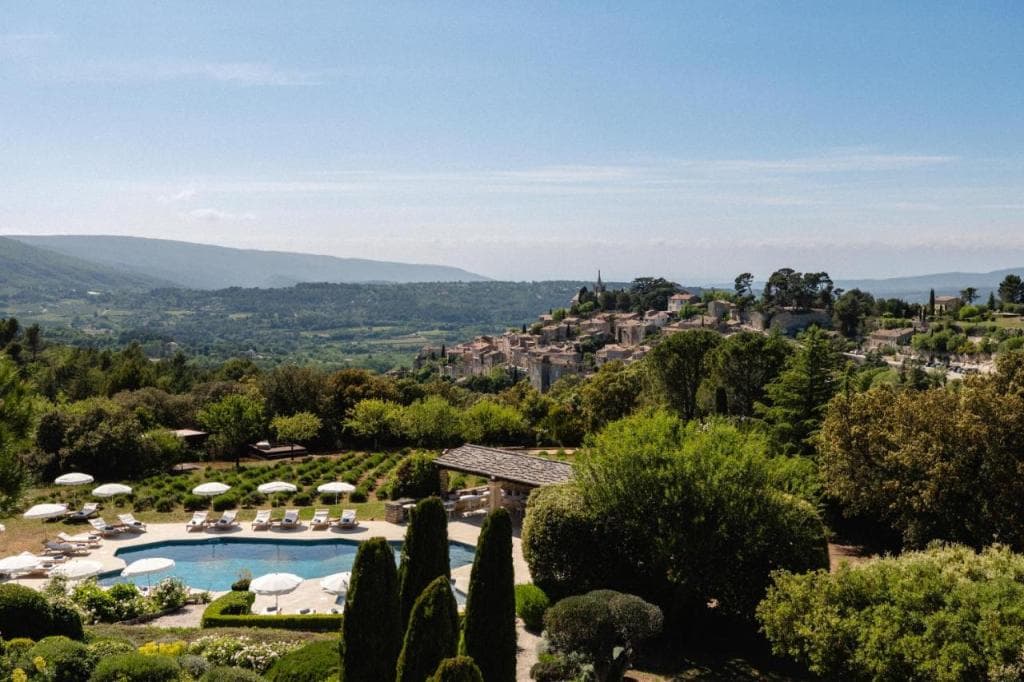
Perched above Bonnieux Village, this hotel overlooks the Luberon Mountains. Avignon is 31 mi away. Guests can also discover the gastronomic restaurant La Bastide*, the provençal restaurant La Bergeri

Built in 1911, the hotel overlooks the bay on the Boulevard Croisette and features its own private beach, pier and Belle Epoque façade. It is located 2625 feet from the Palais des Festivals, in centra

Elegant Accommodations Château de Berne in Lorgues offers luxurious rooms with garden views, private balconies, and modern amenities. Each room includes air-conditioning, free WiFi, and a private

Offering a seasonal outdoor pool and a fitness center, Château de Fonscolombe - Relais & Châteaux is an 18th-century castle located in Le Puy-Sainte-Réparade, just minutes from Aix-en-Provence and at

Elegant Accommodations Château de la Gaude in Aix-en-Provence offers a 5-star hotel experience with a modern restaurant, spa facilities, and a beautiful garden. Guests enjoy free WiFi, a fitness c

Facing the beachfront, Château de Théoule Hôtel & Spa offers 5-star accommodations in Théoule-sur-Mer and has a seasonal outdoor swimming pool, fitness center and garden. Offering a restaurant, the pr

Château de Valmer is a luxurious chateau set in a large park in La Croix Valmer with a swimming pool, palm grove and vineyard. It has access to a private beach on Gigaro Beach at La Pinède Plage 1312

This hotel is a converted chateau in the medieval and pedestrian village of Eze. It offers rooms with a view of the Mediterranean Sea and a gastronomic restaurant. Rooms and suites at Chateau Eza are

Located in Vence, 15 mi from Nice, Château Saint-Martin & Spa, Oetker Hotels is a 12th-century Knight Templar Castle with panoramic views of the Mediterranean Sea. It offers a heated swimming pool, a

Located in Grimaud, a 5-minute walk from Vieux Moulin Beach, COMO Le Beauvallon - Golfe de Saint-Tropez provides accommodations with a seasonal outdoor swimming pool, free private parking, a fitness c
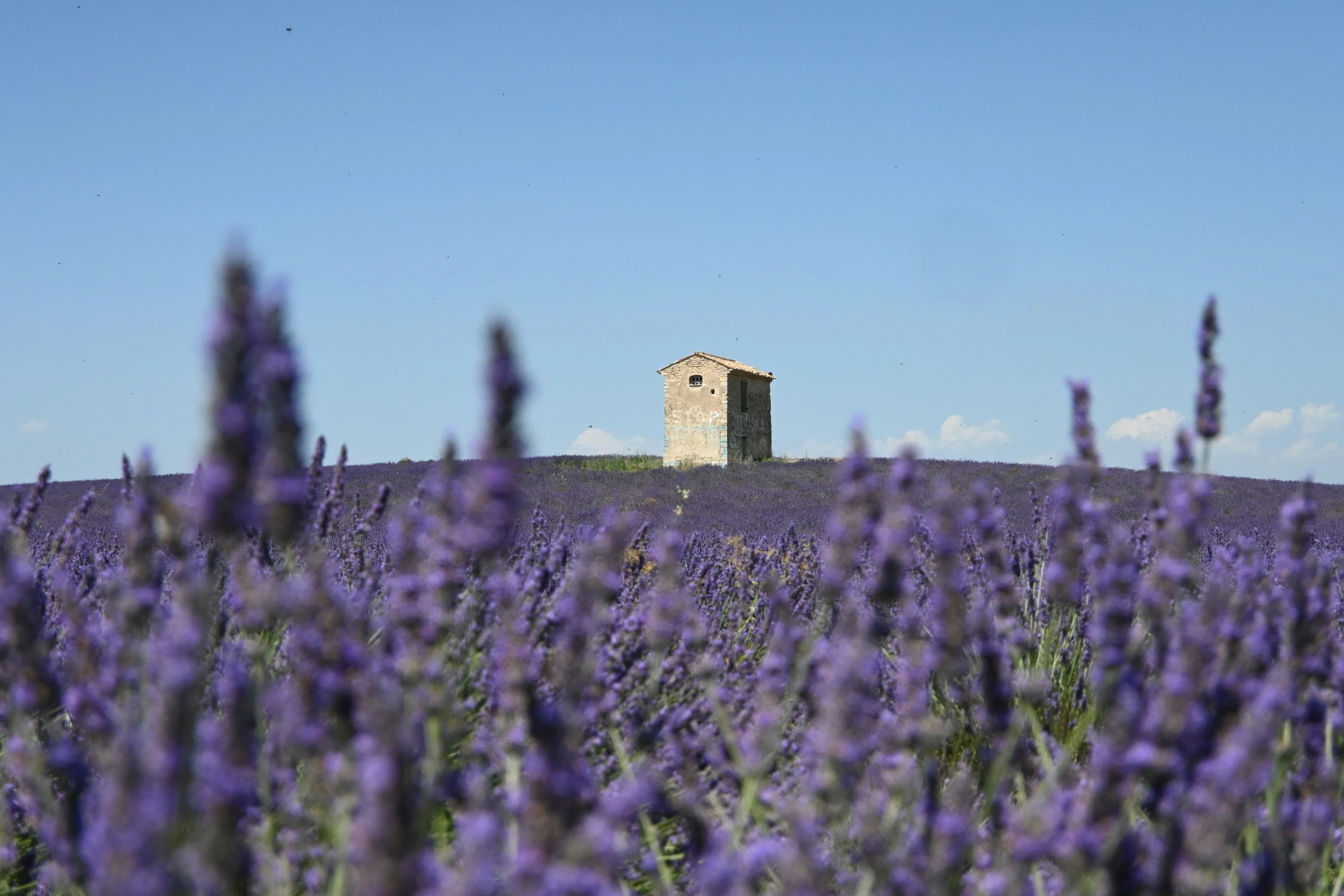
The Luberon massif, classified as a regional natural park, anchors the northern part of Provence Vaucluse. The villages of Gordes, Bonnieux, Ménerbes, and Lacoste occupy ridge positions above terraced vineyards and dry-stone walls. Properties here tend to occupy converted bastides or mas, the traditional Provençal farmhouses, with thick stone walls calibrated to hold cool air through the summer heat. Suite formats in this zone frequently include private garden access, exterior stone terraces, and direct exposure to the lavender fields of the Valensole plateau when the season is correct. The aesthetic register is mineral and restrained.
The Alpilles, a compact limestone range west of the Durance, form one of the most architecturally coherent zones in southern France. Saint-Rémy-de-Provence functions as the cultural and commercial centre, with a calendar of contemporary art, antiquarian markets, and an unusually dense concentration of serious restaurants. Luxury hotels in the Alpilles tend toward discretion: properties set behind stone walls, pools integrated into the landscape rather than imposed on it, and interiors that reference the neo-classical heritage of the region without replicating it mechanically.
Moving east into the Var département, the landscape shifts toward denser forest, truffle-producing oak woodland, and the dramatic geography of the Verdon gorge, one of the largest canyons in Europe. Luxury properties here are less numerous and more isolated, which constitutes precisely their appeal for a certain traveler. Suite stays in this zone prioritise seclusion, territorial views, and proximity to wine appellations including Bandol and Côtes de Provence rosé producers.
The coastal strip between Cassis and Saint-Tropez runs through the Calanques national park, the Var coast, and the peninsula of Saint-Tropez. This zone operates at a different pace and price point than the interior. Luxury hotel suites here command sea views, direct beach access, or terrace positions above the water. The architecture shifts from stone mas to whitewashed Mediterranean forms. The season is compressed and intense, running from late June to early September at full capacity.
The conventional answer is June and September. Both months offer a combination of moderate temperatures, lower pressure on availability, and the full activation of the landscape without the thermal intensity of July and August.
June marks the lavender harvest season in the Valensole plateau and the Luberon, a photographic and olfactory event that draws a specific category of cultural traveler. The Festival d'Aix-en-Provence, running through July, is among the most significant operatic events in France, and suite demand in the greater Aix region responds accordingly. The Avignon Theatre Festival in July mobilises the entire Vaucluse département.
October and November represent an underutilised window. The light shifts to amber, the truffle season opens in the Var, the harvest is complete in most appellations, and the majority of short-stay tourists have withdrawn. Luxury properties that remain open in this period frequently offer their most considered service, with smaller guest volumes and more attentive staffing ratios.
High summer, July and August, remains fully operational for coastal properties but requires the earliest possible suite reservations. Interior properties during these months require genuine heat tolerance or air-conditioned suites with sufficient thermal mass in the construction.
France's national classification system includes the Palace designation, awarded by Atout France and sitting above the five-star category. Several properties in Provence and its immediate periphery hold or have held this designation. The criteria include surface area minimums for suites, service language requirements, architectural heritage standards, and a food and beverage offer at a specific level.
Beyond the Palace category, Provence has developed its own regional typology of luxury property. The mas de luxe, a converted farmhouse with typically fewer than twenty rooms, operates on a model of intimacy and agricultural integration: private pools, kitchen gardens supplying the table, wine cellars drawing on local appellations. The bastide, a term denoting a more formal country house, implies greater architectural ambition and often a more structured service model.
Suite sizes in Provençal properties vary considerably. In converted historic buildings, suite geometry is dictated by original room configurations rather than contemporary hospitality standards. This produces irregular floor plans, unexpected ceiling heights, and architectural idiosyncrasies that constitute part of the offer. Travelers calibrated to the uniformity of international luxury hotel chains should account for this variable.
The primary variable is orientation: interior versus coastal. The two zones operate at different prices, different seasons, and with different architectural languages. A suite in the Luberon and a suite above the Gulf of Saint-Tropez are formally different products serving different travel intentions.
Within the interior, the second variable is altitude and exposure. Properties in hilltop village positions offer territorial views and natural ventilation. Properties in valley positions offer garden depth, greater surface areas, and proximity to agricultural landscapes but may be warmer in high summer.
The third variable is architectural register. Historic bastides and mas carry the patina and the constraints of their original construction. Contemporary properties, including several that have inserted modern structures into agricultural landholdings, offer greater spatial consistency, newer technical installations, and a more controlled aesthetic.
For families, the critical consideration is suite configuration: connected rooms, private garden access, and pool exclusivity options vary significantly between properties. For couples or solo travelers, the relevant question is privacy geometry: can the suite terrace or pool be overlooked, and what is the acoustic profile of adjacent spaces.
Provence has a large and uneven hospitality market. The volume of properties presenting themselves as luxury or boutique is considerable, and the gap between presentation and reality is not always small. The category of converted mas or bastide includes properties at every level of actual quality, from genuinely exceptional to merely decorative.
La Suite applies a consistent editorial framework to its selection: verified suite specifications, architectural and spatial standards, and a focus on the experiential logic of each property rather than its marketing language. For a destination as geographically and qualitatively diverse as Provence, this curatorial discipline is particularly useful. It removes the work of cross-referencing dozens of properties with inconsistent information, and it surfaces the suites that genuinely deliver on the regional promise: space, light, material quality, and a considered relationship to the Provençal landscape.

June and September offer the most balanced conditions for a luxury suite stay in Provence: moderate temperatures, full landscape activation, and slightly lower pressure on availability than the peak July and August window. October is an increasingly valued period, particularly for travelers interested in truffle season and harvest-related experiences in the Var and Luberon.
A mas is a traditional Provençal farmhouse, typically compact and agricultural in origin, converted into a luxury property with an emphasis on intimacy and landscape integration. A bastide denotes a more formal country house with a structured architectural composition, implying larger volumes and, generally, a more extensive service model. Both typologies appear in the premium suite market in Provence.
The Palace designation, France's highest hotel classification awarded by Atout France and sitting above the five-star category, is represented in Provence and its immediate periphery. It carries specific requirements around suite surface areas, multilingual service, architectural heritage, and food and beverage standards. Availability within this category in the region is limited, and advance planning is essential.
In the Luberon, the most relevant suite features are private terrace access with unobstructed territorial views, natural ventilation or climate control appropriate to summer heat, and proximity to the lavender plateaux if visiting in June. Stone-construction properties retain heat less aggressively than modern builds, and ground-floor suites with direct garden access are a consistent preference for guests seeking outdoor privacy.
For coastal Provence in July and August, the most desirable suites at well-regarded properties typically fill six to nine months in advance. Interior Provence, including the Luberon and Alpilles, has slightly more availability but the best-positioned suites at smaller properties with ten to twenty rooms can be reserved equally early. For the Avignon and Aix festival periods in July, the same extended lead time applies.
Yes, and arguably the off-peak months offer a more complete experience of the region for a certain traveler. October through November activates the truffle market, the olive harvest, and the wine appellation cycle across the Var and Vaucluse. Properties operating year-round in this period tend to offer a more attentive service ratio and a quieter territorial experience. Not all properties remain open past October, so verification is required.
Coastal suites in the Saint-Tropez to Cassis corridor prioritise sea exposure, terrace positioning above water, and proximity to beach infrastructure. The architecture tends toward whitewashed Mediterranean forms and the season is sharply compressed. Interior suites in the Luberon or Alpilles emphasise territorial views over agricultural landscapes, stone architecture with thermal properties, and a slower pace oriented around gastronomy, wine, and landscape immersion rather than beach access.
The Var interior, including the area around the Verdon gorge and the Haut-Var truffle country, offers the greatest degree of isolation within Provence, with properties typically set on large private landholdings. The eastern Luberon, around Sivergues and Buoux, also provides seclusion with minimal tourist infrastructure. These zones suit travelers prioritising privacy, silence, and a direct relationship with the natural landscape over cultural programming or gastronomy density.
Many of the most sought-after luxury properties in Provence occupy buildings from the seventeenth to nineteenth centuries, and suite geometry in these cases reflects original room configurations rather than contemporary hospitality standards. This produces irregular floor plans and atypical ceiling heights that are part of the architectural offer. Travelers accustomed to the geometric consistency of international hotel chains should account for this variability and verify specific suite dimensions before booking.
La Suite applies a consistent editorial framework focused on verified suite specifications, spatial quality, architectural integrity, and the experiential logic of each property in its landscape context. Given the volume and unevenness of the Provençal hospitality market, where the gap between marketing presentation and actual quality can be significant, this curatorial approach removes the work of cross-referencing inconsistent information and surfaces the properties that genuinely deliver on the regional offer.