Why Aix-en-Provence rewards suite-level stays
Areas to consider when choosing where to stay
The Quartier Mazarin and the historic centre
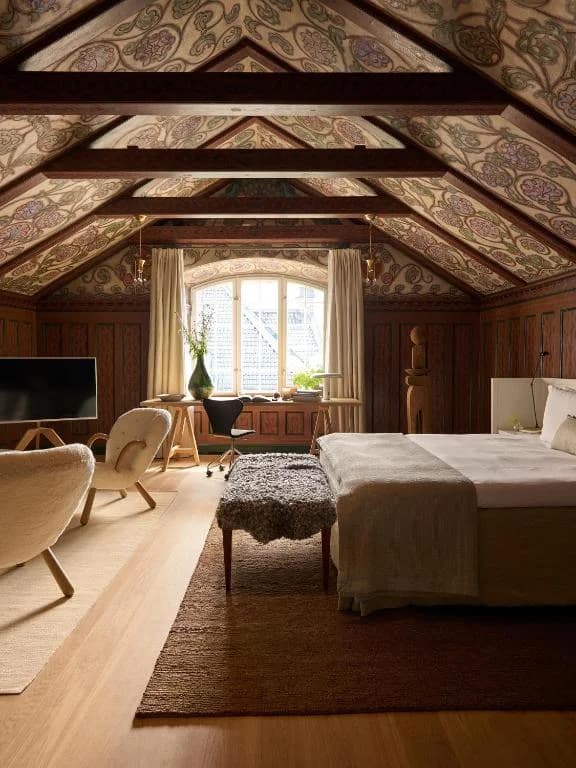
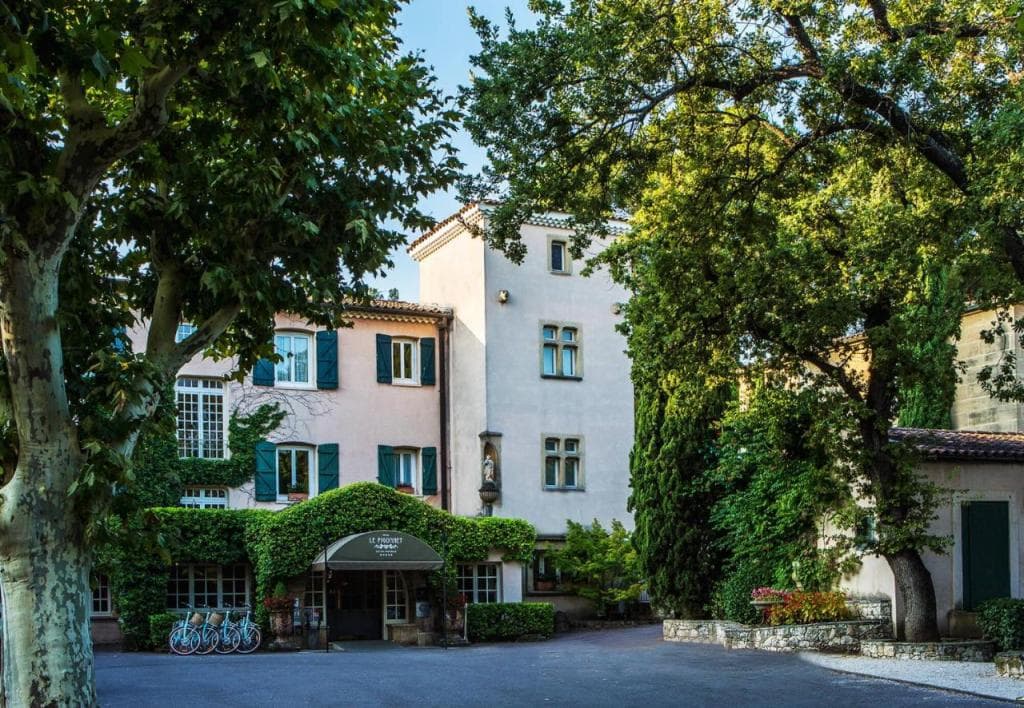
The area south of the cours Mirabeau, known as the Quartier Mazarin, contains some of the city's most refined addresses. Built to a formal grid in the 17th century, it offers proximity to the main market streets and the Granet Museum without the noise of the commercial core. Properties here tend to occupy converted private mansions, and suites within these buildings retain original architectural features: painted ceilings, tiled floors, interior gardens. This is the most coherent neighbourhood for travelers who prioritise historical context.
The cours Mirabeau and the old town
The cours Mirabeau itself functions as the city's social spine. Lined with plane trees and 17th-century facades, it connects the Quartier Mazarin to the old town, known locally as the Vieil Aix. Properties adjacent to or within walking distance of this axis benefit from immediate access to the city's principal cafés, galleries, and institutions. The old town is denser and louder, but its medieval street pattern and recurring fountains create a sensory environment unlike any other Provençal city.
The outskirts and the Aix countryside
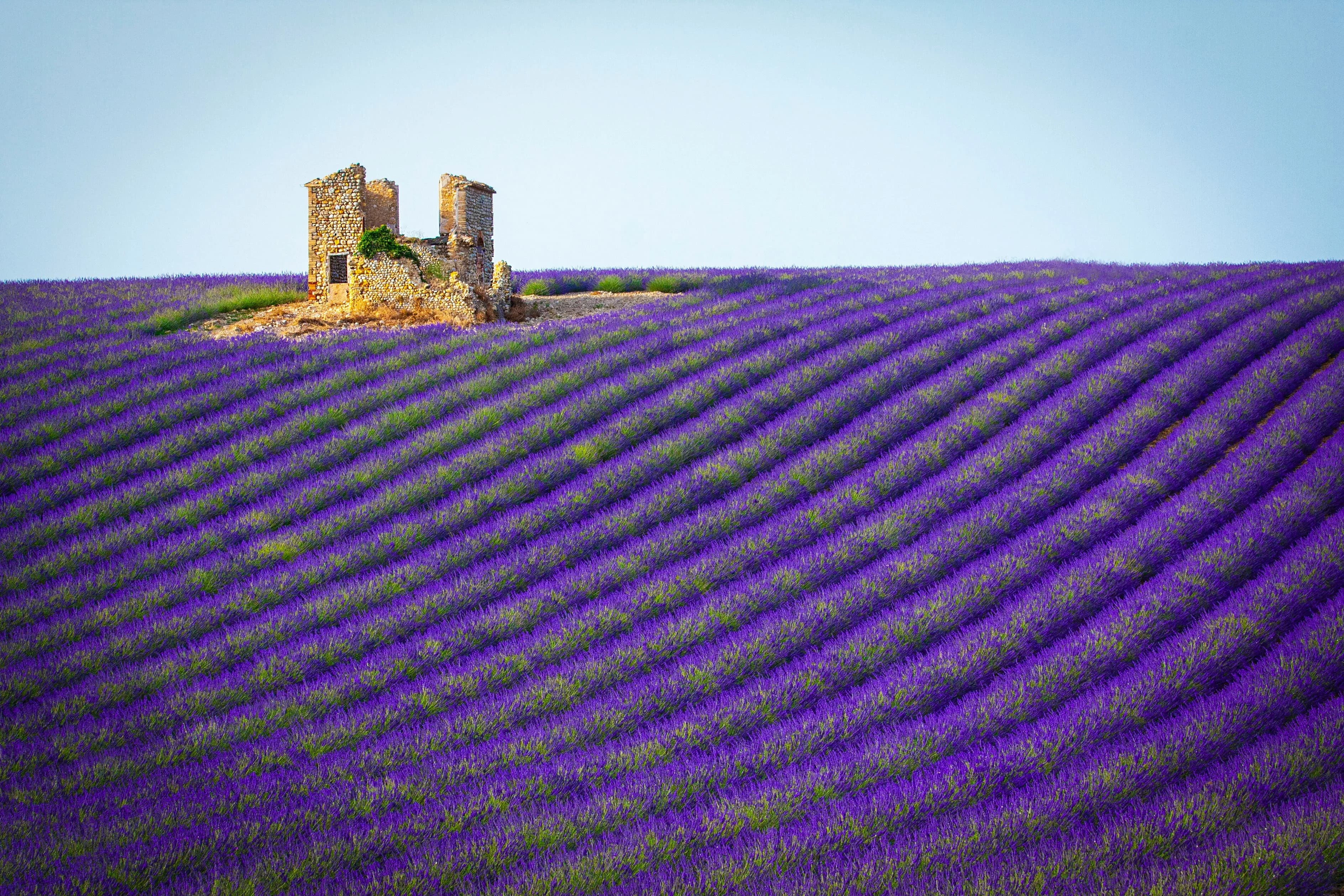
Beyond the city limits, the landscape of the Aix region opens toward the Arc valley and the slopes of the Sainte-Victoire mountain, the subject of Cézanne's extended series of paintings. Several luxury properties operate in this periurban zone, combining proximity to the city with the silence and visual scale of the Provençal countryside. These options suit travelers who wish to use Aix as a cultural base while sleeping in a landscape that directly informed one of the most significant bodies of work in Western painting.
When to visit Aix-en-Provence
The city's most desirable period for suite travel runs from late April through June and from September through October. These months offer stable, warm temperatures, lower visitor density than the peak summer weeks, and access to the city's primary cultural calendar. The Festival d'Aix-en-Provence, one of Europe's most respected opera festivals, takes place each July and draws an international audience to the Archevêché theatre and other historic venues across the city. Suite availability during this period tightens considerably, and advance planning of several months is standard practice.
August brings significant heat and a concentration of tourists, which affects the character of the city's public spaces. November through March is quiet, with mild winters by northern European standards, and offers the most favourable conditions for engaging with the city's museums and market culture without the pressures of high season.
Understanding the local luxury standard
France operates a formal classification for its most exceptional hotel properties: the Palace designation, awarded by Atout France to a limited number of establishments meeting strict criteria across space, service, architecture, and cultural integration. No property can self-designate as a Palace. In Aix-en-Provence and the surrounding Provence-Alpes-Côte d'Azur region, several properties hold or are considered at the level of this designation, reflecting a regional tradition of hospitality rooted in the mas and bastide typology: large rural residences converted or purpose-built as high-end hotels.
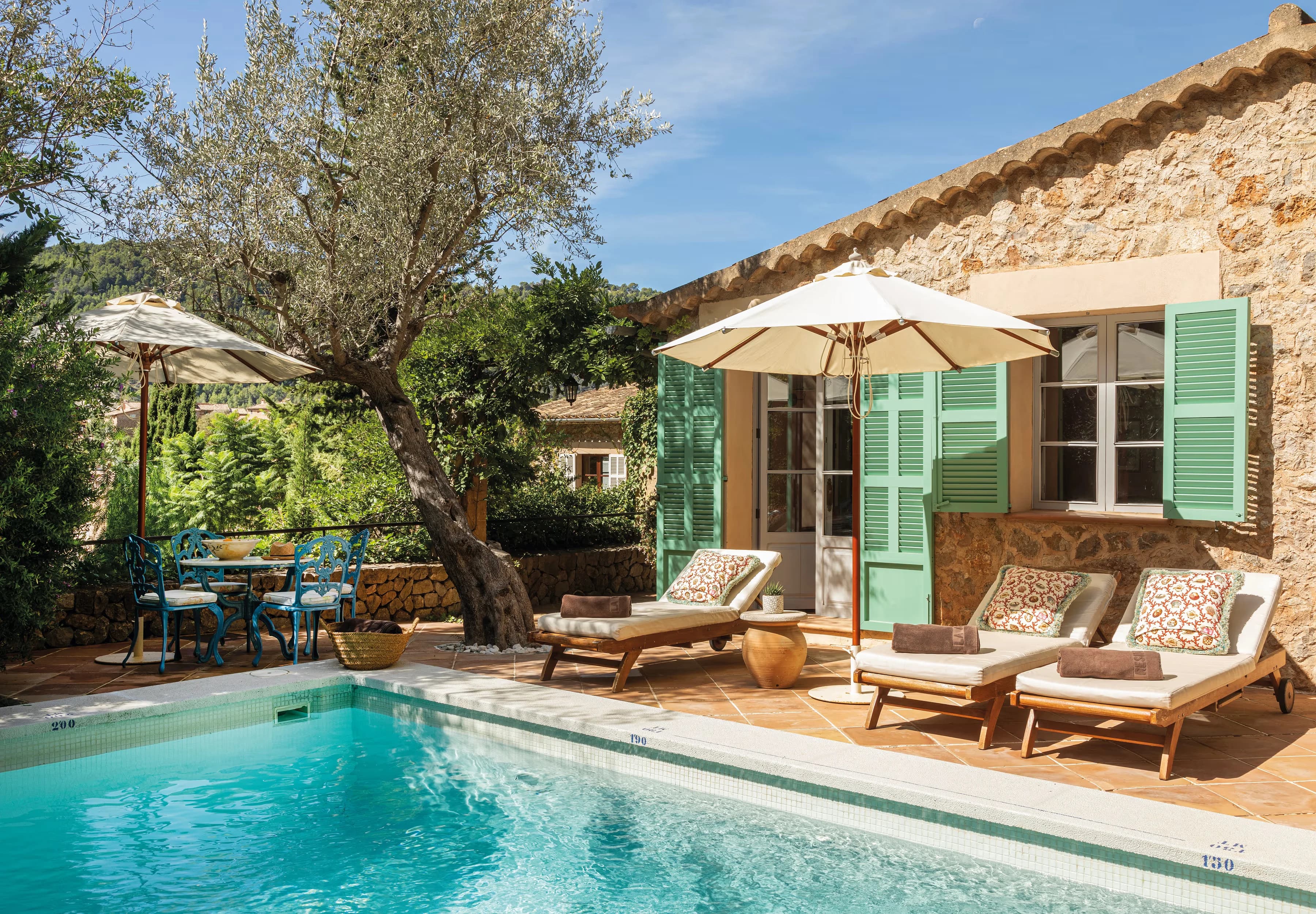
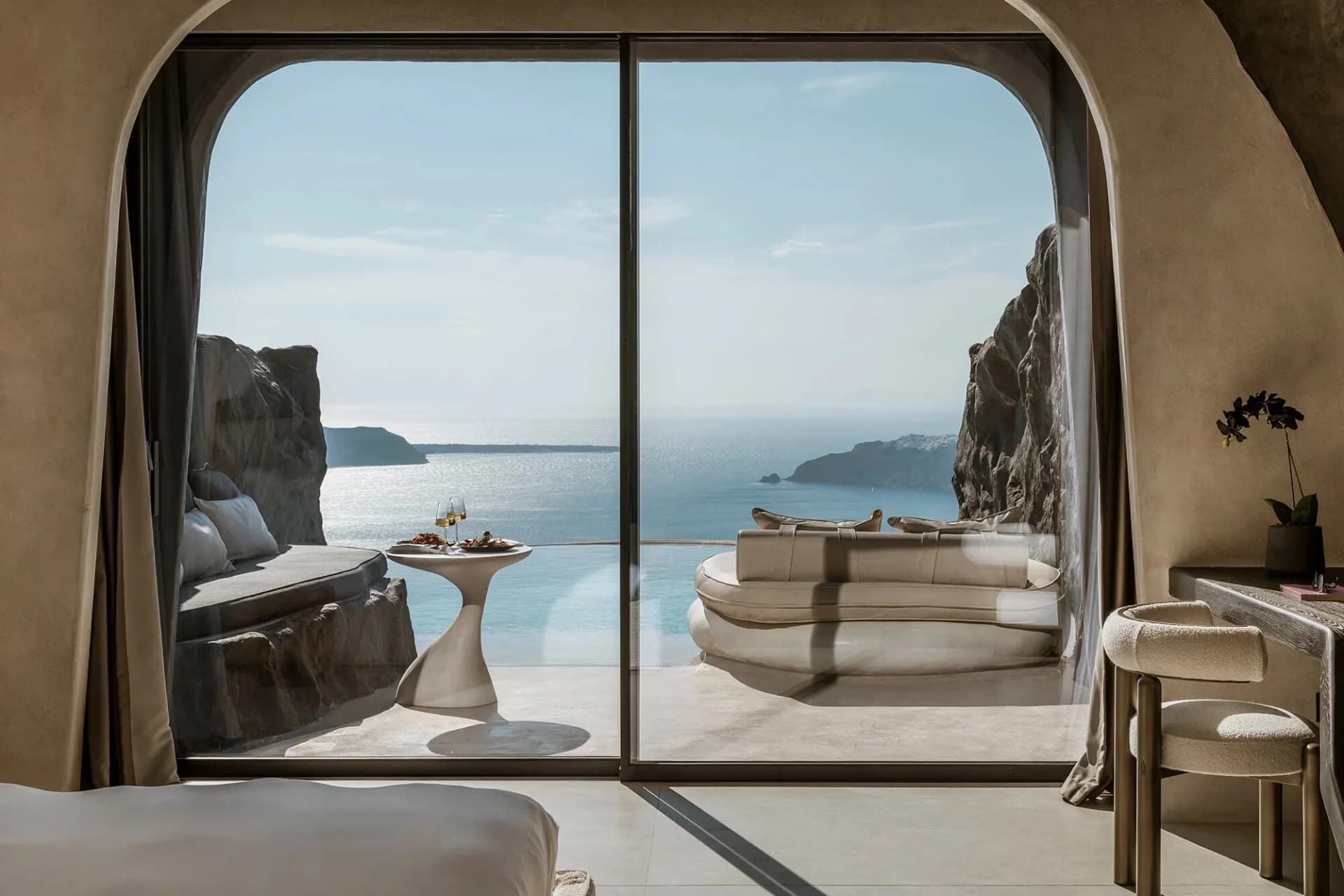
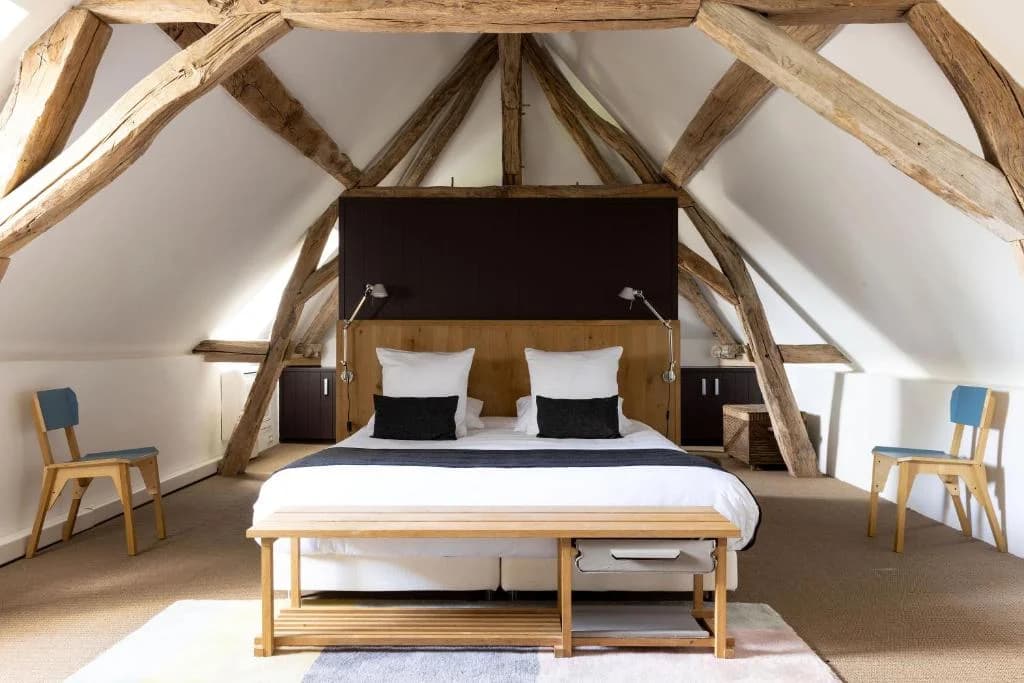
At suite level in this context, travelers should expect rooms of substantial size, with direct access to gardens or terraces as a near-standard feature. The local aesthetic draws on Provençal craftsmanship: stone floors, hand-woven textiles, locally sourced materials, and a restrained colour palette that reflects the regional landscape. Service in the finest properties is attentive without being intrusive, calibrated to the particular tempo of Provençal life.
How to choose the right suite in Aix-en-Provence
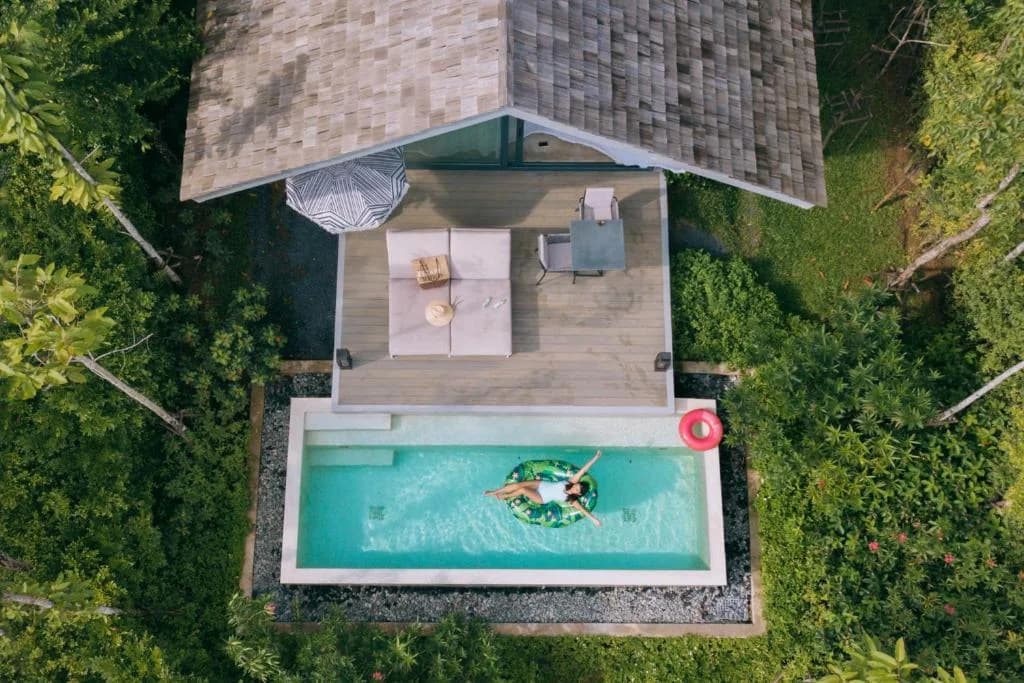
The primary decision in Aix is between historic urban properties and countryside estates. Both categories offer suite-level experiences, but the experience diverges significantly. Urban suites place travelers within walking distance of the city's cultural infrastructure: the Musée Granet, the Atelier Cézanne, the cours Mirabeau, the twice-weekly market on the place de Richelme. Countryside suites offer private pools, greater spatial privacy, and direct visual access to the Provençal landscape, but require transport to engage with the city itself.
A second consideration is the architectural character of the property. Aix has a strong tradition of adaptive reuse: former private mansions, ecclesiastical buildings, and industrial structures converted into hotel spaces. The quality of that conversion varies considerably. Suite travelers with a preference for coherence between the building's history and its current function should research the property's original purpose and the approach taken to its transformation.
Terrace access is a practical priority in a city with more than 300 days of sunshine per year. A suite with a private outdoor space changes the functional experience of a stay, allowing breakfast, evening drinks, and informal work to occur in a climate that rewards outdoor living.
The value of a curated selection in this destination
Aix-en-Provence presents a specific editorial challenge for luxury travelers: the city's prestige and proximity to the Côte d'Azur have produced a wide range of properties that market themselves at the high end without meeting consistent suite-level standards. The gap between aspirational positioning and actual spatial or service quality can be significant.
La Suite applies a consistent set of criteria to every property in this destination, focusing on the quality of the suite itself as a spatial and experiential unit rather than on the property's overall star rating or marketing category. The curated selection at lasuite.com reflects properties where the suite is the primary architectural and experiential offer, not an afterthought. For travelers making significant investment decisions around accommodation, that level of editorial precision removes a material layer of uncertainty from the planning process.