Where to stay around Lourmarin
To the north, the Luberon plateau and the villages of Cucuron, Cadenet, and Ansouis provide a more secluded context for estate-style properties. These areas are characterised by working vineyards, truffle oak groves, and agricultural silence that is genuinely difficult to locate elsewhere in Europe at this latitude. A luxury hotel suite in this corridor positions guests at the intersection of natural landscape and Provençal culinary culture.
To the south, the Pays d'Aix corridor connects Lourmarin to Aix-en-Provence within forty minutes by car. Properties in this transitional zone often combine Provençal architectural vocabulary with more contemporary interior programmes, attracting a design-conscious clientele who want proximity to both the village and the city.
When to visit Lourmarin
The Luberon has two primary seasons for suite travel. Late spring, from mid-April through June, delivers the most temperate conditions: lavender fields in early growth, markets operating at full capacity, and château visits without high-summer pressure. Temperatures are reliably warm without the intensity of July and August. Hotel availability at this period is more fluid, and rates reflect that.
July and August represent peak demand across all of Provence. Lourmarin's market on Fridays draws significant numbers, and the village's classification as one of the Plus Beaux Villages de France amplifies visitor concentration. Suite bookings for this window should be secured well in advance, particularly for properties offering private terraces or pool access.
September and October constitute a second, often preferred, season for experienced Provence travelers. The light shifts to a cooler register, the vendange (grape harvest) creates activity across local domaines, and the village returns to a pace closer to its ordinary rhythm. Truffle season begins in November across the Luberon, attracting a specific category of gastronomic traveler willing to visit outside conventional summer parameters.
Local luxury standards in the Luberon and Lourmarin
France operates a formal luxury hotel classification system, with the Palace designation representing the highest tier, awarded by Atout France to a select number of properties across the country. Within the Luberon and Lourmarin region, the relevant benchmark is the five-star category rather than Palace, as the area's character is shaped by smaller, architecturally significant properties rather than grand palace-scale hotels.
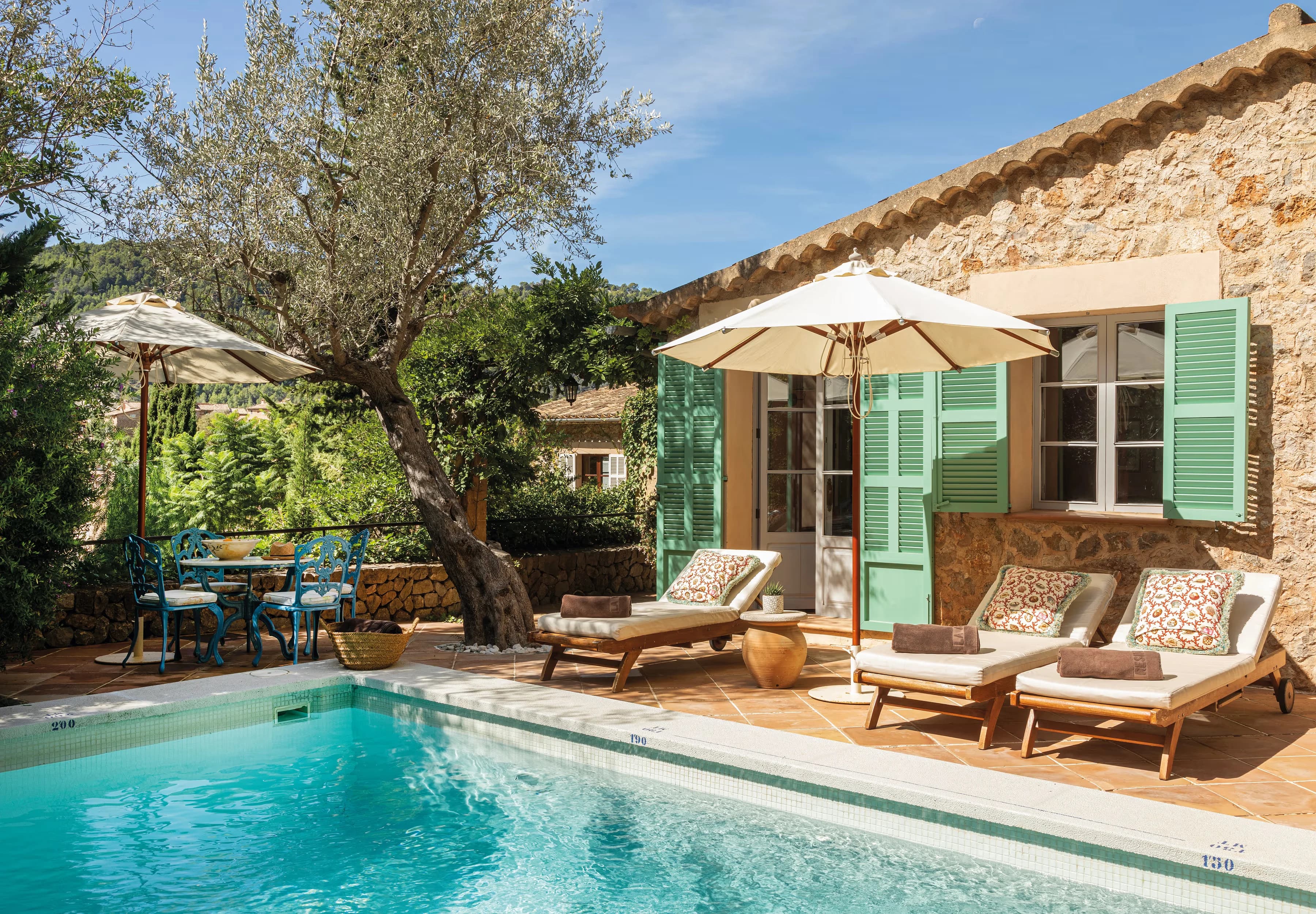
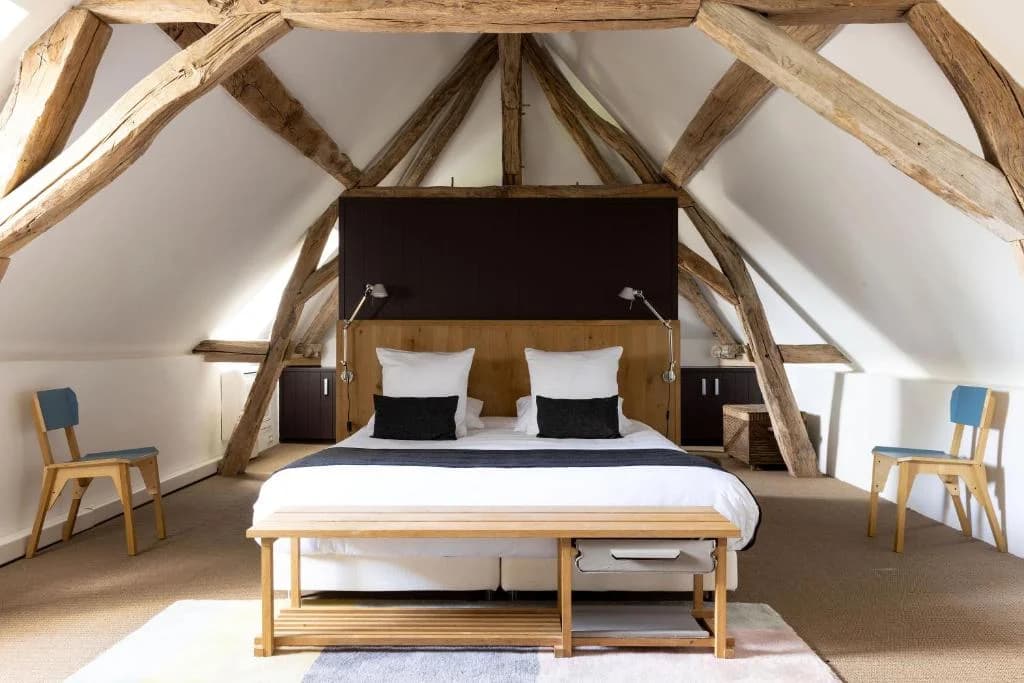
The dominant property typology here is the mas: a Provençal farmhouse conversion, typically in dressed stone, with exposed beam ceilings, terracotta or stone flooring, and gardens structured around lavender, rosemary, and fig. The finest mas conversions integrate contemporary comfort within this architectural envelope with precision. A luxury hotel suite in this context will typically feature private outdoor space, curated regional materials, and a kitchen or pantry arrangement suited to guests who prefer to eat at their own pace.
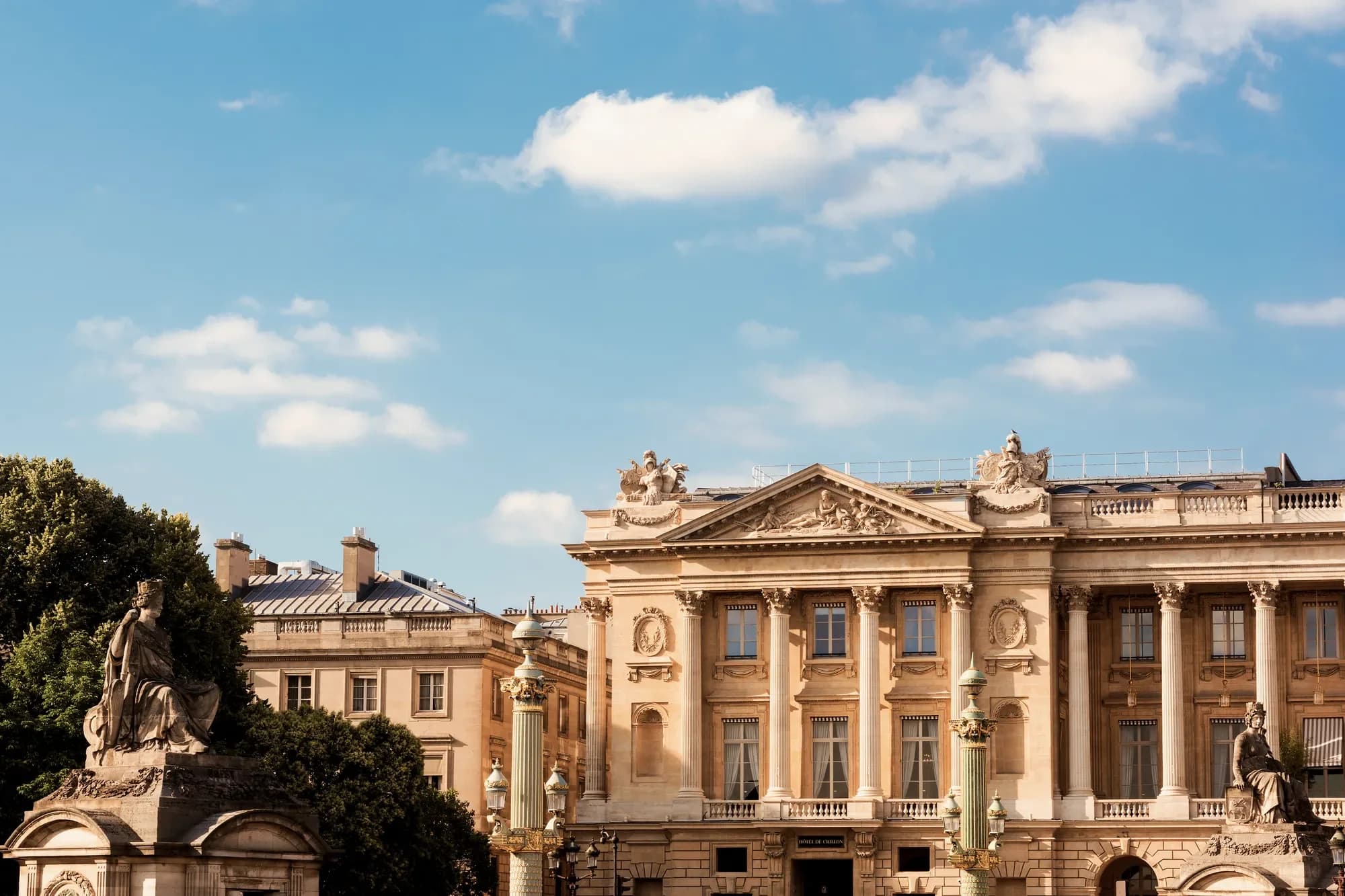
Château properties represent a second typology. Lourmarin's own château, a rare example of Renaissance architecture in Provence, sets the visual register for the area. Several private château estates in the wider Luberon have been converted to small luxury hotels, offering suites that are explicitly architectural in their spatial logic, with proportions and detailing drawn from the sixteenth and seventeenth centuries.
Culinary standards across the area are anchored by proximity to Aix-en-Provence and the broader Var and Vaucluse agricultural economy. Michelin recognition extends into the Luberon corridor, and several properties maintain on-site restaurant programmes of serious quality. A well-selected suite here integrates accommodation and dining as a single considered decision.
How to choose the best luxury suite in and around Lourmarin
The primary consideration is architectural context. Travelers oriented toward history and material authenticity should prioritise mas or château conversions, where stone construction and period proportions are preserved. Those with a preference for design-forward interiors may find more satisfaction in properties that have adopted contemporary programmes within traditional envelopes.
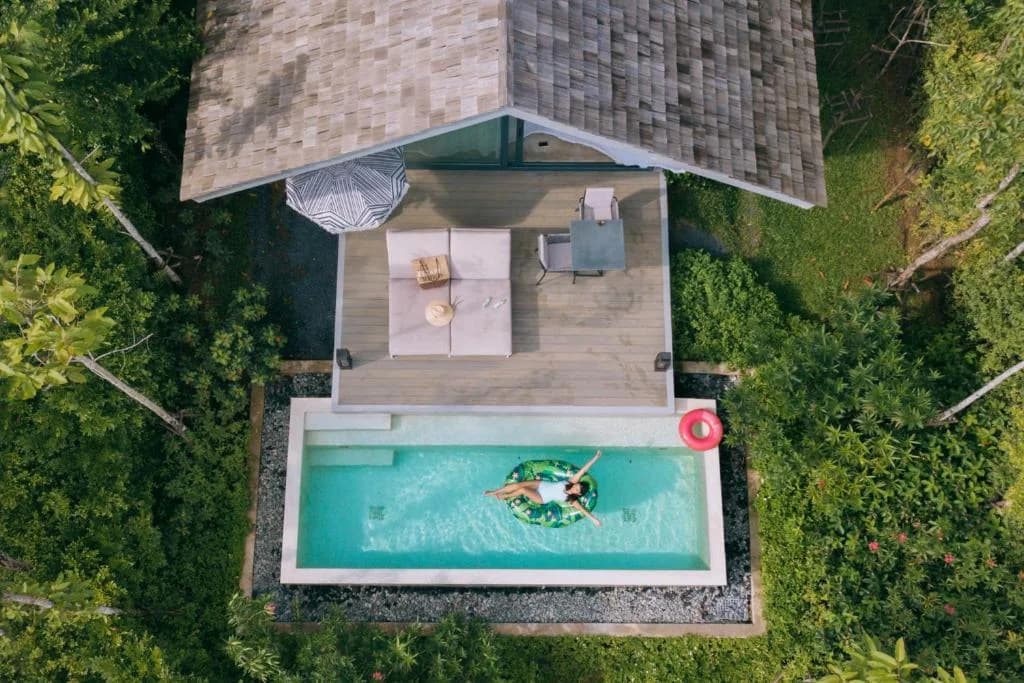
Outdoor space is a functional criterion in this climate. A private terrace with morning shade and afternoon sun is a different proposition from an exposed rooftop terrace that becomes unusable by midday in July. Pool orientation, garden privacy, and the relationship between indoor and outdoor living areas are worth examining closely before confirming a suite.
Distance from the village matters depending on the nature of the visit. Guests who intend to walk to the Friday market, eat in the village restaurants, or explore the château on foot should prioritise properties within walking distance or a short drive. Those treating the suite as a base for broader Luberon exploration may find outlying estate properties more suitable.
Finally, the question of service model is relevant. Some properties in the Luberon operate with a small, family-led team and a deliberately unhurried pace. Others have invested in a more structured luxury hotel service architecture. Both models have merit; the choice depends on whether the guest is seeking discretion and domesticity or formal attentiveness.
Why a curated selection by La Suite is the correct starting point
The Luberon and Lourmarin accommodation market contains genuine quality, but it is not uniformly visible or easily navigated from outside. Boutique properties with limited online presence, estate conversions that open for only part of the year, and small château hotels that do not participate in major booking platforms all require a different kind of access.
La Suite approaches the Lourmarin and Luberon suite market as an editorial exercise rather than an aggregation exercise. Properties are assessed on spatial quality, architectural coherence, service character, and the capacity to deliver a stay that is genuinely commensurate with the investment. The result is a selection that removes the noise and surfaces the options most likely to perform at the level the traveler is expecting.
For a destination as specific and culturally particular as Lourmarin, the value of that editorial filter is not incidental. It is the point.