Understanding Antibes as a luxury destination
Best areas to stay in Antibes
Cap d'Antibes
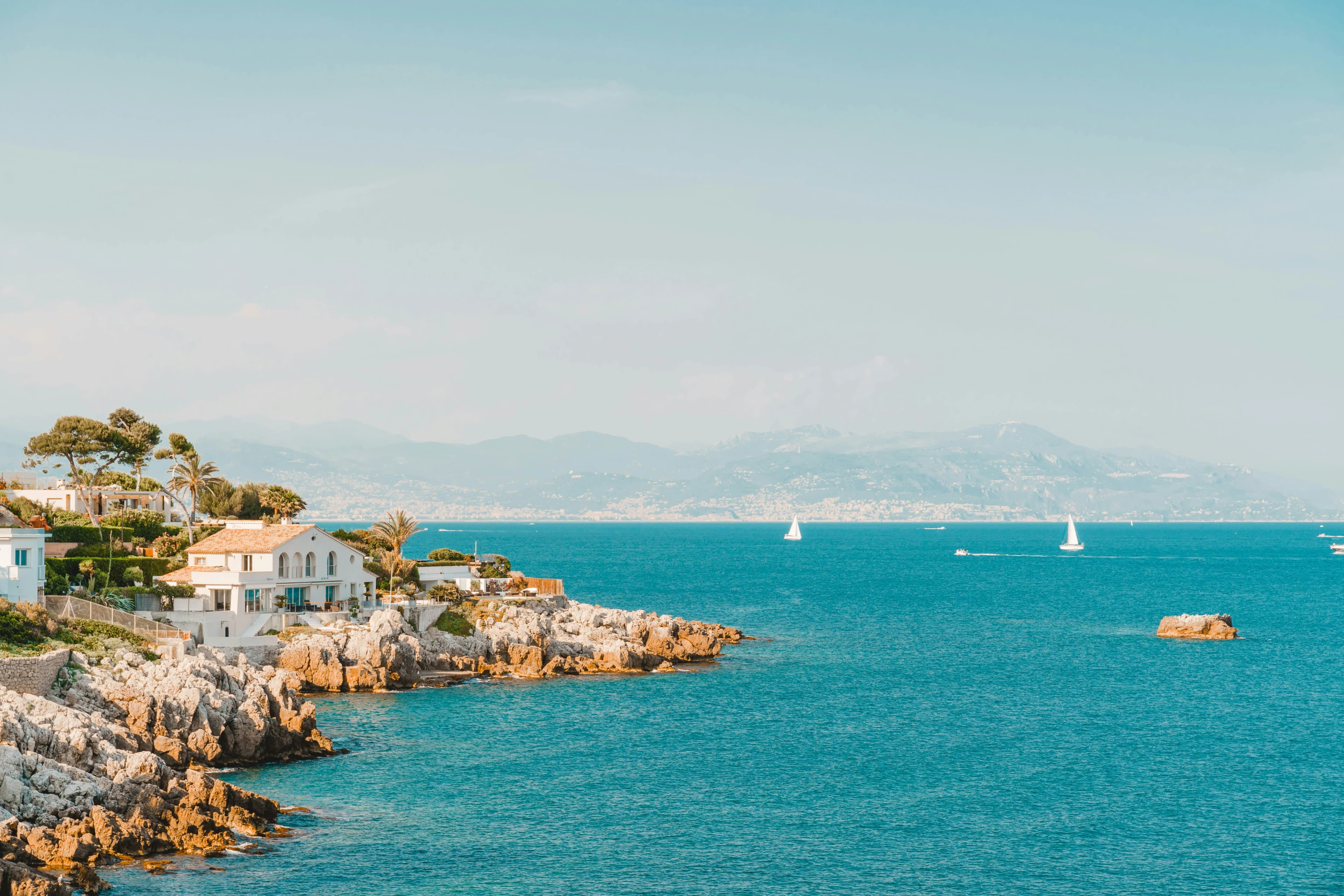
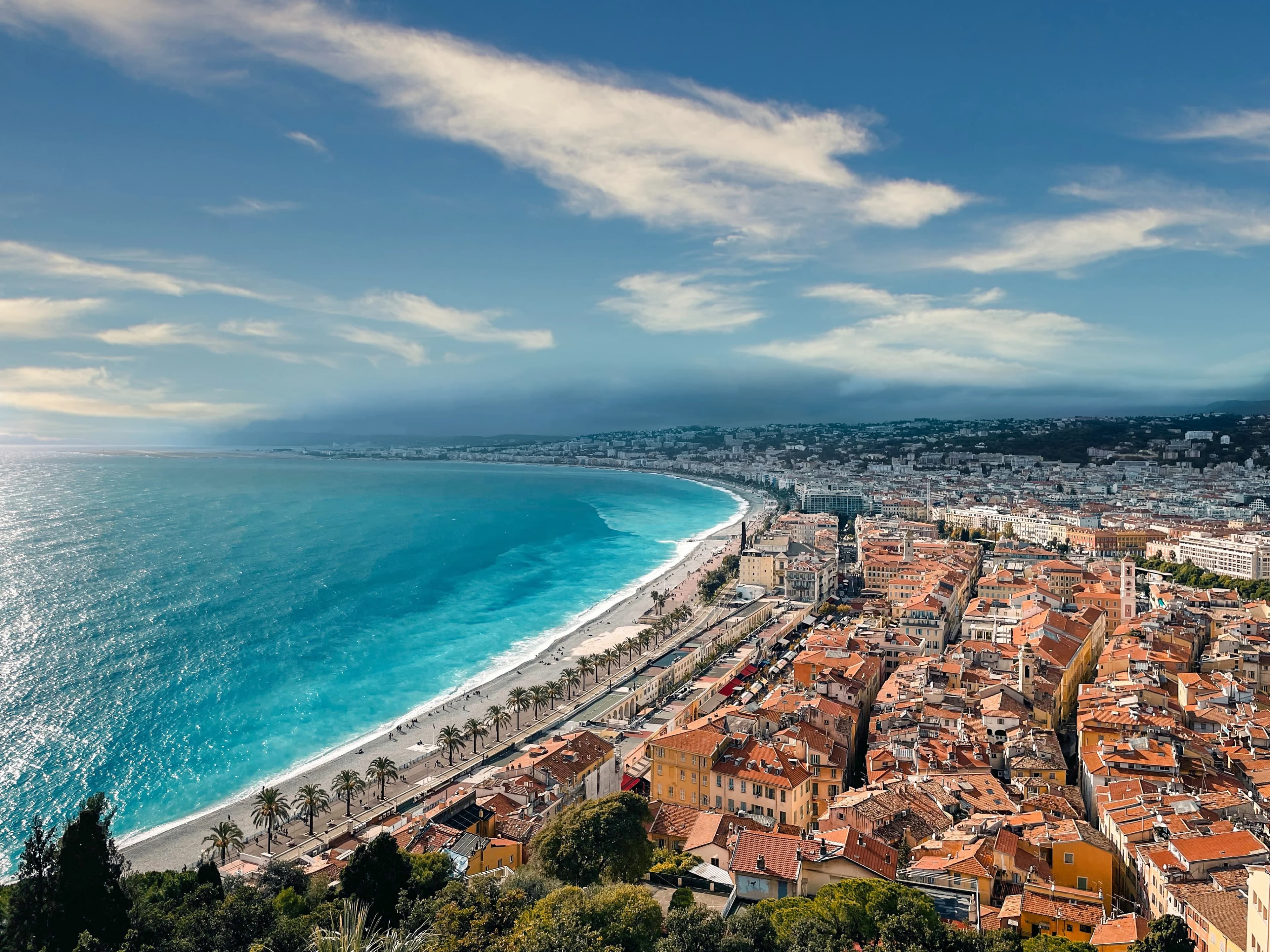
The peninsula south of the city is the reference address for high-end stays on this stretch of the coast. Properties here sit within extensive grounds, often with direct sea access or unobstructed views across the Baie des Anges toward Nice. The architecture ranges from late nineteenth-century villas to mid-century modernist interventions, and the atmosphere is defined by discretion. Traffic is light, gardens are large, and the distance from the old town is deliberately felt. This is where suite travellers seeking genuine privacy and silence tend to settle.
Old town Antibes (Vieil-Antibes)
The historic centre, bordered by Vauban's seventeenth-century fortifications and the Musée Picasso (housed in the Château Grimaldi), offers a more textured urban experience. Streets are narrow, the market at the Cours Masséna runs most mornings, and the proximity to the port means the rhythm of the day is set by boats and light rather than hotel schedules. Suites in this zone tend to occupy converted historic buildings and reward guests who want to be inside the city rather than above it.
Juan-les-Pins
Directly adjacent to Antibes, Juan-les-Pins carries its own mid-century identity, shaped in part by the jazz festival that has taken place here since 1960. The beach frontage is more accessible than on the Cap, the scale is more relaxed, and properties here often appeal to travellers who want the Riviera atmosphere without the formality of the cape addresses.
When to visit Antibes for a luxury suite stay
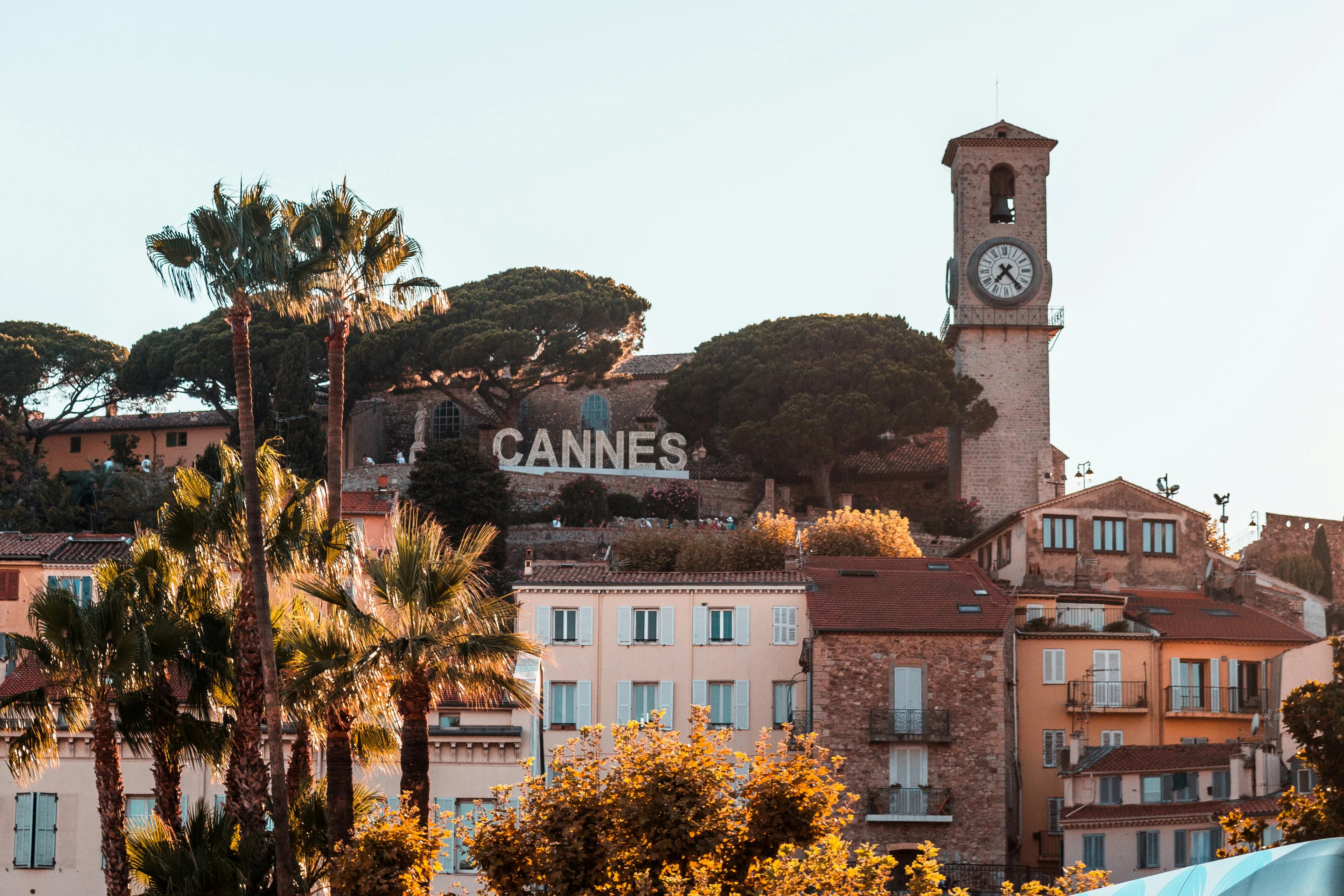
The Côte d'Azur operates on a compressed luxury calendar. July and August represent peak demand across all categories, with suite availability at its tightest and prices at their highest. The Cannes Film Festival in May, held approximately thirty kilometres west, generates a secondary pressure on accommodation throughout the region, including Antibes, and advance planning is essential during that window.
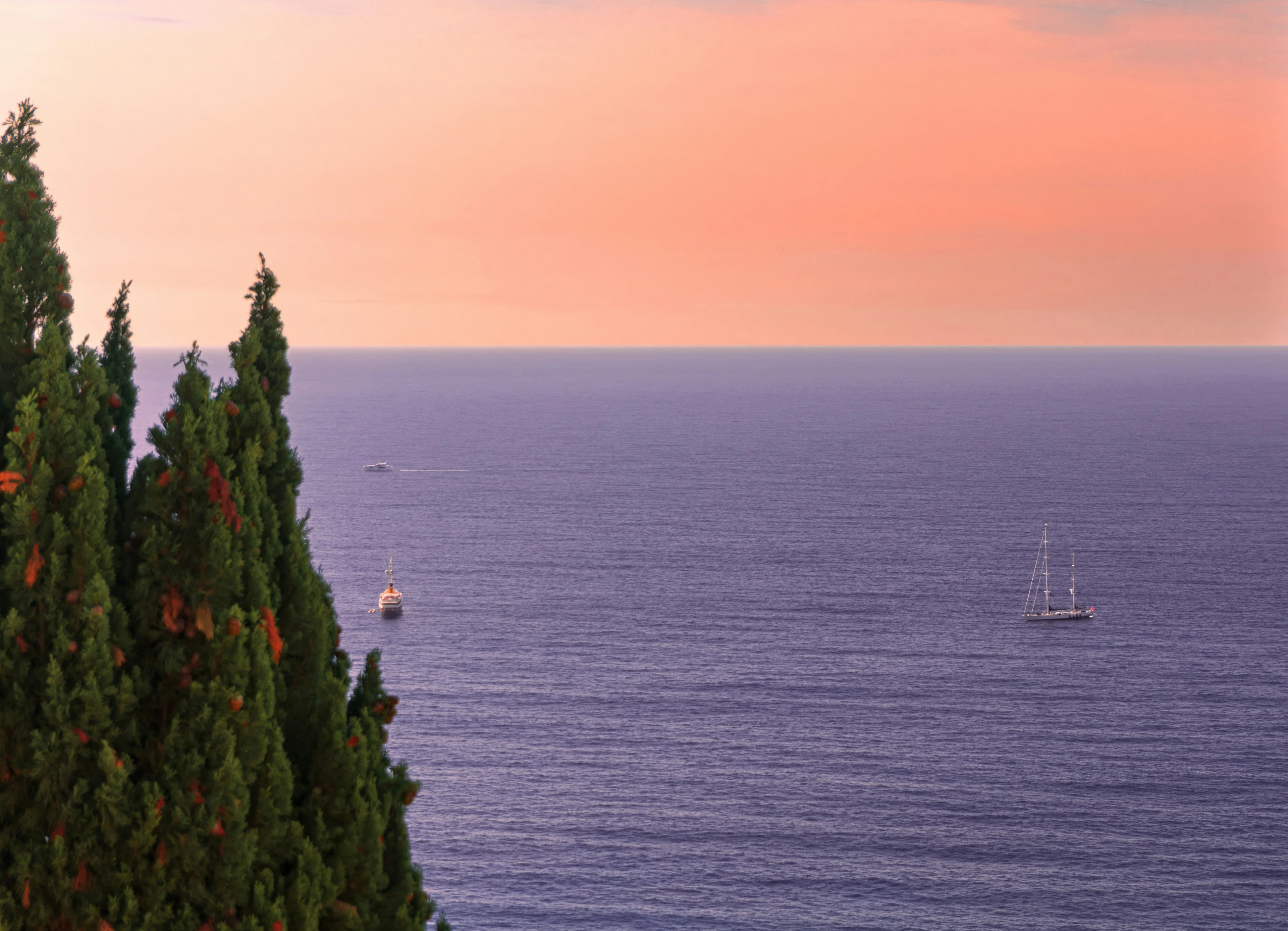
For suite travellers who prioritise space and service quality over social intensity, the shoulder seasons offer a more considered experience. May and June deliver reliable warmth, clear light, and the full operation of coastal restaurants and cultural institutions. September and early October extend that quality further: the sea retains its summer temperature, the crowds diminish, and properties often shift to more attentive service ratios. The Antibes Yacht Show, held in September, draws a specific segment of the high-net-worth market and affects availability around the port area during that period.
Winter in Antibes is genuinely mild by northern European standards, and a small number of properties remain open year-round for travellers seeking the coast in an entirely different register: quieter, more austere, and architecturally legible in ways that summer obscures.
Local luxury standards: what to expect from top-tier suites in Antibes
France applies the official Palace designation to a small number of hotels that exceed the five-star standard across measurable criteria: surface area, service ratio, multilingual staff, spa facilities, and architectural or heritage significance. The Palace label, overseen by Atout France, is the most reliable benchmark for the highest tier of French hospitality. Properties on Cap d'Antibes have historically met or approached this standard, even when they do not all carry the formal designation.
Beyond classification, luxury suites in Antibes tend to be characterised by a specific relationship with outdoor space. Terraces, gardens, and sea-facing loggias are not amenities here; they are structural to the offer. A suite that does not engage meaningfully with the Mediterranean light and the coastal landscape misses what defines the location. Indoor surface area matters, but the quality of the outdoor extension and its orientation are the more decisive factors when comparing options in this market.
Service culture in top-tier Antibes properties reflects the broader French Riviera tradition: formal enough to be dependable, attentive without intrusion, and calibrated to guests who know what they want and do not wish to explain it.
How to choose the best suite in Antibes
The first consideration is the fundamental choice between the cape and the town. A suite on Cap d'Antibes and a suite in the old town are not interchangeable: one offers seclusion, grounds, and direct coastal access; the other offers urban texture, proximity to the market, and the specific pleasure of walking out of a historic building into a medieval street. Both are valid, and the right answer depends entirely on what the trip is for.
The second consideration is architectural character. Antibes has properties in late nineteenth-century grand hotel format, in mid-century villa style, and in more contemporary conversions. Each registers differently in the quality of light, the ceiling height, and the acoustic experience of the room. Travellers with strong spatial preferences should assess floor plans and terrace orientation before committing, rather than relying on category alone.
The third consideration is proximity to the water. On the Cap, direct sea access is a meaningful differentiator: properties with their own private access to rocky coves or managed beach areas offer something categorically different from those set back from the coast, even when the views are comparable.
Why a curated selection by La Suite matters in Antibes
Antibes presents a relatively contained market compared to larger Riviera cities, which means that the apparent simplicity of choosing a suite can obscure real differences in what each property delivers. The gap between a correctly positioned suite on Cap d'Antibes and a mis-sold room described as a suite in a standard hotel can be significant, and the visual language of luxury hotel marketing does not always make that gap apparent.
La Suite applies consistent editorial criteria to every property in its selection: verified surface area, confirmed suite classification, assessed outdoor space, and an understanding of where each property sits within the local landscape. For Antibes specifically, that means distinguishing between cape addresses and town addresses, between properties with genuine coastal access and those with a sea view from a high floor, and between historic buildings where the architecture is an asset and conversions where it is merely a backdrop.
The result is a curated selection by La Suite that removes the friction of that research and allows the traveller to choose within a set of options that have already been held to a specific standard.