The distinct areas of Nice for luxury stays
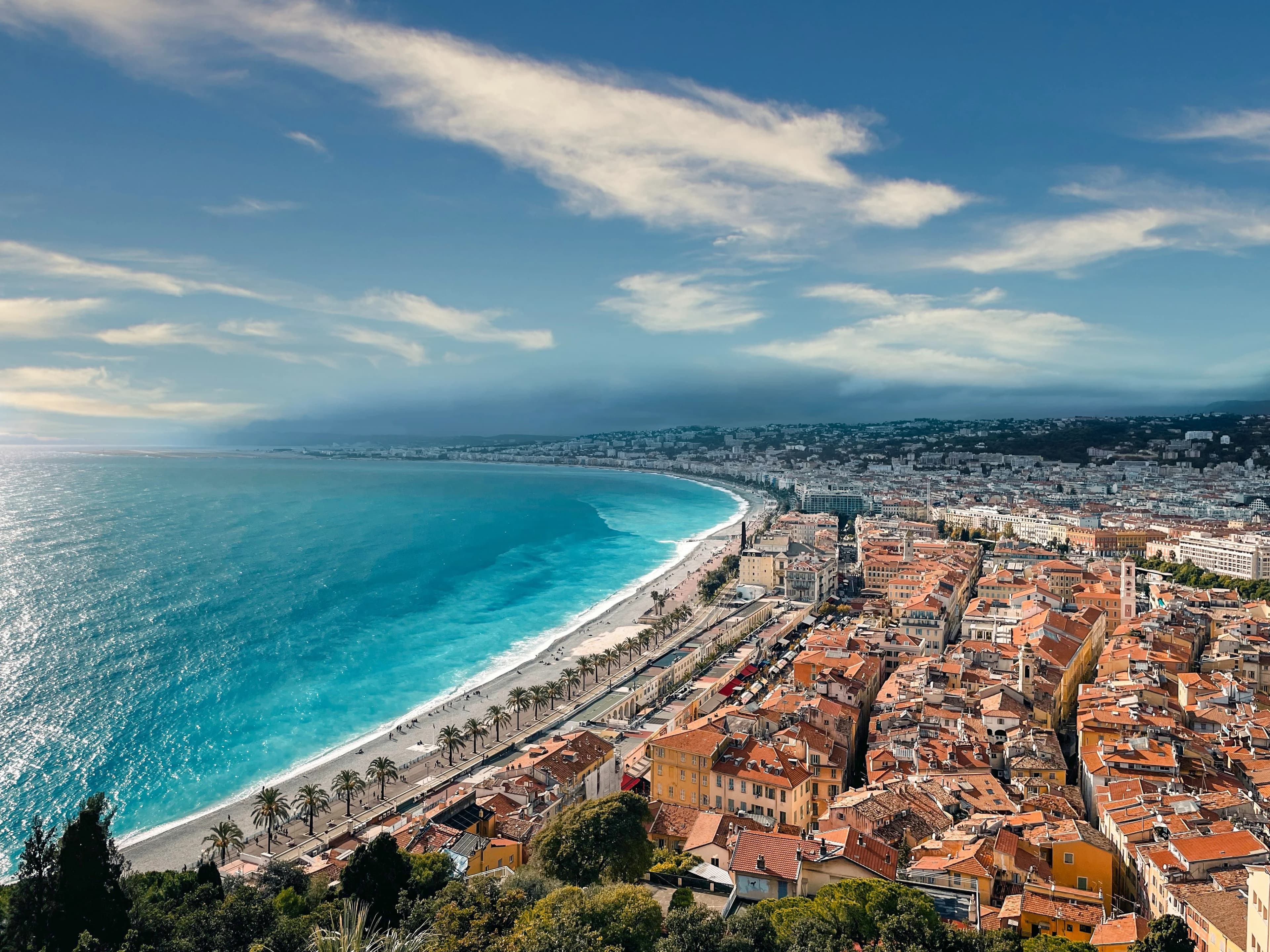
The Promenade des Anglais corridor defines the western approach to the city center. Hotels positioned along this seafront boulevard operate with full exposure to the Mediterranean and to the symbolic weight of the avenue itself, built in the 1820s at the initiative of the English colony that wintered here. Suites facing the Baie des Anges offer a specific quality of light, particularly in the morning, that is architectural in its effect.
The Old Town, known as Vieux-Nice, sits at the eastern end of the bay. Its Baroque churches, ochre and amber facades, and dense market culture around the Cours Saleya give it a texture that is closer to Liguria than to Paris. Staying here places guests within the city's oldest residential fabric. The scale is intimate, the noise is real, and the sensory experience of the morning flower and food market is irreplaceable.
Cimiez, on the hills above the city, represents a quieter register. It was the favored residential quarter of Queen Victoria and the European aristocracy during the Belle Époque, and its wide avenues, large gardens, and Roman ruins give it a removed, almost contemplative character. Properties here tend toward the residential and the private.
The port area and the Quartier des Musiciens offer a more local, less touristic experience, with architecture that reflects the prosperity of the early twentieth century and proximity to the antique markets and galleries that occupy this part of the city.
When to visit Nice for a luxury suite experience
Nice benefits from over 300 days of sunshine per year, making it a genuinely year-round destination. That said, the seasonal logic matters for how the city behaves.
May and June offer the ideal balance: the sea temperature is approaching swimmable, the Cannes Film Festival draws an international crowd to the wider Riviera, and the city has not yet entered its July and August density. Suites at the better properties are more available in these months, and the Promenade carries an unhurried quality that disappears in high summer.
July and August are high season. Prices reach their peak, the Promenade des Anglais is at full capacity, and the beach clubs below the major hotels operate with maximum energy. For guests seeking privacy and quiet, this period requires deliberate planning and early reservation of specific suite categories.
September and October are increasingly valued by experienced travelers. The light shifts into a lower, more golden register, the sea remains warm from the summer, and the city returns to a more residential rhythm. Cultural programming, including the Nice Jazz Festival which typically runs in July, and the various gallery and museum openings of the autumn season, gives the period genuine cultural weight.
Winter in Nice is mild by northern European standards. The Carnival of Nice, held in February, is one of the oldest and largest in Europe. The hotel properties that remain fully open through the winter months tend to offer their most attentive service during this period, with availability and often more considered pricing.
Understanding luxury hotel standards in Nice
France operates a formal classification system for its finest hotels: the Palace distinction, awarded by Atout France, sits above the standard five-star category and recognizes properties that meet exceptional criteria across architecture, service, cuisine, and cultural contribution. In Nice, the Palace category represents the highest expression of the city's hospitality tradition, combining the Belle Époque grandeur of the Riviera with contemporary standards of space and privacy.
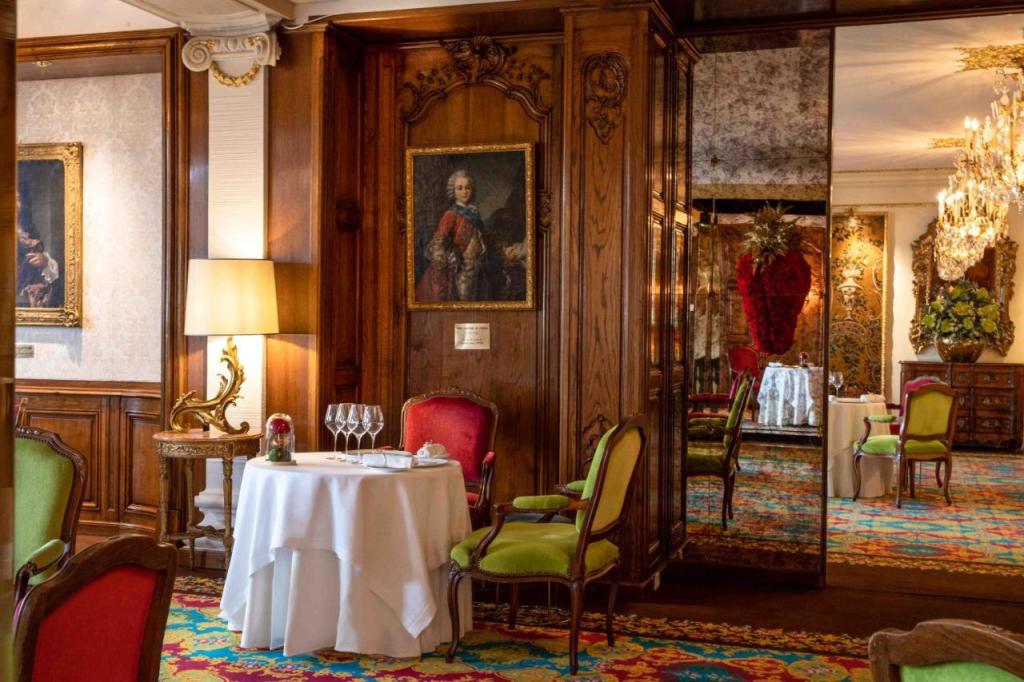
Beyond the Palace designation, Nice's luxury hotel landscape reflects the city's architectural history. Many of the most respected properties occupy buildings from the late nineteenth and early twentieth centuries, when Nice was the winter capital of European aristocracy. The facades, the grand staircases, the proportion of public rooms, and the relationship of the building to the seafront are inherited conditions that no amount of renovation can fully replicate in new construction.
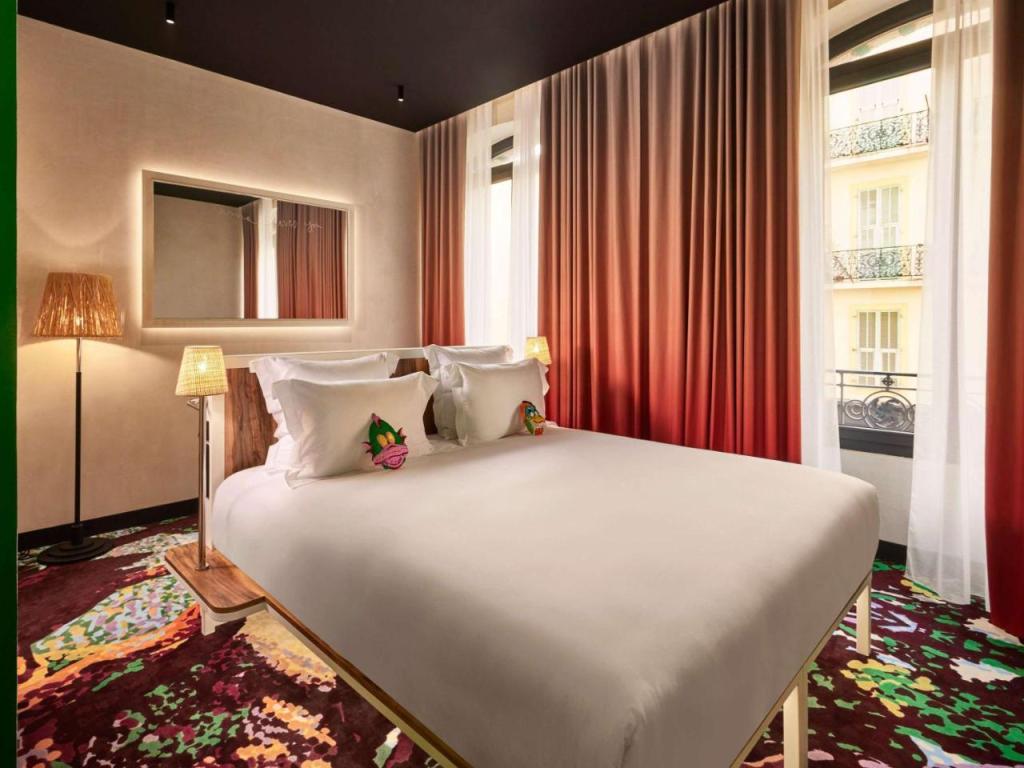
Suites in these properties typically range from junior suites with sea-facing terraces to full-floor penthouses with private plunge pools. The defining characteristic of the best suites in Nice is their relationship to natural light and to the view: the Bay of Angels is a specific and non-generic prospect, and the properties that frame it most effectively command corresponding positioning in the market.
How to choose the right luxury suite in Nice
The first consideration is orientation. In Nice, the distinction between a sea-facing suite and a courtyard or city-facing room is significant enough to affect the entire character of a stay. The Baie des Anges, with its arc from the airport to the Cap de Nice, is best experienced from a high floor with an unobstructed western or southern exposure.
The second consideration is the relationship between the hotel and the beach. Nice's beaches are predominantly pebble, not sand, and access from the major seafront hotels is direct. Some properties operate private beach concessions directly below the Promenade. Others are set back or elevated, which can offer better views but requires a short walk to the water.
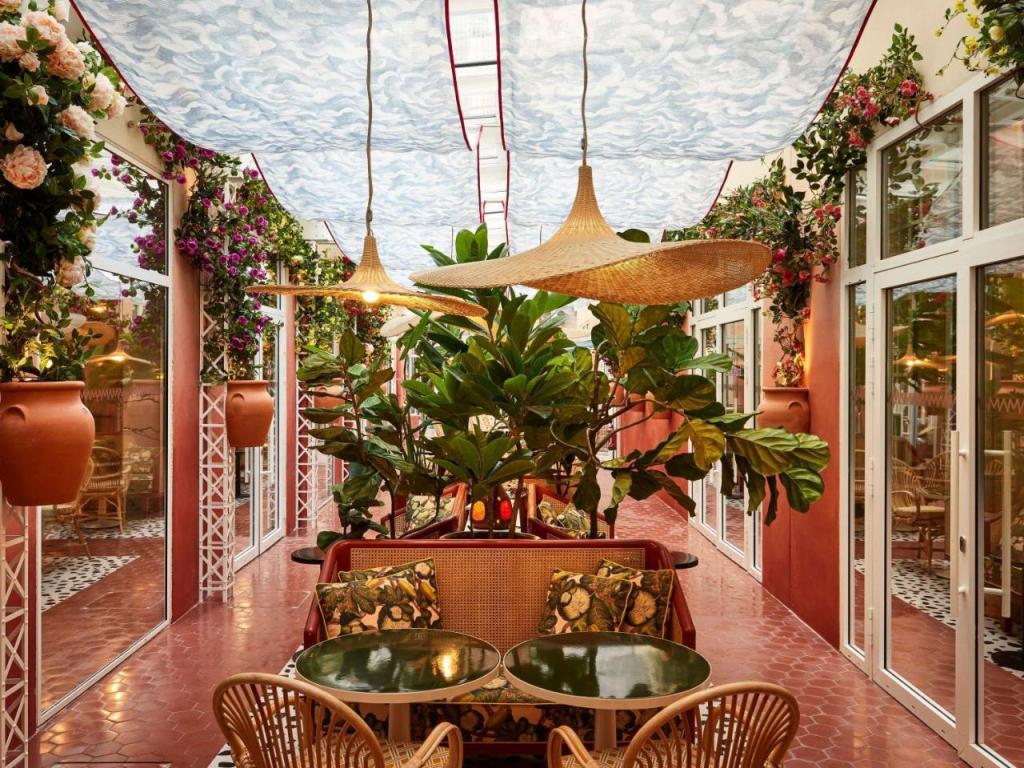
The third consideration is architectural character. The Belle Époque properties on the Promenade carry a formal grandeur that suits certain travelers and certain occasions. More contemporary properties, some of them occupying renovated residential buildings in the Old Town or the Quartier des Musiciens, offer a different spatial logic: more discreet, more residential, less ceremonial.
Practical considerations include parking, which is constrained in the city center, and proximity to the airport, which is unusually close to the urban fabric of Nice and can affect noise levels in some western-facing rooms at lower floors.
Why a curated selection by La Suite matters in Nice
Nice has a significant number of hotels operating across multiple categories, and the distance between a well-marketed four-star property and a genuine luxury suite experience is considerable. The city's status as a major Mediterranean destination means that occupancy pressure is real, and the market does not always reward casual research.
La Suite applies consistent editorial criteria to every property it lists. In Nice, that means assessing not only the physical suite but the quality of the building, the coherence of the service model, the actual view from the specific room category, and the experiential logic of the stay as a whole. With one property currently listed in Nice, the selection is intentionally precise. It reflects a judgment about where the standard is genuinely met, not a comprehensive directory of available rooms. For a traveler who has already decided that Nice is the destination, the curated selection by La Suite removes the principal risk of the booking process: choosing well.