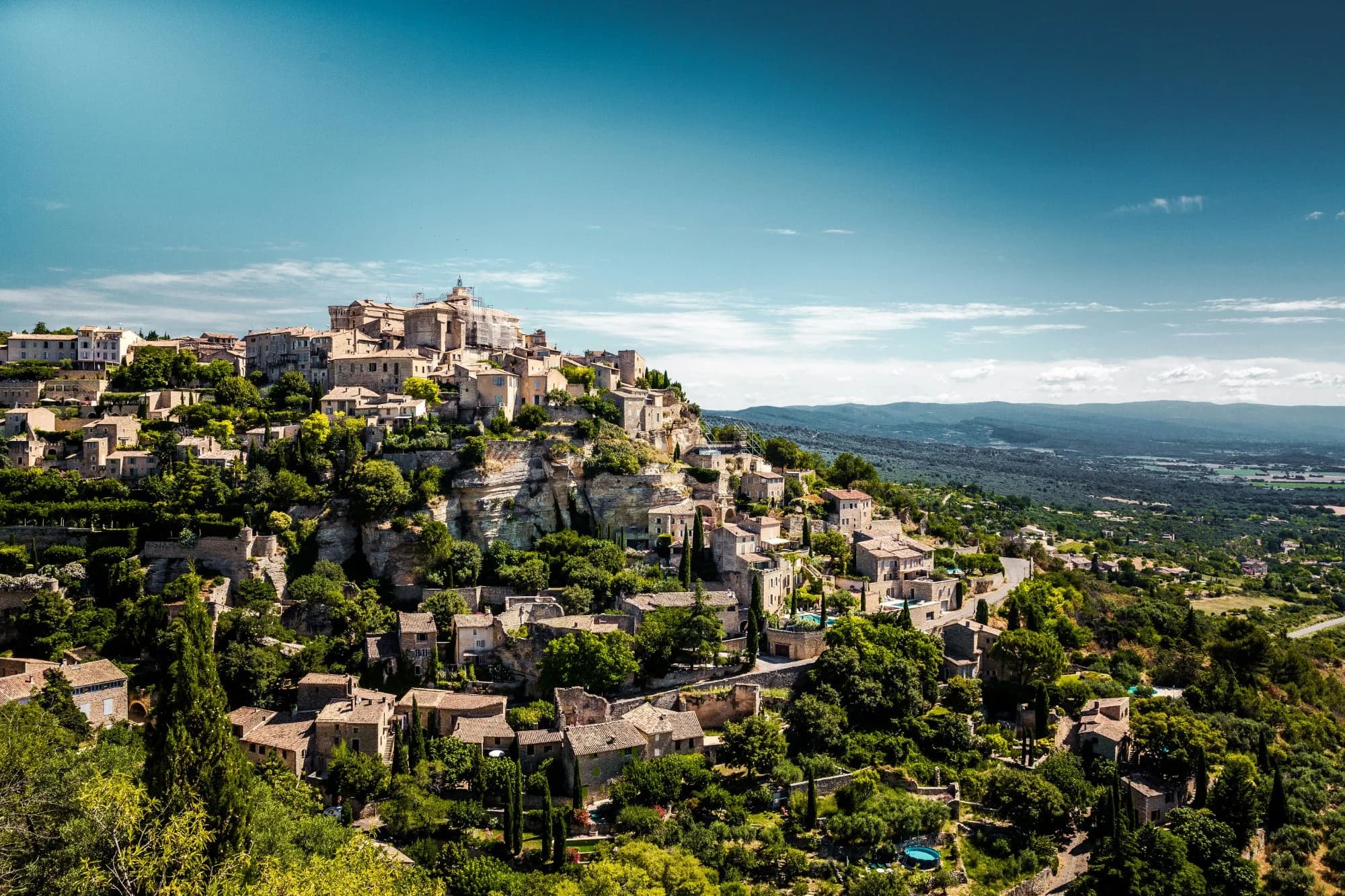
Capelongue, a Beaumier hotel & Spa, Bonnieux
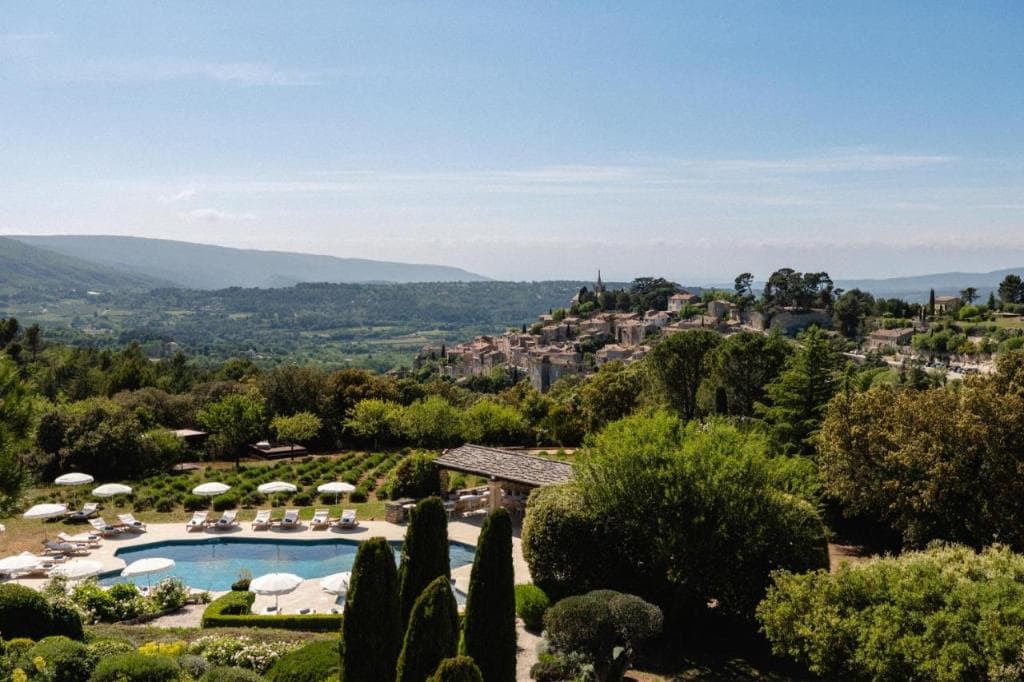
Perched above Bonnieux Village, this hotel overlooks the Luberon Mountains. Avignon is 31 mi away. Guests can also discover the gastronomic restaurant La Bastide*, the provençal restaurant La Bergeri

Bonnieux sits at the heart of the Luberon massif, a protected regional park in the Vaucluse département of Provence-Alpes-Côte d'Azur. The village itself perches at roughly 400 metres, with views extending south across the valley toward Lacoste and Ménerbes, and north toward the Vaucluse plateau. This geography shapes every accommodation decision.
1 hotel available

Perched above Bonnieux Village, this hotel overlooks the Luberon Mountains. Avignon is 31 mi away. Guests can also discover the gastronomic restaurant La Bastide*, the provençal restaurant La Bergeri

Aix-en-Provence is not a city that performs for visitors. It functions on its own terms, with a rhythm shaped by its university, its markets, and its extraordinary architectural heritage. The hôtels particuliers of the Quartier Mazarin were built in the 17th and 18th centuries by the Provençal nobility, and their proportions remain the city's defining aesthetic logic. To stay at suite level here is to access that spatial language directly: high ceilings, internal courtyards, stone facades that hold the morning cool. The experience is architectural before it is experiential.

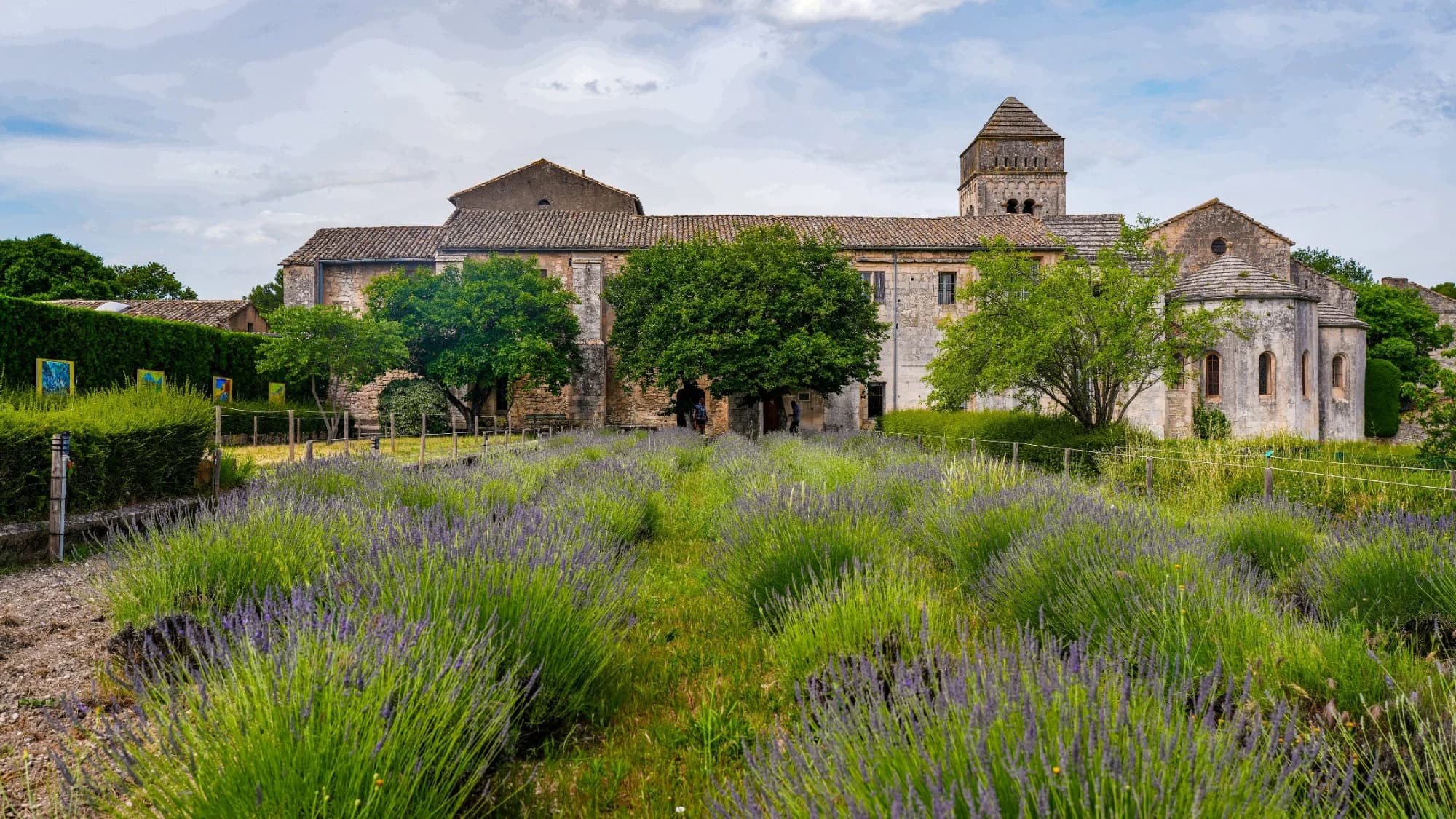
There is a particular quality to time in Saint-Rémy-de-Provence. The town is small by any measure, yet its cultural density is disproportionate: Van Gogh produced over 150 works during his stay at the nearby asylum of Saint-Paul-de-Mausole; the Roman monuments of Glanum sit at the edge of the village; and the Alpilles form a limestone wall that channels both light and wind with unusual precision. Choosing a luxury hotel suite here is not an indulgence in the conventional sense. It is a practical decision. The best properties offer generous terraces, private gardens, and interiors calibrated to the Provençal palette of ochre, stone grey, and sage. From that base, the town reveals itself on foot, at a pace that cannot be replicated from a standard room.

13 km away
Gordes is classified among the most beautiful villages in France, a designation that carries genuine architectural meaning. Its dry-stone bories, its medieval castle, and the Abbey of Sénanque (famous for its lavender fields planted between the walls) are not decorative elements. They are the actual substance of the place. Luxury here is not imposed through scale or spectacle. It is expressed through material quality: local stone, linen the color of chalk, olive oil pressed within kilometers of the table. The luxury hotel suite that performs best in Gordes is one that accepts these terms. It works with the landscape rather than against it, framing views rather than competing with them.
The immediate surroundings of Bonnieux offer two distinct residential typologies for high-end stays. The first is the village setting: stone-built bastides and maisons de maître embedded within or just below the fortified streets, offering immediate access to the Saturday market, the Romanesque church, and the cedar forest trail. The second typology is the open countryside: converted farmhouses and mas, often on elevated ground with unobstructed views of the valley and the ochre cliffs of Roussillon to the north.
Both configurations have distinct merits. Village-adjacent properties provide walkability and cultural immersion. Rural properties offer greater privacy, larger outdoor spaces, and the kind of deep nocturnal silence that has become a genuine luxury category in itself. Travelers arriving for long stays of a week or more often prioritise the latter. Those arriving for shorter, more socially oriented trips tend to prefer proximity to the village and its weekly rhythm.
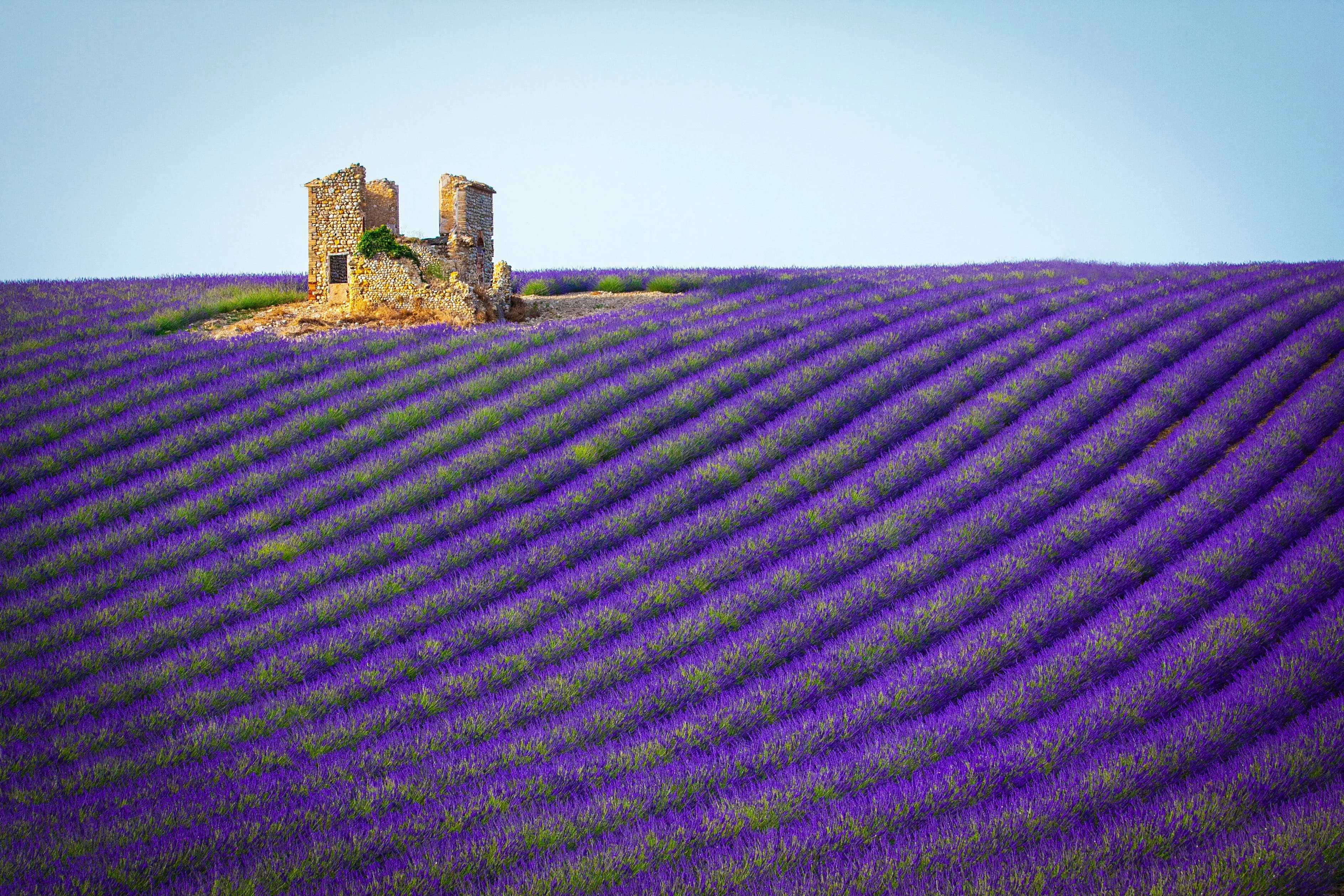
The Luberon operates on a pronounced seasonal calendar. The peak months for suite availability and pricing are June through September, with July and August representing the most compressed demand period. During this window, the lavender fields of the Valensole plateau (within day-trip range) reach full bloom, temperatures climb into the mid-thirties Celsius, and the Luberon attracts a significant influx of French and international visitors.
For travelers who prioritise quality of experience over symbolic timing, May and early June offer a compelling alternative. The light is already intense, the countryside is green before summer desiccation, and properties are both more available and more open to considered negotiation on rates. October is similarly strong: the harvest season for grapes and olives gives the landscape a particular texture, truffle season begins in earnest, and the villages lose the transactional quality that August can impose.
Winter in Bonnieux is genuinely quiet. Some properties close between November and March, but those that remain open offer a fundamentally different encounter with the village: local commerce, unhurried access to restaurants, and a landscape that becomes architectural rather than pastoral.
France operates a formal hotel classification system, with the Palace designation reserved for establishments that exceed the five-star standard across a specific set of criteria including heritage, service ratio, and culinary offering. The Luberon and its immediate surroundings host a small number of properties that operate at or near this level, though the Palace label itself is rare outside major urban centres.
In the Provençal context, prestige is more often expressed through property typology than through formal designation. The bastide, a large country house with formal grounds, is the reference form. The best bastide conversions retain original features: vaulted cellars, pigeonnier towers, stone fireplaces, and hand-laid terracotta floors. A well-configured luxury hotel suite in this context will typically offer direct terrace access, views of the valley or the garden, and a bathroom specification that reflects contemporary standards without erasing the material character of the building.
Service in this region tends toward the discreet and anticipatory rather than the formally hierarchical. The properties that perform best for high-end travelers understand the difference between attentiveness and intrusion, and structure their guest experience accordingly.
Several practical considerations shape the suite selection process in this specific geography. First, the question of vehicle access: Bonnieux and most surrounding properties require a car. The village streets are narrow and parking is limited within the upper village, so properties with on-site parking or dedicated transfer arrangements offer a meaningful operational advantage.
Second, the question of pool configuration. In peak summer, a private or semi-private pool is not a supplementary amenity but a functional necessity. Properties with shared pool arrangements can work well outside July and August; during peak season, a suite with exclusive or near-exclusive pool access defines the quality of the stay.
Third, the question of orientation and shade. The Luberon valley faces southwest, and properties on the southern slopes of Bonnieux receive intense afternoon light. This is architecturally beautiful and photographically compelling, but it requires that outdoor spaces include adequate shade structures, particularly for families traveling with children or guests sensitive to heat.
Finally, the question of dining access. Bonnieux has a small number of well-regarded restaurants, and the wider Luberon within a 20-minute drive includes properties with serious culinary credentials. Suites within hotels that offer their own table are not always necessary, but for guests who prefer not to drive after dinner, on-site dining matters considerably.
The Luberon luxury market is not large, but it is uneven. The same price point can yield a genuinely refined experience or a property that trades on postcard aesthetics without delivering commensurate quality in materials, service, or spatial design. The gap between a well-curated suite and an overpriced mas is not always visible from property photography or star ratings alone.
La Suite applies a consistent editorial lens to this selection process. Properties are assessed on architectural integrity, suite-specific quality (not just hotel quality in aggregate), service model, and the degree to which the guest experience is coherent rather than assembled from borrowed luxury signals. In a destination as intimate and reputation-sensitive as Bonnieux, this kind of filtering is not optional. It is the difference between a stay that confirms why the Luberon has held the attention of serious travelers for decades, and one that merely passes through the region's visual grammar without accessing its substance.
The curated selection by La Suite for Bonnieux and the surrounding Luberon reflects this standard.

Bonnieux is one of the Luberon's most structurally intact perched villages, offering a combination of architectural coherence, agricultural landscape, and proximity to some of Provence's finest producers of wine, truffles, and olive oil. For travelers who prioritise environment and material quality over resort-style amenity stacking, it represents a precise and considered choice. The village's relatively limited tourism infrastructure compared to nearby Gordes means that access to genuine local rhythm remains intact.
May, June, and September offer the most balanced conditions: strong light, moderate temperatures, full property availability, and a pace that allows genuine engagement with the village and countryside. July and August are operationally peak months with the highest demand and most compressed availability, particularly for suites with private pool access. October is increasingly favoured by experienced Luberon travelers for its harvest atmosphere and truffle season.
Marseille Provence Airport is approximately 80 kilometres from Bonnieux, representing roughly 75 to 90 minutes by road depending on route and traffic. Avignon TGV station, which connects to Paris in under three hours, is approximately 45 kilometres away. Most high-end properties in the area can arrange private transfer services from both points.
A number of properties in and around Bonnieux operate on a seasonal calendar, closing between November and March or April. Some smaller bastide properties close entirely during winter. Travelers planning visits outside the main season should verify operational dates directly, as off-season openings vary significantly by property and year.
Key considerations include private or semi-private pool access (particularly relevant in summer), terrace orientation and shade provision, on-site dining availability, and the quality of the building's material restoration. In this region, a suite's relationship to the landscape, whether a direct valley view or immersion in a walled garden, is often as significant as the interior specification.
Yes, a private vehicle or arranged car service is effectively required. Bonnieux has no train connection and limited local transport. The village is accessible on foot once you are within it, but reaching restaurants, markets in neighbouring villages, and the wider Luberon landscape requires independent mobility. Properties with on-site parking or valet arrangements offer a practical advantage.
The Luberon has a concentrated selection of serious culinary destinations within a short drive of Bonnieux. The market town of Apt (approximately 12 kilometres) hosts one of the region's most important weekly markets. Several restaurant addresses in villages including Lacoste and Ménerbes operate at a high level. Truffle markets at Carpentras and Apt are active from November through March, and the surrounding wine appellation of Luberon AOC produces well-regarded reds and rosés.
The Palace label is a French government designation awarded to properties that exceed the five-star standard across multiple measurable criteria. It is relatively rare outside Paris and a small number of resort destinations. In the Luberon, prestige is more typically expressed through the quality of bastide conversion, the integrity of restoration, and the coherence of the service model rather than through formal Palace classification.
Standard booking platforms aggregate inventory without applying consistent qualitative criteria to suite-specific experience. In a market as small and varied as Bonnieux and the surrounding Luberon, this matters: the gap between a photographically appealing property and one that delivers genuine quality in materials, service, and spatial design can be significant. A curated selection applies a consistent editorial standard focused specifically on suite quality, architectural integrity, and experiential coherence.
The dominant typologies in this area are the bastide (a large Provençal country house, often with formal grounds and historical features), the mas (a working farmhouse conversion, typically more rustic in character but increasingly refined in specification), and smaller maisons de maître within the village perimeter. The best luxury hotel suites in this category combine original architectural features with contemporary bathroom and comfort standards, set within properties that have a coherent relationship to their landscape.