Understanding Juan-les-Pins as a luxury destination
The town's cultural identity was shaped significantly by the Jazz à Juan festival, founded in 1960 and held each July in the Pinède Gould, an outdoor amphitheatre set among the pines. This is one of the oldest jazz festivals in Europe, and it continues to draw serious musicians and audiences. For luxury travelers, the calendar around this event is worth factoring into any booking decision.
Where to stay in and around Juan-les-Pins
The Cap d'Antibes corridor
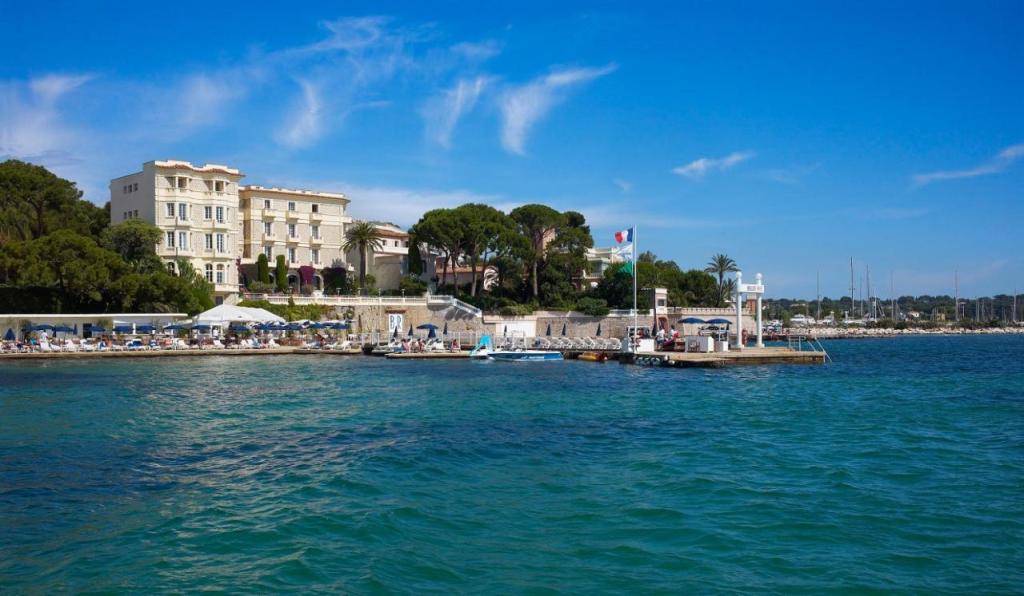
The most prestigious addresses in this microzone are found along the Boulevard du Cap and the quieter roads threading through the Cap d'Antibes. This is where the grand villas and the historic palace-category hotels are concentrated, set within large private grounds with direct access to the sea. Privacy is the primary value here: properties are shielded by mature Mediterranean vegetation, and the density of development is low by Riviera standards.
The bay-facing position of Juan-les-Pins proper
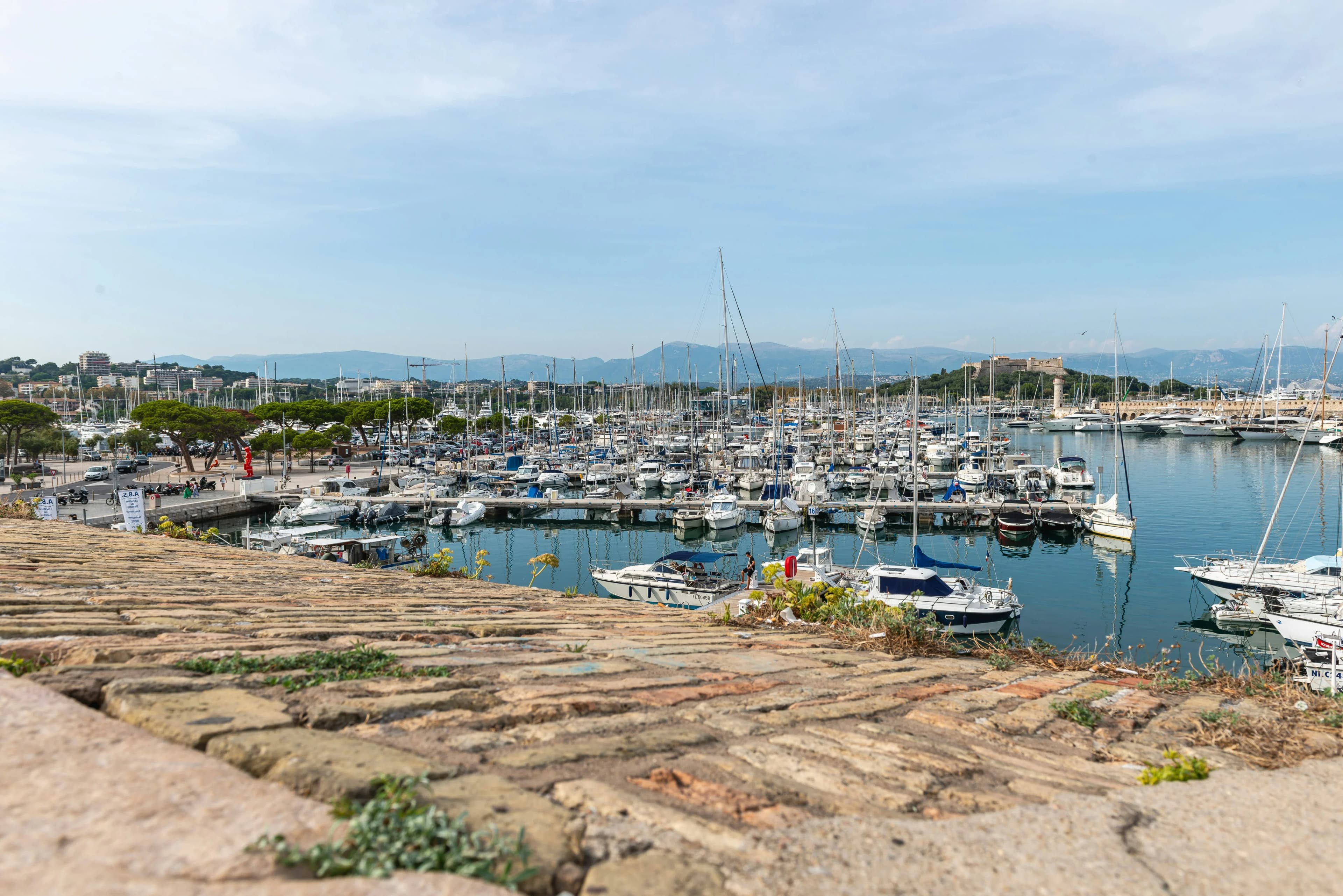
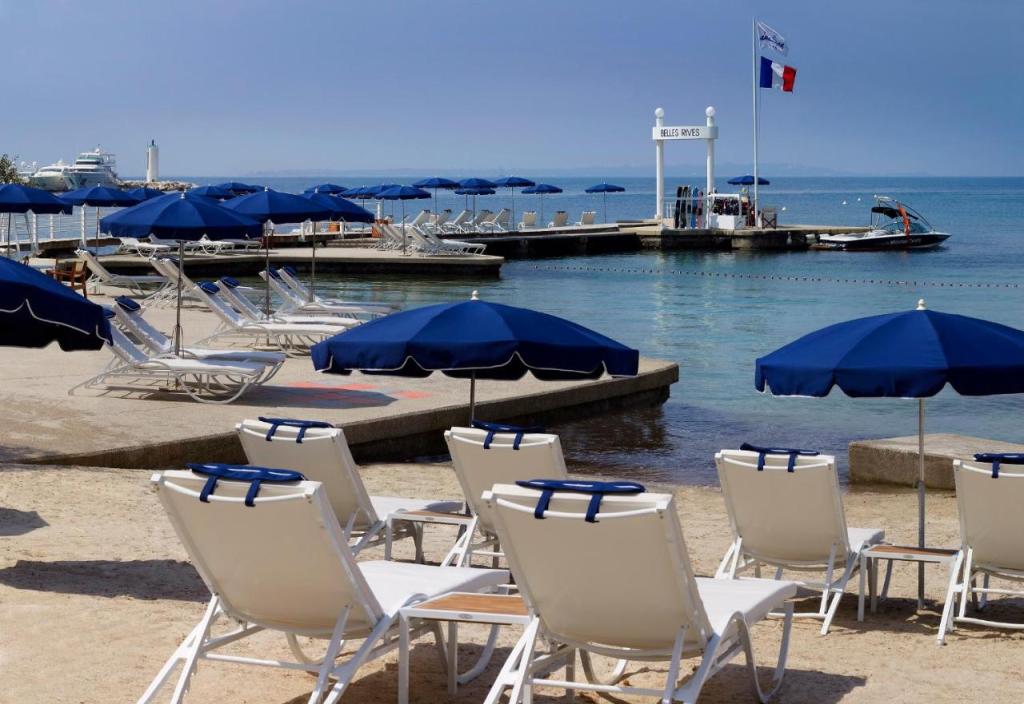
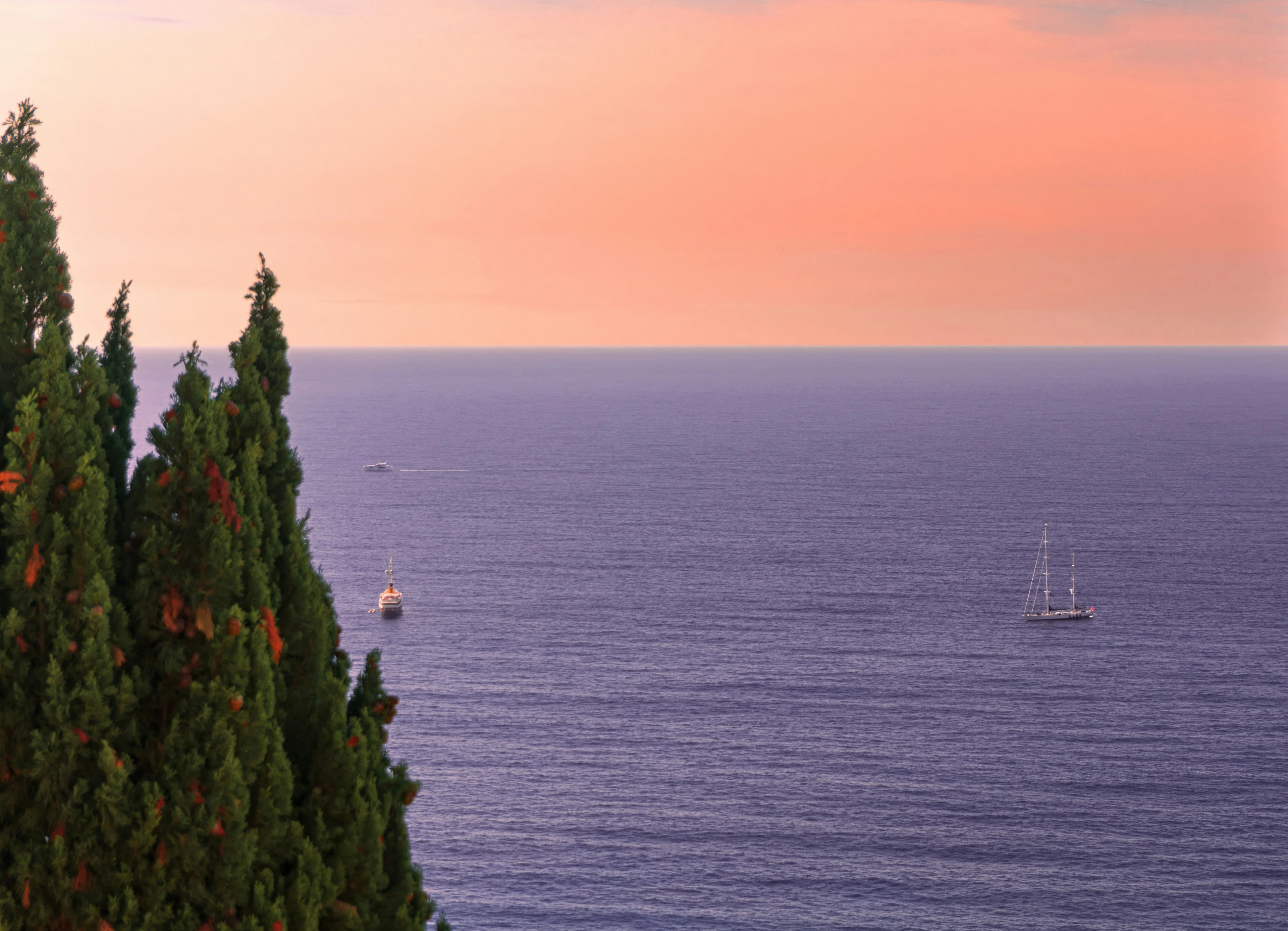
The town itself sits on the western side of the peninsula, directly on the bay. Suites with sea-facing terraces here offer views across to the Esterel mountains in the distance, a geological feature that turns a deep rust-red at dusk. The beach promenade, the Promenade du Soleil, runs along the bay and connects the pine grove to the main beach. Hotels positioned along this axis offer both walkability and direct beach access, a combination that is rarer than it appears on the Riviera.
Proximity to Antibes old town
For travelers who want cultural texture alongside beach access, the position of Juan-les-Pins relative to Antibes is a practical advantage. The Picasso Museum, housed in the Chateau Grimaldi, holds a significant collection of works produced during the artist's stay in Antibes in 1946. The covered Provencal market at the Cours Massena operates every morning except Monday. A luxury suite in Juan-les-Pins places both within easy reach without requiring a city-centre hotel.
When to visit Juan-les-Pins
The Riviera operates on a compressed high season. July and August bring the highest temperatures (regularly above 30 degrees Celsius), the fullest beaches, and the greatest demand on suite inventory. Rates reflect this: premium suites at the best addresses on Cap d'Antibes are among the most expensive on the entire French coastline during these weeks.
June and September represent the more considered choice for travelers prioritising space, availability, and a degree of tranquillity. The water temperature in September remains warm (typically 23 to 25 degrees Celsius), crowds thin considerably after the first week of the month, and hotel staff have more capacity to deliver the level of service that a luxury suite warrants.
The Jazz à Juan festival takes place across two weeks in July, typically mid-month. Booking in advance for this period is essential, as Cap d'Antibes and Juan-les-Pins absorb significant demand from festivalgoers with the means to stay locally.
October through April constitutes the off-season. Many smaller properties close, but the larger luxury hotels remain open and occasionally offer more flexible rate structures. The light in this period is crisp and photographic, and the Esterel coastline to the west is particularly vivid.
Luxury standards in this part of the Riviera
France's official palace designation, awarded by Atout France above the five-star category, is the reference marker for the highest tier of luxury hotel. The criteria include architectural significance, the ratio of staff to guests, the quality of materials used throughout the property, and the consistency of bespoke service. Several properties in the Cap d'Antibes area meet or approach this standard.
On the Riviera more broadly, the distinction between a standard five-star suite and a palace-grade suite is most visible in the spatial generosity: suite footprints at the top tier often begin at 60 to 80 square metres and may extend to several hundred. Terrace access, private plunge pools, and butler service are standard features at this level rather than optional extras.
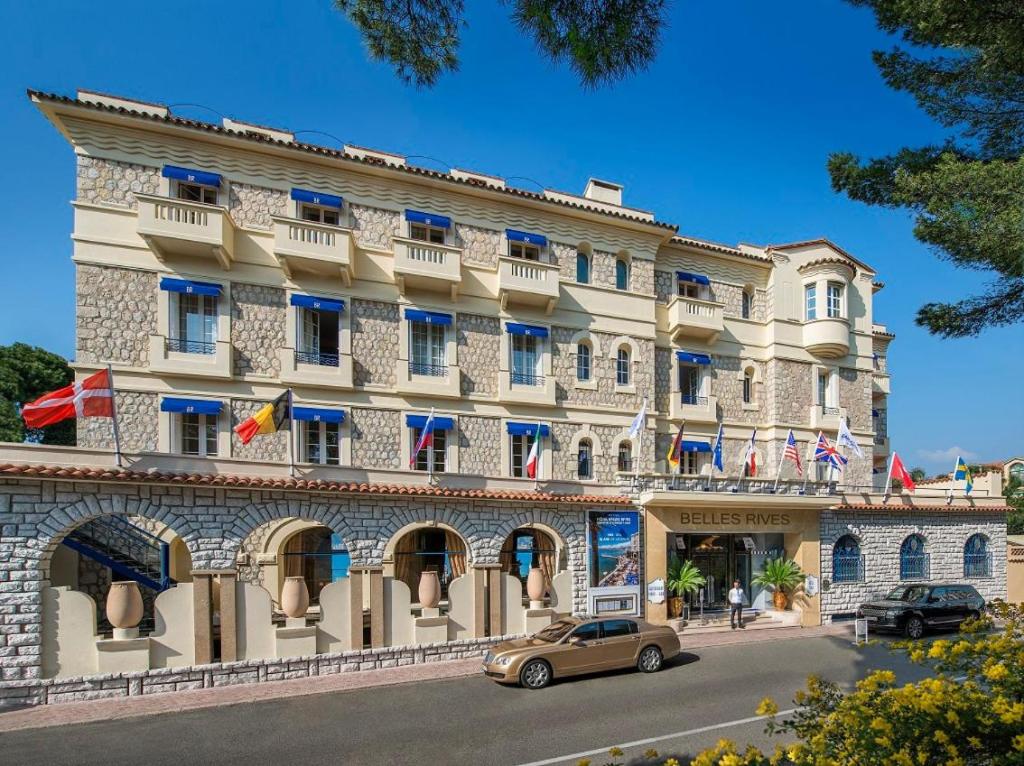
For Juan-les-Pins specifically, the architecture of the best properties reflects the Belle Epoque and Art Deco heritage of the Riviera. White rendered facades, wrought-iron balustrades, and tiled floors are structural rather than decorative choices. This matters when selecting a suite: the materiality of the room itself is part of the experience.
How to choose the right luxury suite in Juan-les-Pins
Several considerations are specific to this location. First, orientation: suites facing the bay will deliver the Riviera light and water view, while suites facing the Cap will offer more privacy and shade, which is a genuine advantage in peak summer heat. Second, beach access: some properties have private beach clubs directly below or adjacent; others require a short walk or transfer. For guests who intend to spend significant time at the water, this distinction has practical consequences.
Third, the question of architecture versus modernity. The historic properties on Cap d'Antibes carry significant character but may have been renovated to varying standards. A suite in a converted Edwardian villa offers a different sensory register from a purpose-built contemporary property. Neither is objectively superior, but the decision should be deliberate.
Fourth, suite category naming can be inconsistent across properties. What one hotel calls a junior suite may represent less floor area than another's superior room. Reviewing actual dimensions and layout plans, where available, is the most reliable method of comparison.
Why a curated selection makes sense for this destination
Juan-les-Pins and Cap d'Antibes represent a small, specific geography with a limited number of truly high-calibre suite offerings. The challenge is not a shortage of options at the price point but rather the inconsistency between what is marketed and what is actually delivered. Terrace sizes, view quality, noise levels from the bay or the promenade, and the gap between a property's historical reputation and its current operational standard all require independent assessment.
La Suite applies a consistent editorial standard to each property in this selection, with attention to the factors that matter to experienced travelers: space, light, material quality, and service architecture. For a coastline as celebrated and as commercially active as the Riviera, independent curation is not a convenience. It is a filter against significant misallocation of time and resources.