Understanding Saint-Paul-de-Vence as a luxury destination
For the luxury traveler, this means a stay in Saint-Paul-de-Vence carries a specific intellectual weight. The choice of suite, its orientation, its proximity to the ramparts or the Fondation Maeght, becomes part of a considered travel decision rather than a simple comfort transaction.
The distinct areas of Saint-Paul-de-Vence and where to stay
The historic village interior
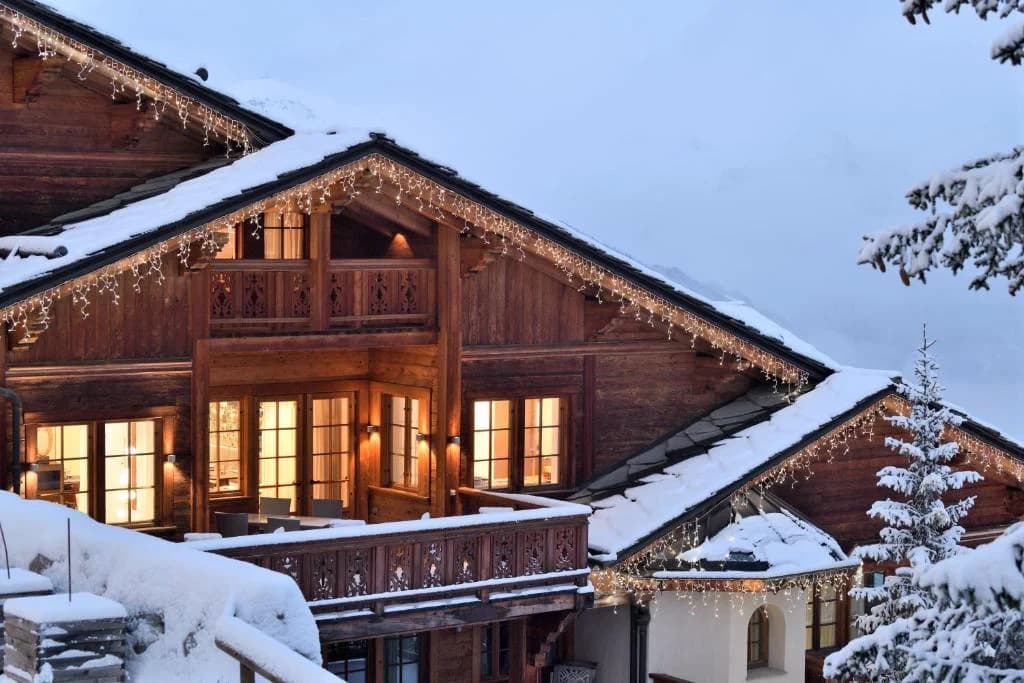
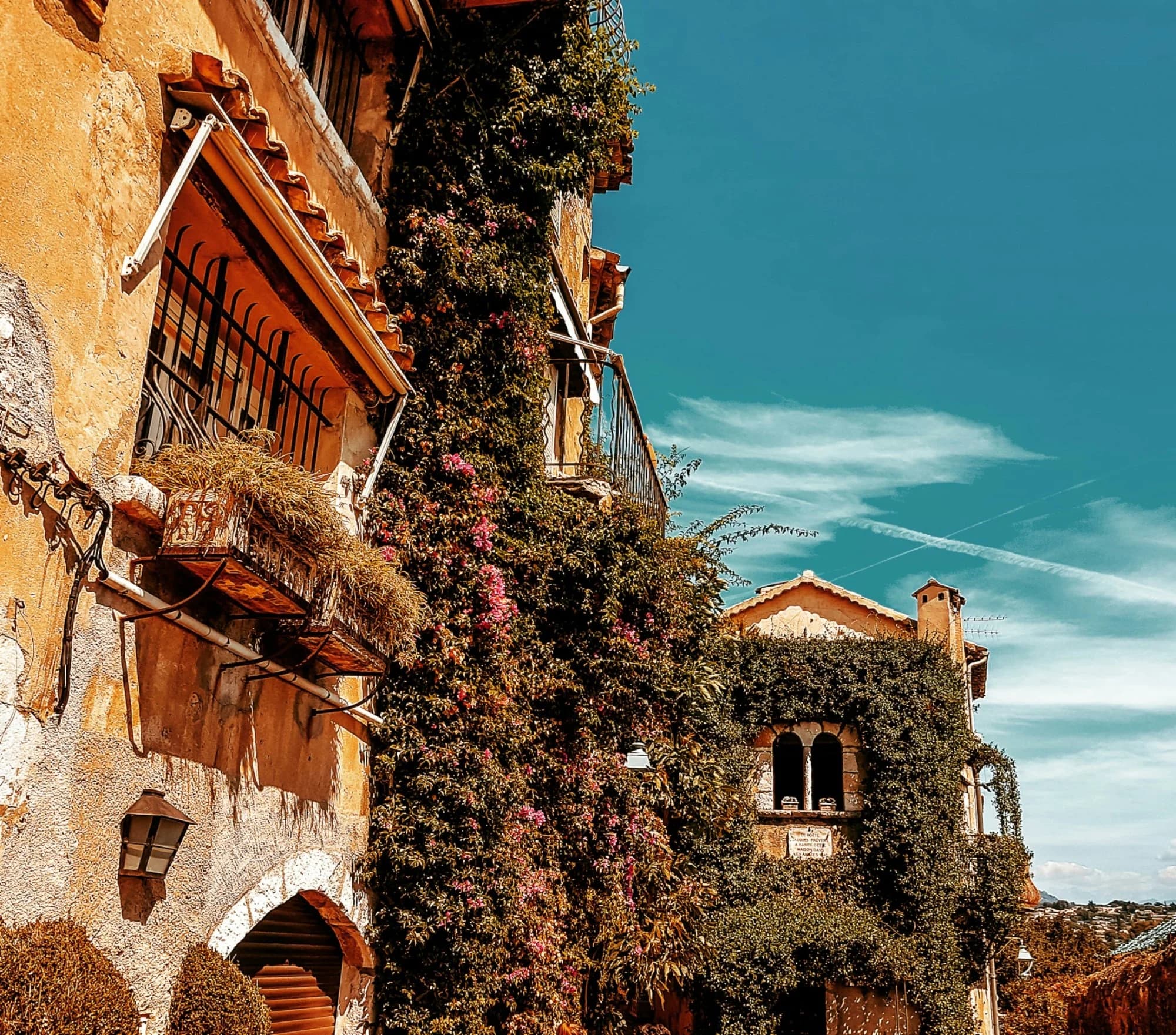
Within the ramparts, movement is on foot and by definition unhurried. Properties positioned inside or directly adjacent to the walled village offer the most immersive experience of the medieval fabric: stone vaulted corridors, narrow lanes connecting small squares, and the constant presence of the surrounding landscape visible from the walls. Suites in this zone tend to prioritize architectural integration over scale, with interior design that references the local vernacular through material choices such as local limestone, oak, and hand-painted faience.
The immediate periphery and countryside approaches
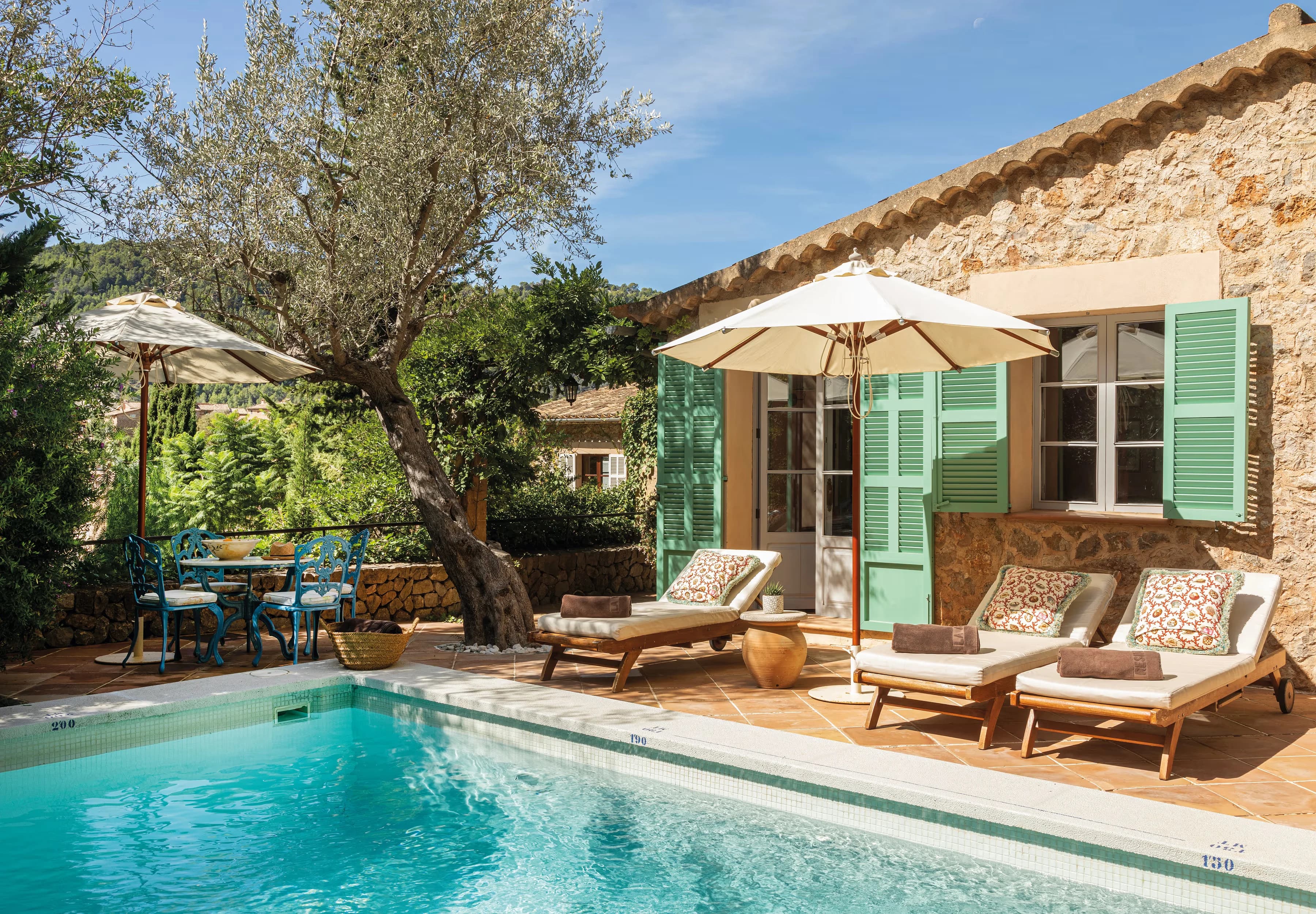
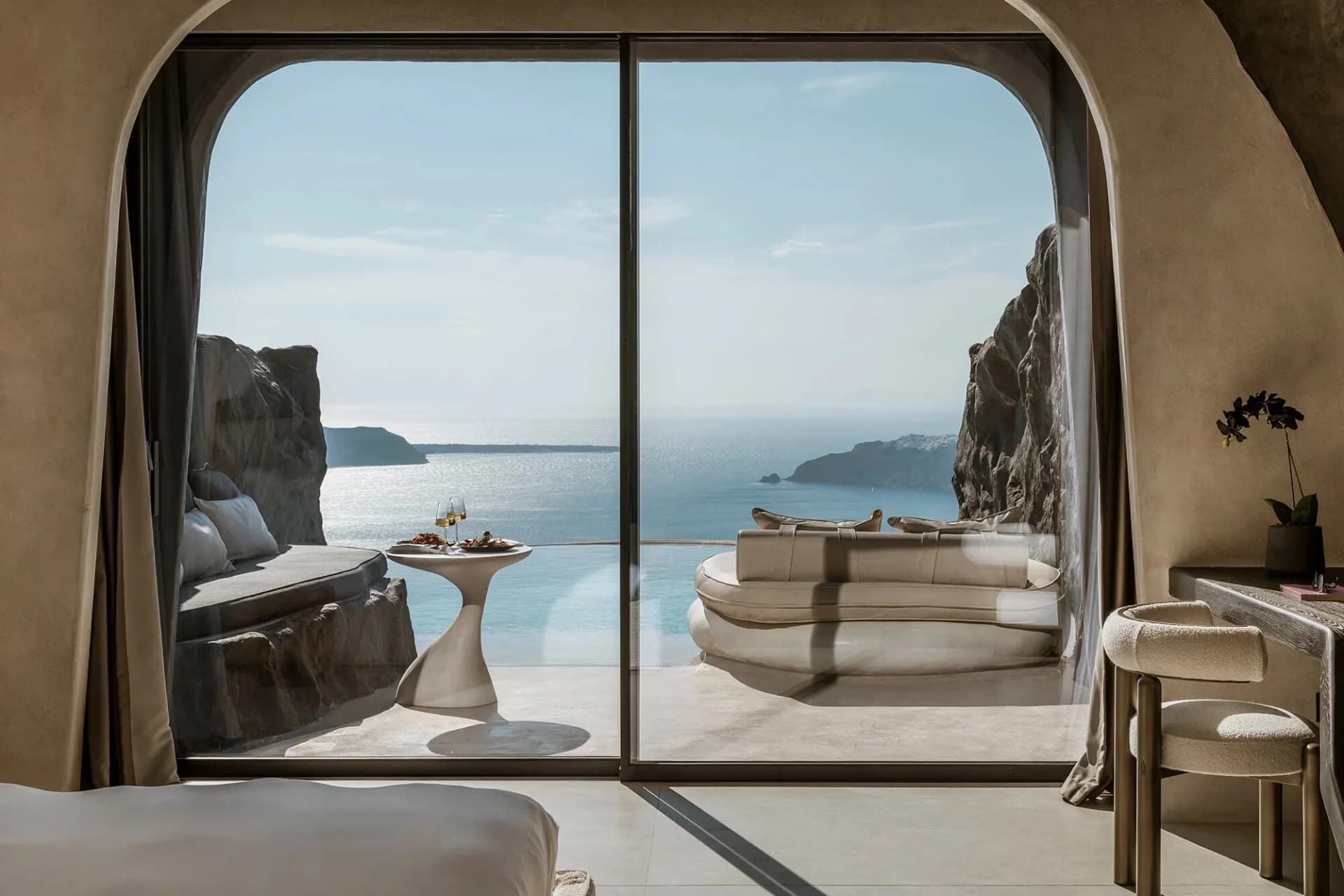
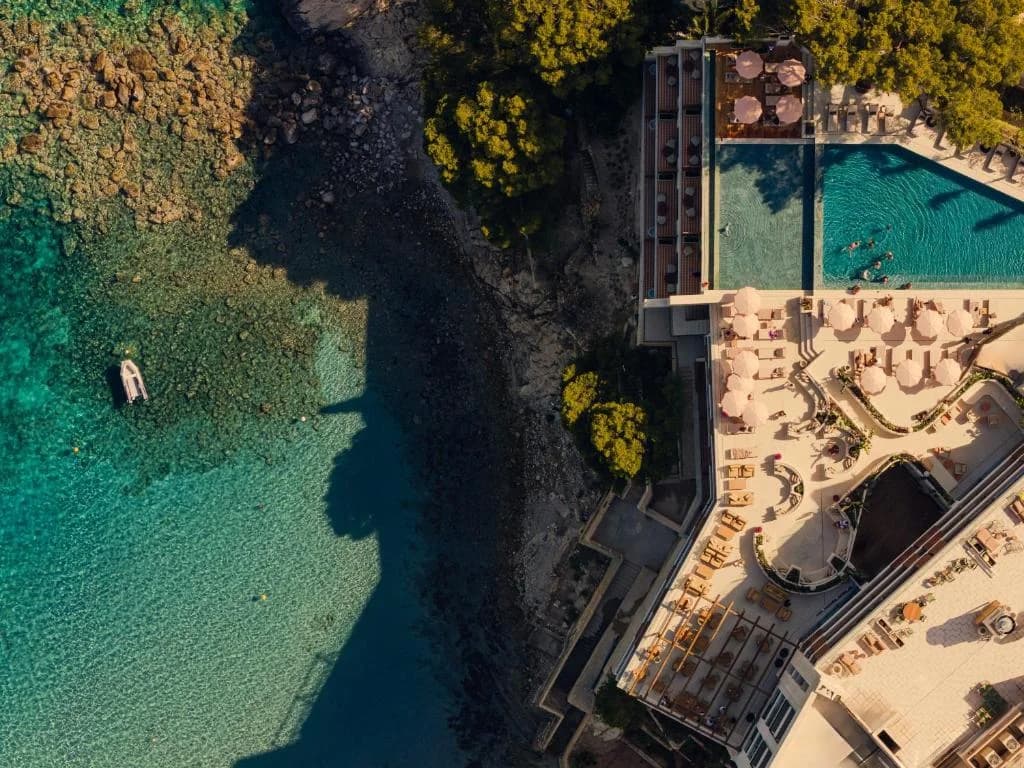
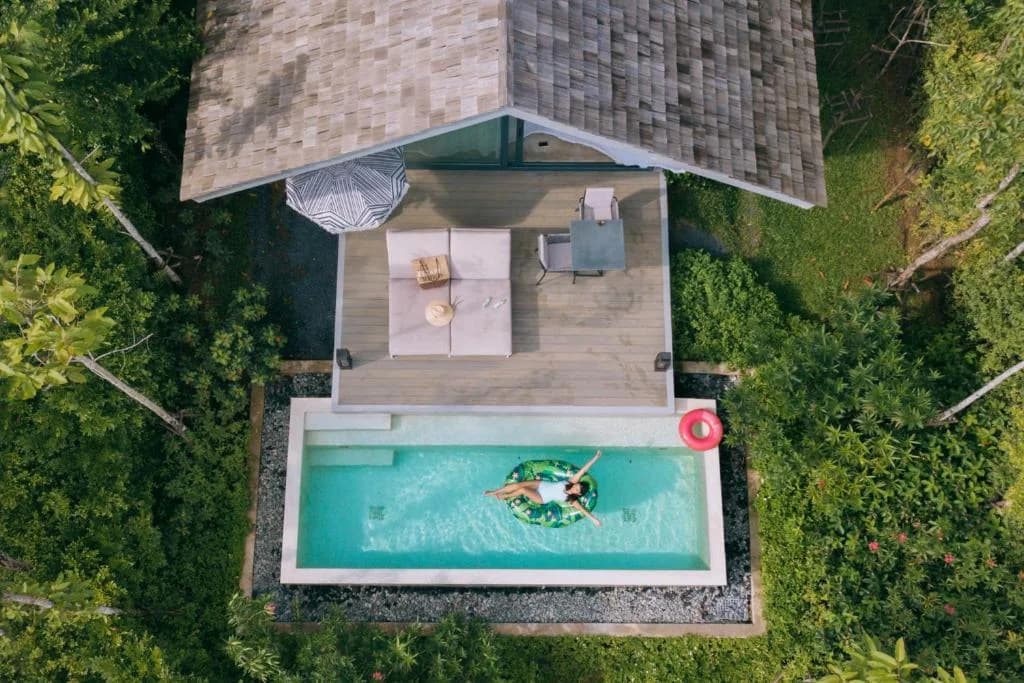
The roads approaching Saint-Paul-de-Vence from Vence, Cagnes-sur-Mer, and the Route Nationale pass through a landscape of olive groves, cypress alleys, and dry-stone walls that is itself a significant part of the Provençal visual experience. Hotels and mas situated in this transitional zone between village and open country offer larger grounds, pool terraces with panoramic views toward the sea or the pre-Alps, and a degree of spatial privacy that the walled village cannot provide. These properties suit travelers who want the cultural access of Saint-Paul-de-Vence combined with the physical openness of the broader Alpes-Maritimes landscape.
When to visit Saint-Paul-de-Vence
The village receives concentrated tourist traffic between June and August, when the coastal Riviera season draws visitors inland. For travelers seeking a more considered experience of the architecture and the art, the shoulder seasons carry a clear advantage. April and May offer the Provençal light at its most precise, the lavender fields of the broader region in early bloom, and a visitor density that allows genuine engagement with spaces like the Fondation Maeght without the compression of summer. September and October extend these conditions and add the context of harvest across the surrounding agricultural land.
Winter in Saint-Paul-de-Vence is mild by northern European standards, and the village in low season takes on a quality closer to its historical character: local residents visible, artisan workshops open without queues, the pétanque square returned to its proper social function. Suite rates in this period reflect the reduced demand and represent a more favorable value proposition for a stay of several nights.
The Nice Carnival in February and the Cannes Film Festival in May are regional events that affect accommodation availability across the Alpes-Maritimes, and travelers planning a Saint-Paul-de-Vence stay around either event should anticipate reduced availability and higher base rates throughout the département.
Local luxury standards and what to expect from top-tier suites
France operates a formal hotel classification system that extends to a Palace designation, awarded by Atout France to properties meeting the most demanding criteria across service, architecture, and amenity. The Riviera and its immediate hinterland, including the area around Saint-Paul-de-Vence, contain some of the highest concentrations of Palace-designated and five-star properties in the country. The regional standard for luxury hospitality is therefore calibrated against an exceptionally competitive field.
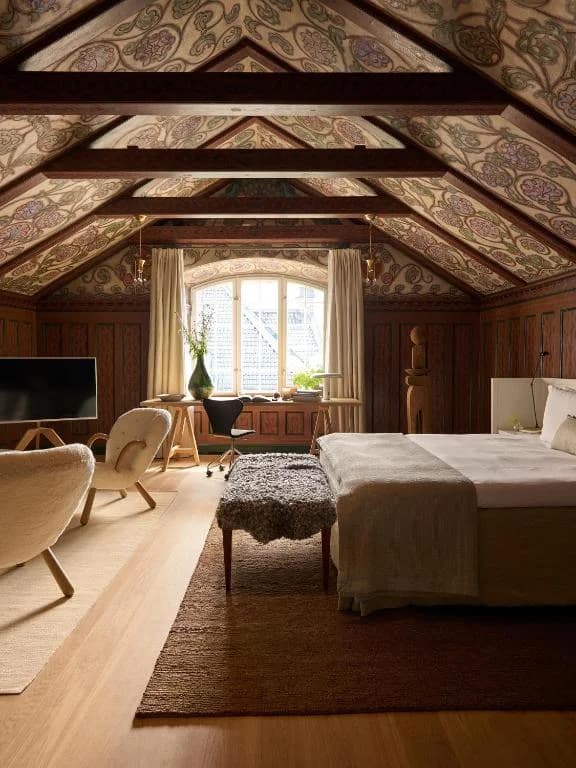
Within this context, the finest suites near Saint-Paul-de-Vence tend to offer a specific combination: Provençal architectural language expressed through contemporary interior choices, outdoor living space proportionate to the suite interior, and a service model that understands discretion as a primary value rather than an afterthought. The best properties maintain relationships with the Fondation Maeght and with the broader network of ateliers and galleries that give the village its cultural character, translating these relationships into access and programming for guests.
Travelers should also be aware of the mas format, the traditional Provençal farmhouse property converted to hospitality use. A mas in this region implies a particular spatial logic: low horizontal volumes set against a terraced landscape, interior rooms organized around a central courtyard or garden, and an absence of the vertical grandeur associated with urban palace hotels. The luxury of a well-executed mas suite is tactile and agricultural rather than ceremonial.
How to choose the right luxury suite in Saint-Paul-de-Vence
Orientation and view
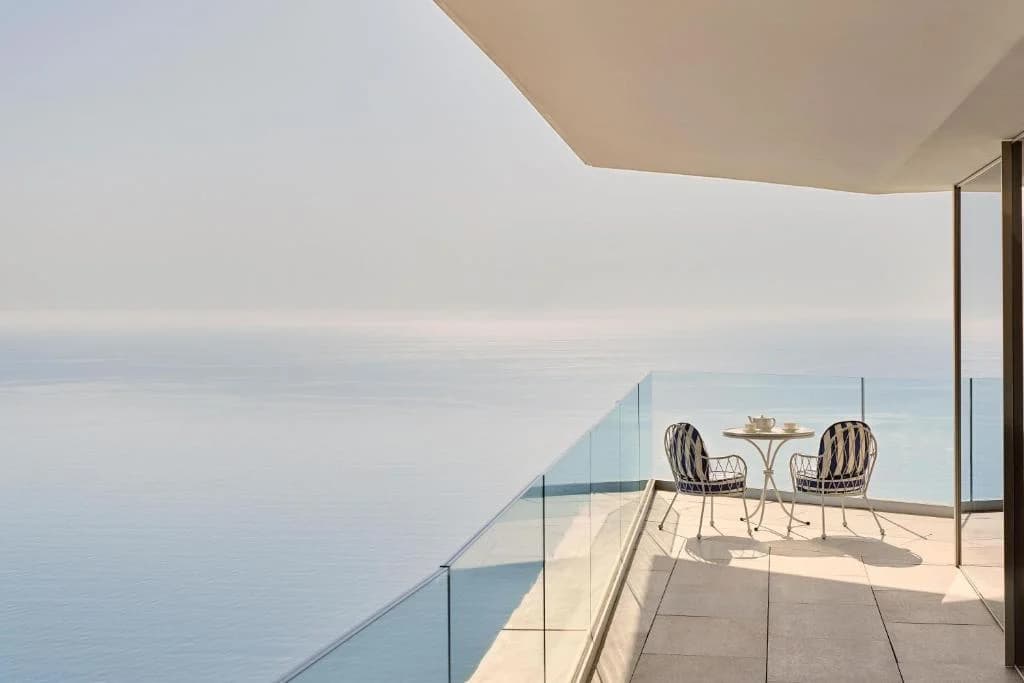
The village sits at approximately 180 meters elevation, and the landscape visible from different aspects varies considerably. Suites oriented toward the south and southwest capture the Alpes-Maritimes coastal plain and, on clear days, the Mediterranean horizon. North and east orientations open toward the pre-Alpine terrain of the Var and Alpes-de-Haute-Provence, which offers a more austere and architecturally interesting prospect. The choice between these orientations reflects a preference between maritime lightness and continental depth.
Historical versus contemporary architecture
Properties within or adjacent to the walled village work within constraints imposed by historical monument classification, which governs exterior modifications and in some cases interior interventions. This produces suites of considerable character but variable configuration, as original room dimensions are preserved rather than rationalized. Contemporary properties on the village periphery operate without these constraints and can offer suites designed to modern spatial expectations, with bathroom volumes and circulation areas that a medieval stone structure cannot always accommodate.
Proximity to the Fondation Maeght
The Fondation Maeght, opened in 1964 and designed by Josep Lluís Sert, is one of the most significant private art foundations in Europe and the primary cultural anchor of a stay in Saint-Paul-de-Vence. Its permanent collection includes major works by Miró, Giacometti, Braque, and Chagall, and its temporary exhibition program operates at an institutional level. Travelers for whom the foundation is a central reason for the visit should weight proximity accordingly when choosing a suite.
Why a curated selection matters in Saint-Paul-de-Vence
Saint-Paul-de-Vence is a small village with a disproportionate number of accommodation options relative to its surface area, ranging from informal chambres d'hôtes to internationally recognized five-star properties. The range in quality, character, and positioning is significant, and the relationship between price and experience is not always linear. A curated selection by La Suite filters this landscape against criteria that reflect the expectations of a discerning traveler: architectural coherence, suite configuration, service standards, and cultural positioning. The result is a shortlist that removes the noise from what is otherwise a complex and sometimes opaque market.