Where to stay in Chamonix-Mont-Blanc for a luxury suite experience
Chamonix town centre
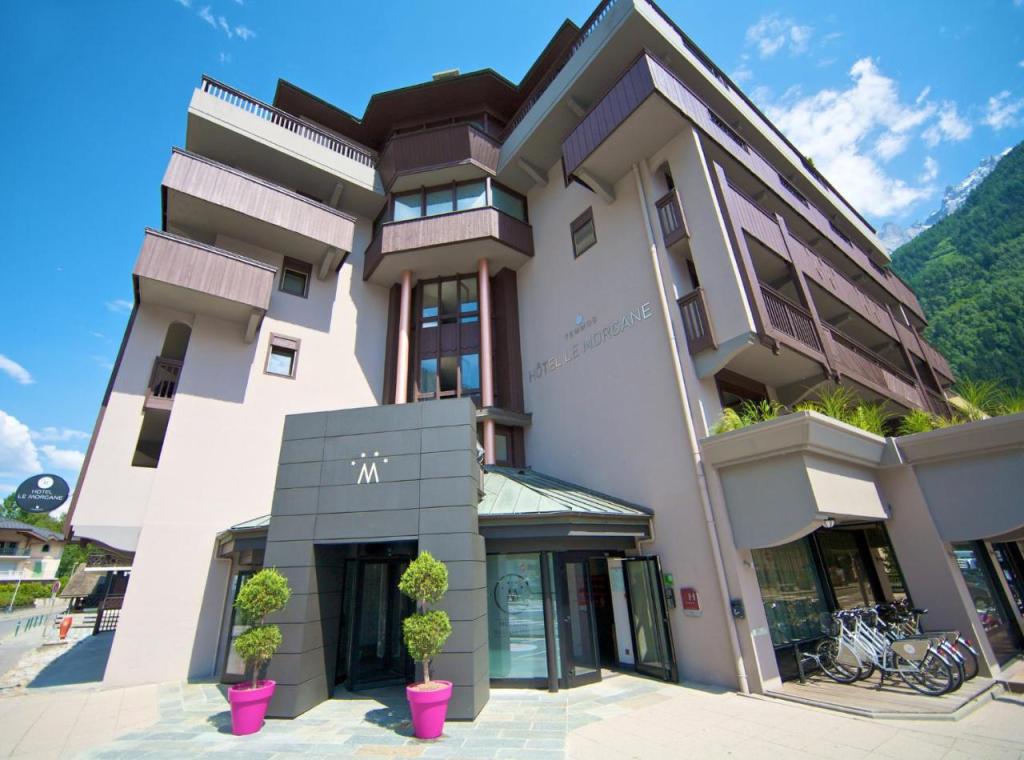
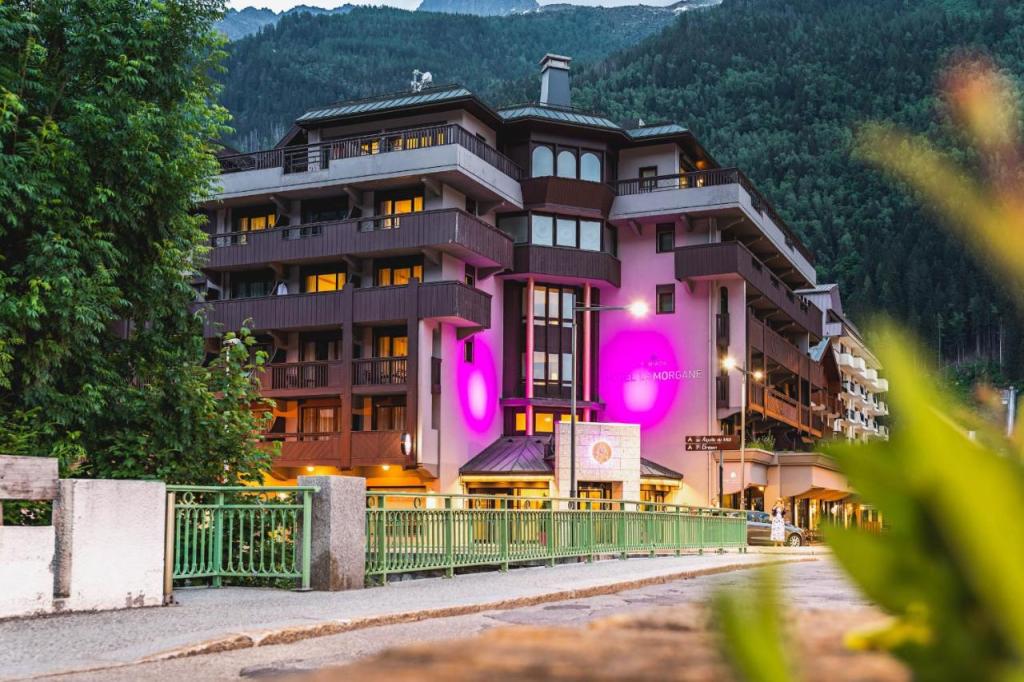
The historic core around the Casino and the Aiguille du Midi cable car station concentrates most of the valley's established luxury hotels. Suites here sit within walking distance of the principal restaurants, the casino, and direct access to the Compagnie du Mont Blanc lift network. The architecture ranges from Belle Époque grand hotel facades to mid-century alpine construction. For guests who want proximity to the valley's social infrastructure without relying on a vehicle, the town centre remains the most coherent choice.
Les Praz and Clos du Lac
Two kilometres north of the centre, Les Praz de Chamonix offers a quieter residential character alongside direct access to the Flégère cable car. Properties here tend toward smaller, more refined formats. The view corridor toward the Mer de Glace and the Grandes Jorasses is often clearer from this elevation than from the town floor. Guests who prioritise visual composition over convenience gravitate toward this area.
Argentière
At the upper end of the valley, Argentière sits closer to the Grands Montets ski area, historically one of the most technically demanding ski domains in the Alps. The village retains a working mountain character that some travellers find more authentic than the commercialised centre. Suites in this area deliver a different sensory register: quieter, darker at night, and with a more immediate relationship to glacial terrain.
When to visit Chamonix for a luxury hotel suite stay
Chamonix operates as a genuine year-round destination, a distinction that separates it from most alpine resorts, which function primarily in winter. Each season presents a different set of conditions, and the timing of a visit should align with the specific experience being sought.
Winter: December to March
Peak season in the conventional sense. The ski areas across the Chamonix valley, from Les Houches to Grands Montets, operate at full capacity. Suite availability at premium properties tightens considerably from mid-December through to the end of February. The Chamonix Mont-Blanc marathon of Christmas and New Year periods commands significant price premiums. Advance planning of three to six months is a practical minimum for the best suites during this window.
Spring and early summer: April to June
A transitional period that rewards flexibility. The ski season extends well into April at altitude, while the valley floor begins to show early-season alpine meadow conditions. This is a lower-pressure window for suite availability, and rates often reflect that. The Ultra-Trail du Mont-Blanc (UTMB) week in late August creates a secondary peak, but April through June remains relatively accessible.
Summer: July to September
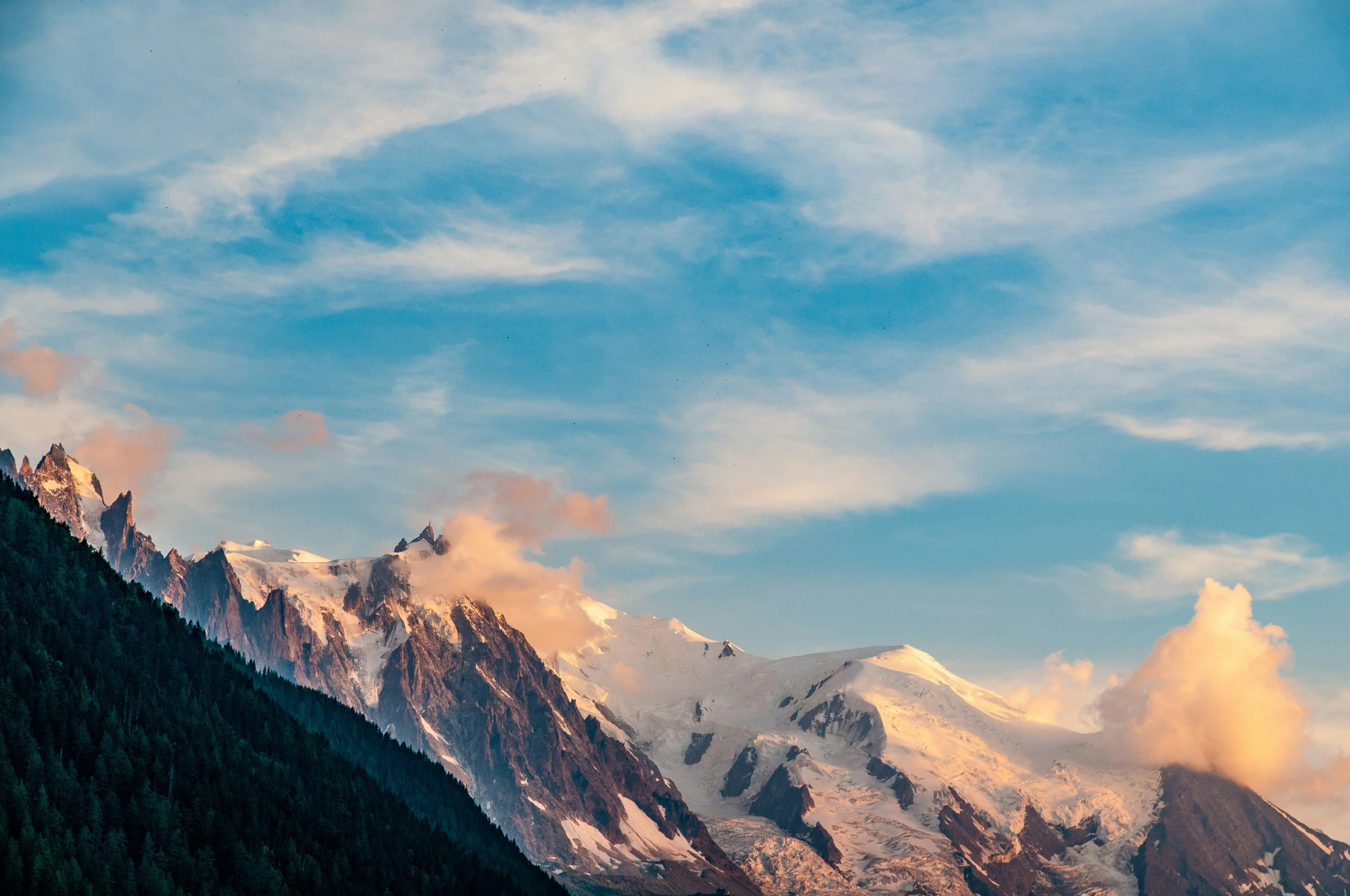
The trail running and alpinism season. The UTMB race series, held across the final week of August and the first days of September, draws an international field and compresses accommodation availability across the entire valley. Outside of that specific week, summer in Chamonix offers perhaps the clearest conditions for suite-level amenity: long days, access to the Aiguille du Midi at 3,842 metres, and the full network of high-altitude hiking trails. Suites with west-facing terraces are particularly valuable during summer evenings when alpenglow settles on the Mont Blanc massif.
Autumn: October to November
The quietest period in the valley calendar. Most ski infrastructure is offline, and some hospitality venues close for renovation. Travellers who seek solitude and preferential suite terms will find autumn accommodating, though the choice of open properties narrows meaningfully.
Luxury standards in Chamonix: what to expect from a high-end suite
France's official hotel classification system awards a five-star ceiling to luxury properties, with a supplementary designation, the Palace label, reserved for establishments meeting an elevated set of criteria defined by Atout France, the national tourism agency. Several properties in the broader Haute-Savoie corridor hold or have sought this designation. In Chamonix specifically, the suite offer spans several architectural and experiential categories.
The grand hotel format, inherited from the nineteenth-century tradition of alpine tourism, tends toward high ceilings, substantial floor plans, and a design vocabulary that references the Belle Époque era while incorporating contemporary infrastructure. Suites in these properties often include separate living areas, dressing rooms, and private balconies with direct mountain orientation.
A second category, the contemporary alpine chalet format, has become increasingly prevalent. These properties prioritise natural materials, including local larch, stone sourced from the Savoy region, and hand-finished surfaces. Suites in this format tend toward warmer sensory registers, with wood-lined interiors, deep soaking baths, and fireplace installations.
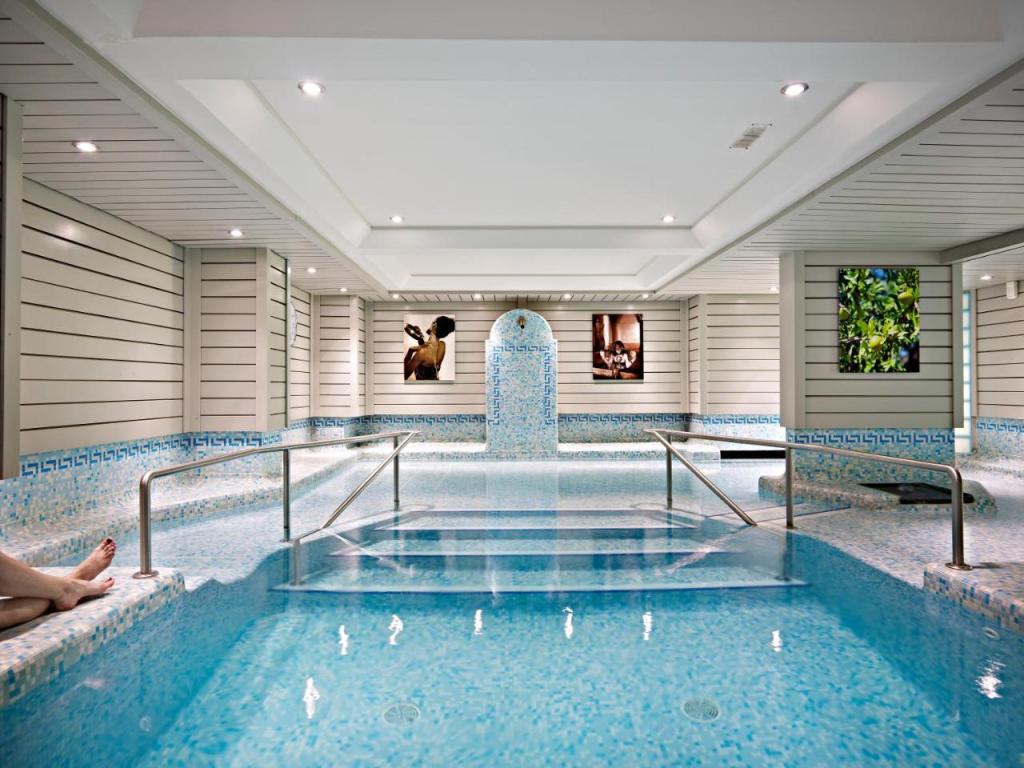
Across both categories, guests should expect standard inclusions at the top tier: concierge services covering lift passes, guide booking, and restaurant reservations; in-suite food and beverage service; and dedicated valet or porter support. Spa and wellness facilities are standard at five-star properties, with many incorporating altitude-specific recovery programming.
How to choose the best luxury suite in Chamonix-Mont-Blanc
Several practical considerations apply specifically to Chamonix that do not necessarily transfer from other alpine or urban luxury contexts.
Orientation matters more here than in almost any other destination. A suite facing north or northeast will receive dramatically less direct light and may look directly toward a rock face rather than the Mont Blanc massif. The investment in a correctly oriented suite, typically south or southwest facing, is substantial in experiential terms and should be confirmed explicitly at the time of reservation.
Floor position is a secondary consideration. The valley floor sits below the treeline and below several ridgelines. Suites on upper floors of town-centre properties often clear obstructions that affect lower rooms, resulting in meaningfully different views even within the same building.
Seasonal equipment storage is a practical detail that distinguishes properties accustomed to serious guests from those that are not. Ski and boot storage, boot drying facilities, and technical equipment handling should be confirmed before arrival.
Finally, the proximity of a property to specific lift stations matters depending on the primary purpose of the visit. A guest focused on the Vallée Blanche descent from the Aiguille du Midi will have different logistical priorities from one focused on trail running from the Flégère network. Matching suite location to activity base is a consideration that generic hotel search tools rarely accommodate.
Why a curated selection by La Suite helps in Chamonix
The luxury suite market in Chamonix is not large. The number of properties meeting a genuine standard across architecture, service delivery, and suite specification is limited, and within that set, significant variance exists in the quality of individual room categories, orientations, and seasonal availability patterns.
La Suite applies a consistent editorial standard across every property in its selection. The curation process prioritises suite-specific criteria rather than general hotel reputation: the proportion of the floor plan given to living space versus sleeping area, the quality of the view from the primary seating position, the coherence of the material palette, and the reliability of service at the suite tier specifically.
For a destination as physically specific as Chamonix, where the relationship between a suite and its mountain context determines the quality of the entire stay, that level of granularity in the selection process is not optional. It is the point.