Understanding the geography of Saint-Jean-Cap-Ferrat
The village centre, small enough to cross on foot in minutes, contains the harbour, a modest market, and a handful of restaurants. The peninsula's eastern and western shoreline paths, the sentiers littoraux, provide uninterrupted access to the sea and offer two distinct atmospheric registers: the western coast facing Villefranche tends toward the more sheltered and intimate; the eastern coast opens toward the open sea and the light shifts accordingly. For travelers selecting a luxury hotel suite on the peninsula, proximity to these paths and the orientation of the property toward the sea are primary architectural considerations.
Distinct areas within the peninsula and their character
The cape itself
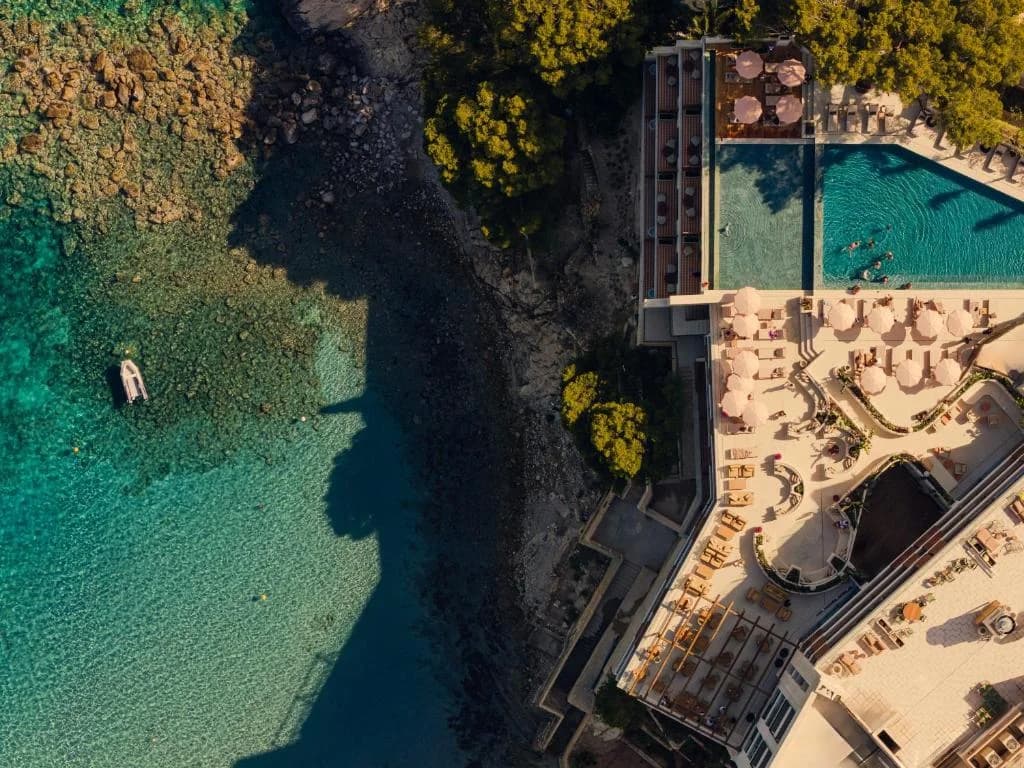
The southernmost point of the cape is the most secluded. Properties positioned here benefit from a 180-degree sea exposure and a near-total absence of pedestrian traffic. The scale of historic estates in this zone tends toward the monumental, with mature gardens that have been cultivated for generations. Luxury hotel suites in this part of the peninsula deliver a particular quality of silence that is increasingly rare on the French Riviera.
The village and port area
The village core offers a different register: morning life around the small market, fishing boats moored alongside private yachts, and a sense of local rhythm that remains intact despite the peninsula's international reputation. Hotels positioned within walking distance of the port allow guests to move between total privacy and a modest but genuine social scene. For travelers who want their suite experience to include some engagement with the village scale, this zone is the appropriate base.
The coastal garden belt
The Villa Ephrussi de Rothschild, a rose-pink palace with nine themed gardens, anchors the cultural geography of the cape and draws visitors from across the region. Properties near this zone benefit from the adjacent botanical density, with mature Mediterranean planting providing both visual texture and thermal regulation during summer months.
When to visit Saint-Jean-Cap-Ferrat
The French Riviera operates on a pronounced seasonal calendar. The peak period runs from late June through August, when the peninsula reaches its maximum occupancy and suite rates reflect acute demand. This window does offer the most reliable warmth for sea bathing, but the peninsula's narrow access roads are at their most congested, and the overall experience shifts toward the transactional.
May and June represent the most considered choice for luxury travelers. Temperatures are already warm enough for outdoor dining and sea swimming, the light on the eastern Mediterranean coast is at its clearest before the summer haze sets in, and the properties themselves are operating at a pace that allows for a more personalised level of service. The Cannes Film Festival, held in May approximately 35 kilometres to the west, draws a particular density of cultural and industry travelers to the region during this period.
September and early October are equally viable, sometimes preferable. The sea retains summer warmth, the tourist density drops sharply after the first week of September, and the light acquires a particular horizontal quality that photographers and design-literate travelers frequently cite as the best of the year. Luxury hotel suites on the peninsula are often easier to secure during this shoulder period, and rates stabilise relative to the August peak.
Winter on the cape is quiet and functional. Many smaller establishments reduce their services, but the major properties remain operational, offering a version of the peninsula that is essentially private. For travelers whose itinerary includes extended time in Nice or Monaco, a winter stay in Saint-Jean-Cap-Ferrat operates as a deliberate retreat from the pace of those cities.
Local luxury standards and what to expect from top-tier suites here
France operates a formal classification for its highest-tier hotel properties: the Palaces designation, administered by Atout France, applies to establishments that meet a set of criteria covering architecture, service standards, cultural integration, and food and beverage quality. This designation sits above the standard five-star classification and carries specific obligations around the French heritage of the property. On the Côte d'Azur, the Palace label is held by a small number of hotels, and the concentration of such properties between Nice and Monaco is among the highest in Europe.
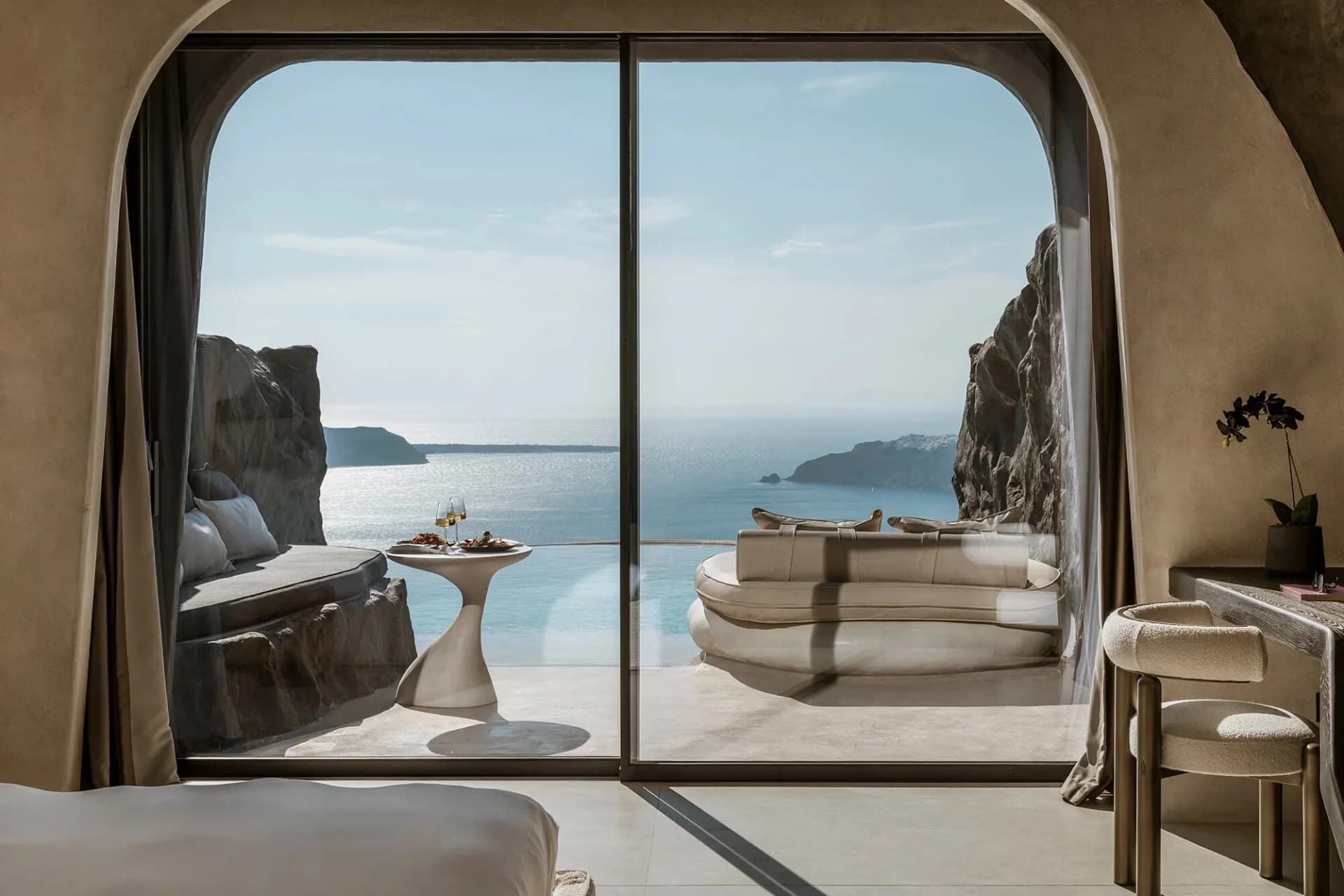
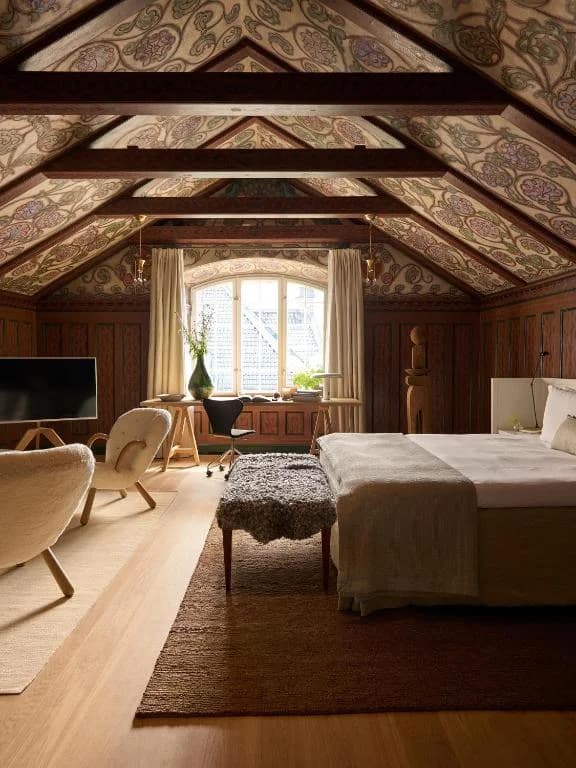
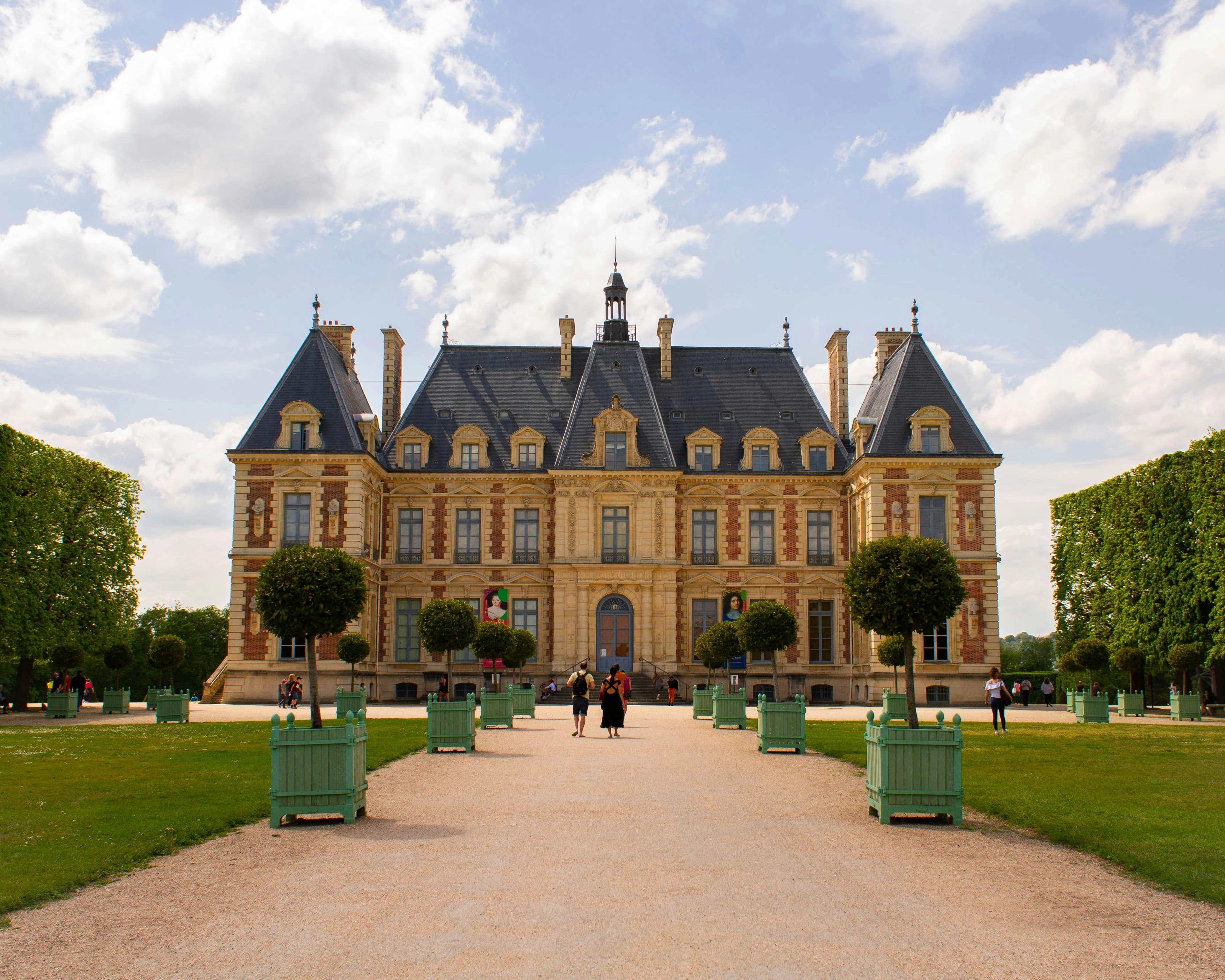
Within Saint-Jean-Cap-Ferrat specifically, luxury hotel suites tend to be defined by their relationship to the architecture of the Belle Époque and the particular quality of Mediterranean light. The finest suites here are not necessarily the largest in absolute terms: the premium is placed on terrace orientation, the quality of the sea view, and the integration of indoor and outdoor living. Stone and plaster finishes, hand-laid tilework, and bespoke furniture commissions from French artisans are markers of quality at this level of the market.
Service standards at the highest tier on the peninsula are calibrated around discretion. The client base has historically included heads of state, significant private collectors, and figures from the entertainment and finance industries who require invisibility as a baseline. A well-trained luxury hotel suite staff here anticipates requirements before they are stated and operates with a formality that is present but not performative.
How to choose the right suite in Saint-Jean-Cap-Ferrat
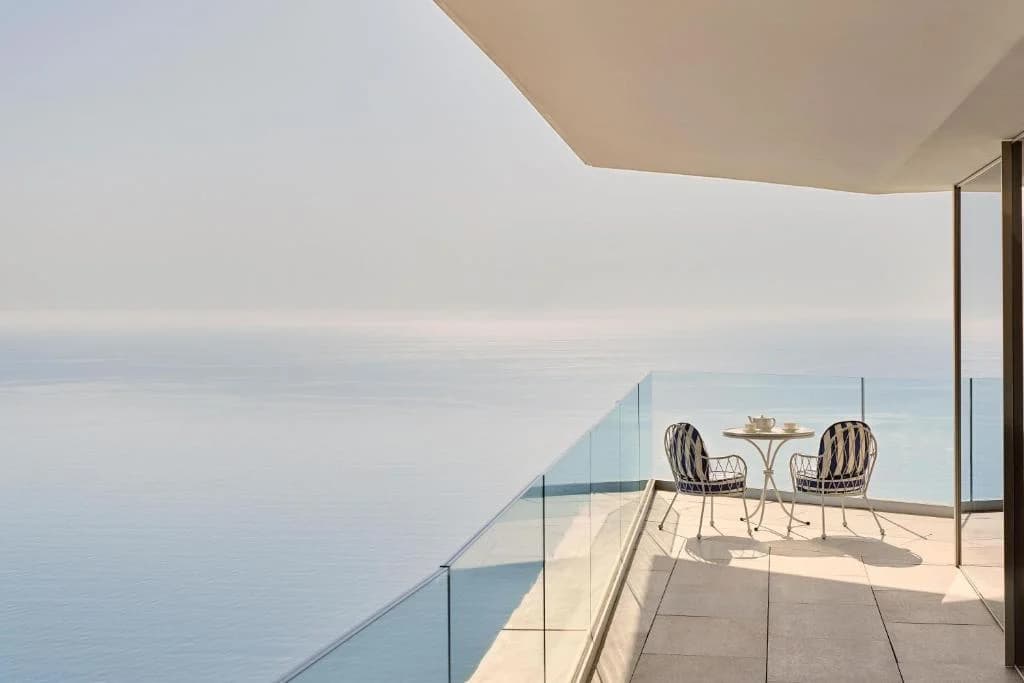
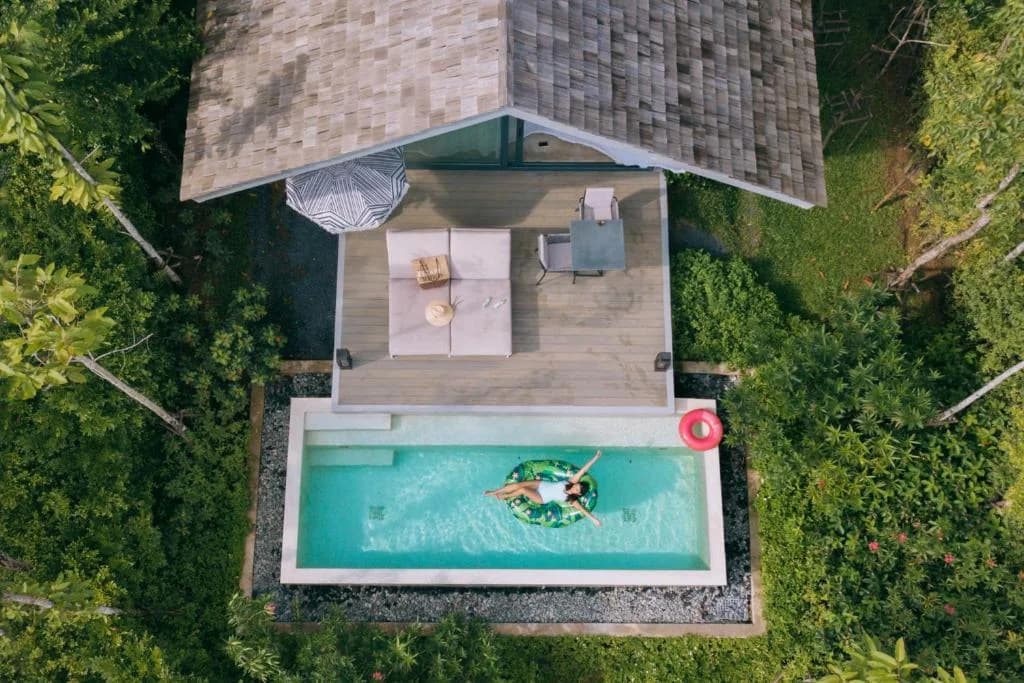
Several variables are specific to this destination and should inform any suite selection process. First, orientation: suites facing south or southeast will receive direct morning and midday light, and this is the quality of illumination that defines the Côte d'Azur aesthetic. North-facing rooms, regardless of their interior quality, will not deliver that experience. Second, terrace scale: on a peninsula where the outdoor experience is central, a suite with a private terrace of meaningful size is a categorically different product from one with a Juliet balcony. Third, pool access: the distinction between a suite with direct pool access and one that requires passage through a public lobby area is significant at this price tier.
The choice between a historic Belle Époque property and a more architecturally contemporary hotel is also a genuine fork. Belle Époque properties carry a specific atmospheric weight: high ceilings, ornamental cornicing, and a material history that is embedded in the walls. Contemporary properties may offer cleaner lines and more recent technical specifications in areas such as climate control and acoustic insulation. Neither is objectively superior; the decision is a matter of which sensory experience is appropriate for the specific stay.
The value of a curated selection by La Suite
Saint-Jean-Cap-Ferrat is a small destination with a limited number of relevant properties. For a traveler unfamiliar with the peninsula, this appears to simplify the decision. In practice, the concentration of high-value real estate in a confined geography means that the differences between properties are subtle, specific, and consequential. A suite that looks equivalent on a standard booking platform may differ dramatically in terms of terrace orientation, noise exposure from the port, or the actual quality of the sea view from the room itself.
La Suite applies an editorial framework to these distinctions. The curation process is based on direct knowledge of the properties, their architectural character, and the specific suite inventory they carry. For a destination like Saint-Jean-Cap-Ferrat, where the number of genuinely relevant luxury hotel suites is small and the stakes of a poor choice are high relative to the investment, a curated selection by La Suite removes the structural ambiguity from the booking process and allows the traveler to engage with the destination from the correct starting point.