Understanding Cologne as a luxury destination
Cologne's luxury offer is anchored by the Rhine riverfront, the cathedral quarter, and the inner districts of the Belgian Quarter and Deutz. Each zone carries a distinct atmosphere and a corresponding accommodation register. Understanding which area suits your priorities is the first decision a high-end traveler should make.
Key areas to consider when choosing a suite in Cologne
The cathedral quarter and Altstadt
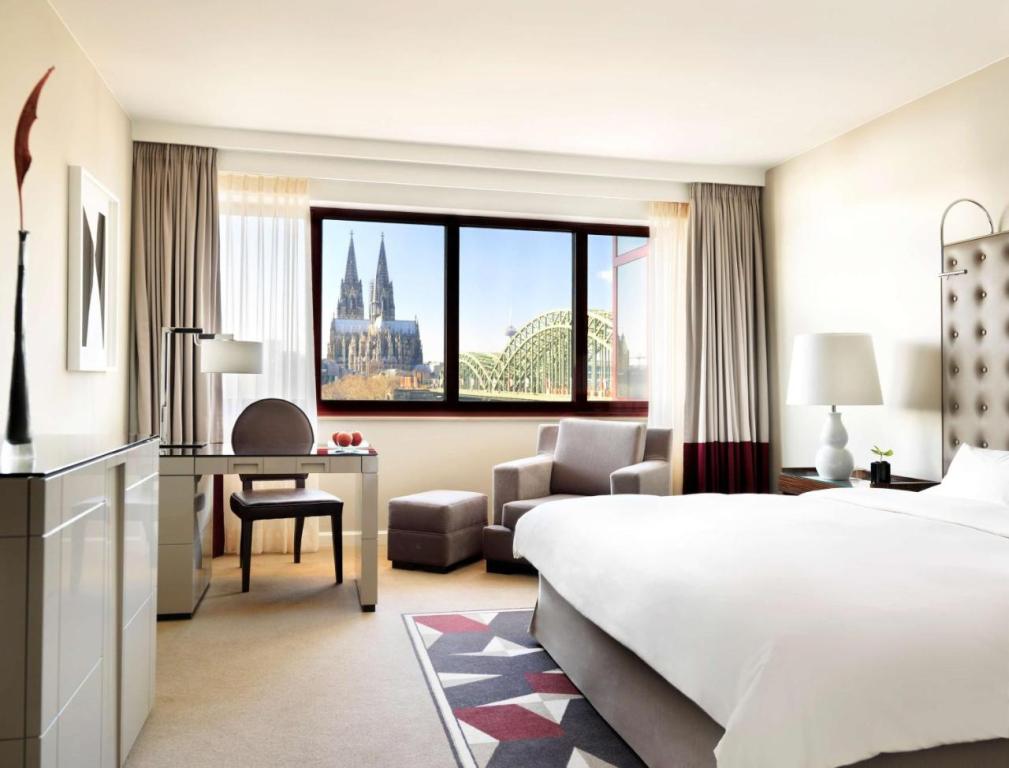
The historic center, organized around the Kölner Dom, is the city's most architecturally concentrated zone. Suites in this area offer direct engagement with the cathedral's presence, particularly those on upper floors with westward orientation. The Altstadt (old town) extends along the Rhine, and the riverfront position here provides both visual access to the river and proximity to the city's major museums, including the Museum Ludwig and the Wallraf-Richartz-Museum. This is the appropriate base for cultural itineraries and for travelers attending major events at the city's central venues.
The Belgian Quarter and Ehrenfeld
To the west of the center, the Belgian Quarter has developed into Cologne's primary address for contemporary design, independent galleries, and a selective restaurant scene. Suites in this district appeal to design-literate travelers who prioritize a residential atmosphere over monument proximity. Ehrenfeld, directly adjacent, carries a slightly more industrial character with a strong creative sector. Both areas represent the city's contemporary identity rather than its historical one.
Deutz and the right bank of the Rhine
The Deutz district, located on the eastern bank of the Rhine, offers a counterpoint perspective on the cathedral skyline. Suites positioned here provide the most photogenic approach to the Kölner Dom, with the river in the foreground. This area is also proximate to the Koelnmesse, the city's major trade fair and exhibition complex, making it the logical choice for business travelers attending events at that venue.
When to visit Cologne for a luxury suite stay
Cologne operates on a calendar defined by major trade fairs and cultural events that have direct implications for suite availability and pricing. The most significant pressure periods are Cologne Art Week in November, imm cologne (the international furniture and interior design fair) in January, Art Cologne in April, and the Gamescom consumer electronics event in August. During these windows, suite inventory contracts sharply and rates respond accordingly. Advance booking of six to twelve months is standard practice for high-demand periods.
The Cologne Carnival, running from November through the formal street celebrations in February, is a culturally distinct event with no equivalent in the German calendar. The city's character changes materially during this period. Travelers who engage with Carnival deliberately, rather than incidentally, will find the experience coherent; those expecting a quieter cultural stay should schedule outside these dates.
The Rhine valley in late spring and early autumn offers the most temperate conditions for the city. Outdoor programming, riverside dining, and gallery schedules align in these seasons to produce a full luxury itinerary.
Local luxury standards: what to expect from top-tier suites in Cologne
Germany does not operate a formal palace-category designation in the manner of France's Palaces label. The top tier of Cologne's hotel market is defined by a combination of international five-star classification, membership in groups such as Leading Hotels of the World or Preferred Hotels, and independent recognition from sources including the Michelin Guide and the Relais and Chateaux network.
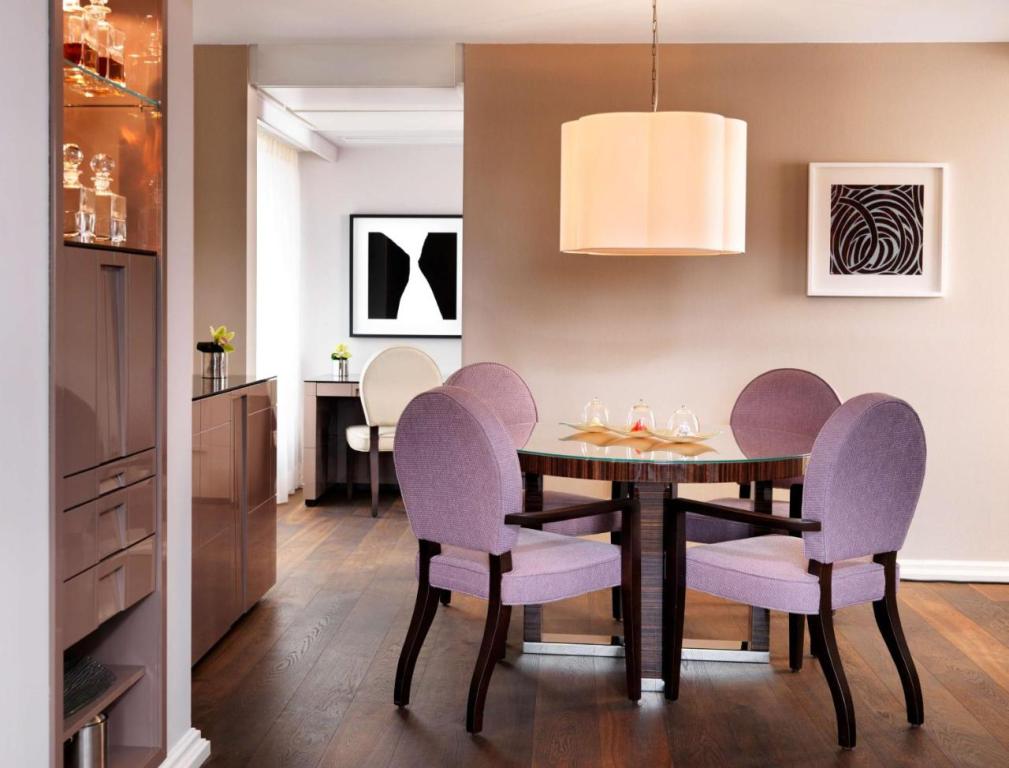
Suite specifications in Cologne's premier properties typically include separate living and sleeping areas, high-quality material finishes, and dedicated concierge service. Cathedral-facing or river-facing suites command a premium that reflects genuine scarcity, not merely a marketing tier. Suites in the city's top properties will also provide access to hotel dining at a serious level: Cologne holds multiple Michelin-starred addresses, and the best hotel suites operate within that gastronomic context.
Spa facilities at leading Cologne hotels tend toward clinical precision rather than resort indulgence, reflecting the city's professional character. This is a working cultural capital, and its luxury infrastructure reflects that orientation.
How to choose the right luxury suite in Cologne
The primary decision axis in Cologne is position: cathedral quarter or river-adjacent suites offer historic and visual capital, while inner-district suites in the Belgian Quarter offer contemporary cultural immersion. Neither is superior in absolute terms; the choice depends on the traveler's priorities.
Architectural character is the second consideration. Cologne's hotel stock includes properties in historic buildings, postwar structures that have been sensitively renovated, and purpose-built contemporary hotels. Travelers with a strong aesthetic position should verify the physical building as carefully as the suite specification. A well-appointed suite in an architecturally incoherent building is a compromised experience.
Floor height and orientation are practical determinants of value in Cologne. The city's flat terrain means that upper-floor suites achieve genuine panoramic reach. A suite with a clear sightline to the Kölner Dom's twin spires, or a westward river view at dusk, is a materially different product from one with a courtyard or street-level exposure.
For business travelers, proximity to the Koelnmesse and connectivity to Cologne Bonn Airport (approximately 15 minutes by rail from the central station) are logistical factors that should inform the selection.
Why curated selection matters in Cologne
Cologne's luxury hotel market is smaller than those of Frankfurt or Munich but more concentrated in genuine quality at the top tier. The challenge for the independent traveler is distinguishing between properties that perform at the highest level consistently and those that occupy a five-star classification without the editorial substance to support it.
Germany as a whole, and Cologne specifically, benefits from the kind of editorial filter that La Suite applies: a selection based on architectural integrity, suite quality, service standard, and contextual relevance to the city's character. The platform's curation of luxury suites in Germany and across Europe reflects direct knowledge of what distinguishes a suite worth occupying from one that merely carries the label. For Cologne, that distinction is meaningful and worth the editorial investment.