Where to stay in Corfu for a luxury suite experience
The northeast coast
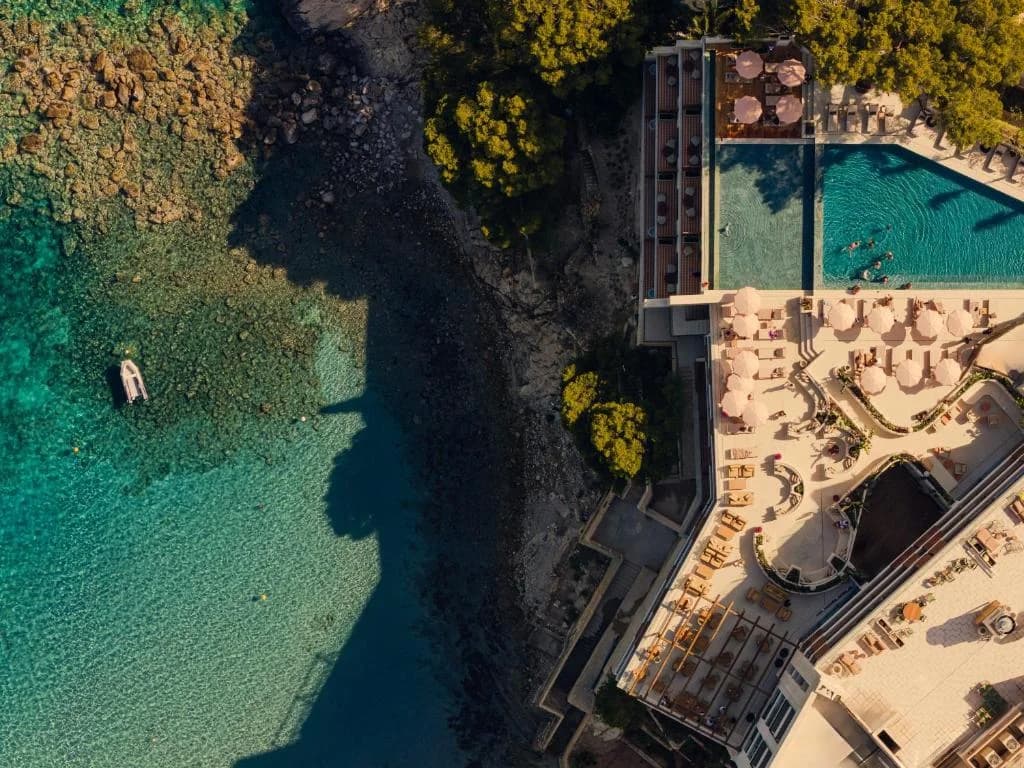
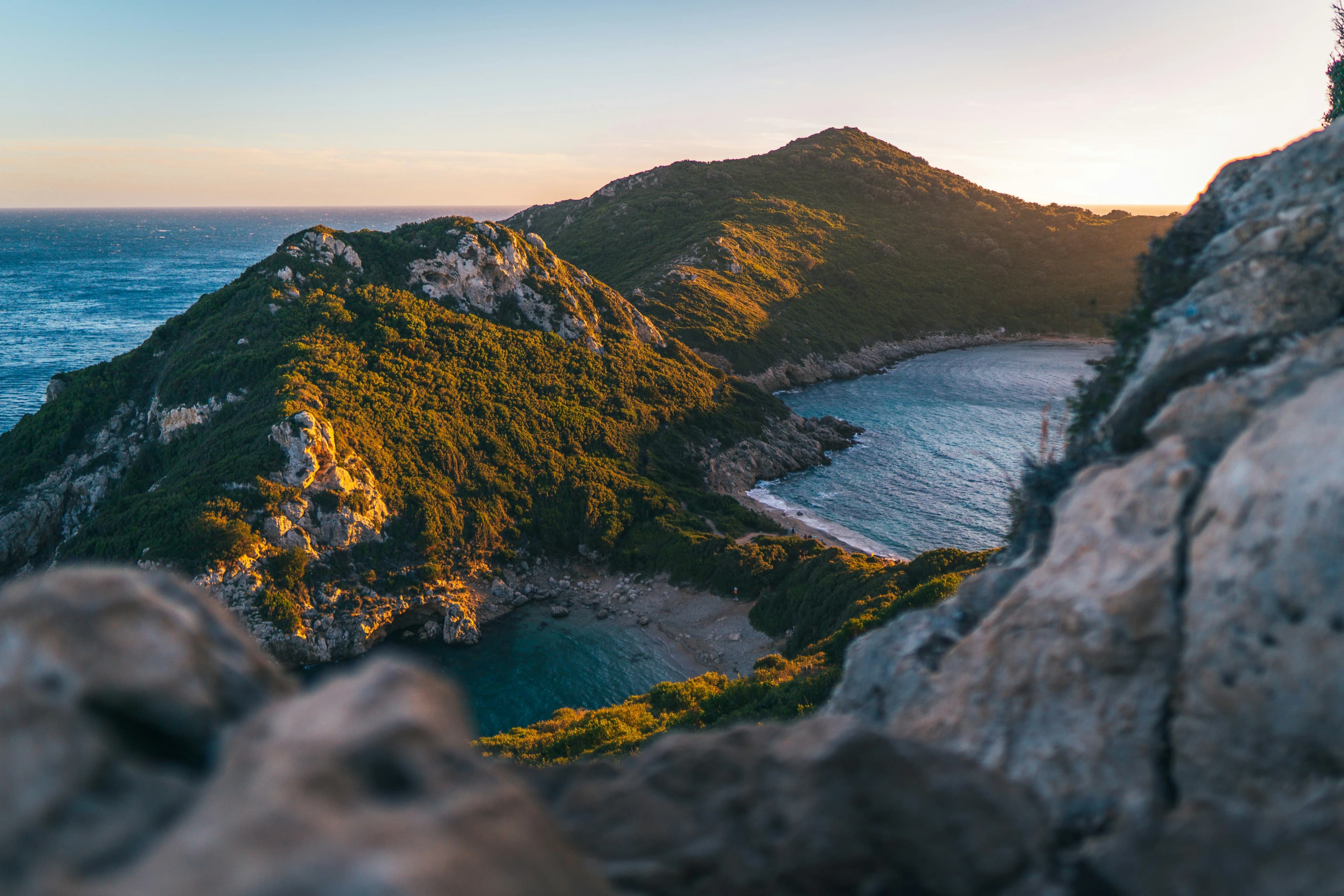
The northeastern coastline, from Kassiopi down toward Nissaki, is considered the most architecturally coherent and scenically concentrated stretch of the island. The water here takes on a particular clarity, the hills descend sharply to small bays, and the density of development remains comparatively low. Properties in this corridor tend to offer direct sea access and unobstructed views across the Ionian toward the Albanian coast. For travelers prioritizing seclusion and visual drama, this is the primary zone of interest.
Corfu Town and the Kanoni peninsula
Corfu Town, a UNESCO World Heritage Site since 2007, presents a different proposition entirely. Its Venetian Liston arcade, French-era esplanade, and layered fortifications make it the most culturally dense part of the island. Staying within or immediately adjacent to the old town places guests inside an urban fabric that is genuinely rare in the Greek islands. The Kanoni peninsula, just south of the town, offers proximity to the historic center combined with elevated positions above the lagoon and the iconic islet of Vlacherna.
The west coast
The western coast, particularly around Paleokastritsa and the areas north toward Sidari, operates on a different register. The landscape here is wilder, the cliffs more pronounced, and the light in the late afternoon distinctly different from the sheltered east. Luxury properties in this zone tend to be more isolated, with access roads that filter out casual visitors entirely. The trade-off is distance from Corfu Town, which requires a commitment to the property itself as the primary destination.
The south and agricultural interior
The southern half of the island and its olive-covered interior are less trafficked by luxury travelers but increasingly relevant. Converted estates and private compounds here offer a version of Corfu that is agricultural, quiet, and oriented around the island's long history of olive cultivation. This is not the obvious choice, but for travelers who have already experienced the coastline, it represents a more considered level of engagement with the island.
When to visit Corfu for a luxury hotel stay
Corfu's season is longer than many travelers assume. The Ionian climate is milder and wetter than the Aegean, which means the island retains its color and livability well into late autumn.
May and June represent the most considered entry point for a suite stay. The island is fully operational, the sea temperature is already comfortable for swimming, and the concentration of visitors has not yet reached its July and August peak. Light in this period is long and relatively soft, which matters considerably for properties with terrace or pool orientations.
July and August are the high season by every metric. Suite rates are at their ceiling, availability at premium properties tightens months in advance, and the island absorbs a significant volume of international visitors. For travelers with flexibility, this period requires the most advance planning.
September is widely regarded by experienced travelers as the optimal month. Temperatures remain high, the sea is at its warmest, the pace slows perceptibly, and properties begin to offer more favorable conditions. The cultural calendar in Corfu Town also tends to produce events in this period.
October and early November suit a particular kind of traveler: one less interested in beach access and more engaged with the island's architecture, gastronomy, and landscape. Suite prices fall, and the quality of light in autumn Corfu is markedly different from the summer months.
Understanding luxury hospitality standards in Corfu
Greece does not operate a formal palace hotel designation equivalent to France's Palais classification. The quality hierarchy is primarily expressed through international classification systems and, increasingly, through design and service standards that operate independently of official labels.
At the upper end of the Corfu market, the relevant category is the private estate or boutique luxury property, typically with a limited number of rooms and suites, direct sea access or elevated coastal positions, and a food and beverage program that draws on the island's distinct culinary tradition. Corfiot cuisine carries Venetian and French influences that are not present in the same concentration elsewhere in Greece, and the best properties reflect this in their kitchen output.
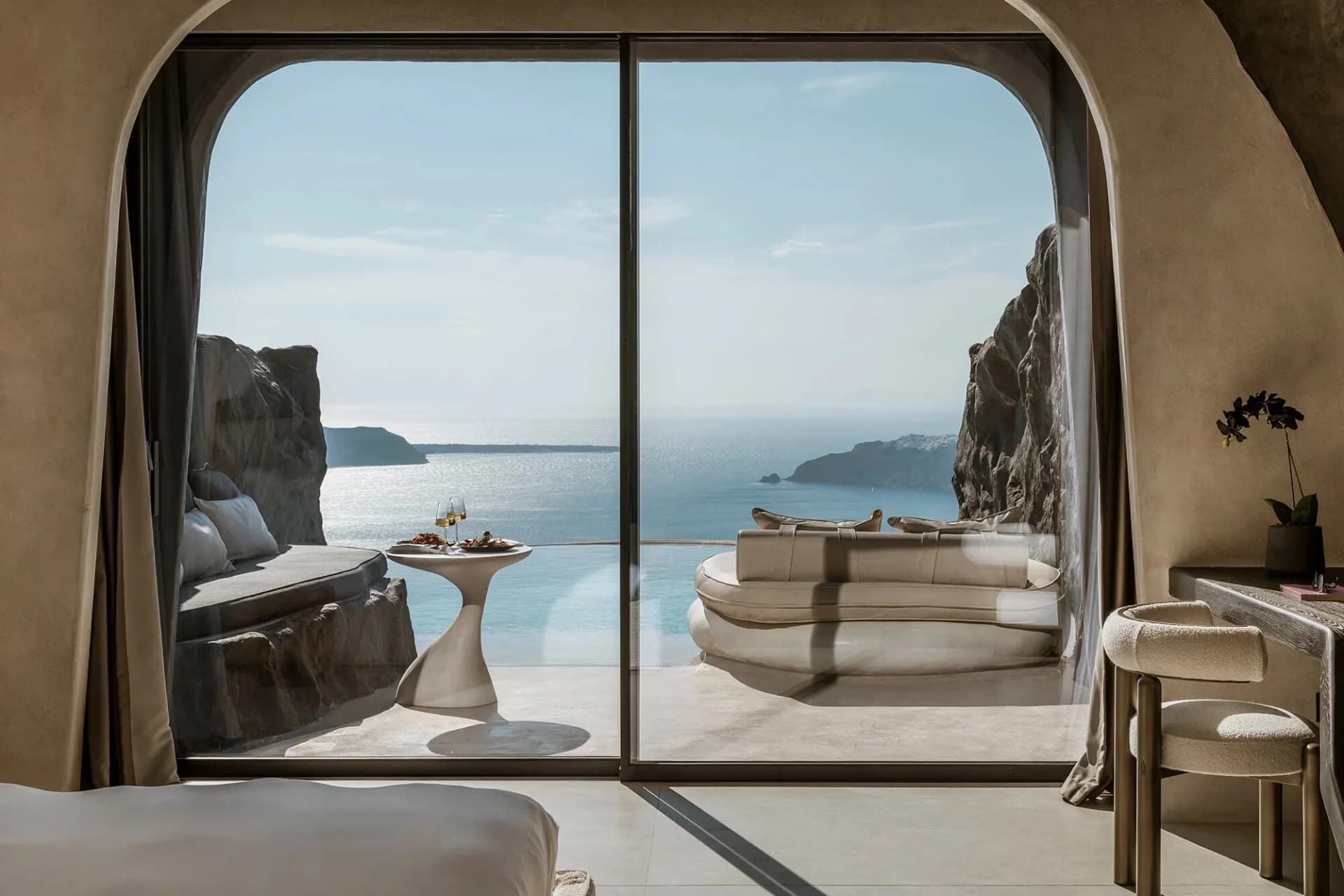
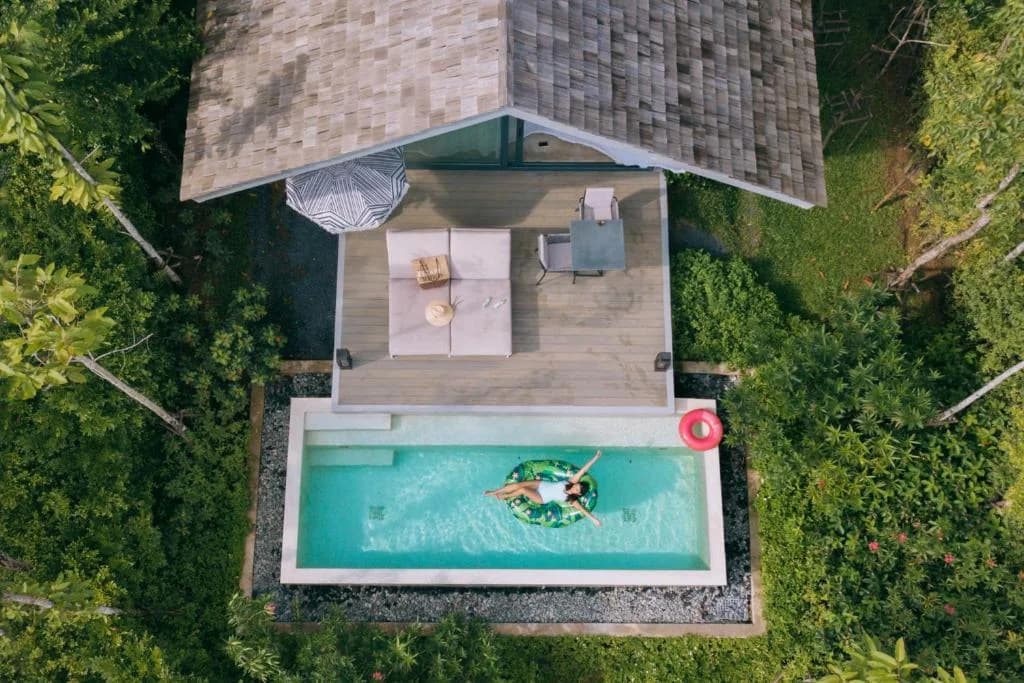
The concept of a villa-suite hybrid is particularly developed in Corfu. Several properties offer suites with private pool access, independent entrances, and service models that approach those of a staffed private villa. This format suits travelers who want the infrastructure of a hotel combined with the autonomy of a private residence.
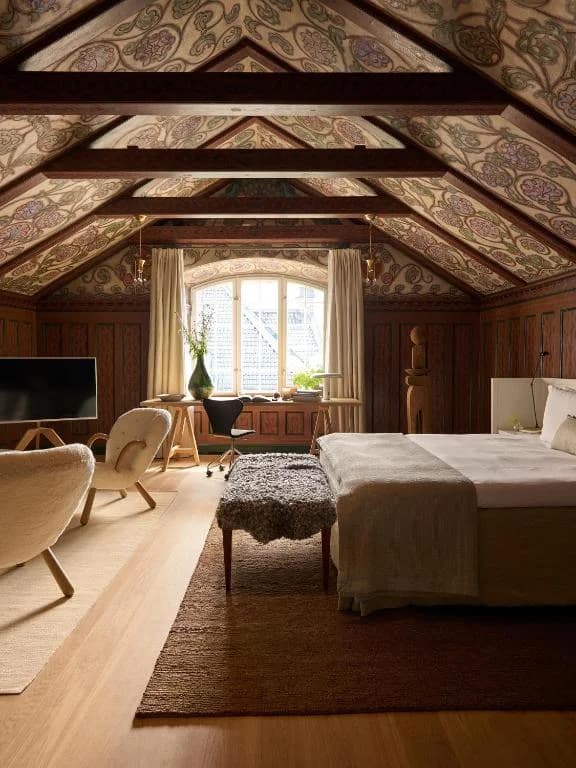
Architectural character matters here more than in many destinations. Corfu's building stock includes genuinely old structures: Venetian manor houses, neoclassical villas, and British colonial-era buildings. Properties that have been converted from these structures offer a physical experience that a purpose-built resort cannot replicate.
How to choose the right luxury suite in Corfu
The first variable to resolve is orientation: coastal versus inland, and east coast versus west coast. These are not equivalent choices. The east coast offers calmer water, proximity to Corfu Town, and a more social infrastructure. The west coast offers isolation, different light conditions, and a more dramatic landscape. An inland or elevated position offers privacy and a different relationship with the island's agricultural character.
The second variable is architectural type. A suite inside a converted Venetian building in Corfu Town is a fundamentally different experience from a sea-view suite in a contemporary coastal property. Neither is superior in abstract terms, but they produce very different trips.
The third consideration is scale and service model. Larger resort properties on Corfu offer comprehensive amenities, multiple dining options, and structured spa and wellness programs. Smaller boutique properties trade breadth for intimacy and often offer more consistent, personalized service. The right choice depends on how the traveler intends to use the property as a base versus a destination in itself.
Access logistics also merit attention. Corfu International Airport is well-connected from major European hubs, with direct services from London, Paris, and other primary markets operating throughout the season. Transfer times across the island are generally short, but road conditions to more remote properties can be a relevant factor.
Why a curated selection by La Suite refines the search
The Corfu luxury hotel market is smaller than comparable Mediterranean destinations but not without complexity. Properties vary significantly in the quality of their suite inventory, and the gap between a standard room and a genuinely well-executed suite can be considerable even within the same property.
La Suite applies a consistent editorial standard to every property in its selection. The focus is specifically on suite quality: the spatial logic of the room, the architectural coherence of the design, the view orientation, and the service model attached to that category. General hotel review platforms do not apply this level of suite-specific scrutiny.
For a destination like Corfu, where the right property can define the entire character of a trip, this degree of curation has direct practical value. The curated selection by La Suite removes the noise and presents only the properties that meet the standard the island is capable of delivering at its best.