Where to stay in Naxos: the island's distinct areas
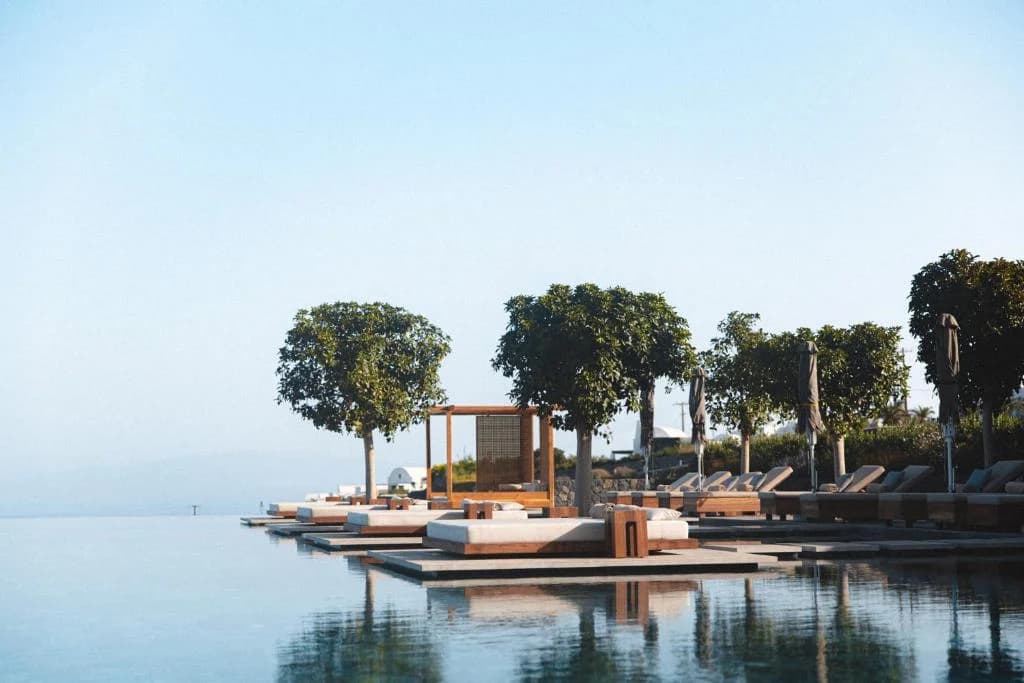
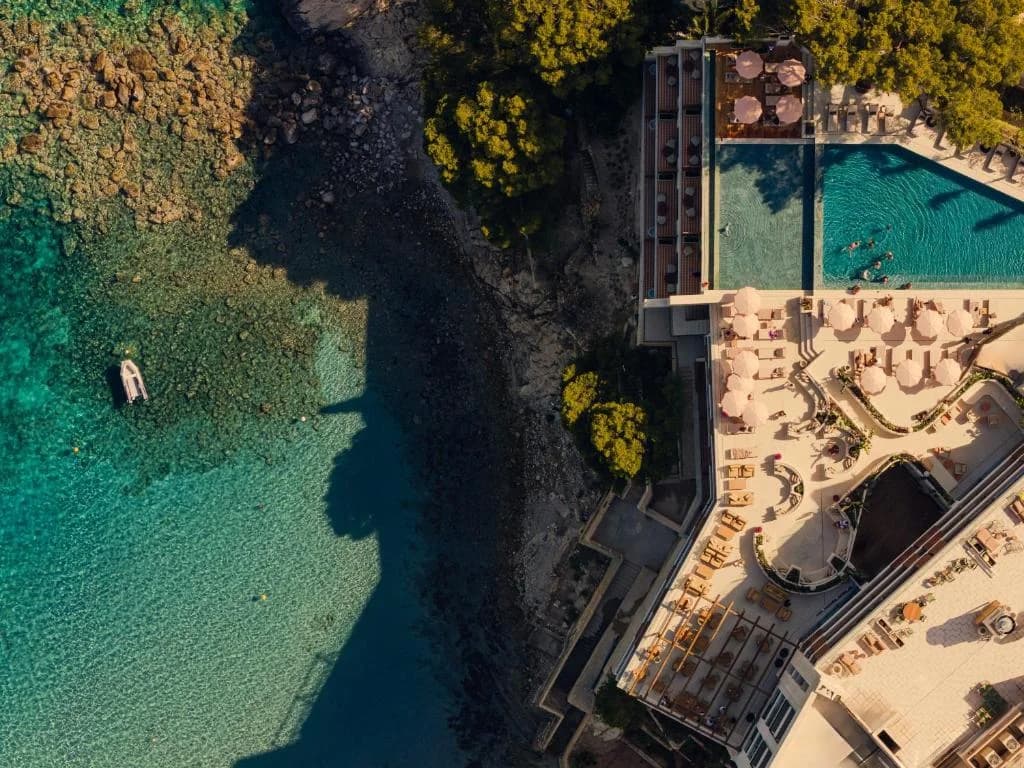
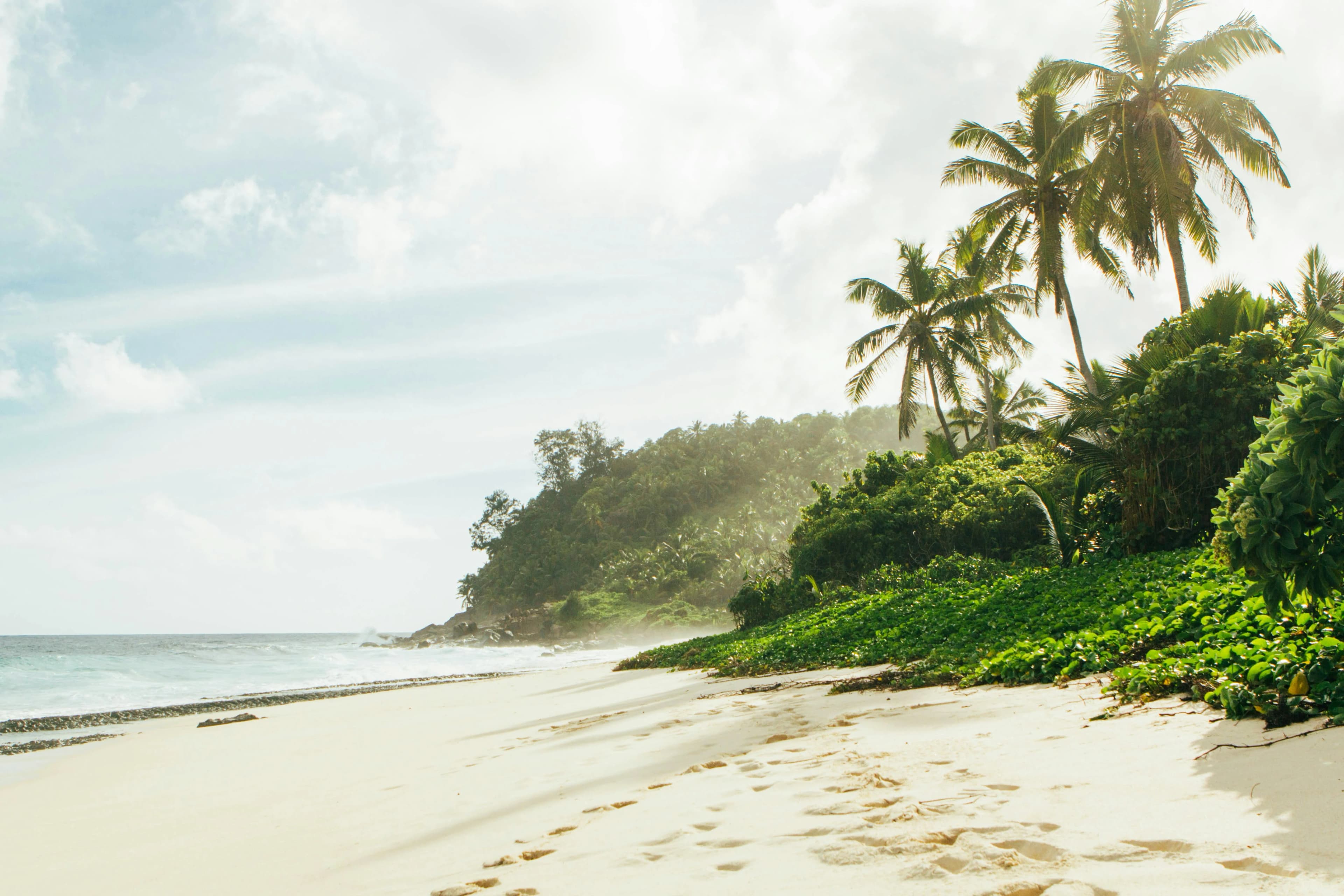
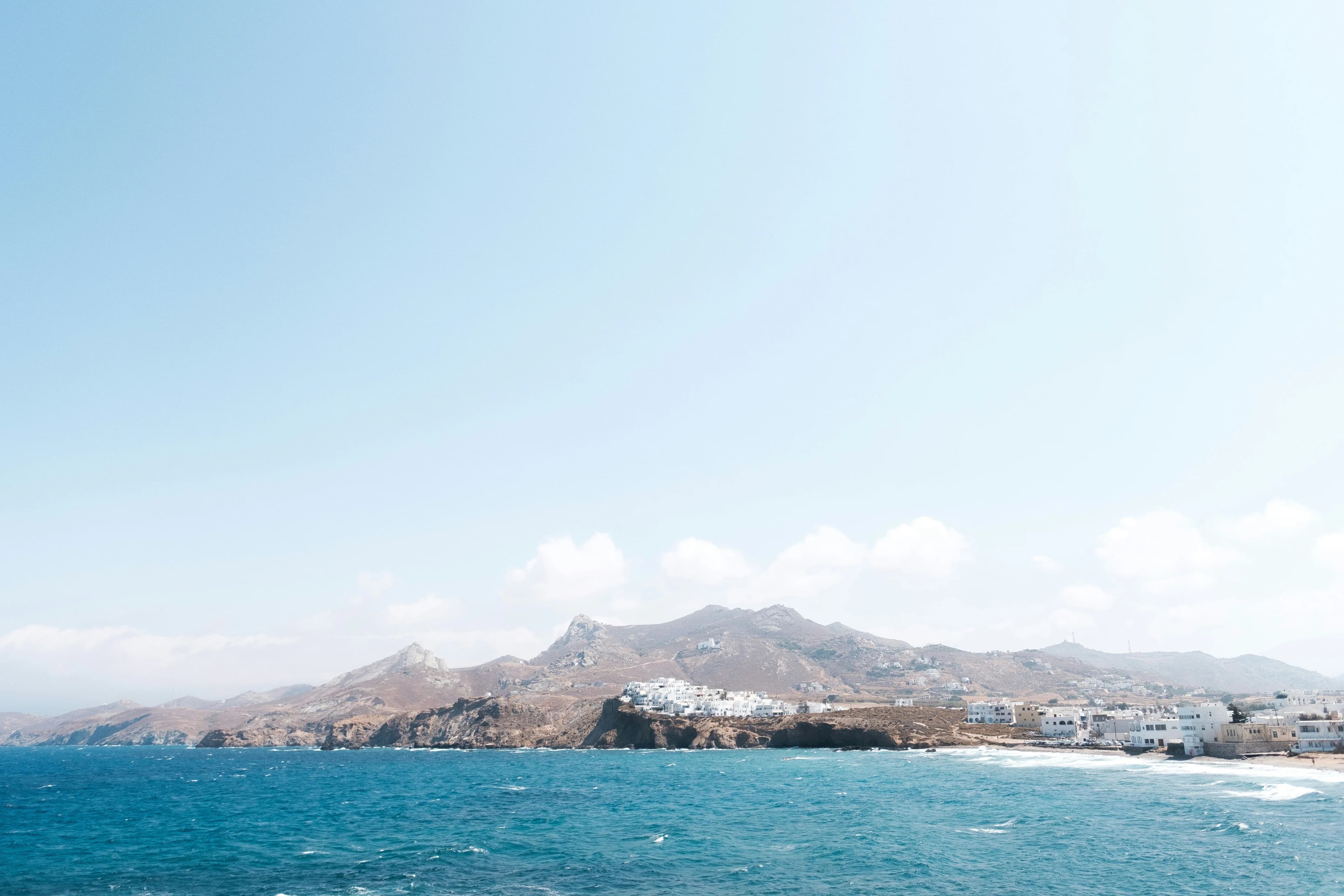
The western coast, stretching from Agios Georgios south toward Plaka and Mikri Vigla, holds the island's most consistent beaches. Properties along this corridor offer direct sea orientation, and suites in this zone are typically designed around light management, with deep terraces and careful shading that acknowledges the intensity of the Aegean summer. This is the area most suited to travelers whose primary framework is coastal rather than cultural.
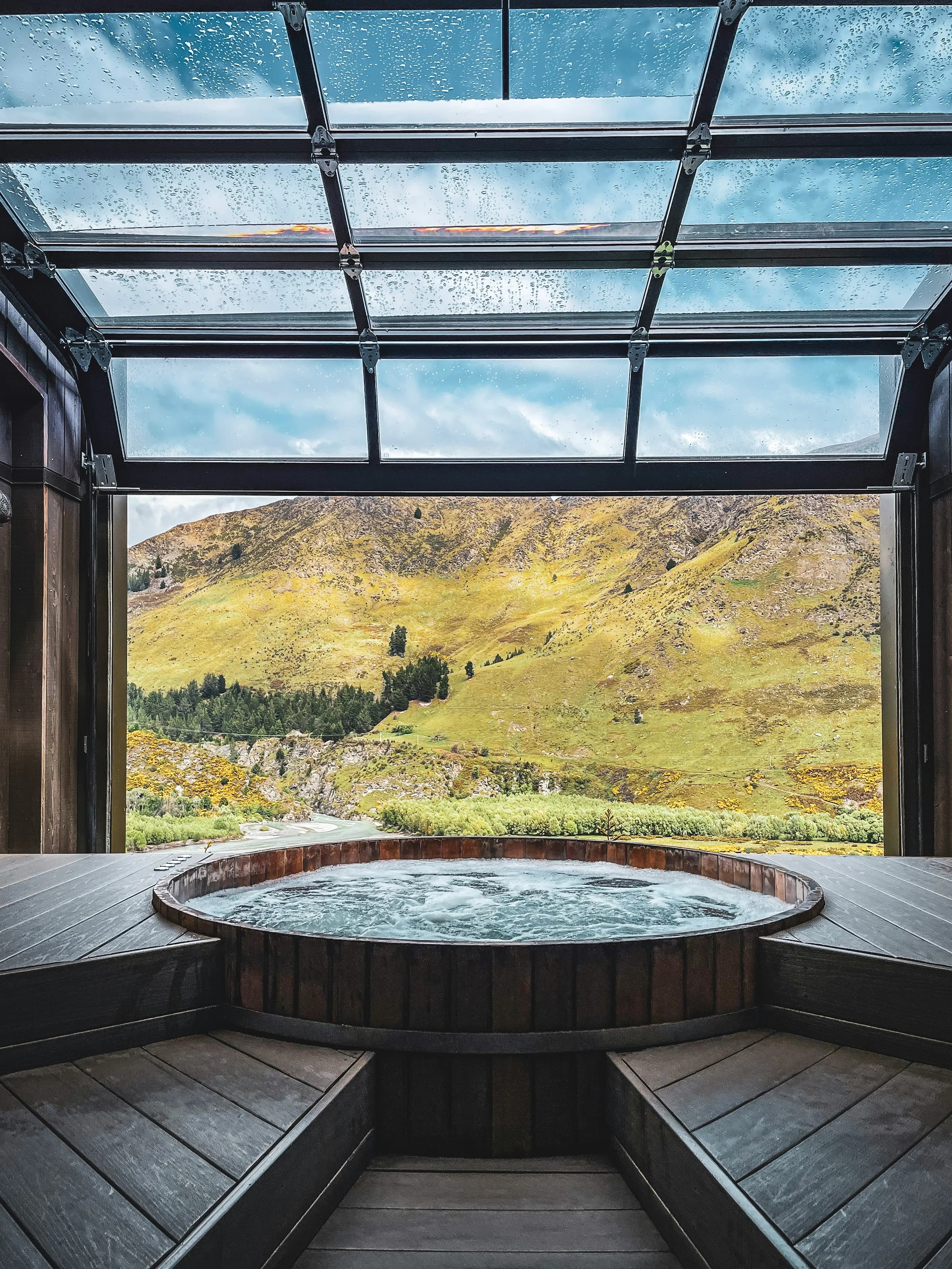
The interior of Naxos, the Tragaea plateau and the mountain villages of Filoti, Apeiranthos, and Halki, represents a different register entirely. These settlements are built from local marble and schist, and the pace of life here diverges sharply from the coastal rhythm. Boutique properties in this zone are rare but precise. For travelers seeking altitude, silence, and direct engagement with the island's agricultural and artisanal character, the interior rewards deliberate planning.
When to visit Naxos for a luxury suite stay
The Cycladic season for high-end travel concentrates between late May and early October. Within that window, June and September offer the most balanced conditions: the Meltemi wind, which defines the Aegean summer from July through August, is less aggressive at those margins, and suite availability is generally stronger without the peak compression of July and August.
July and August bring the island's highest occupancy and the most sustained light. Travelers who prioritise space and silence over social density should note that August in particular compresses availability and tends to alter the character of the island's quieter areas. For those whose schedule permits flexibility, late September into early October extends the season usefully: water temperatures remain high, the light shifts to a warmer register, and the island's agricultural cycle reaches its most expressive point, with the grape harvest underway in the Tragaea valley.
There are no major international luxury events anchored to Naxos in the way that certain other destinations are shaped by festival or fair calendars. The island's appeal is structural rather than event-driven, and the planning logic for suite travel here should reflect that accordingly.
Local luxury standards: what to expect from top-tier suites in Naxos
Greece does not operate the formal palace hotel designation that France applies to its highest tier of urban property. The reference framework for high-end accommodation in the Cyclades is instead shaped by the boutique scale that the islands' building codes and topography impose. Properties are rarely large, and this constraint works in the traveler's favour: suite inventory tends to be limited, which sustains both exclusivity and the quality of service attention.
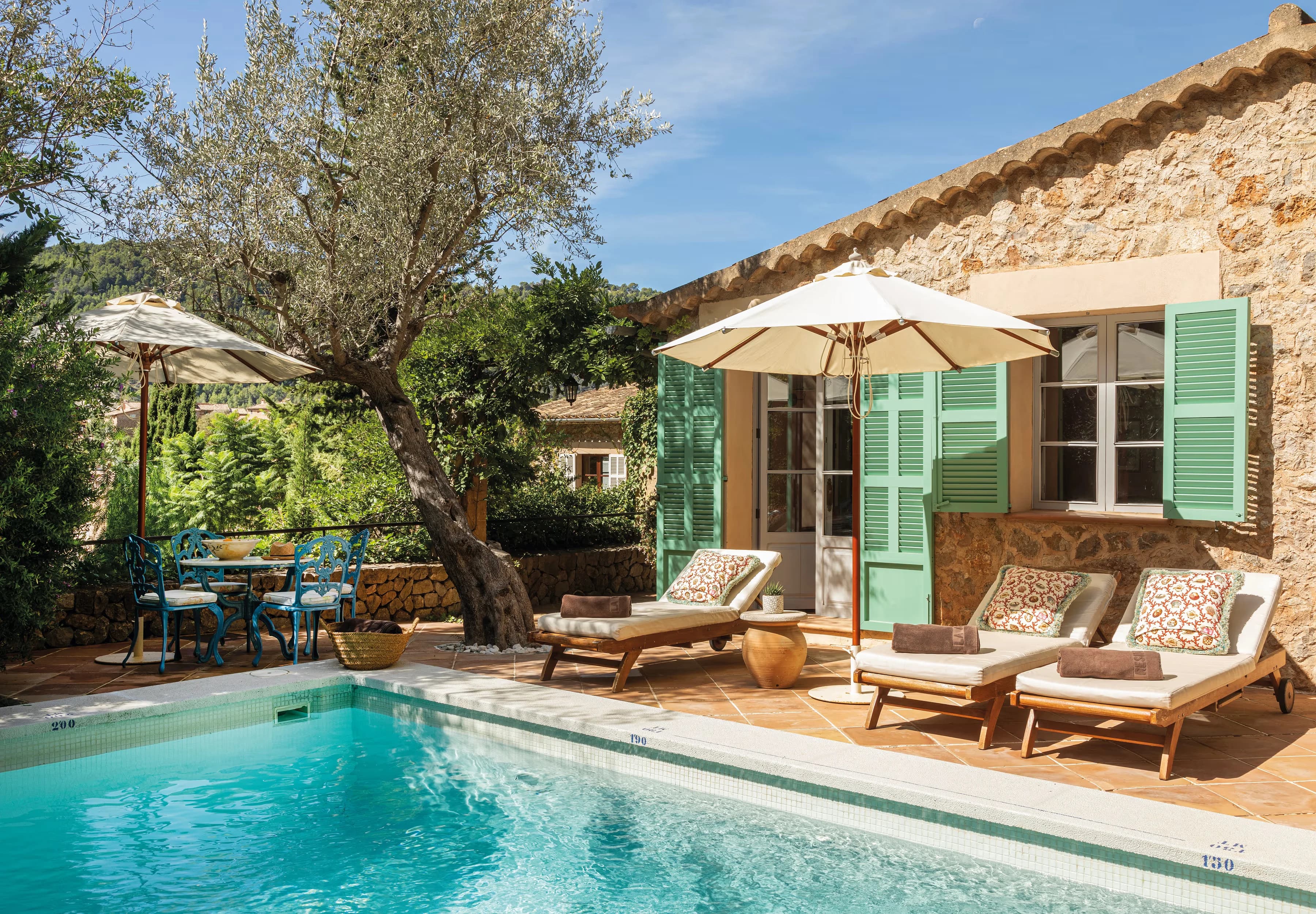
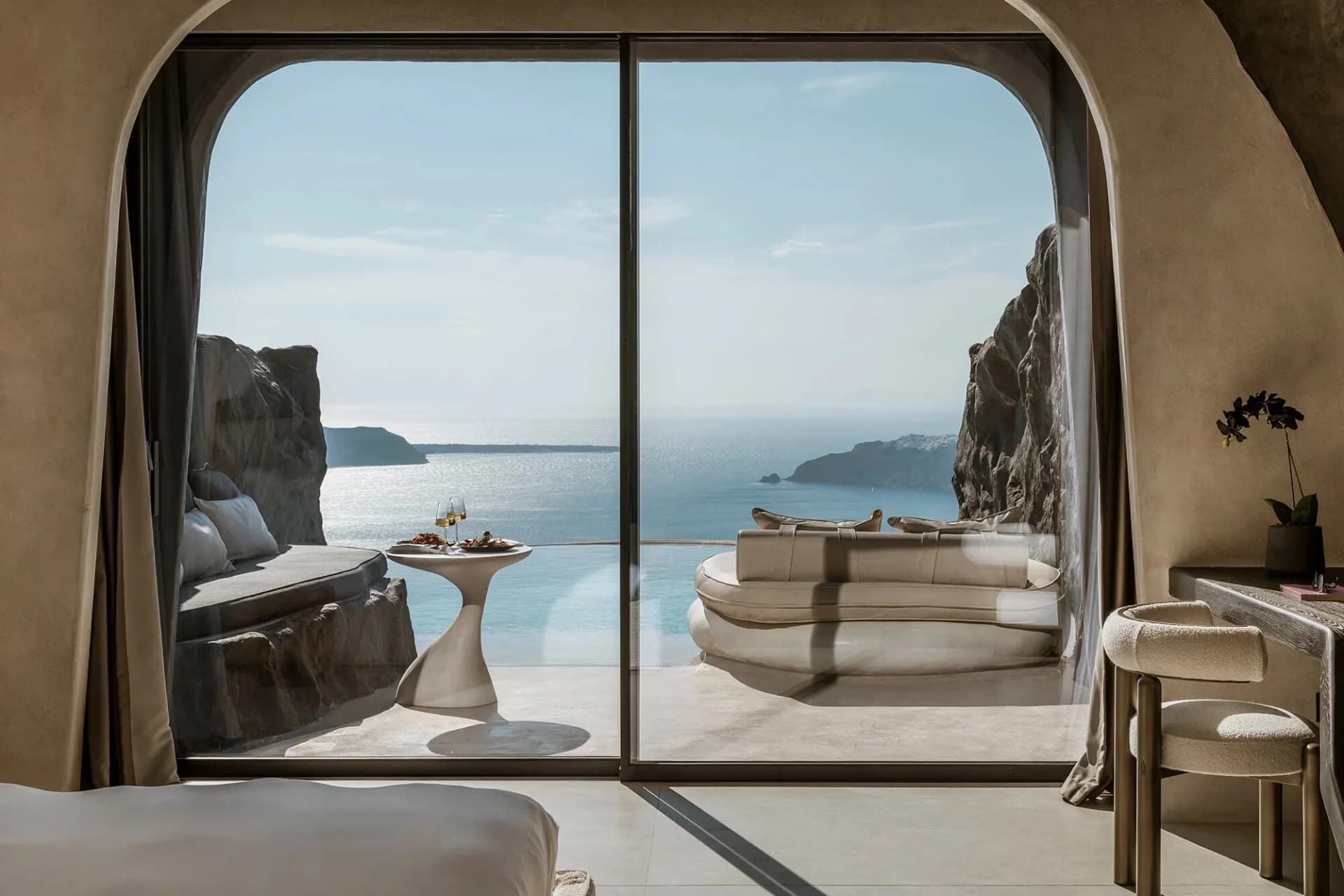
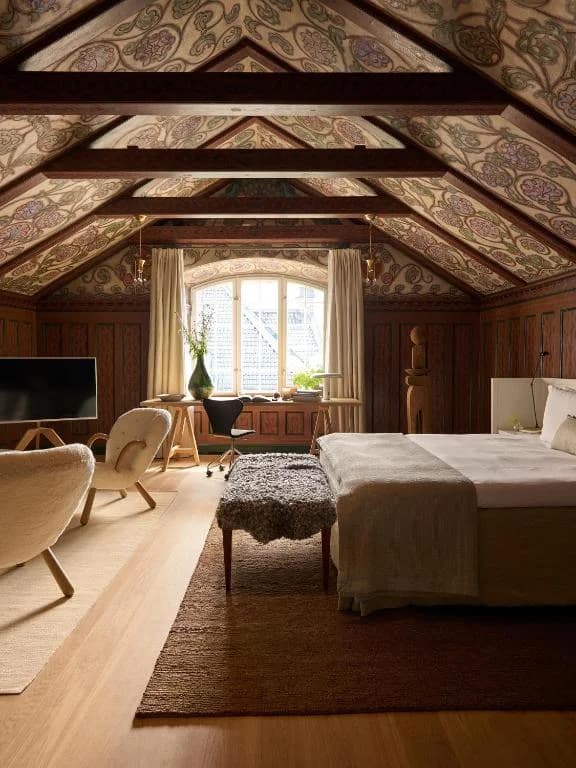
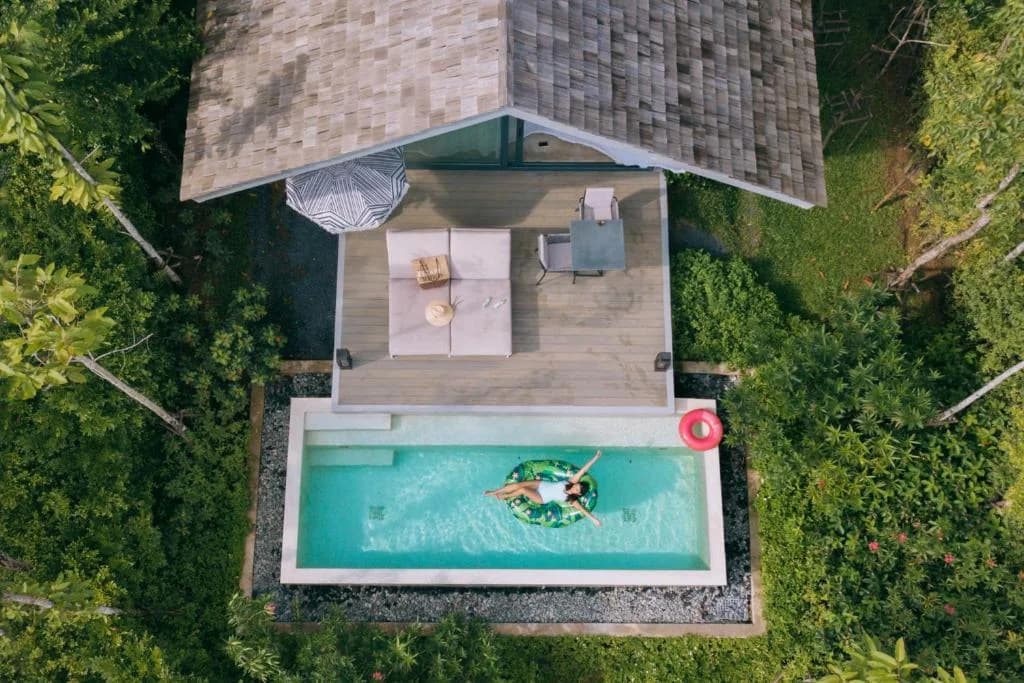
The material language of premium suites in Naxos draws heavily from local resources. Naxian marble, quarried on the island for millennia and historically exported across the Aegean and beyond, appears in floors, basins, and architectural detailing at properties that understand the local vocabulary. Emery stone, another island material with a long extraction history, contributes a darker textural register. At the level of amenity, the best suites incorporate private pools or plunge pools positioned to frame specific landscape views, and terraces designed as primary living spaces rather than secondary additions.
The island's food culture, rooted in a productive agricultural tradition that the other Cyclades cannot match, sets an expectation for breakfast and in-suite provisions that properties at this level should meet. Naxian potatoes, local cheeses, and produce from the interior villages are markers of quality in this specific context.
How to choose the best suite in Naxos
The first axis of decision is between coastal orientation and architectural character. A suite on the western coast will prioritise sea access, light, and pool infrastructure. A suite within or near Chora will prioritise spatial complexity, historical fabric, and proximity to the cultural density of the Kastro and the old town. These two experiences are genuinely distinct, and the choice should be made with clarity rather than treated as interchangeable.
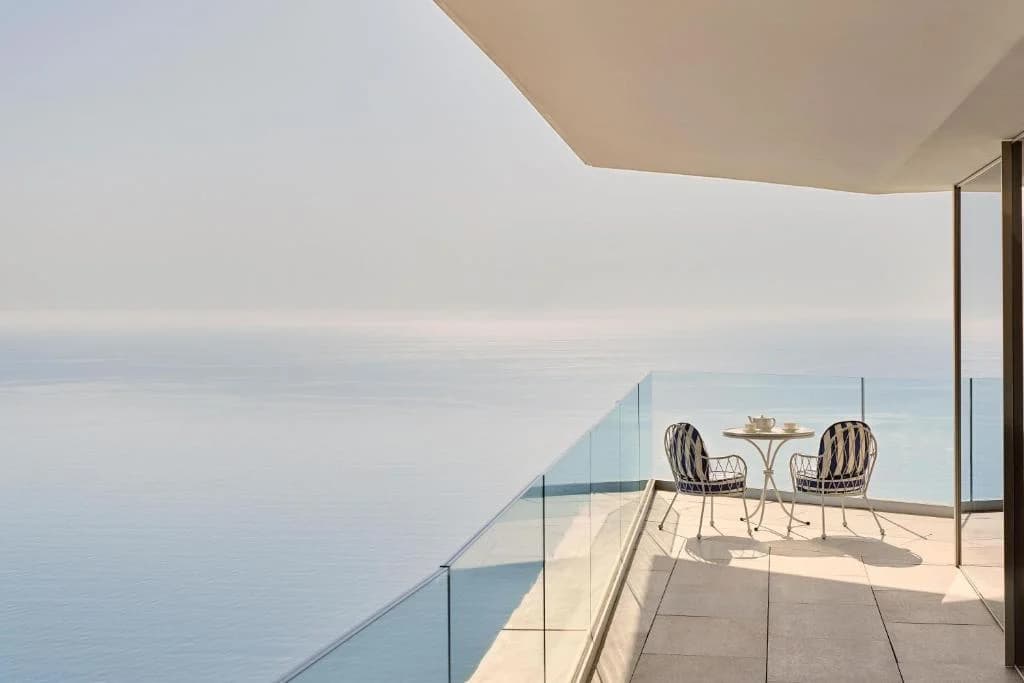
The second consideration is wind exposure. The Meltemi is a structural feature of the Cycladic summer, not a weather anomaly. Properties on the western coast face its full force during peak season. This is relevant to suite selection: covered terraces, sheltered pool configurations, and the orientation of outdoor sleeping areas all matter in a way that does not apply to destinations with more temperate summer conditions.
A third consideration is access. Naxos has the road infrastructure to support movement across the island with relative ease compared to smaller Cycladic islands, but properties in the interior or on the southern coast will require either a vehicle or a coordinated transfer arrangement. Travelers planning extended stays should assess this practically rather than assuming island scale implies simplicity of movement.
The value of a curated selection in Naxos
The suite market in Naxos is neither as consolidated nor as internationally visible as that of Santorini or Mykonos. This works in two directions. It reduces the signal noise that can make selection on the more marketed islands feel overwhelming, but it also means that the landscape of genuinely exceptional properties requires more discriminating analysis to navigate.
La Suite applies the same editorial standards to Naxos as to any other territory in its portfolio. Properties are assessed on the basis of suite spatial quality, architectural coherence, service structure, and the degree to which the physical experience of the property connects to the specific character of its location. Generic amenity lists are not sufficient. The curated selection by La Suite is built on the premise that a suite in Naxos should make the island more legible, not merely more comfortable.
For travelers approaching Naxos for the first time at this level, the curated framework removes the research friction that comes with a destination whose best properties do not always surface through conventional booking channels. For those returning, it offers a structured basis for identifying what has changed in the island's suite offering and where the emerging quality is concentrated.