Where to stay in the Peloponnese: distinct territories for suite travelers
The Argolid and Nafplio
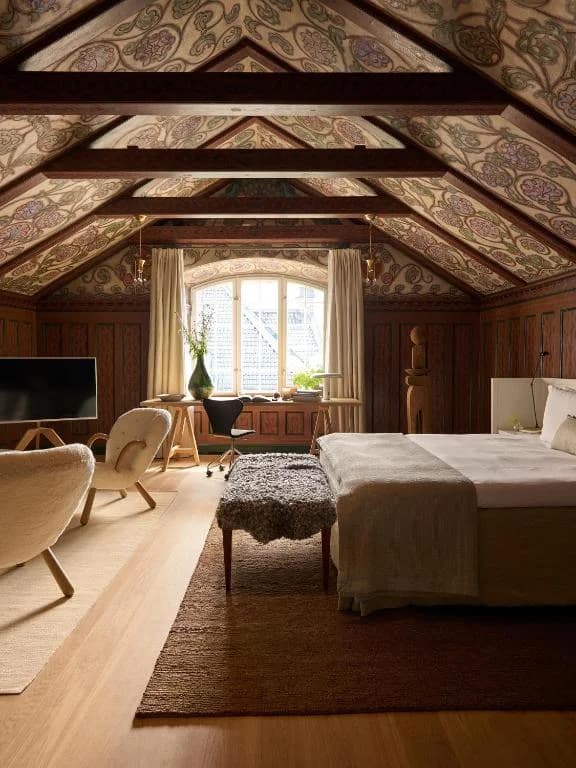
The northeastern corridor of the Peloponnese anchors some of the region's most historically charged terrain. Mycenae, Epidaurus, and Tiryns sit within close reach of Nafplio, the first capital of modern Greece. This area draws travelers with an appetite for neoclassical architecture, Venetian fortifications, and a town fabric that rewards slow movement on foot. Suites here tend to occupy restored mansions or intimate boutique hotels built into the old town's grid, offering rooftop views over the Argolic Gulf and the Palamidi fortress.
The Mani peninsula
Few landscapes in the Mediterranean carry the weight of the Mani. The deep Mani, in particular, is defined by tower houses built from local stone, a sparse, semi-arid terrain, and a coastline of extraordinary clarity. This is not a resort destination in any conventional sense. Properties here tend toward architectural restraint, with suites that respond to the landscape rather than impose upon it. The experience is deliberately isolated, which is precisely its value for travelers seeking genuine withdrawal.
Laconia and the Vatika coast
South of Sparta, the Laconian coast opens into a series of quiet bays, traditional fishing villages, and rocky headlands. The area remains significantly less developed than the Argolid or the western coast, which preserves both its character and its sense of discovery. Suite travelers who reach this part of the Peloponnese encounter a Greece that has not been smoothed into a product.
Messinia and the western coast
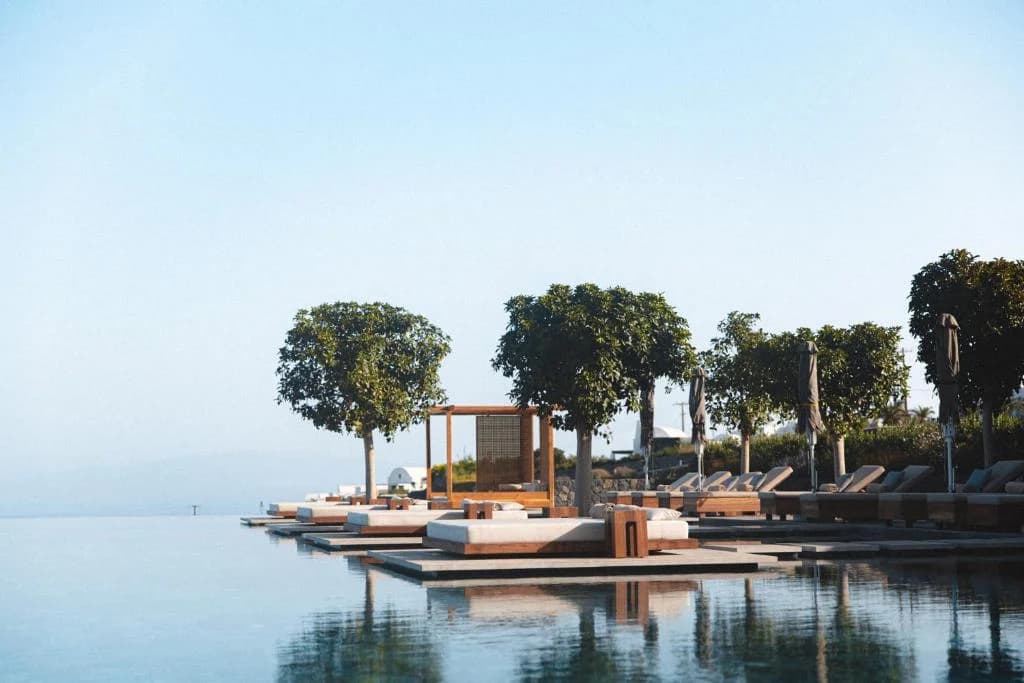
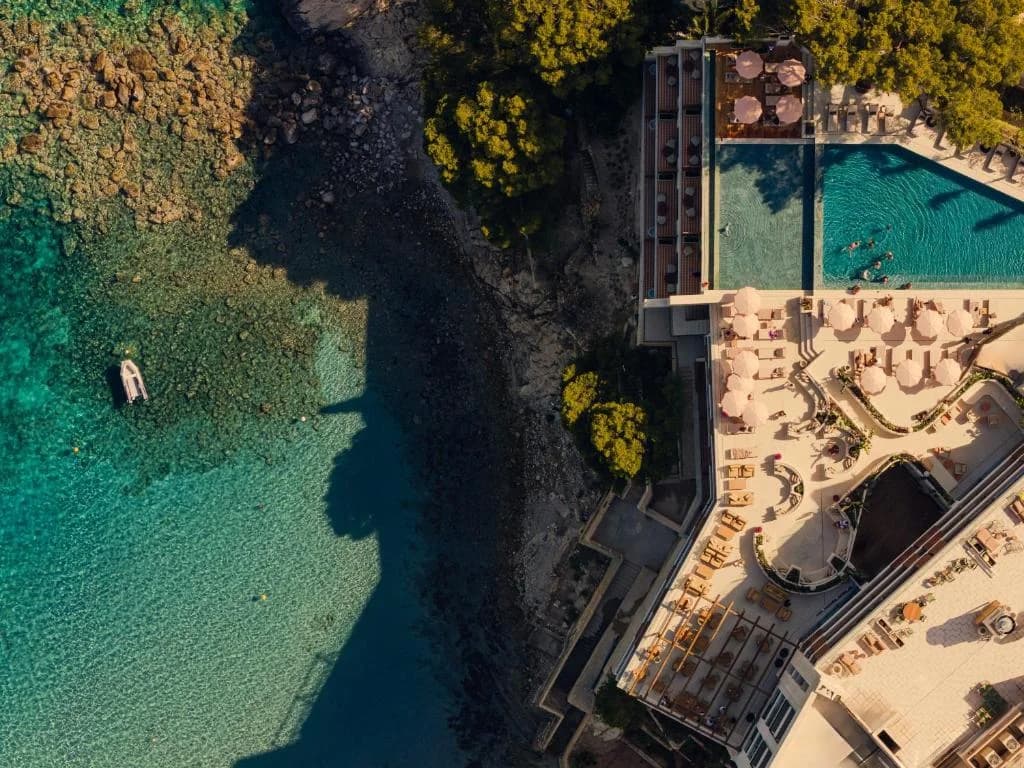
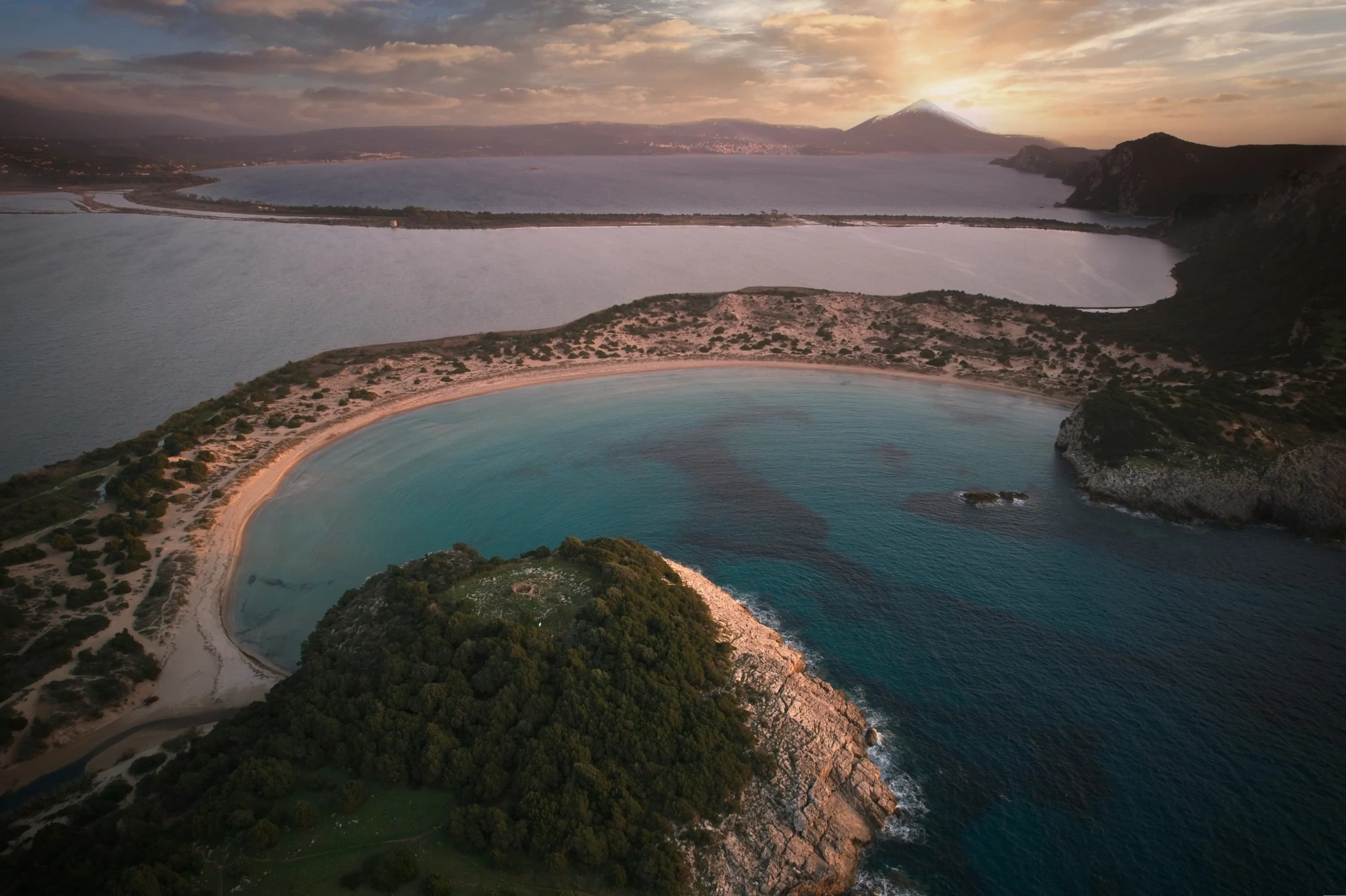
The southwestern quadrant of the Peloponnese holds the most concentrated density of large-format luxury hotel developments in the region. The Costa Navarino area in Messinia has established itself as a reference point for resort-scale hospitality in Greece, with properties designed around olive groves, dune landscapes, and sandy bays. The suites available in this corridor tend to be more expansive in floor plan and service offer, suited to travelers who want full-spectrum amenities alongside natural scale.
The Corinthia and Argos Orestiko highlands
The northern threshold of the Peloponnese, near Corinth and the ancient canal, offers a very different proposition: wine country, mountain villages, and a cooler register that appeals to travelers arriving from or departing toward Athens. This zone is underexplored by most international visitors, which creates its own kind of luxury.
When to visit the Peloponnese for suite travel
The Peloponnese operates on a climate distinct from the Aegean islands. Winters are cooler and wetter, particularly inland and in the highlands. Summers are hot and dry, with coastal temperatures regularly exceeding 35 degrees Celsius in July and August. The optimal windows for suite travel are late April through June and September through October.
Spring brings wildflowers across the hillsides, mild temperatures, and uncrowded archaeological sites. The light in May is considered by photographers and painters to be the most precise of the year. Autumn delivers grape harvest season across the Nemea wine region, olive harvesting in Laconia, and a palpable quieting of the landscape after summer.
August is peak season across the Peloponnese. Suite availability contracts sharply, and minimum stay requirements at the region's more sought-after properties increase significantly. Travelers with flexibility should treat August as a contingency rather than a primary window.
There are no major international luxury events anchored to the Peloponnese calendar in the way that Monaco or the Cannes Film Festival structure the French Riviera season. The region's cultural calendar is anchored to the Epidaurus Festival, held in the ancient theatre from June through August, presenting ancient drama in the most acoustically precise outdoor venue in the world.
Local luxury standards: what defines an exceptional suite in the Peloponnese
Greece does not operate a government-designated palace hotel classification equivalent to the French Palace label. The country uses a star-rating system administered by the Greek National Tourism Organisation, with five stars representing the highest formal classification. Within that ceiling, quality variance is considerable.
In the Peloponnese specifically, the most meaningful markers of suite quality are architectural integrity, proximity to the landscape, and the ratio of built surface to outdoor private space. A suite in a restored tower house in the Mani offers something categorically different from a suite in a large resort complex in Messinia. Neither is objectively superior; they respond to different intentions.
The concept of the agrarian estate conversion is increasingly present in the Peloponnese. Properties built within or adjacent to working olive groves, vineyards, or citrus farms offer a form of territorial immersion that aligns with the region's agricultural identity. Suites within these properties often include private terraces oriented toward the working land rather than a pool deck.
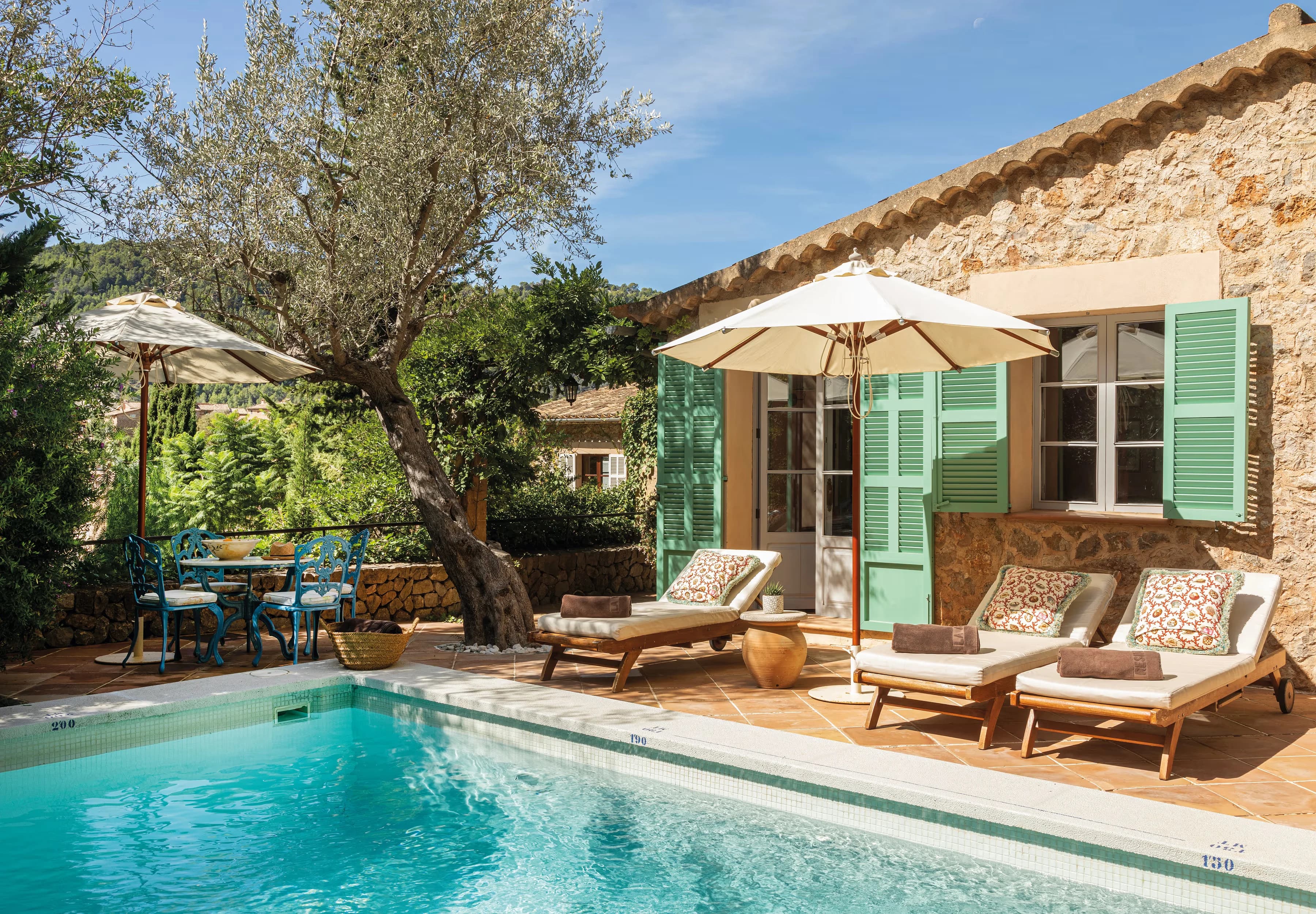
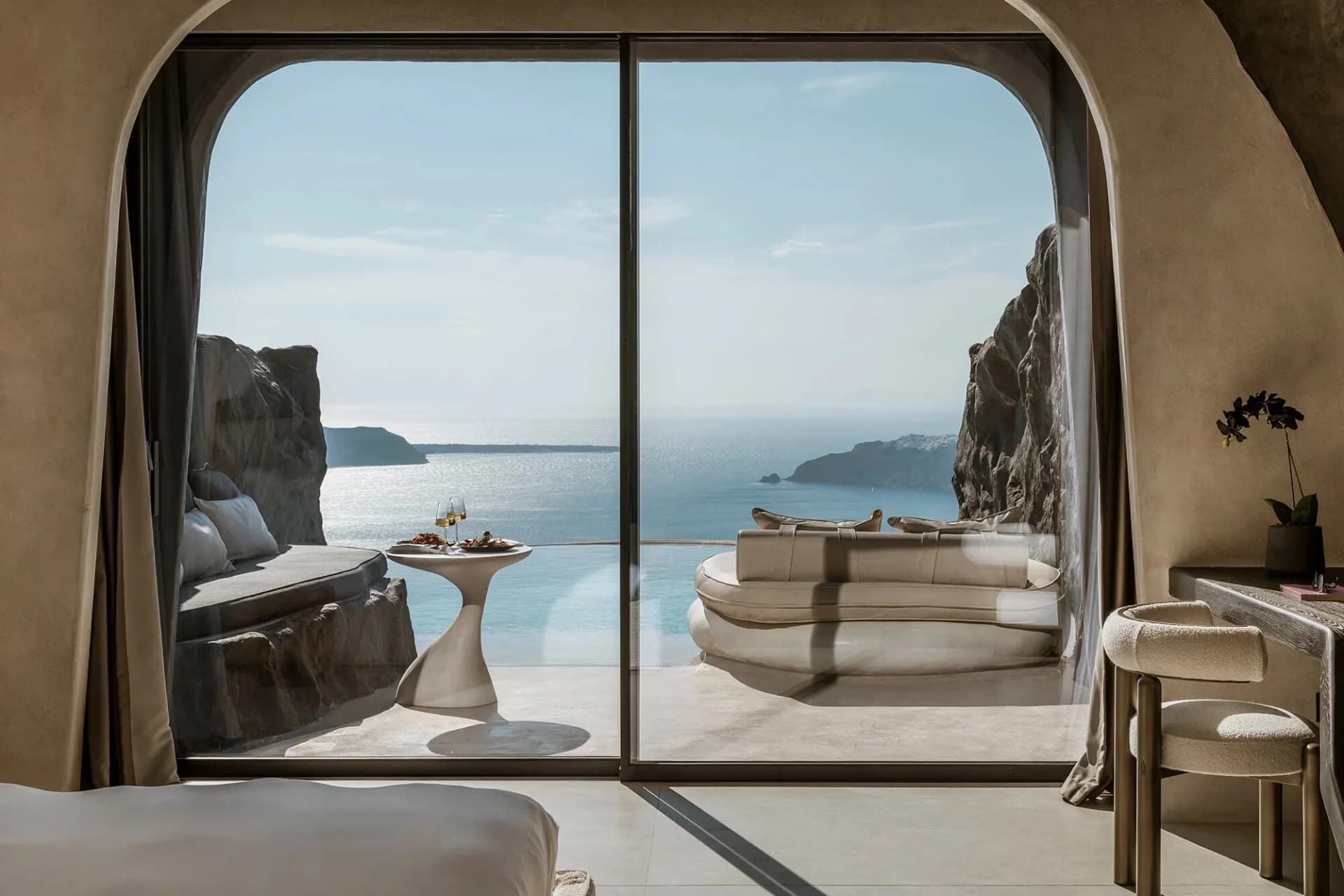
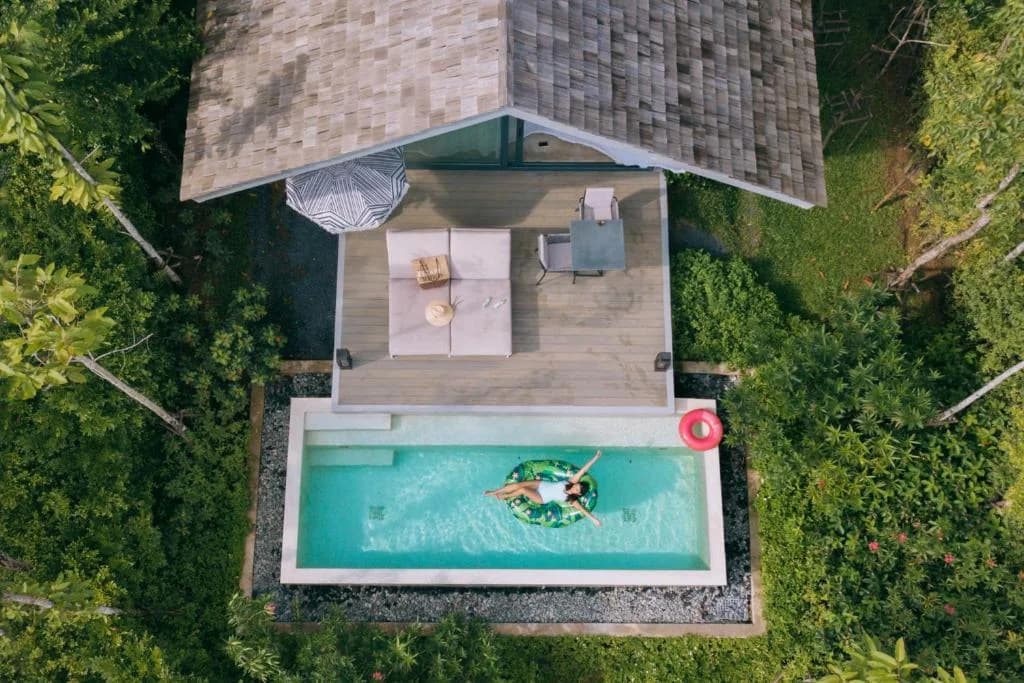
Private plunge pools have become a near-standard feature in higher-tier suites across the region. Stone construction, either original or sympathetically contemporary, is a consistent quality marker. Air conditioning is universal in quality properties; underfloor heating is available in a smaller subset of inland and highland suites designed for shoulder-season occupation.
How to choose the right suite in the Peloponnese
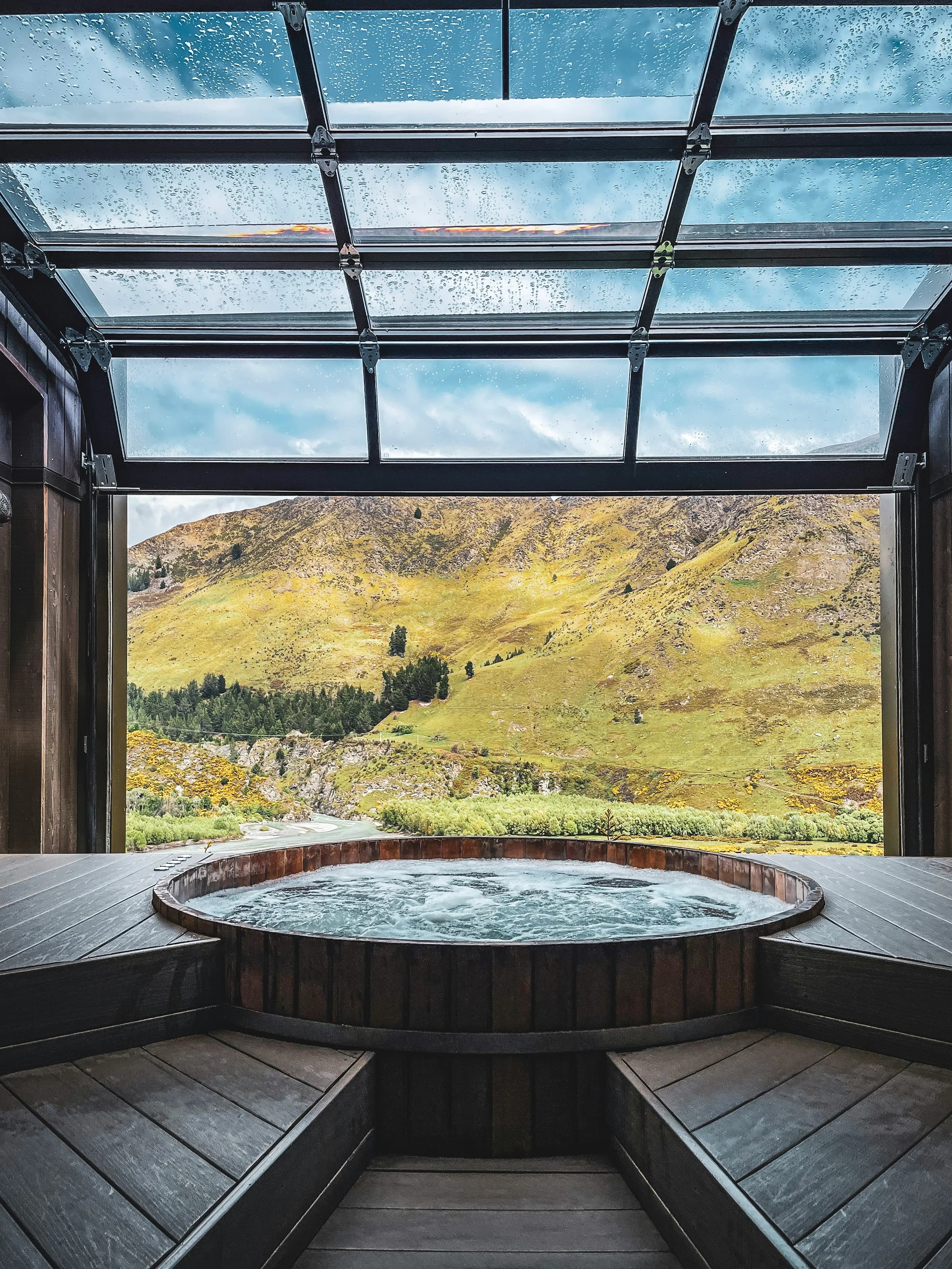
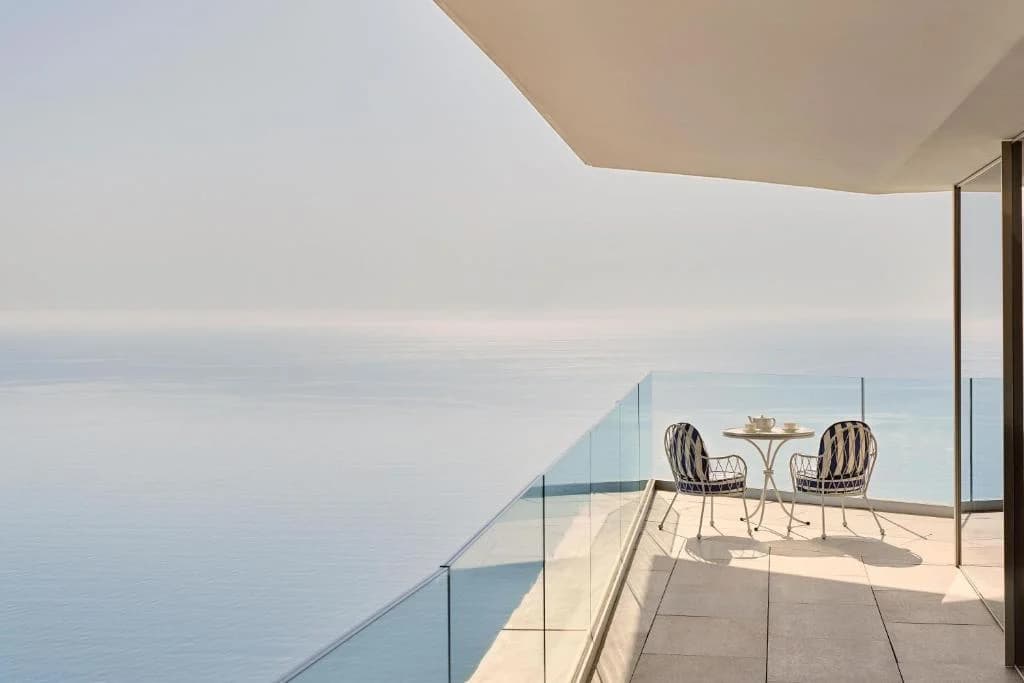
The primary decision axis is between coastal and inland. Coastal suites in the Peloponnese offer sea access, typically calmer waters than the Aegean, and the visual grammar of the Mediterranean. Inland suites offer altitude, silence, archaeological proximity, and in some cases access to the region's wine routes.
A secondary consideration is scale. The Peloponnese hosts both intimate properties of six to twelve suites and large resort developments exceeding two hundred keys. The experience these two formats deliver is fundamentally different, and the choice should be made in relation to the traveler's appetite for anonymity versus service intensity.
Historical context is also a meaningful filter. Travelers with a serious interest in antiquity should prioritize proximity to the Argolid circuit or the Byzantine city of Mystras, a UNESCO World Heritage Site near Sparta. Travelers oriented toward landscape and physical activity should consider the Mani or the Taygetos mountain range as their geographic anchor.
Why a curated selection by La Suite matters here
The Peloponnese presents a particular curatorial challenge: the region's best properties are distributed across a large and varied territory, and the quality signal is not always legible from standard booking platforms. Marketing photography often flattens the distinction between a property with genuine architectural character and one that simply carries a high price point.
La Suite approaches the Peloponnese as a territory requiring careful spatial and experiential mapping. The properties selected reflect a consistent standard: architectural coherence, meaningful private outdoor space, a sense of place that is specific rather than generic, and a service approach calibrated to informed travelers. The curated selection by La Suite is designed to reduce the cognitive load of a complex destination and direct discerning travelers toward properties that will genuinely hold their attention.