Where to stay in Aosta Valley for a luxury suite experience
Courmayeur and the Mont Blanc corridor
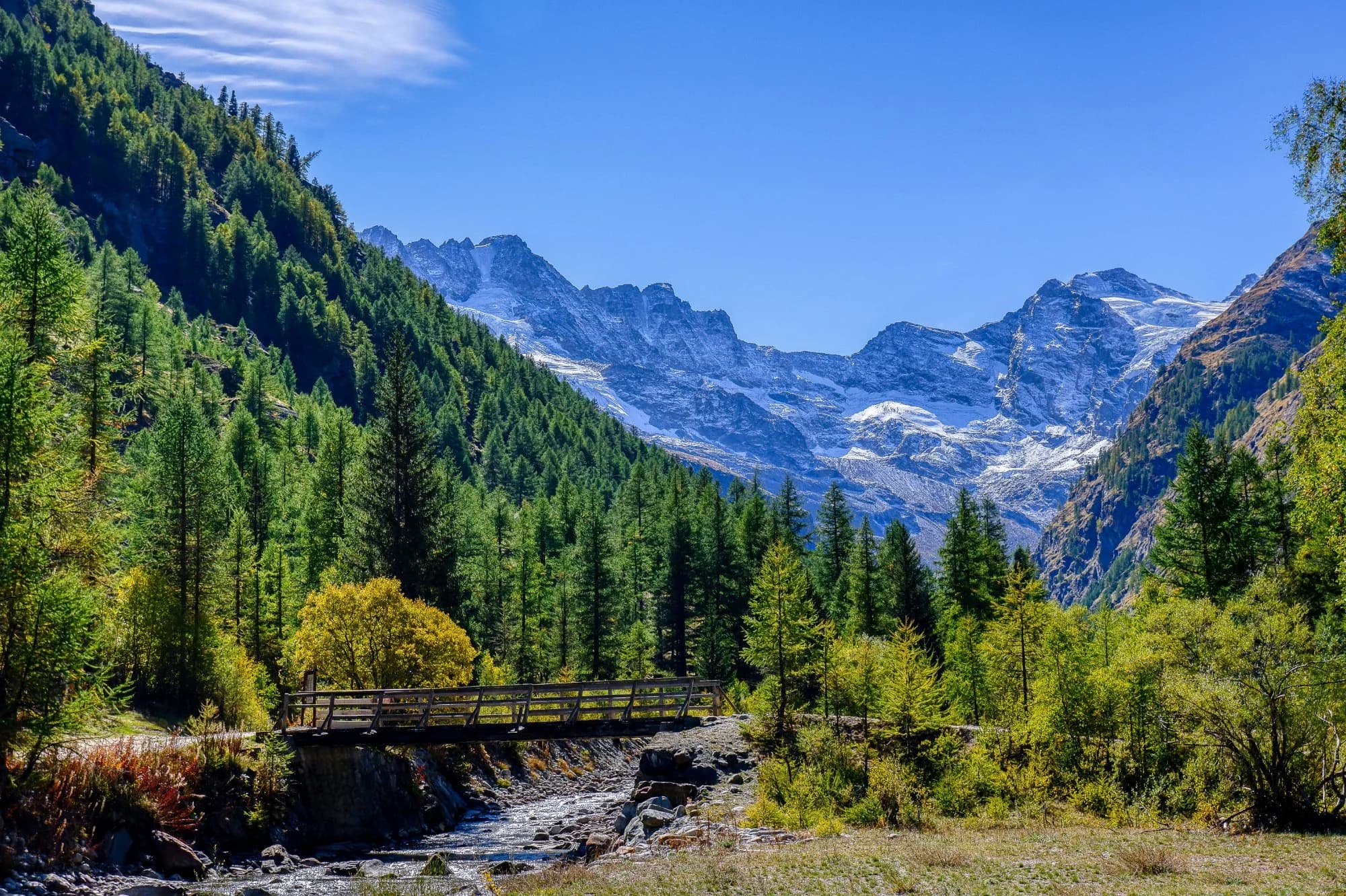
Courmayeur sits at the foot of Mont Blanc on the Italian side, connected to Chamonix via the Mont Blanc Tunnel. This is the region's most internationally recognised resort town, with a pedestrianised historic centre, serious ski infrastructure, and a concentration of high-calibre properties. Stays here tend to attract a sophisticated European clientele: well-travelled, design-conscious, and accustomed to precision service. Suites in this corridor typically combine traditional Alpine materials, stone and timber, with contemporary interiors and access to ski-in or ski-out terrain. Summer brings hiking, trail running, and cable car access to high-altitude perspectives that are simply not available elsewhere in Italy.
Cervinia and the Matterhorn face
Breuil-Cervinia occupies the Italian flank of the Matterhorn, at a base altitude of roughly 2,000 metres. The skiing here connects to Zermatt via the Plateau Rosa glacier, making it one of the highest and longest ski circuits in Europe. The resort has a more utilitarian architectural history than Courmayeur, but the setting is singular. Properties with suites that face the Matterhorn directly offer a visual experience with no equivalent elsewhere in the country. The season extends well into spring due to altitude, and some ski areas remain operational through summer.
The central valley and the city of Aosta
The regional capital, Aosta, carries a density of Roman infrastructure that is disproportionate to its size. A triumphal arch, a Roman theatre, city walls, and an early Christian cathedral occupy a compact urban grid. Staying near the city offers cultural access alongside mountain proximity. Properties here tend to appeal to travelers who want both historical context and landscape, rather than a purely resort-oriented stay. The pace is quieter, the architecture more layered, and the gastronomy more rooted in local tradition.
Cogne and the Gran Paradiso national park
Cogne is the primary village within the Gran Paradiso National Park, Italy's oldest protected natural area. The park hosts significant populations of ibex, chamois, and golden eagle. This is cross-country skiing and snowshoeing territory in winter, wildflower meadows and high-altitude trekking in summer. Properties here are smaller, the atmosphere more withdrawn, and the clientele tends to be nature-oriented rather than resort-driven. A luxury suite in this zone offers genuine remoteness without sacrificing comfort.
When to visit Aosta Valley
Aosta Valley operates across two distinct high seasons with a transitional period in between.
The winter season runs from December through March. Peak weeks cluster around Christmas, New Year, and the February school holidays. Snow reliability is high at altitude, and the Mont Blanc and Matterhorn ski domains are among the most technically demanding and scenically significant in the Alps. Suite availability at quality properties tightens sharply in January and February. Early booking is not merely recommended, it is structurally necessary for the best rooms.
Summer, from late June through August, draws hikers, cyclists, and families seeking Alpine air without the heat of the Italian lowlands. The light at altitude is long and clear. The Gran Paradiso trails and the Tour du Mont Blanc route attract serious walkers. Properties that offer terraces or panoramic views command a premium in this season for legitimate reasons.
The shoulder periods, October and early November, and April through May, offer different rewards: lower occupancy, autumn foliage or late-season snow, and a quieter rhythm in villages that become crowded in peak weeks.
Local luxury standards in Aosta Valley
Italy does not apply the French Palace designation system, but the Italian hotel classification includes a five-star superior category that some Alpine properties carry. In Aosta Valley, the markers of genuine quality are more material than institutional: the presence of a proper spa with thermal or hydrotherapy facilities, a kitchen that sources from local mountain producers, and suites that are proportioned for Alpine stays rather than transient urban stops.
The Valdostan culinary tradition is distinct within Italy. Fontina DOP, the valley's defining cheese, is produced here and used in the regional fonduta. Lardo d'Arnad, a cured fatback with designated origin status, and jambon de Bosses, a mountain-cured ham from the upper valley, define a charcuterie culture that has no equivalent in lowland Italian cooking. A suite in a well-positioned property will give access to this larder in a way that a standard room does not, through in-room service, private dining arrangements, or direct proximity to the kitchen.
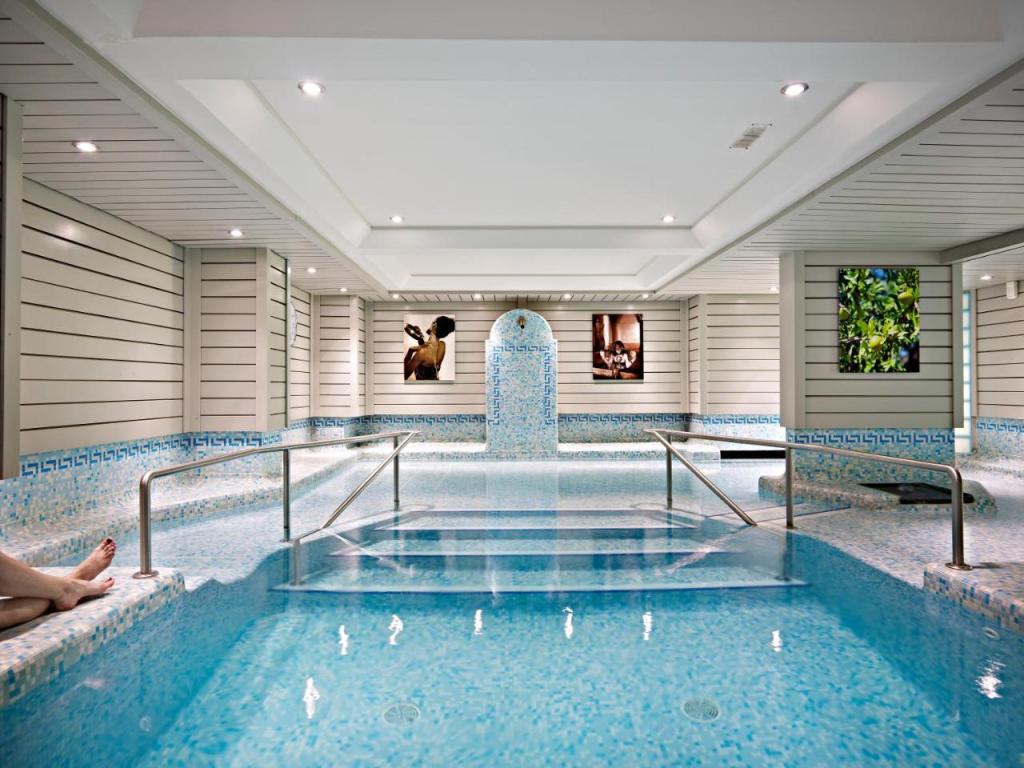
Thermal wellness is a genuine feature of the region. The Pré-Saint-Didier thermal baths, located between Courmayeur and Aosta, offer outdoor pools at altitude with views of the surrounding massifs. Several properties have positioned their spa programming in direct relation to this tradition.
How to choose the right luxury suite in Aosta Valley
The first decision is functional: ski access versus landscape access versus cultural access. These are not always compatible, and the honest choice depends on the primary purpose of the trip.
For ski-oriented stays, proximity to lifts and access to boot rooms, ski storage, and drying facilities matters as much as interior quality. A suite at altitude with direct piste access operates differently from a suite in a village requiring a shuttle. Both have merit, but the experience is structurally different.
For summer and shoulder-season stays, orientation and terrace access become primary. A suite facing south over a valley or glacier will define the quality of mornings and evenings in a way that no amount of interior finish can replace. Ask for precise room orientation before committing.
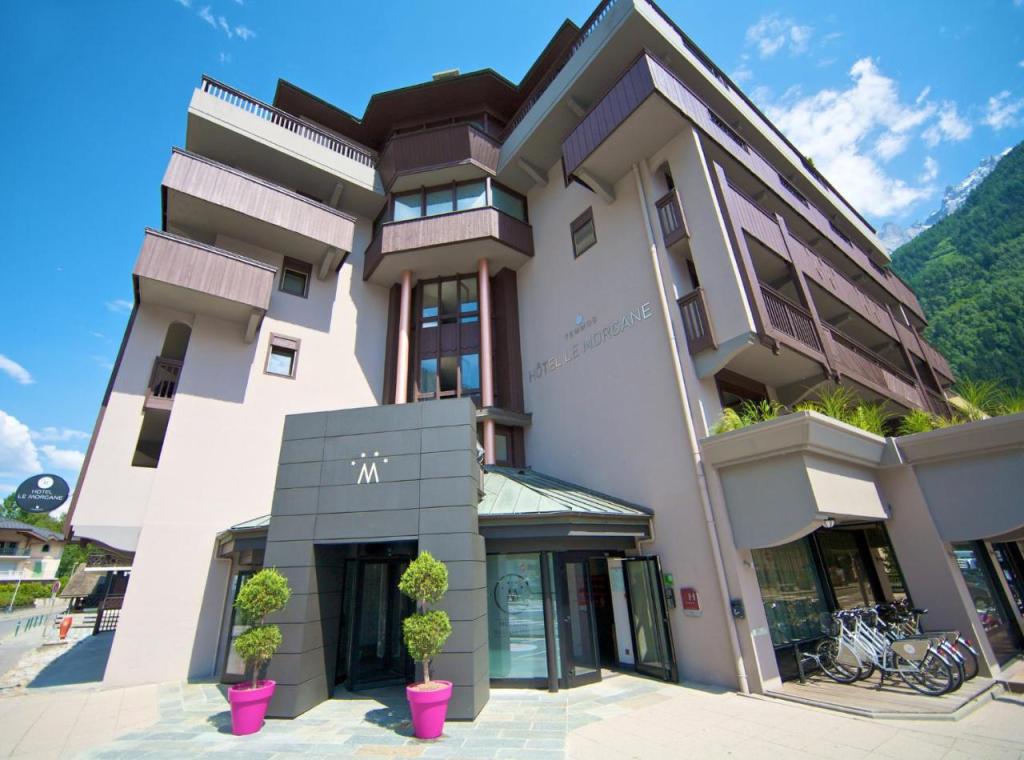
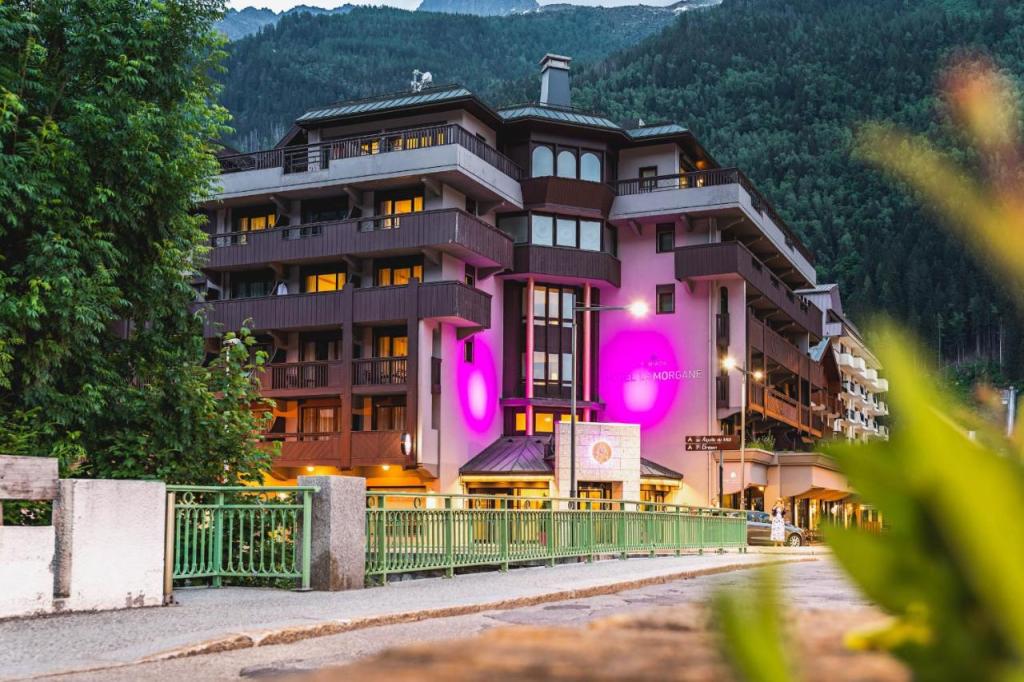
Architecture in the valley varies between traditional Valdostan construction, stone base, timber upper floors, and pitched roofs, and more contemporary resort design. Both can deliver excellent suite experiences, but the aesthetic register is different. Travelers with a preference for historic fabric should look at properties built around or adapted from traditional structures. Those who favour clean contemporary lines will find options in the more recently developed resort zones.
Altitude itself is a practical consideration. Properties above 1,800 metres offer different air quality, temperature ranges, and visual scale. Some travelers find the lower valley more comfortable for acclimatisation; others actively seek the physiological and perceptual effects of high-altitude living.
Why a curated selection by La Suite matters in Aosta Valley
Aosta Valley is not a region with an oversupply of genuinely exceptional suites. The market includes a wide range of Alpine properties, from functional ski apartments to mid-range chalets, and identifying the small number of rooms that meet the criteria for a considered luxury stay requires precise filtering.
La Suite applies a consistent editorial standard: spatial quality, service depth, design integrity, and a meaningful connection to the local environment. In a region where marketing vocabulary is often identical across very different products, that distinction is operationally valuable. The curated selection by La Suite removes the noise and surfaces the properties where the suite itself is a defining element of the stay, not an incidental upgrade.