Best Neighbourhoods and Districts for a Luxury Suite in Apulia
The Itria Valley
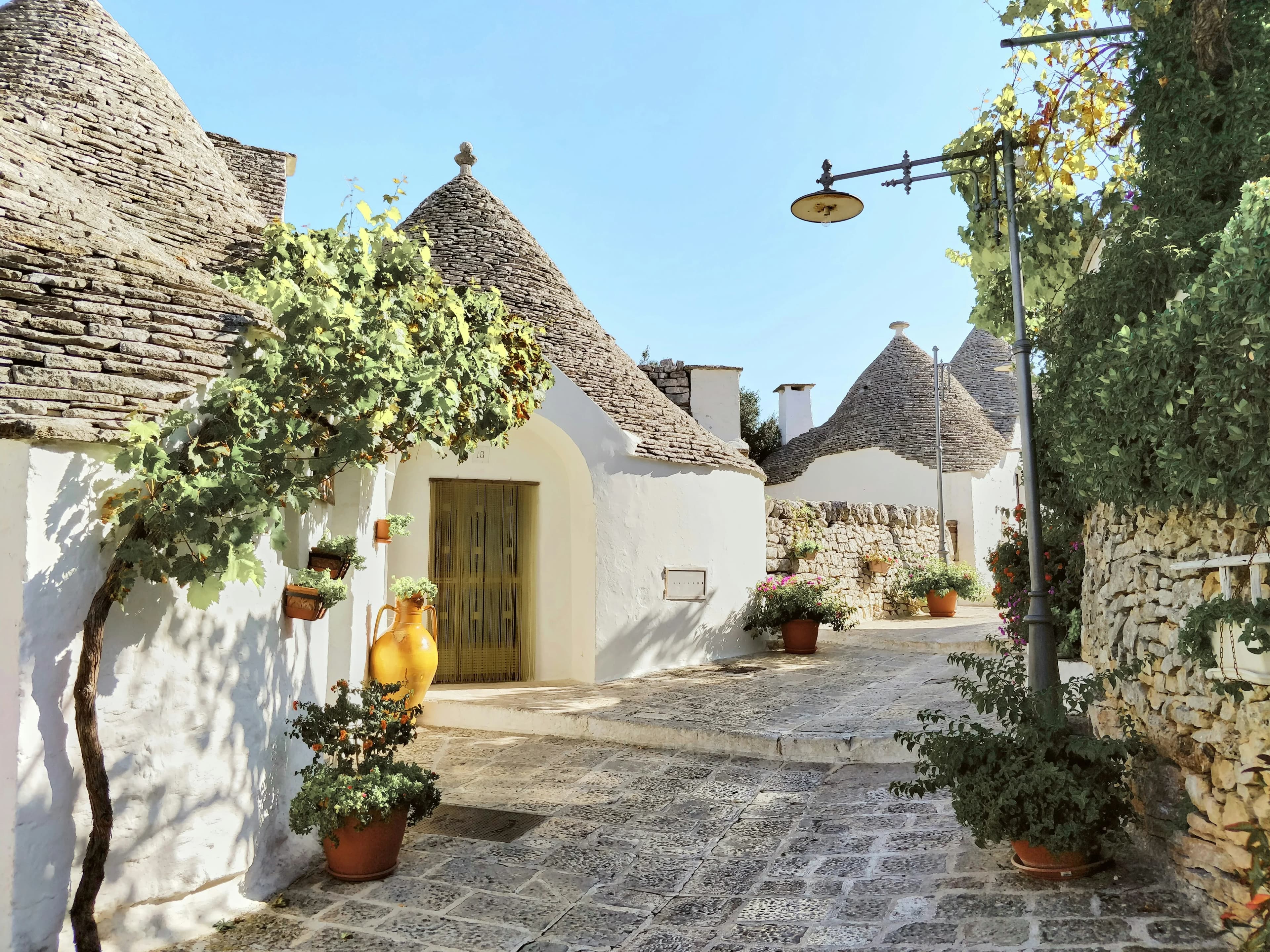
The Itria Valley (centred on Alberobello, Locorotondo, and Cisternino) is the nucleus of trulli architecture, the UNESCO-listed conical limestone dwellings that have become one of southern Italy's most recognisable symbols. For the luxury traveller, this district offers converted masserie and trulli complexes set within olive groves, where the architecture itself constitutes the primary amenity. The pace is deliberate, the landscape pastoral, and the proximity to Ostuni (the so-called White City) adds a further layer of cultural density.
Ostuni and the Valle d'Itria Periphery
Ostuni occupies a ridge above the coastal plain with panoramic views toward the Adriatic. The town's whitewashed historic centre and the surrounding countryside of ancient olive trees produce an environment suited to the most architectural of Apulia's luxury hotel properties. Estates here tend toward the monumental, large converted farmhouses with private pools, private land, and a deliberate separation from mass tourism.
Lecce and the Salento Peninsula
Lecce is Apulia's most urbane city, characterised by a Baroque architectural tradition executed in local golden limestone, a style distinct enough to carry its own designation, Barocco Leccese. The Salento peninsula extending south from Lecce toward Santa Maria di Leuca offers a different proposition: long flat coastlines, pine forests, and a slower, more local rhythm. Luxury hotel suites in this zone tend to occupy converted palazzi within Lecce's historic centre or restored agricultural estates in the surrounding countryside.
Monopoli and the Northern Adriatic Coast
Monopoli, positioned between Bari and Brindisi, has emerged as a considered destination for travellers seeking a coastal base with genuine historic fabric. The old port, the cathedral, and the 16th-century castle di Carlo V give the town architectural credibility. The coastline north and south of Monopoli presents small coves and clean water accessible from properties that maintain the region's characteristic masseria format.
Gargano and the Foggia Province
The Gargano promontory in northern Apulia operates at a remove from the region's better-known circuits. A national park covering limestone plateaux, ancient forests, and dramatic coastal cliffs, it attracts a more secluded category of traveller. Luxury accommodation here is sparse but purposeful, typically oriented toward the Adriatic and positioned within landscapes of considerable geological drama.
When to Visit Apulia for a Luxury Hotel Stay
Apulia's climate is one of the most arid and sun-exposed in continental Italy, with over 300 days of annual sunshine and summers that register as genuinely extreme. The optimal window for a considered luxury stay is April through June and September through November.
Spring brings the olive groves and wheat fields into their most photogenic condition. Temperatures in April and May sit comfortably between 18°C and 24°C, coastal waters begin to warm by late May, and the tourist infrastructure operates without the pressure of peak season. This is the period recommended for travellers whose primary interests are architecture, gastronomy, and landscape.
September and October represent the harvest season (olives, wine grapes, and figs) and the experiential quality of a masserie stay is sharpened by the agricultural activity surrounding the property. The sea retains summer warmth through September, and the Adriatic light in October is of a particular quality valued by those who prioritise the visual environment of their stay.
July and August are operationally peak months. Italian domestic tourism concentrates heavily along the Apulian coast during this period, and the region's most desirable properties book far in advance. For travellers committed to summer, the Gargano coast and the more remote Salento addresses offer relative shelter from density. Temperatures regularly exceed 35°C inland.
Major events of note include the Festa dei Santi Medici in Alberobello (late August), which is a large local pilgrimage festival affecting accommodation availability across the Itria Valley, and the Notte della Taranta in Melpignano (late August), a significant folk music festival drawing large crowds to the Salento.
Local Luxury Standards: How Apulian Hotels Are Classified
Italy operates a national hotel classification system based on star ratings from one to five, with five-star superior (sometimes indicated as five-star L (Lusso)) representing the apex of the formal category. Apulia contains a growing number of five-star superior properties, predominantly in the converted masserie format.
The masseria designation itself carries significant cultural weight in the region. A masseria is an Apulian fortified farmhouse, typically dating from the 16th to 18th centuries, and the conversion of these structures into luxury hotel properties constitutes the dominant format for high-end hospitality in inland and coastal Apulia. The quality of a masseria conversion (the integrity of the original architecture, the density of the restoration materials, the proportion of the guest rooms) varies considerably, and the star rating alone is an insufficient indicator of the actual standard.
Italy's national Alberghi Diffusi concept (accommodation distributed across multiple historic buildings within a single town or estate) is also present in Apulia, particularly in smaller hill towns where single-property hotels would disturb the historic fabric. This format can deliver a luxury suite experience within a genuinely inhabited historic environment rather than an isolated estate.
No regional prestige designation equivalent to France's Palace label or Spain's Gran Lujo category exists in Italy at a national level, though the Leading Hotels of the World and Relais & Châteaux networks both have members in Apulia and provide a degree of third-party quality reference.
How to Choose the Best Luxury Suite in Apulia
The first variable is geography. Apulia is large, and the character of an inland masseria in the Itria Valley is fundamentally different from a coastal property in Salento or a palazzo suite in Lecce. Identify the landscape and pace you require before evaluating individual properties.
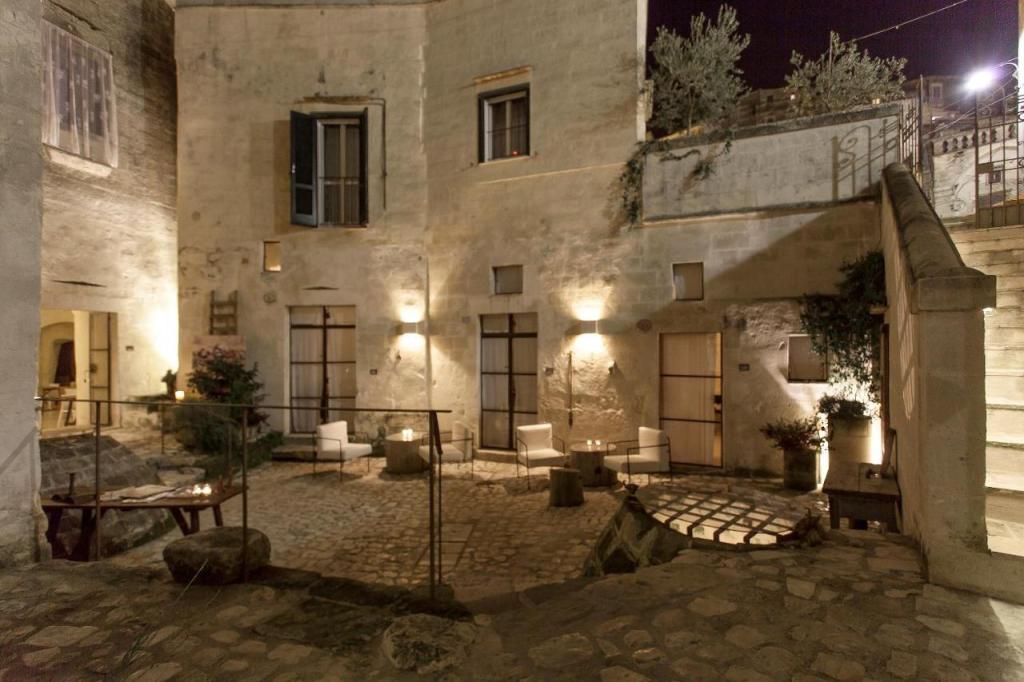
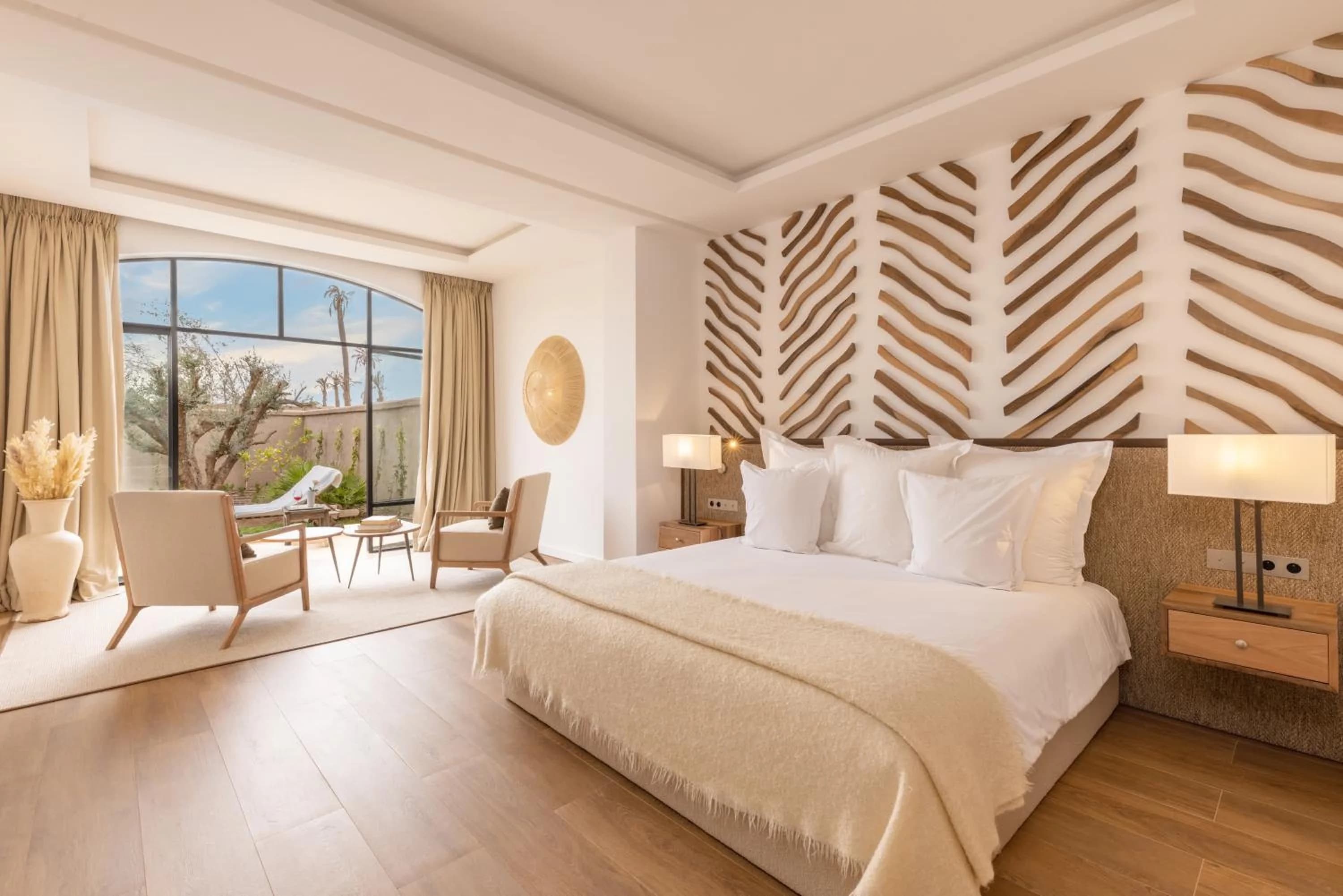
The second variable is the architecture of the suite itself. Apulia's most considered luxury hotel suites typically occupy original stone structures, trulli, cellars converted to bedrooms, or first-floor rooms with intact frescoed ceilings. The alternative is new-build villas on estate grounds, which offer contemporary amenity standards but less material specificity. The choice between these two formats is a matter of personal priority rather than objective hierarchy.
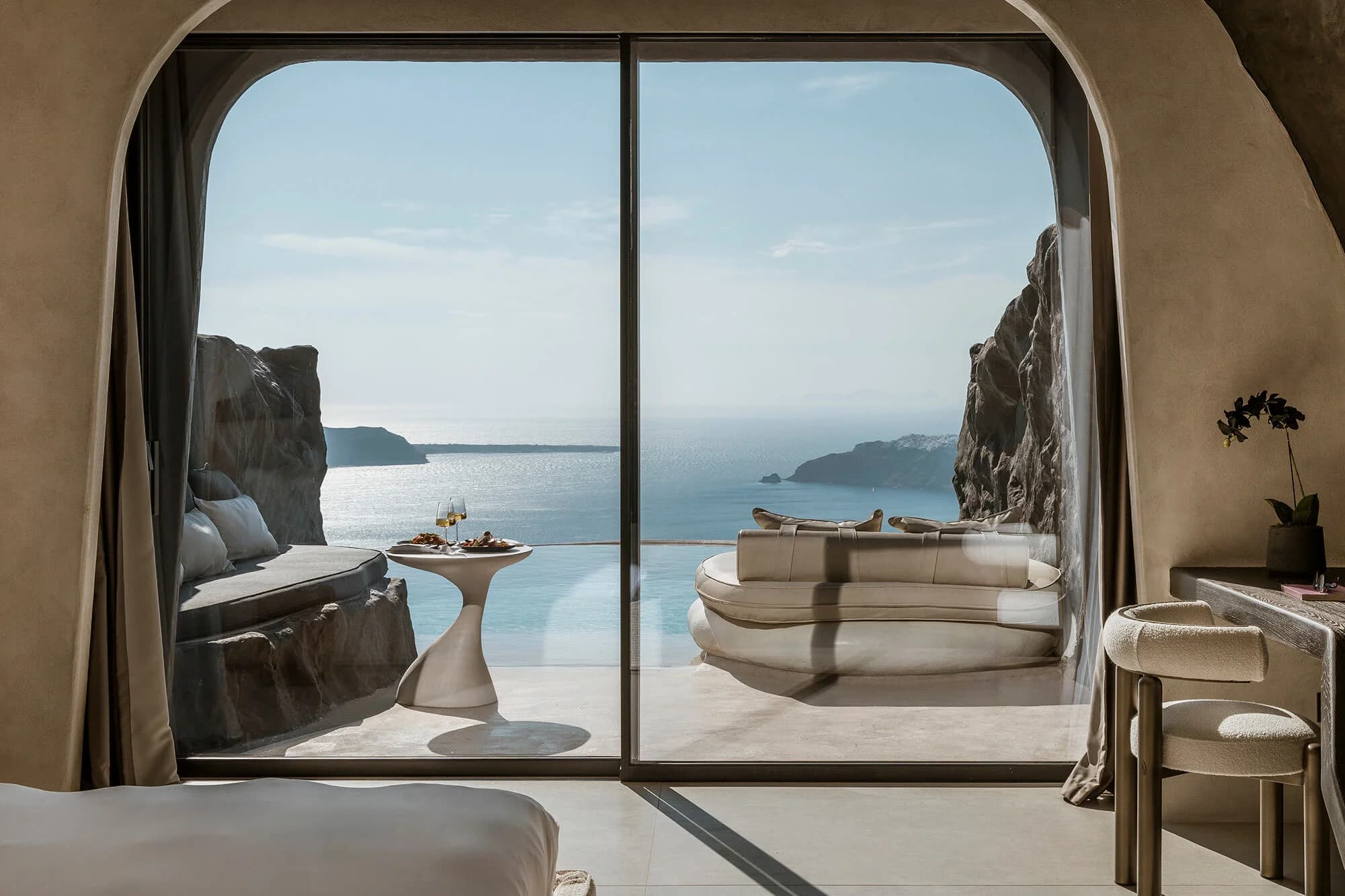
Pool access is a practical consideration. Many masserie position their pools at a distance from individual suites, and a private terrace with a plunge pool constitutes a meaningfully different product from shared estate pool access. For summer visits in particular, the configuration of outdoor space relative to the suite should be confirmed in advance.
Gastronomy is integral to the Apulian luxury experience. The region's cuisine (built around local olive oil, burrata, orecchiette, and Primitivo and Negroamaro wines) is among the most distinctive in Italy. Properties with in-house restaurants operating at a serious culinary level, or with direct access to local producers, represent a measurably different stay from those where dining is secondary. Confirm the operational status of hotel restaurants, which can vary seasonally.
Finally, consider the operational season. A significant number of Apulia's luxury hotel properties close between November and March. Availability during shoulder and winter months is more constrained than the volume of properties would suggest.
The Value of a Curated Selection for Apulia
Apulia has seen rapid growth in luxury hospitality investment over the past fifteen years. The volume of properties describing themselves as masserie retreats or boutique luxury estates has increased considerably, and the range of quality within this category is wide. A curated selection performs a specific editorial function: it removes properties that use the vocabulary of luxury without meeting its material conditions.
La Suite applies consistent criteria across architecture, suite quality, service standard, and contextual authenticity. In a region where the conversion of a historic building can range from sympathetic restoration to superficial renovation, the distinction between properties is not always apparent from standard booking channels. A curated selection by La Suite reduces the research burden for the traveller and increases the probability that the physical reality of the stay corresponds to its representation.
For a destination like Apulia, where the experience is constructed as much by landscape and architecture as by hotel infrastructure, the accuracy of that representation is the most consequential variable in the booking decision.
Frequently Asked Questions About Luxury Hotel Suites in Apulia