Where to stay in Calabria: the region's distinct luxury zones
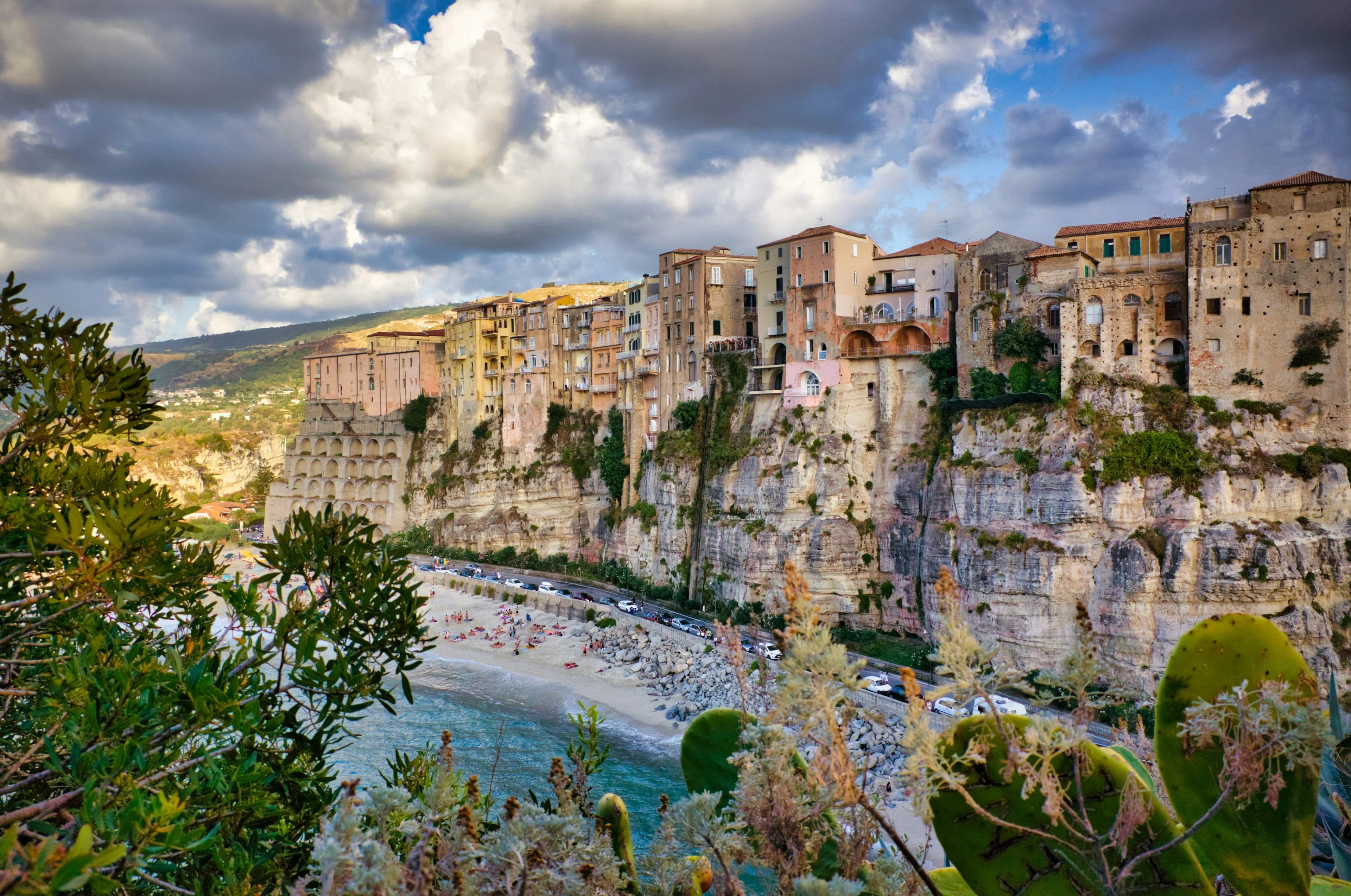
The Tyrrhenian coast, running along the western edge, is where much of the region's established hospitality infrastructure sits. The area around Tropea is internationally recognized for its cliff-top topography: towns built on dramatic sandstone promontories above turquoise water. The demand for suite-level accommodations here reflects the area's visual drama. Properties tend to privilege views and outdoor space, terraces and private pools positioned to face the sea.
The Ionian coast to the east has a quieter register. It stretches from the Sibari plain in the north down toward Reggio Calabria, passing through areas associated with Magna Graecia, the network of ancient Greek colonies that once made this coastline one of the most culturally significant in the Mediterranean. The luxury proposition here is different: archaeological proximity, low density, and an almost complete absence of mass tourism. Suites in this corridor offer a more contemplative experience.
The interior, dominated by the Sila and Aspromonte massifs, functions as a counterpoint to coastal heat and coastal noise. The Sila plateau in particular, a national park covering roughly 73,000 hectares, has given rise to a category of rural hospitality that prioritizes altitude, silence and forest. The aesthetic is honest and material-focused: stone, timber, local craft. For travelers seeking a suite that is genuinely removed from both sea and city, the Calabrian interior is the correct choice.
When to visit Calabria for a suite stay
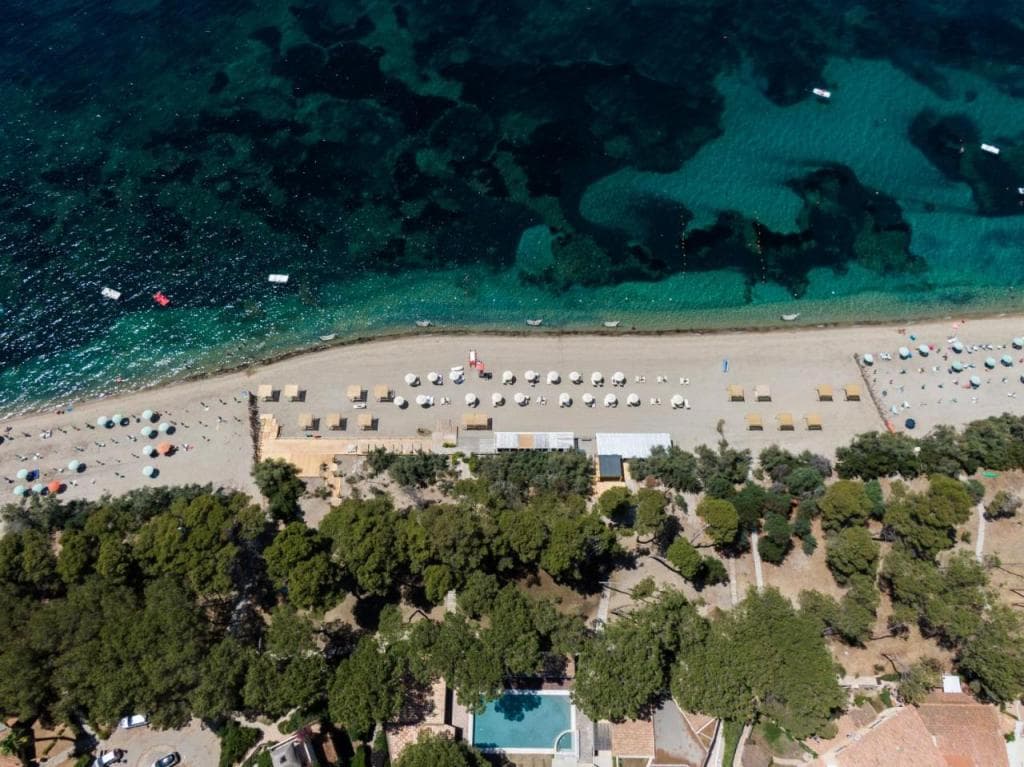
The seasonal logic in Calabria is direct. The coastal zones are most active between late May and early September, with peak concentration in July and August when sea temperatures are at their highest and availability at its most competitive. For a suite stay along the Tyrrhenian or Ionian coast, the optimal windows are late May through June and September, when the light is at its most considered, crowds are reduced and the properties themselves operate at a more measured pace.
The interior operates on a different calendar. Spring, from April through early June, is when the Sila plateau and the hill towns of the pre-Aspromonte reach a particular quality of light and temperature. October is equally strong for interior stays: harvest season, chestnut and mushroom gathering, a return to domestic rhythms that give this part of Calabria a distinct texture.
There are no major international luxury events anchored to Calabria in the way that, say, fashion weeks or art fairs define the calendars of Milan or Venice. The region's cultural rhythm is quieter and more local: the feast of Madonna di Polsi in Aspromonte in early September, the Palio della Pigna in Diamante, the annual 'Nduja festival in Spilinga. These are not occasions that drive luxury demand, but they do define the region's authentic calendar and provide context for travel timing.
Local luxury standards: what to expect from Calabria's top hotel suites
Italy's national classification system applies in Calabria as elsewhere, with five-star ratings representing the formal ceiling. However, the category that most accurately describes the best Calabrian suite experiences is the masseria or its Calabrian equivalent: a fortified farmhouse or agricultural estate converted into high-end hospitality. These properties, common across southern Italy, place the emphasis on spatial generosity, local material culture and a relationship to land that standard hotel architecture cannot replicate.
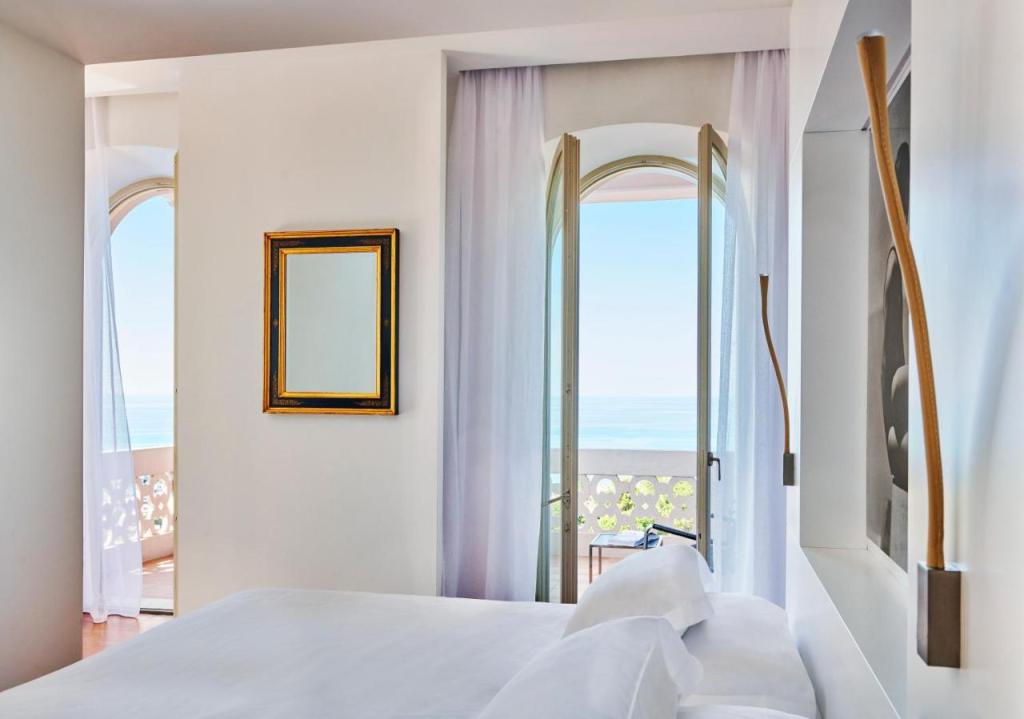
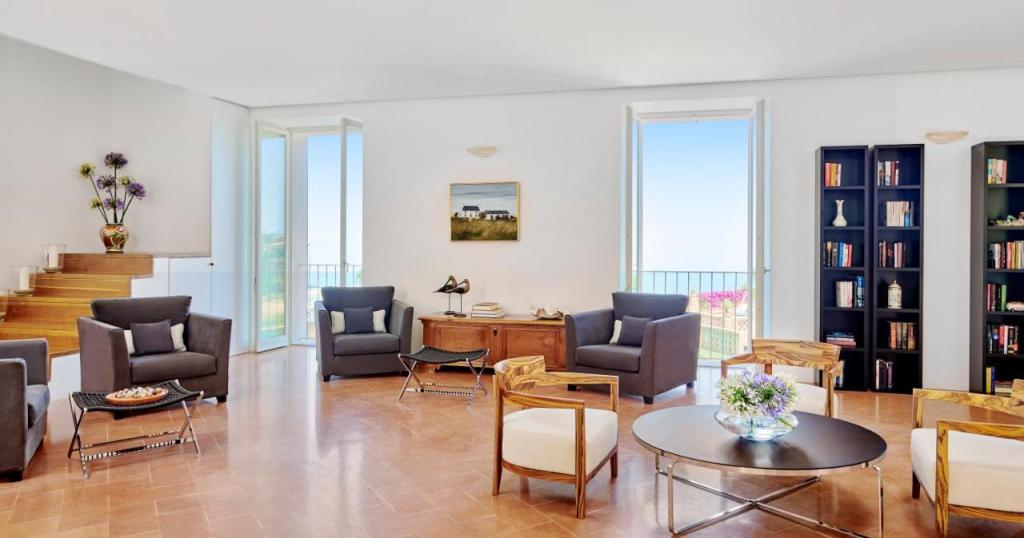
The suite offer in Calabria at the top tier typically includes private terrace access, direct sea views in coastal properties, and interiors that reference local craft traditions: terracotta, hand-woven textiles, local stone. The regional aesthetic is not polished in the way that, say, a Milanese design hotel would understand polish. It is instead calibrated to its context, which means raw edges, patina and a refusal of the generic.
Service standards at the region's best properties are personal and direct. Calabrian hospitality has a family orientation that sits comfortably within the quiet luxury framework: attentiveness without performance, genuine local knowledge without scripted concierge language. This is a region where the chef is likely to know the fisherman by name, and where that relationship is reflected directly on the plate.
How to choose the right suite in Calabria
The first decision is orientation: coast or interior. Coastal suites deliver the visual and sensory experience of the Mediterranean, with all the practical considerations that implies: proximity to beaches, boat access, sea-facing terraces. Interior suites offer altitude, privacy and a different relationship to time. The two categories attract different travelers for different reasons, and the choice should be made with clarity about what kind of experience the trip is intended to deliver.
Within the coastal category, the further distinction is between the Tyrrhenian west and the Ionian east. The Tyrrhenian side is more developed and more recognizable to international travelers. The Ionian side is less trafficked, more archaeologically layered and better suited to travelers who prioritize authenticity over amenity density.
Architecture is a meaningful variable in Calabria. The region has significant historical building stock: Norman, Byzantine and Greek influences are physically present in its towns and estates. A suite within a genuinely historic structure carries a different sensory logic to a purpose-built resort property, even when both operate at the same price point. The question of whether the building itself has provenance is worth asking before committing.
Accessibility is a practical consideration. Calabria is served by airports at Lamezia Terme (the primary gateway), Reggio Calabria and Crotone. High-speed rail reaches Salerno, with connections onward, but the final journey into many of the region's finest properties involves road travel through mountainous or coastal terrain. Journey time from arrival airport to property should be factored into the stay design, particularly for shorter trips.
Why a curated selection by La Suite matters in Calabria
Calabria's luxury hotel market is less documented than comparable southern Italian destinations. The absence of systematic curation means that travelers making independent decisions frequently encounter a wide quality range with insufficient differentiation between properties that genuinely deliver at the suite level and those that use the language of luxury without the substance.
La Suite approaches Calabria as it approaches every destination: by assessing the suite offer on its own terms, against criteria that include spatial quality, architectural integrity, service consistency and the genuine relationship between the property and its landscape. The result is a selection that removes the research burden from the traveler and presents only those options that meet a defined standard.
For a region of Calabria's complexity, where the right choice depends on a precise understanding of geography, season and property type, this kind of editorial curation is not a convenience. It is the most efficient path to the correct decision.