Capri's distinct areas for luxury stays
Capri Town and the Piazzetta
The area immediately surrounding the Piazzetta is the social and commercial centre of the island. Staying here places guests within walking distance of the boutiques along Via Camerelle, the terraced restaurants, and the funicular that connects to the Marina Grande below. Suites in this zone tend to occupy historic structures with thick stone walls, arched interiors, and panoramic terraces oriented toward the Faraglioni rock formations. The density is higher and the ambient energy more present, particularly between June and August. For travelers who want to be embedded in the island's social fabric while still retreating to a composed private space, this is the natural choice.
Anacapri and the upper plateau
Anacapri sits at a higher elevation, accessible by road from the Marina Grande or by the ancient Scala Fenicia stairway. The atmosphere is quieter, the architecture more vernacular, and the gardens more expansive. Luxury properties here often feature larger plot sizes, more substantial pool terraces, and views that extend toward the Gulf of Naples and, on clear days, toward Ischia and Procida. Guests who prioritize stillness and spatial privacy over proximity to the social circuit tend to gravitate to this part of the island.
Marina Piccola and the southern coastline
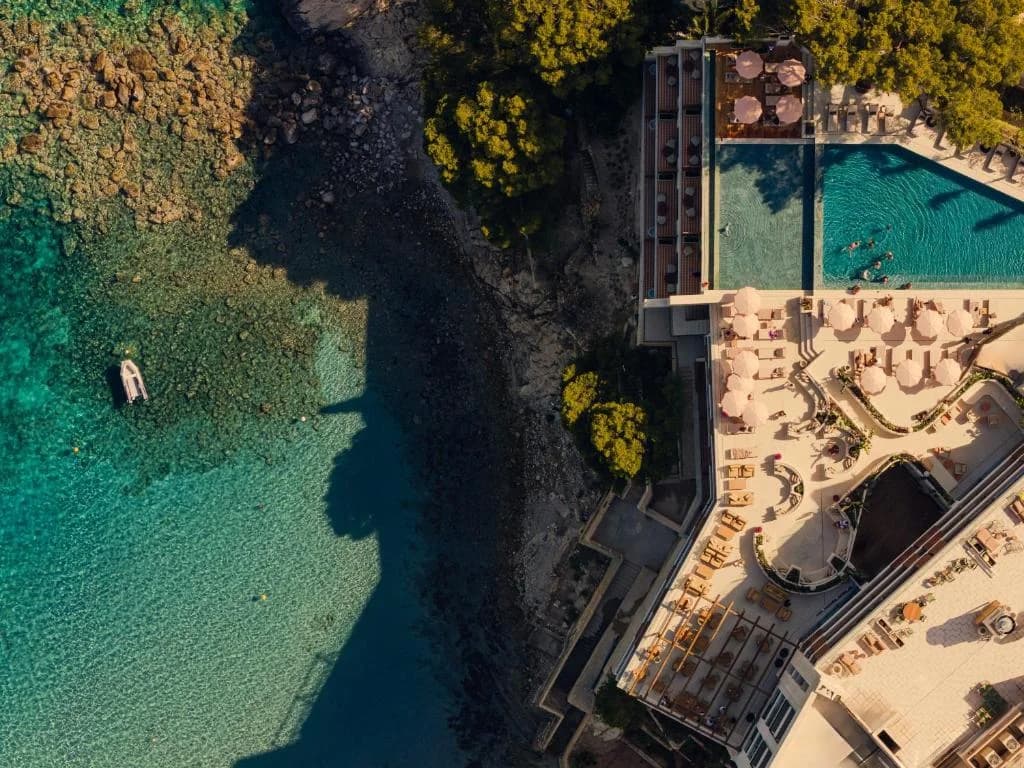
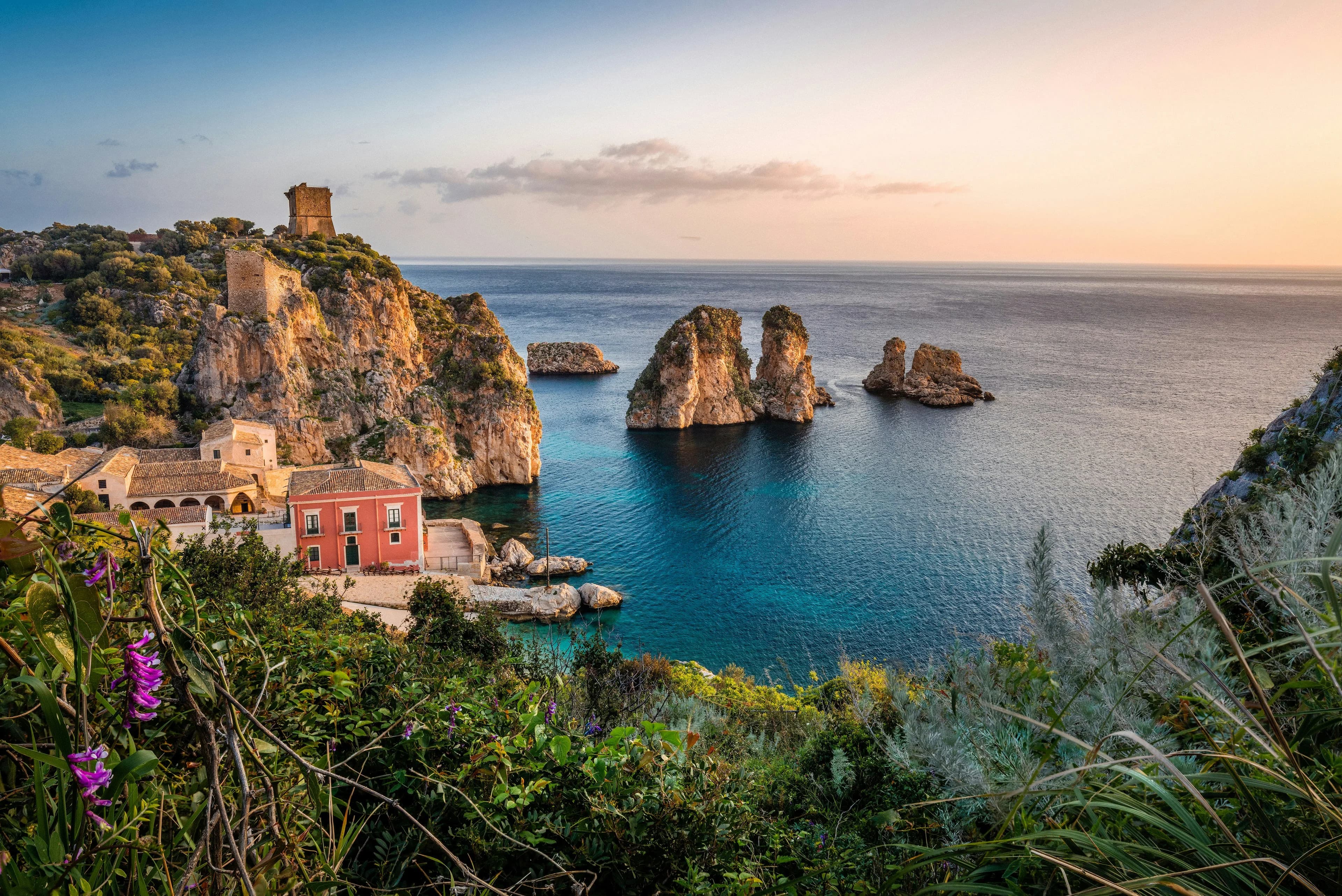
The southern face of the island is defined by its direct exposure to open water and its proximity to the Faraglioni. A small number of properties in this zone offer suite-level accommodation with direct or near-direct sea access. The aesthetic here is more elemental: less manicured, more geological. It suits travelers drawn to the physical character of the island rather than its social calendar.
When to visit Capri for a luxury suite stay
Capri has a Mediterranean climate with hot, dry summers and mild winters. The luxury hospitality infrastructure of the island is, however, heavily seasonal. Most high-end properties open between April and October, with peak demand concentrated in June, July, and August.
For travelers seeking optimal conditions without the full weight of high-season occupancy, May and early June represent a considered choice. Temperatures are moderate, the island's flora is in strong form, the light is consistent, and advance booking is generally easier to navigate. Late September and October offer a comparable quality of experience, with the added advantage of reduced visitor density across the island's public spaces and restaurants.
The August period brings the highest concentration of Italian domestic tourism alongside international visitors. Suite availability at premier properties in this window requires planning several months in advance. For guests attending specific events, the Capri Hollywood International Film Festival, held each December and January, marks one of the few periods of cultural animation outside the main season, though the hotel offer at that time of year is considerably narrower.
Local luxury standards: what to expect from top-tier suites on Capri
Italy does not operate a formal national designation equivalent to the French Palace classification, though the broader five-star deluxe category and membership in international collections such as The Leading Hotels of the World or Relais and Chateaux serve as reliable reference points for the top tier of the market.
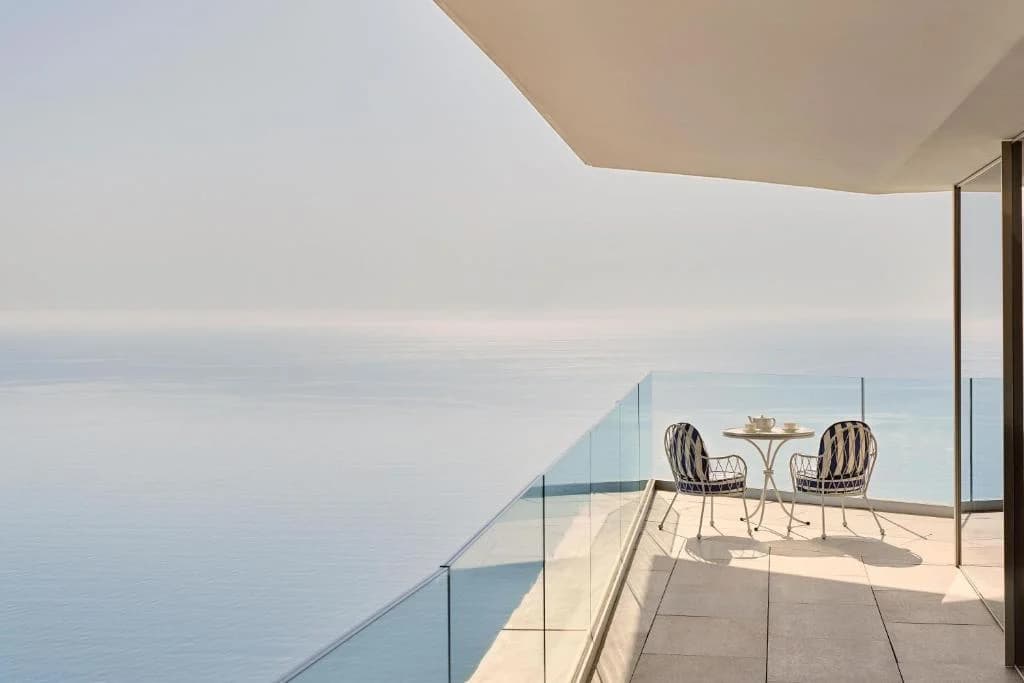
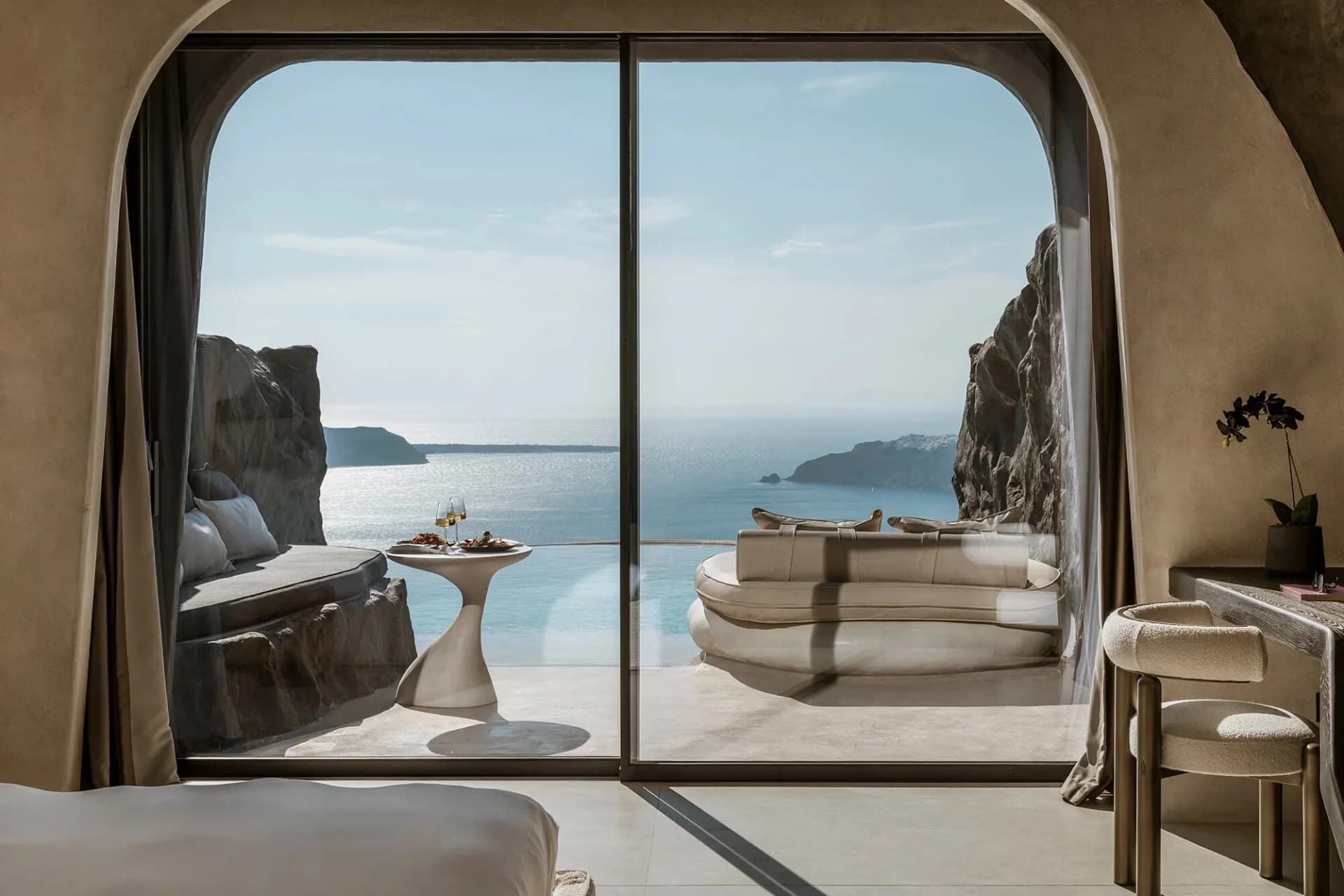
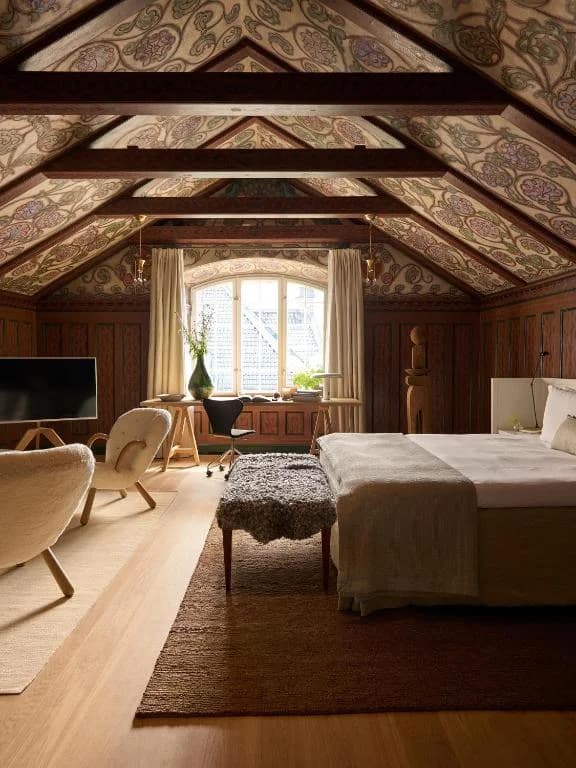
On Capri specifically, the architectural language of luxury is shaped by the island's vernacular tradition: whitewashed facades, ceramic tile work, vaulted ceilings, and terraced outdoor spaces that extend the interior living area into the open air. A well-configured luxury suite on Capri will typically feature a private terrace with sea or garden views, a bathroom of significant scale often incorporating a soaking tub or outdoor shower, and materials sourced from the broader Southern Italian craft tradition, including local stone, hand-painted ceramics, and bespoke textiles.
The highest-tier suites on the island also reflect the island's relationship with the international art world and fashion industry. Custom furnishings, curated artwork, and partnerships with Italian ateliers are increasingly standard at the properties that define the top of the market. Service ratios at this level are consistently high, with butler access, in-suite dining, and dedicated concierge arrangements forming part of the standard offer.
How to choose the best suite in Capri
Several practical and experiential considerations shape the decision-making process for a luxury suite stay on Capri, and they differ materially from the criteria one might apply in a continental city.
First, orientation matters considerably. Suites facing east capture the morning light over the Gulf of Naples and offer views toward the mainland. Those oriented south and southwest face the open sea and the Faraglioni, which are arguably the island's most architecturally significant natural features. North-facing rooms, while sometimes offering garden privacy, sacrifice the quality of light that defines the Capri experience.
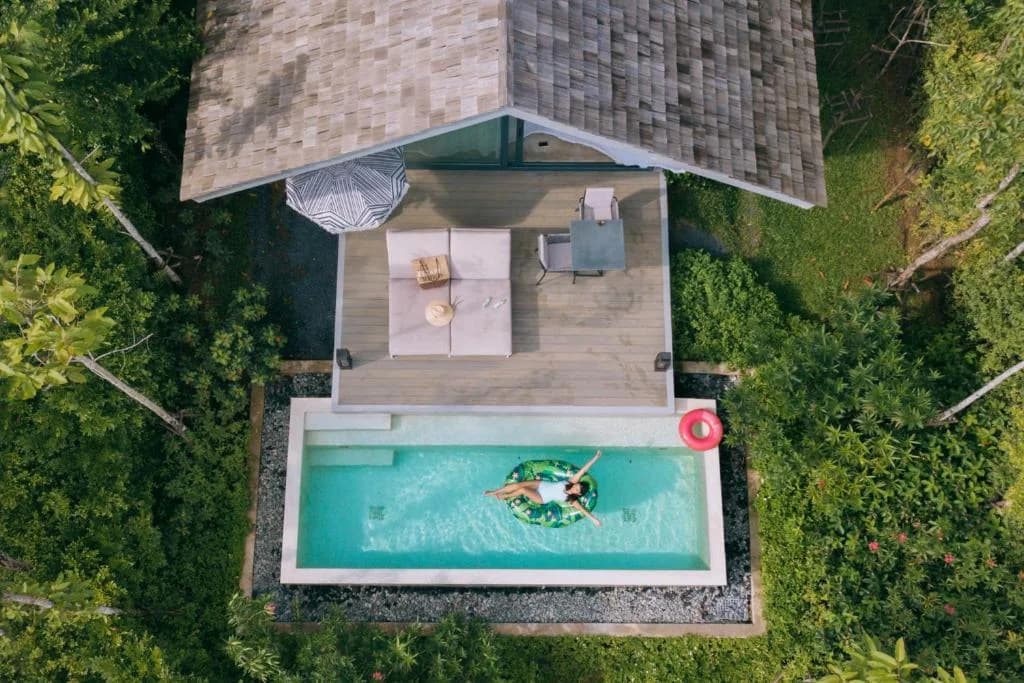
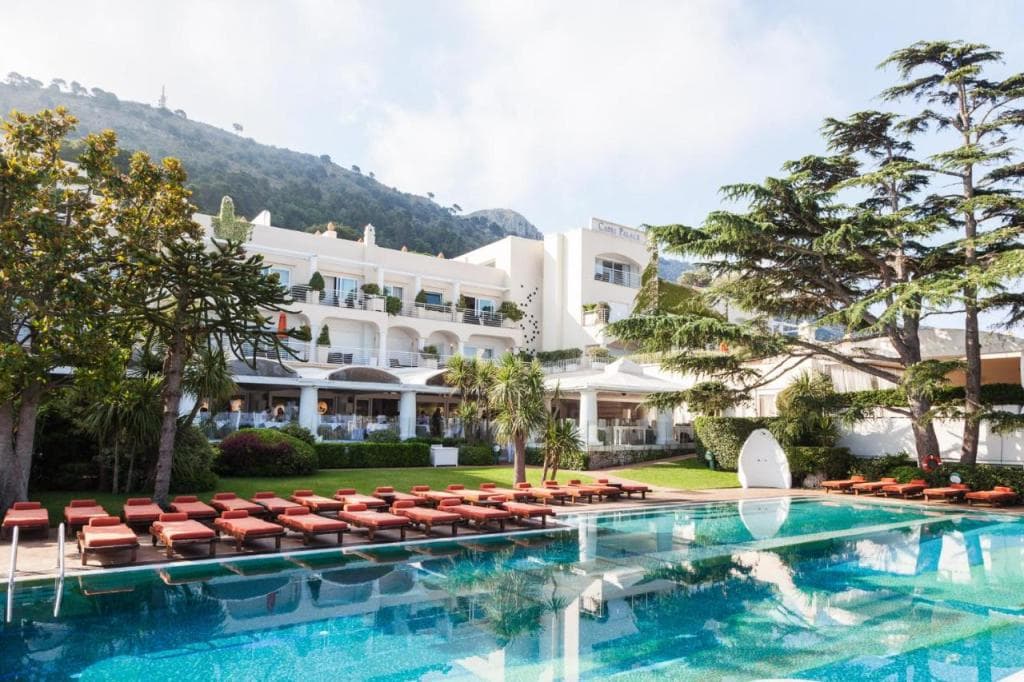
Second, the relationship between the suite and the property's pool or sea access is a meaningful differentiator. Some properties have pool terraces at suite level; others require guests to descend to a shared facility. For travelers who regard the outdoor space as an extension of their private accommodation, this distinction carries weight.
Third, the question of access to the island itself is worth factoring in. Capri is reached by ferry or hydrofoil from Naples, Sorrento, or Positano. The logistics of arrival, luggage transfer, and mobility on the island (which prohibits private cars for non-residents and limits motorized access in many areas) should inform both the property choice and the suite category, particularly for families or guests traveling with significant luggage.
Why a curated selection by La Suite matters in Capri
The Capri hotel market presents a particular editorial challenge. The island has a strong commercial identity and a long history of hospitality, which means the volume of available accommodation significantly exceeds the number of properties that genuinely deliver at suite level. Marketing language in this category tends to be uniform, and the visual presentation of properties online rarely captures the experiential differences that matter most: the precise orientation of a terrace, the acoustic quality of a space, the ratio of private to shared amenity.
La Suite approaches Capri as a subject of architectural and experiential inquiry. The selection focuses on properties where the suite itself, not merely the destination, is the primary offer. This means attention to the spatial logic of each room, the quality of its relationship to the outdoors, and the coherence of the service model. For a destination as concentrated and competitive as Capri, the curation removes the noise and surfaces the properties that justify the investment.