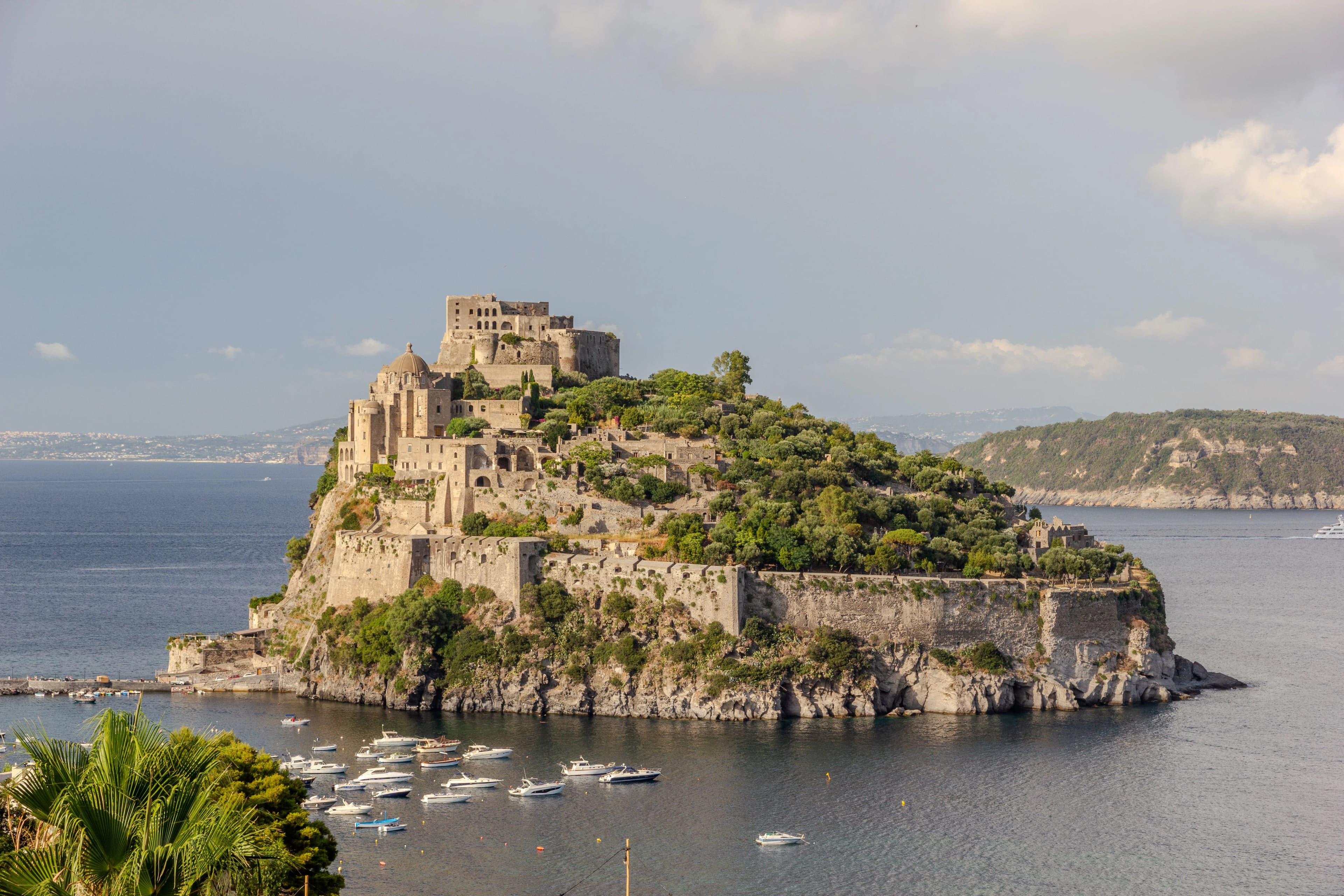
Where to stay on Ischia: the island's distinct areas
Ischia Porto and Ischia Ponte, connected by the island's main thoroughfare, form the commercial and historical core. The Aragonese Castle, rising from a tidal islet attached to the Ponte district, anchors the eastern end. Properties in this zone offer proximity to restaurants, boutiques, and boat connections, with some commanding direct castle views. The aesthetic here tends toward the classic Neapolitan palazzo tradition.
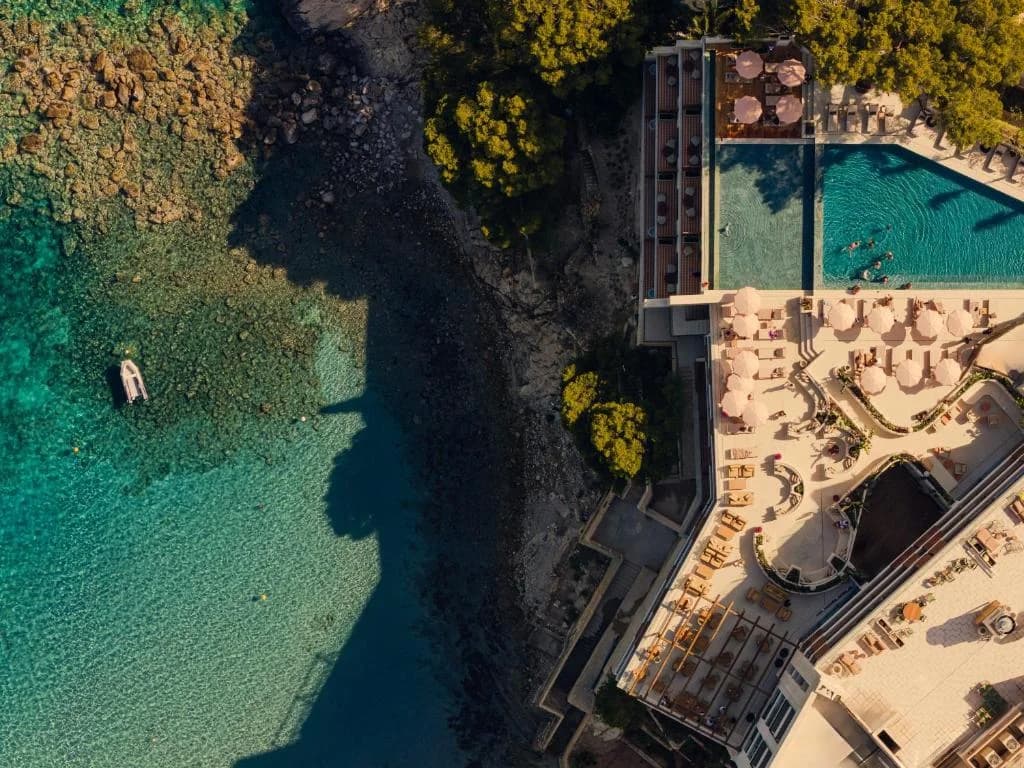
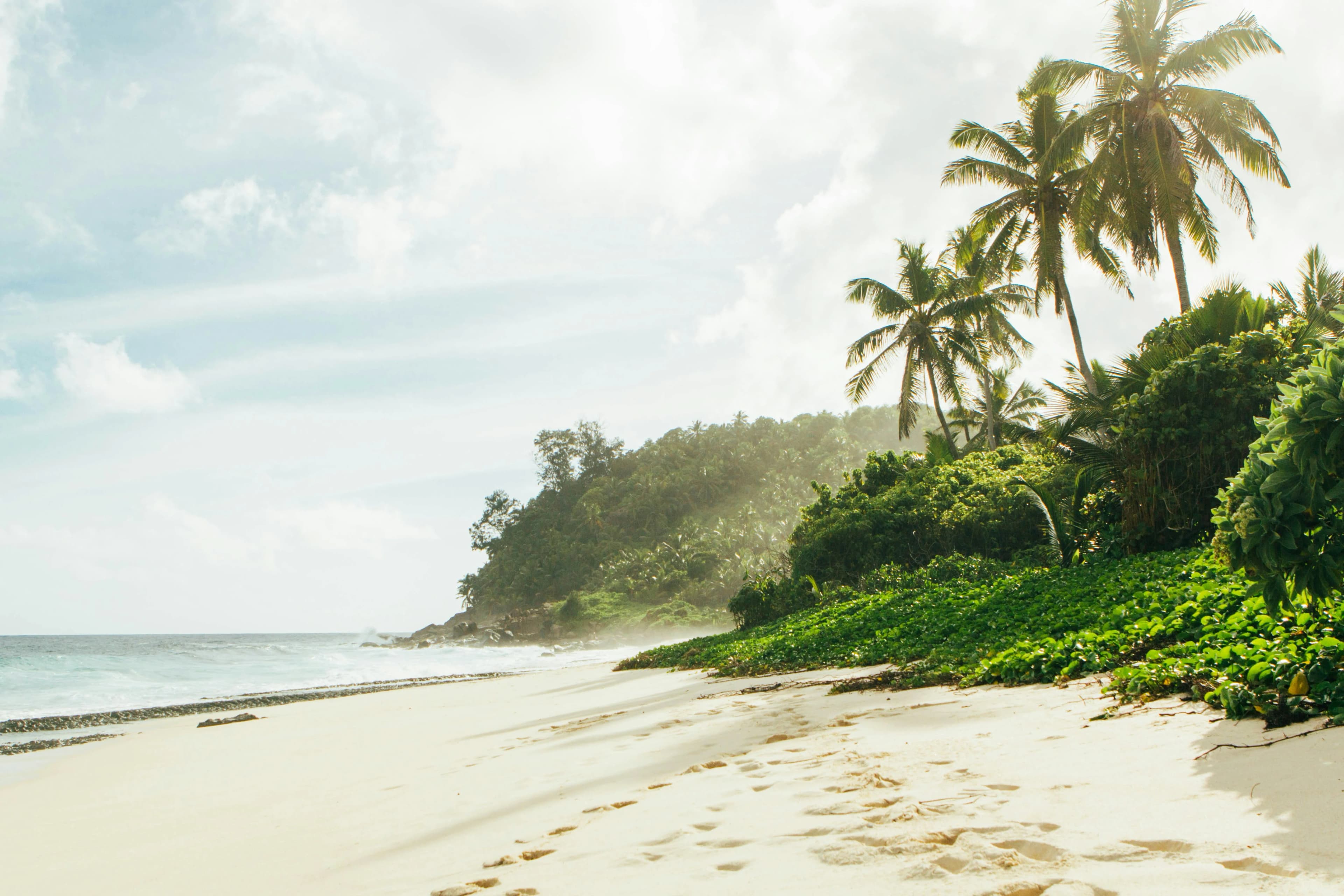
Sant'Angelo, at the island's southern tip, operates on a different register entirely. The village is car-free. Donkeys handle freight. The pace is deliberate, and the properties that occupy the hillsides above the marina are among the most architecturally considered on the island. Access to the Maronti beach, the longest on Ischia, combined with the natural thermal vents that emerge from the sand, gives this area a genuinely singular character.
Lacco Ameno, on the northwestern coast, holds a particular cultural distinction. It was the site of significant post-war cultural life, attracting figures from Italian cinema and publishing. The thermal park at Negombo, designed with serious attention to landscape and botanic curation, sits on its outskirts. Suites in this area often benefit from calmer waters and refined gardens.
Forio, on the western coast, receives the island's best sunsets and is home to La Mortella, the garden created by composer William Walton and his wife Susana. The coastal architecture here is more eclectic, and properties range from restored historic villas to purpose-built wellness retreats.
When to visit Ischia for a luxury suite stay
The island operates on a pronounced seasonal rhythm. The peak window runs from late April through mid-October. July and August bring the highest density of visitors, concentrated ferry traffic, and the full activation of thermal parks, beach clubs, and restaurant terraces. Suites during this period command their maximum rates and book well in advance.
The shoulder seasons, specifically May, June, and September, represent the most considered choice for guests who prioritise space, service attention, and thermal access without the compression of high summer. Temperatures remain warm, the sea is swimmable, and properties operate with the full complement of their offer.
October extends the season further for those drawn to the island's hiking trails, wine harvest activity in the Epomeo vineyards, and the particular quality of light that arrives in autumn. The thermal facilities remain operational, and rates begin to moderate.
A significant portion of the island's hotel infrastructure closes between November and March. Guests planning winter travel should verify availability directly, as a small number of year-round properties maintain limited suite offerings during this period.
Understanding luxury hospitality standards on Ischia
Italy's hotel classification system uses a five-star scale, with a separate designation, five-star superior (or five-star L, for Lusso), reserved for properties that meet an extended set of criteria relating to space, service staffing, and facility range. Unlike the French Palace designation, which is formally governed by Atout France, the Italian superior category is administered regionally and carries some variation in interpretation.
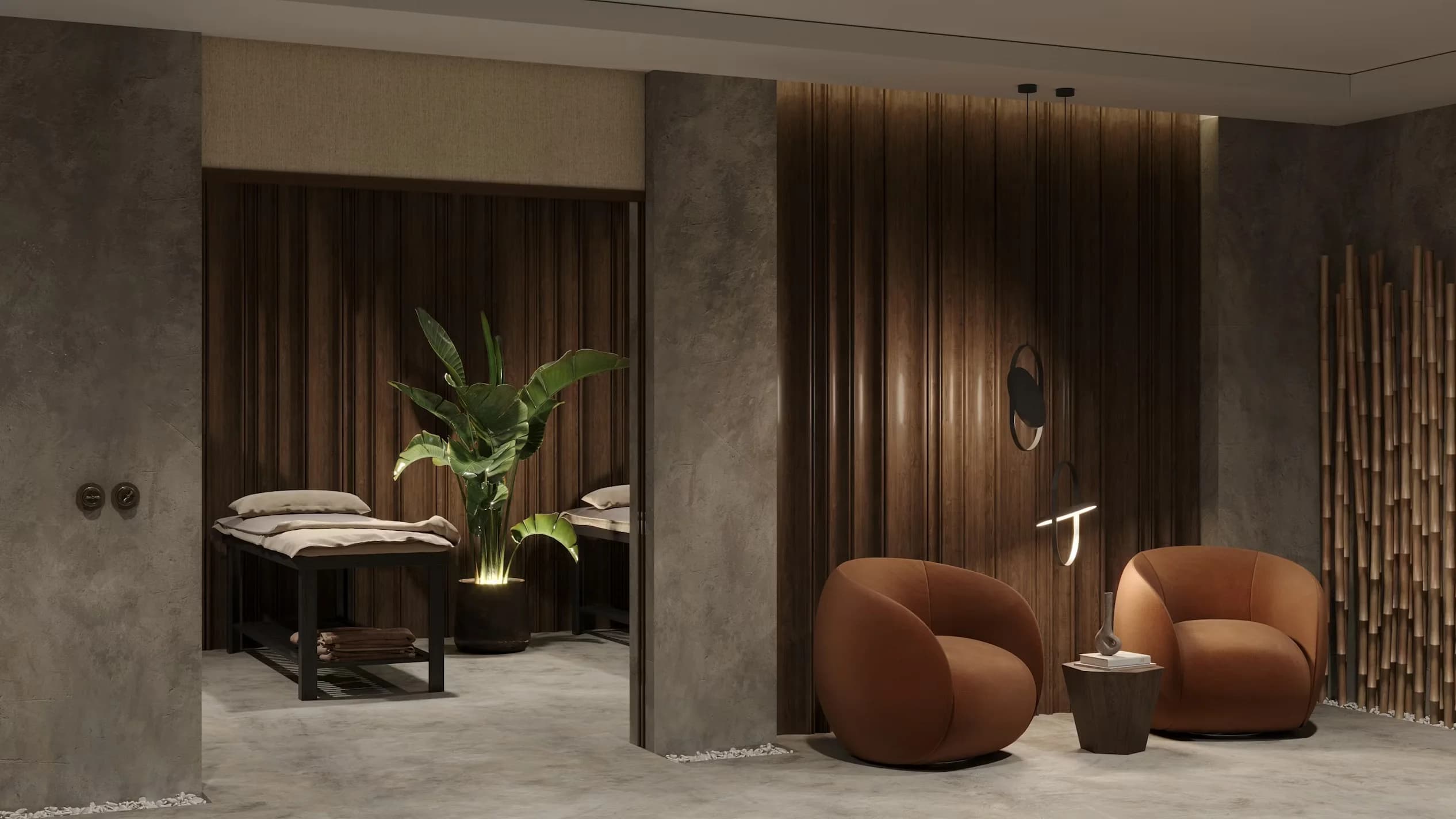
On Ischia specifically, the island's thermal identity has shaped its hospitality culture in a distinctive way. Many of the leading properties are built around private thermal pools fed by the island's volcanic spring system. Water temperatures, mineral compositions, and therapeutic properties vary by source, and properties often specify which springs supply their pools. This thermal infrastructure is not merely a wellness amenity; it is an architectural and experiential foundation for the stay.
The island also has a strong tradition of family-operated hotels that have evolved over multiple generations into genuinely sophisticated operations. These properties often combine an intimate service culture with physical plants that have been incrementally refined over decades. The best suites in this category offer something that purpose-built luxury developments rarely replicate: a layered sense of place that only time produces.
How to choose the right luxury suite on Ischia
Several practical considerations distinguish suite selection on Ischia from comparable decisions in mainland destinations.
Thermal access is the first variable. Suites within properties that operate private thermal pools fed by natural springs offer a fundamentally different experience from those that simply include access to a shared spa. The source, temperature, and outdoor or indoor configuration of the thermal facilities should be examined specifically.
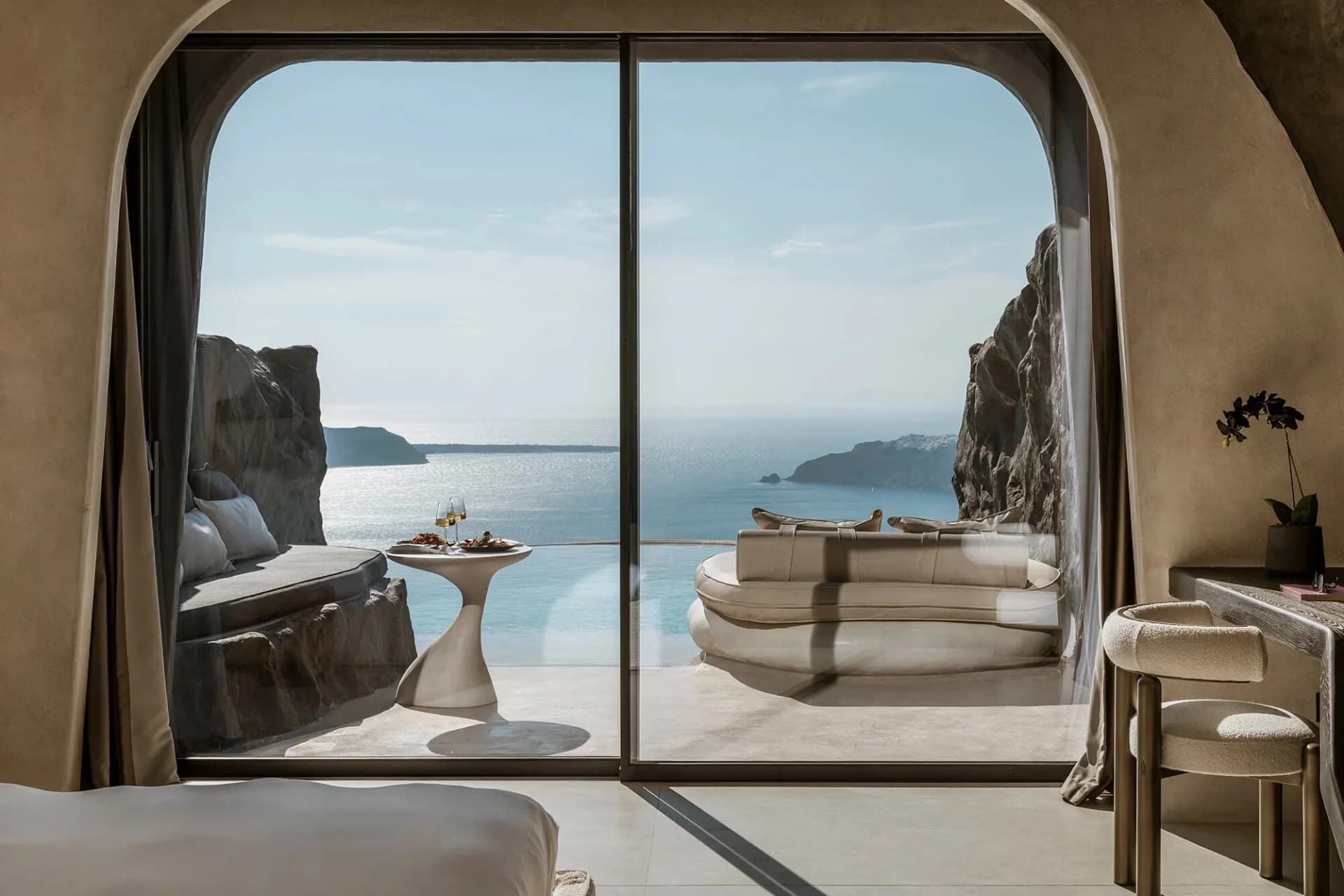
Sea view versus garden orientation is the second axis. Ischia's topography is steep in places, and a terrace positioned above a thermal garden can be as experientially rich as one facing open water. The two orientations attract different guests and produce different rhythms of occupation during the day.
Arrival logistics matter more on an island than on the mainland. Ischia is accessible by ferry and hydrofoil from Naples Mergellina, Pozzuoli, and the port of Naples. Journey times vary between 30 and 90 minutes depending on the service. Some properties offer private boat transfers. Understanding the port of arrival and its proximity to the chosen property is a practical step that meaningfully affects the first and last impressions of the stay.
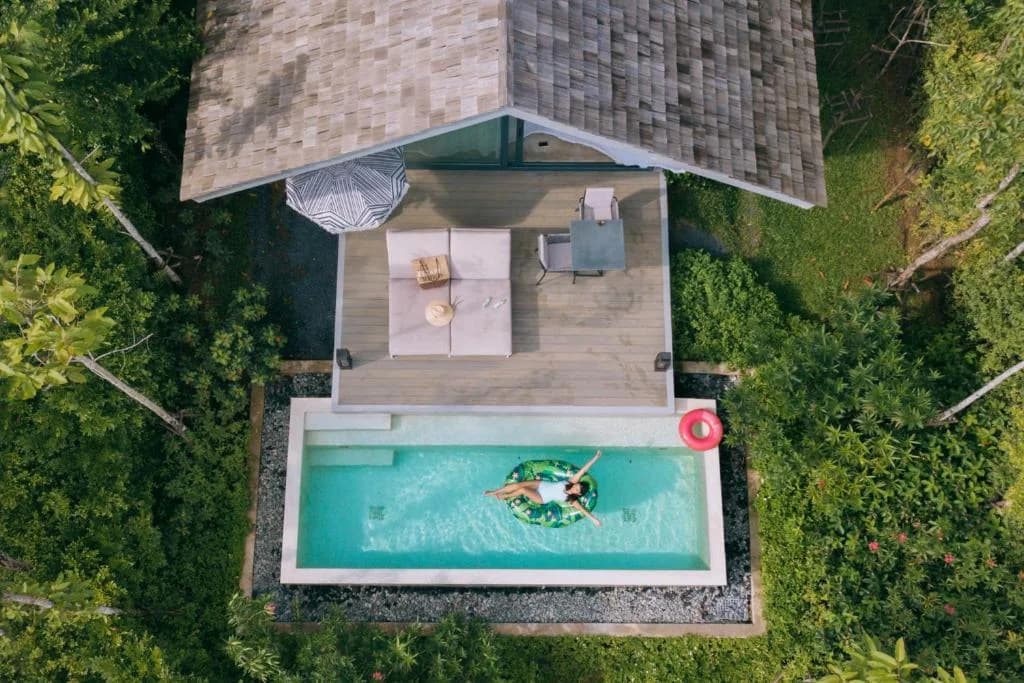
Finally, the villa or annex suite format merits attention. Several properties on Ischia offer freestanding villa suites within the hotel grounds, functioning as private residences with full hotel services. For guests travelling with family or seeking maximum separation from shared spaces, this format warrants prioritisation.
Why a curated selection by La Suite matters in Ischia
The island's suite landscape is not large by absolute count, but it is genuinely varied in standard, orientation, and character. The gap between a marketed five-star property and one that actually performs at the level its category implies can be significant, and the variables that determine real quality on Ischia (thermal source, terrace configuration, service staffing ratios, kitchen provenance) are not consistently surfaced by generalist platforms.
La Suite approaches Ischia as a specific editorial territory. The curated selection reflects properties where the physical suite, the thermal infrastructure, and the service culture align to produce a stay that earns its category. For a destination where geography, geology, and hospitality tradition intersect in an unusually concentrated way, that editorial discipline is not a luxury. It is the starting point.