Best areas to stay in the Veneto for a luxury suite experience
Venice and the lagoon
Venice remains one of the most spatially complex cities in the world. The absence of cars, the acoustic quality of its canals, and the density of its Gothic and Byzantine architecture create a completely singular environment. Luxury hotel suites here are often housed in former noble palazzi, with proportions and detailing that no contemporary construction can replicate. The lagoon islands, including Giudecca and the outer islands, offer an additional register: quieter, less trafficked, with a more contemplative character. Proximity to the Grand Canal or a private water entrance significantly affects the suite experience.
Verona and the western Veneto
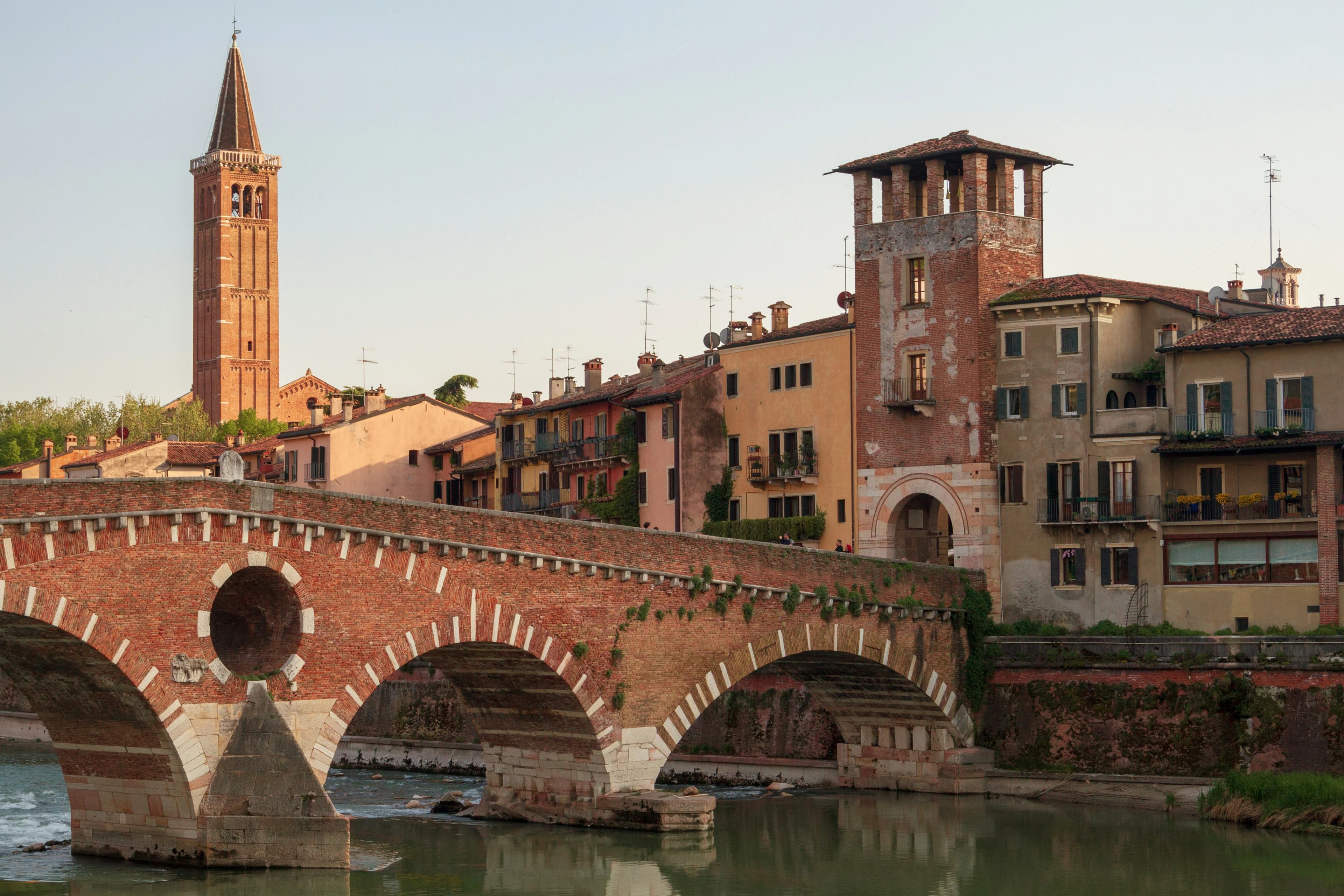
Verona operates on a human scale that Venice does not. Its Roman amphitheatre, medieval piazzas, and Romanesque churches make it one of Italy's most architecturally coherent cities. The luxury hotel market here is smaller and more selective, with historic properties concentrated in the centro storico. The surrounding countryside, particularly the shores of Lake Garda to the west and the Valpolicella wine region to the north, supports a range of rural estate hotels where the suite offering is defined by landscape rather than urban density.
The Prosecco Hills and Treviso province
The Conegliano Valdobbiadene wine corridor, a UNESCO World Heritage Site, offers a gentler version of Italian countryside luxury. Rolling vine-covered hills, small family-run estates, and a culture of refined rural hospitality make this area well-suited to guests who value discretion and gastronomic depth over spectacle. Suite properties here tend to be smaller and more intimate, often converted farmhouses or historic villas.
The Dolomites and mountain territories
The northern Veneto borders the Dolomites, a mountain range of extraordinary geological drama. The resorts of Cortina d'Ampezzo have long attracted an international clientele drawn to skiing in winter and trekking in summer. Luxury suites in this area are defined by altitude, panoramic exposure, and a specifically Alpine materiality: stone, wood, and glass configured to frame the peaks. The design language here is distinct from the rest of the Veneto.
When to visit the Veneto for a luxury stay
The Veneto rewards visits in every season, though the nature of the experience changes significantly across the calendar.
Spring (April to June) brings mild temperatures, lower hotel occupancy than summer, and the opening of many private gardens and estates. This is a particularly refined moment to visit the Palladian villas of the Vicenza foothills, which draw a knowledgeable international audience.
Summer is peak season across the region. Venice reaches its maximum tourist density in July and August, and suite availability at the most sought-after properties requires significant forward planning. The Dolomites, by contrast, offer cool temperatures and exceptional light in these months. The Verona Arena opera season, running from late June through early September, draws a culturally engaged international crowd and affects accommodation demand in the city.
Autumn (September to November) is widely considered the optimal season for the wine-producing territories. The vendemmia, or grape harvest, animates the Valpolicella, Soave, and Prosecco areas, and many estate properties offer immersive access to the harvest process. Venice in October and November, before the winter acqua alta season, is notably quieter and atmospherically distinctive.
Winter in Venice is a different proposition entirely. The city empties of mass tourism, the light becomes flat and cinematic, and the Carnival period in February returns a sense of theatrical spectacle. For guests seeking an unmediated experience of the city's spatial qualities, winter remains the most honest season.
Local luxury standards in the Veneto
Italy's official hotel classification system includes the designation of five-star grand hotel, but within the luxury segment, several more specific categories shape the suite experience in the Veneto.
In Venice, the highest-end properties frequently occupy historic buildings classified as architectural heritage. These are not generic luxury hotels: the suite dimensions, the ceiling heights, the fresco fragments, and the water-facing orientations are irreproducible assets. The category of historic palazzo hotel carries particular weight here, and the distinction between a canal-facing suite and a courtyard-facing one is material to the experience.
Outside Venice, the agriturismo and relais categories represent a different kind of prestige. Properties operating within the Relais and Chateaux network, for example, signal a commitment to gastronomic standards and architectural preservation that aligns with the region's cultural values. Wine estates with suite accommodation often offer access to private cellars, guided tastings, and relationships with the winemaking family that no city hotel can replicate.
In the Dolomites, the concept of the mountain refuge has been reinterpreted at the luxury end. Several properties now offer suites with design credentials and spa infrastructure while maintaining a genuine connection to altitude and alpine tradition.
How to choose the best luxury suite in the Veneto
Several practical considerations shape the suite selection process in this region.
In Venice, the method of arrival is significant. Properties accessible by private water taxi from the airport, with their own dock or water entrance, offer a materially different arrival experience. Floor level matters: upper-floor suites in palazzo hotels typically offer canal views and better light, but historic buildings rarely have lifts, and the physical layout can be a factor for some guests.
For rural or estate properties outside Venice, the relationship between the suite and the landscape is the primary criterion. A terrace facing the Valpolicella hills at dusk, or a balcony oriented toward the Dolomite peaks at dawn, defines the stay in ways that room size alone cannot. Access to private outdoor space, including gardens or estate grounds, is a meaningful differentiator in the Veneto's rural luxury segment.
Seasonal considerations also affect the choice of property type. Palazzo hotels in Venice are year-round operations. Many rural estates and mountain properties operate seasonally, closing between November and March or between summer and winter seasons. Confirming operational dates before planning a stay is a practical necessity.
Why a curated selection by La Suite matters in the Veneto
The Veneto's luxury hotel market is broad and, in certain areas, dense. Venice alone contains dozens of properties marketing themselves at the high end of the market, with significant variation in what the suite offering actually delivers. The gap between a historic palazzo suite with genuine architectural integrity and a renovated hotel using luxury terminology without the spatial or cultural substance to support it is real and consequential.
La Suite applies editorial criteria to this selection process. Properties are assessed on the quality and character of the suite itself, the architectural and cultural context of the building, the coherence of the service proposition, and the degree to which the stay offers something that cannot be replicated elsewhere. In a region as historically rich and visually complex as the Veneto, this level of discrimination is not a luxury. It is the prerequisite for a stay that genuinely reflects the territory.