Where to stay in Porto for a luxury suite experience
Ribeira and the historic waterfront
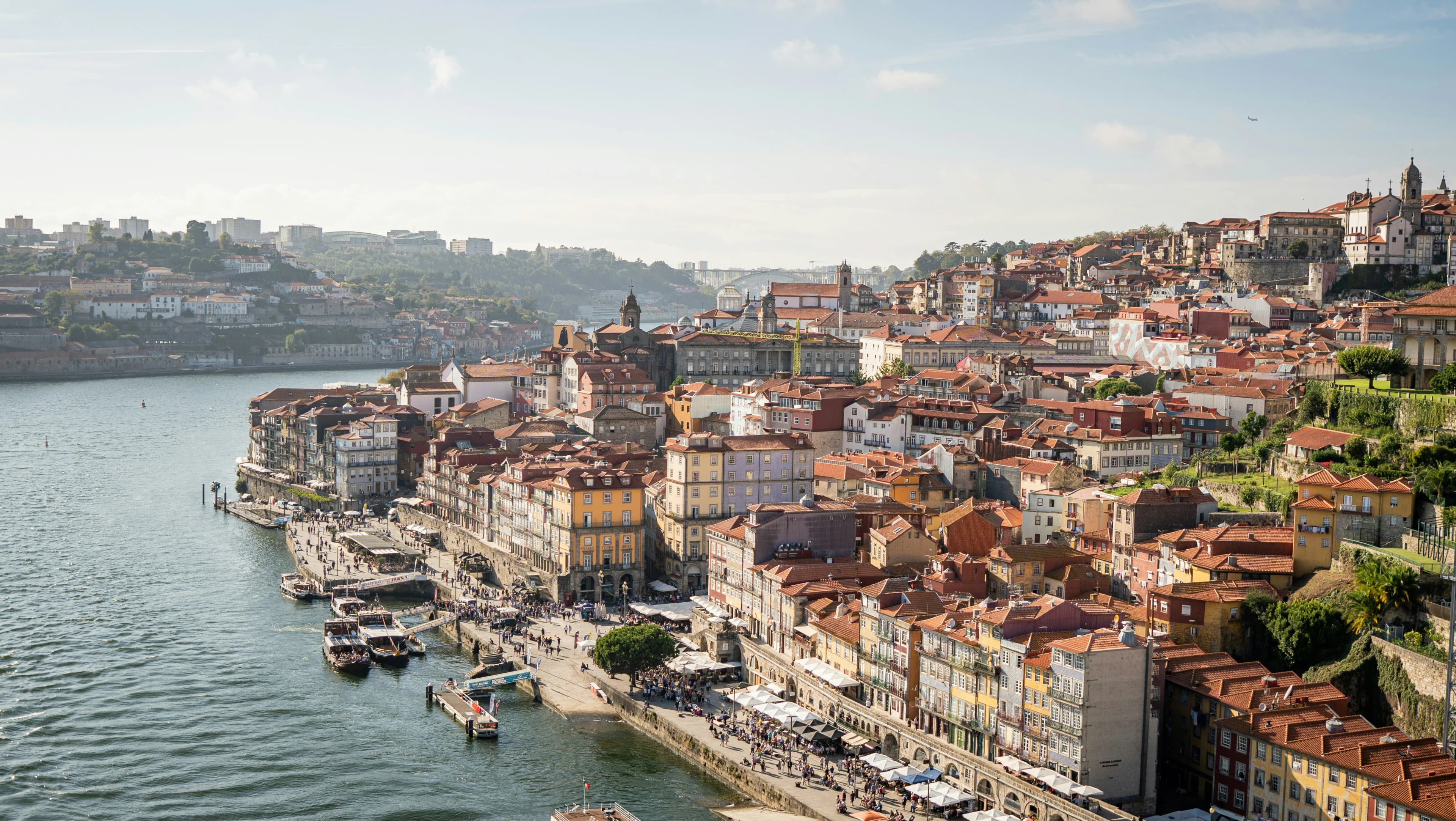
The Ribeira district sits directly along the Douro River and represents Porto's most recognisable urban face. Medieval townhouses stack against each other above the quayside, and the light here shifts dramatically between morning fog and evening gold. A luxury hotel suite positioned in or adjacent to this quarter delivers immediate immersion in the city's identity. Views across the river to Vila Nova de Gaia, where the major port wine lodges operate, are among the most architecturally coherent in Portugal.
Boavista and the western residential axis
Moving west along the Avenida da Boavista, the city opens into a more residential and institutionally significant zone. The Casa da Música, designed by Rem Koolhaas and completed in 2005, anchors this district culturally. Hotels in this corridor tend toward contemporary architecture and larger suite formats, appealing to travelers who prefer spatial distance from the denser historic centre while remaining within easy reach of it.
Foz do Douro and the Atlantic edge
Where the Douro meets the Atlantic Ocean, the Foz do Douro neighbourhood offers a quieter, more residential version of Porto. The seafront promenade, the nineteenth-century villas, and the proximity to beaches such as Praia de Matosinhos make this zone particularly suitable for extended stays. Luxury hotel suites in this area tend to emphasise natural light and coastal orientation rather than urban density.
When to visit Porto for a high-end stay
Porto's climate follows an Atlantic pattern: mild, occasionally wet, and rarely extreme. Each season carries distinct advantages for the discerning traveler.
Spring, from March through May, delivers the most balanced conditions. Temperatures remain moderate, the city's gardens and hillside terraces are at their greenest, and demand for luxury suites has not yet reached peak summer levels. This is the period that rewards those who plan ahead without operating on a rigid itinerary.
Summer, from June through August, concentrates visitor numbers significantly. The Festa de São João on 23 June is one of the most atmospheric street celebrations in southern Europe, and experiencing it from a well-positioned suite with access to the city below gives the event a very different quality than street-level participation alone. Suite availability at the highest tier becomes constrained from July onwards, and advance reservation is non-negotiable.
Autumn brings the Douro Valley harvest season, which begins in September and runs through October. This is arguably the most culturally specific period to visit Porto, as the city functions as the commercial and logistical heart of the port wine trade. October and November offer cooler temperatures, fewer visitors, and a city operating at its own rhythm rather than performing for an audience.
Winter is quiet and occasionally wet, but Porto at this time has an unfiltered quality that appeals to travelers who seek the city rather than its image.
Understanding luxury hospitality standards in Porto
Portugal operates a national hotel classification system regulated by Turismo de Portugal, with five stars representing the highest official category. Within that tier, a small number of properties have sought classification under the Portuguese equivalent of distinction labels, though Portugal does not operate the French Palace designation system.
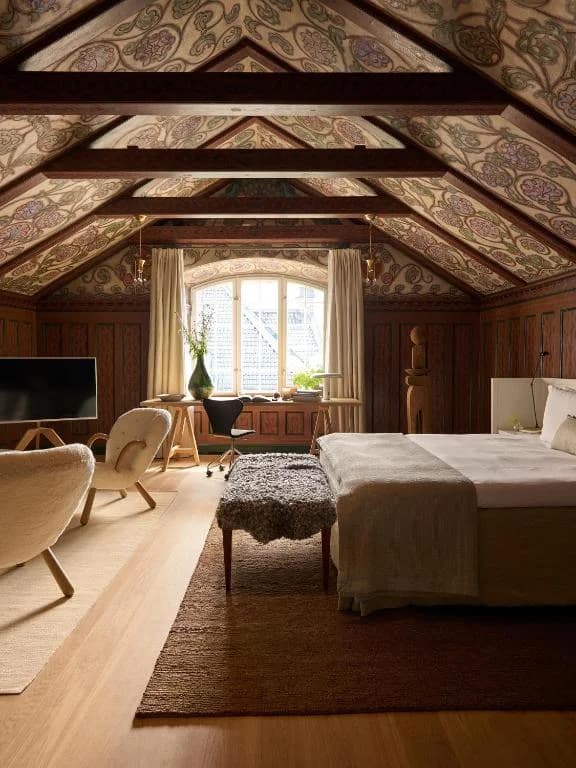
What Porto's finest hotels offer at suite level is a particular combination of heritage architecture and contemporary interior design. The city's most significant luxury hotel conversions have taken place within nineteenth-century palaces, former banking institutions, and merchant residences. The structural bones of these buildings, thick stone walls, high ceilings, ornamental tilework, create suite environments that contemporary new-build hotels elsewhere cannot replicate.
Service expectations at the top tier in Porto align broadly with international luxury hotel standards, though the local hospitality culture carries a characteristic directness and warmth that differs from the more formal register found in Lisbon. Staff in Porto's best hotels tend to be highly attuned to independent travelers and those with specific cultural or culinary interests, reflecting the city's increasingly sophisticated position within the European luxury travel circuit.
How to choose the best luxury suite in Porto
The decision process for a luxury suite in Porto involves several considerations that are specific to the city's urban structure and building stock.
First, the question of heritage versus contemporary architecture. Porto's most distinctive suite experiences are found within converted historic buildings, where the physical fabric of the space carries genuine historical weight. However, contemporary properties offer more predictable acoustic performance and climate control, which matters in a city where the street-level soundscape of the historic centre can be intense on festival evenings.
Second, the relationship between suite orientation and the urban landscape. A Douro-facing suite in the Ribeira quarter delivers one of the most considered views available in any Portuguese city. A suite oriented toward the Atlantic in Foz do Douro offers a fundamentally different spatial and sensory experience. Neither is superior in absolute terms; the choice depends entirely on the traveler's priorities.
Third, the practical matter of mobility. Porto is a hilly city. The distance between a suite and the sites, restaurants, and cellars a traveler intends to visit is better measured in vertical metres than horizontal ones. Understanding the topography before choosing a property saves significant friction.
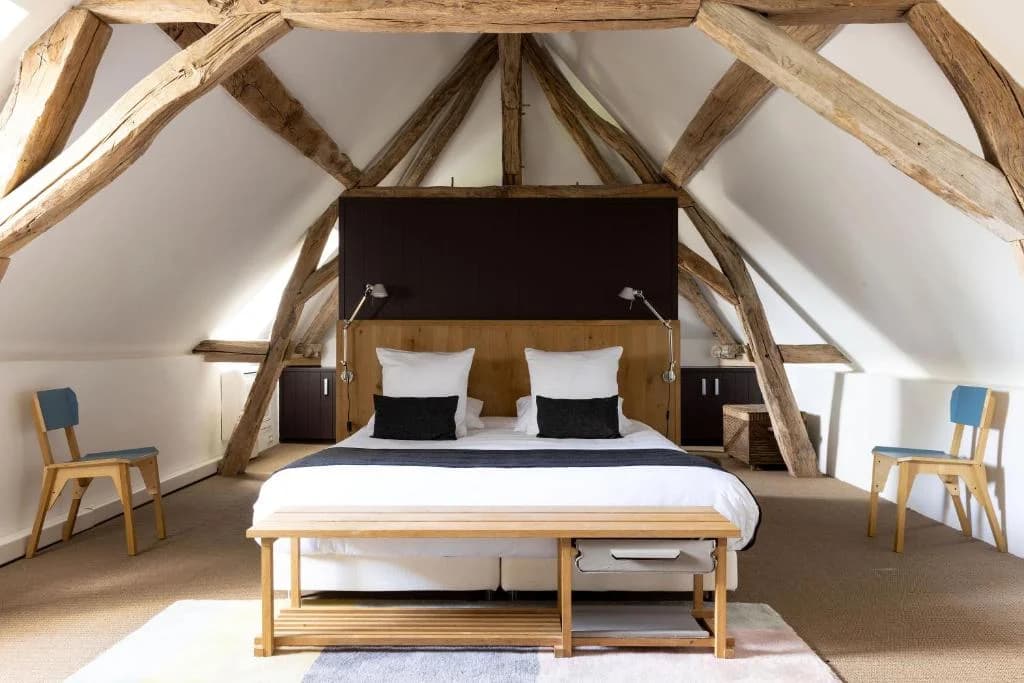
Finally, suite size and configuration in Porto's historic properties can be less standardised than in purpose-built luxury hotels. Rooms within converted palaces may feature unusual layouts, lower secondary ceilings in bathrooms, or windows positioned for their architectural rather than experiential logic. Reviewing specific suite details rather than relying solely on category names is advisable.
Why curation matters in Porto
Porto's luxury hotel market is relatively concentrated compared to Lisbon or Madrid, but the quality differential between properties within the five-star category is significant. Two hotels carrying identical official classifications can deliver experiences that diverge substantially in suite quality, service calibration, and overall positioning.
La Suite curates only the properties where the suite experience justifies the investment, and where the architecture, service, and spatial quality align with the expectations of a traveler for whom the accommodation is not a logistical necessity but a considered component of the trip. With two properties currently listed for Porto, the selection reflects precision rather than volume. Each listed property has been assessed against criteria that go beyond star ratings or amenity checklists. The curated selection by La Suite removes the friction of comparison and delivers clarity at the point of decision.