
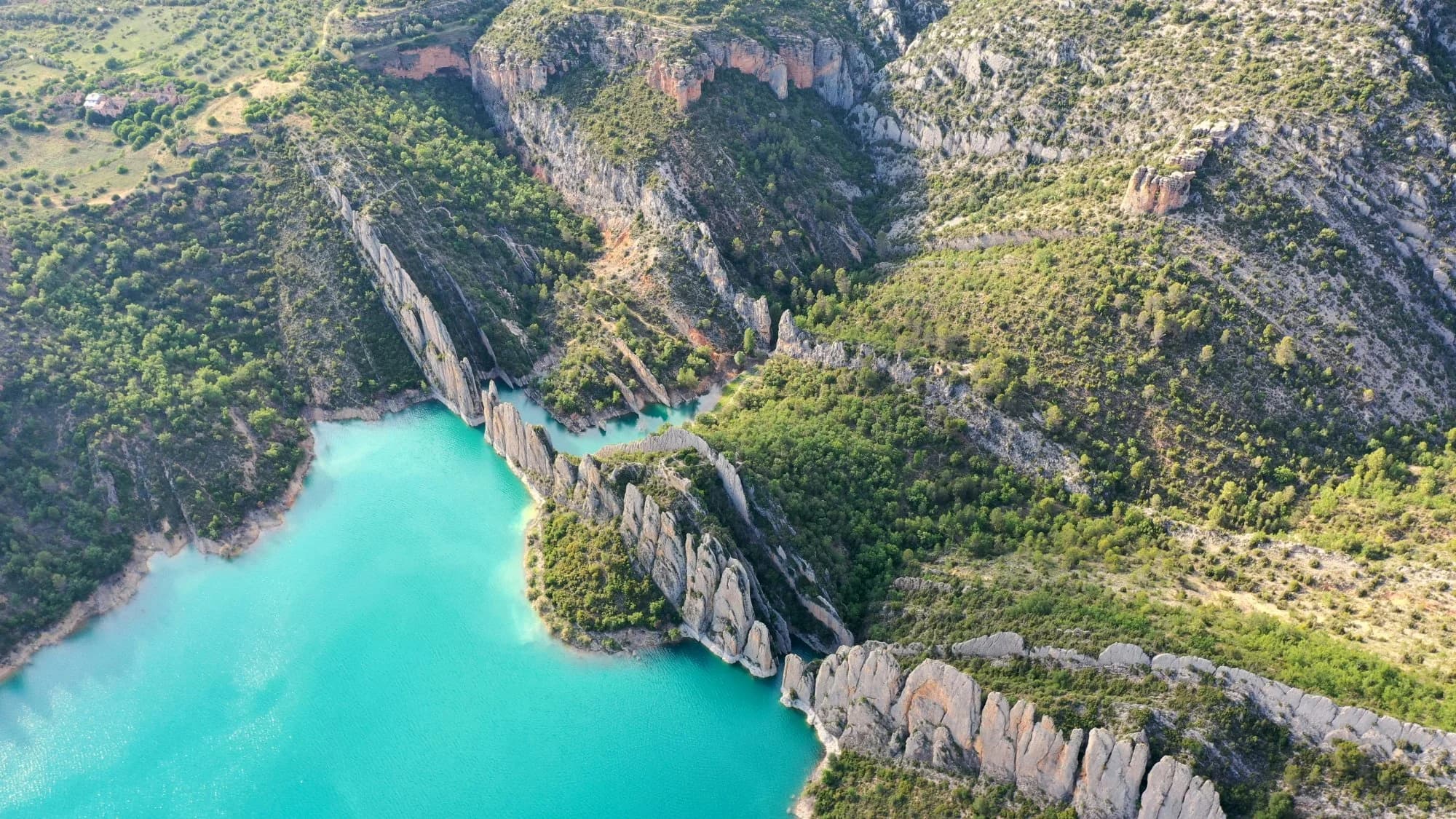


Canfranc Estación, a Royal Hideaway Hotel - Gran Lujo, Canfranc
Elegant Accommodations Canfranc Estación, a Royal Hideaway Hotel - Gran Lujo in Canfranc-Estación offers a 5-star experience with a fitness center, restaurant, bar, and free WiFi. Guests enjoy mountai

Junior Suite
31 m²
The air-conditioned suite has 1 bedroom and 1 bathroom with a bath or a shower and a hairdryer. The suite offers a flat-screen TV, a minibar, a tea and coffee maker, a wardrobe as well as mountain vie
Junior Suite
31 m²
This suite comes with 1 living room, 1 separate bedroom and 1 bathroom with a bath or a shower and free toiletries. The air-conditioned suite features a flat-screen TV, a minibar, a tea and coffee mak
Suite
35 m²
This suite comprises 1 living room, 1 separate bedroom and 1 bathroom with a bath or a shower and free toiletries. The air-conditioned suite provides a flat-screen TV, a minibar, a tea and coffee make
Junior Suite
31 m²
This suite comprises 1 living room, 1 separate bedroom and 1 bathroom with a bath or a shower and free toiletries. The air-conditioned suite provides a flat-screen TV, a minibar, a tea and coffee make
Duplex Suite
57 m²
Providing free toiletries and bathrobes, this twin room includes a private bathroom with a bath or a shower, a hairdryer and slippers. The spacious air-conditioned twin room provides a flat-screen TV,
Deluxe Family Room
58 m²
Offering free toiletries and bathrobes, this family room includes a private bathroom with a bath or a shower, a hairdryer and slippers. The spacious air-conditioned family room offers a flat-screen TV
Suite
35 m²
This suite features 1 living room, 1 separate bedroom and 1 bathroom with a bath or a shower and free toiletries. The air-conditioned suite features a flat-screen TV, a minibar, a tea and coffee maker
Suite
35 m²
This suite comes with 1 living room, 1 separate bedroom and 1 bathroom with a bath or a shower and free toiletries. The air-conditioned suite features a flat-screen TV, a minibar, a tea and coffee mak


