Where to stay in Asturias for a luxury suite experience
The Cantabrian coast
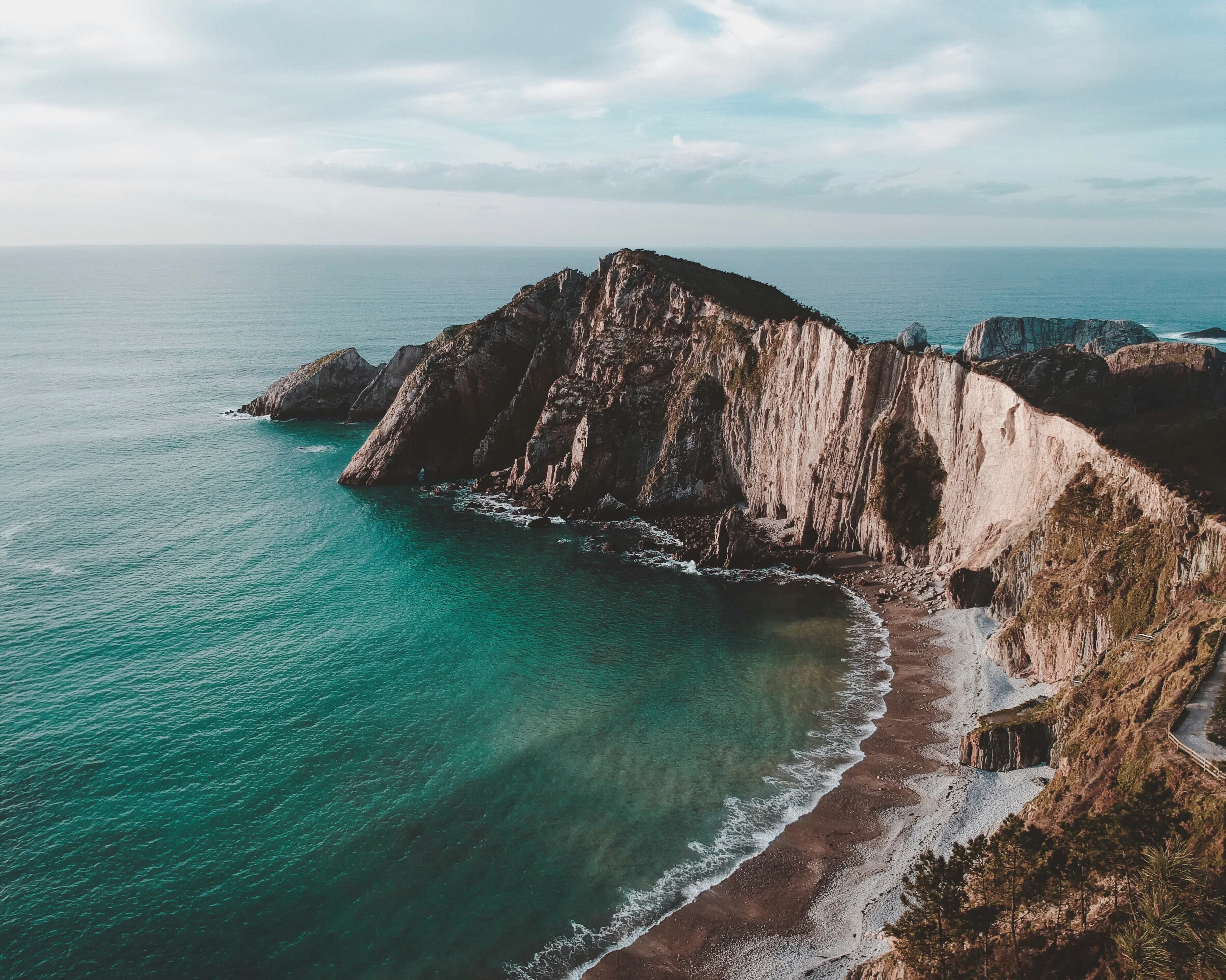
From Llanes in the east to Cudillero in the west, the Asturian coastline is defined by cliffs, estuaries, and small harbor towns that have retained their fishing economies. Properties along this stretch tend to occupy converted manor houses or pazo-style estates, with rooms oriented toward sea or garden. The light here is Atlantic: diffuse, cool, and particularly precise in the morning hours. Suite travelers who prioritize direct access to natural landscapes, without the mediation of resort infrastructure, will find this corridor consistently rewarding.
The Picos de Europa and inland valleys
The Picos de Europa massif, shared with Cantabria and Castile and Leon, forms the dramatic inland boundary of the region. Boutique properties in villages such as Cangas de Onis or along the Sella and Cares river valleys offer a fundamentally different proposition: altitude, silence, and proximity to one of Spain's most demanding national parks. Luxury here is measured in fireplaces, local stone, and the density of the surrounding landscape rather than in square footage or amenity lists.
Oviedo and the cultural corridor
The regional capital, Oviedo, carries an unusual concentration of pre-Romanesque architecture, a UNESCO-designated legacy that distinguishes Asturias within the Iberian Peninsula. Properties in or near the city offer a more urbane base for travelers interested in museums, cider culture, and the well-regarded local gastronomy. Suite options here tend toward classical European hotel formats, with proximity to both the historic center and the newer gastronomic districts.
When to visit Asturias
Asturias operates on a different seasonal calendar than Mediterranean Spain. The region receives rain year-round from the Cantabrian weather systems, which is precisely what maintains the intensity of its green landscapes. This is a useful corrective for travelers arriving with expectations calibrated to Andalusia or the Balearics.
Late spring, specifically May and June, offers a reliable combination of mild temperatures, reduced visitor pressure, and landscapes at their most saturated in color. Summer, from July through August, brings higher occupancy across coastal properties, as urban Spaniards from Madrid and beyond use the north coast as a thermal counterpoint to the interior heat. September is widely considered the optimal month: the sea remains warm enough for swimming, the crowds have thinned, and the light has taken on the quality that serious photographers associate with northern Iberia at the turn of seasons.
Winter in Asturias is genuinely cold and wet, but the region maintains cultural and gastronomic life through the quieter months. The apple orchards that supply the local cider industry are harvested in autumn, and a number of properties offer curated experiences around this cycle. The Fiesta de la Sidra Natural in Gijon, held in August, provides a specific cultural anchor for summer visits.
Understanding luxury standards in Asturias
Spain's national hotel classification does not carry a specific prestige designation equivalent to France's Palace label, but Asturias has developed its own markers of exceptional quality that the informed traveler should understand.
The most architecturally significant luxury properties in the region are often converted casona asturiana, the traditional large stone manor houses that served as rural seats for Asturian families enriched by trade with the Americas. These buildings carry a material authenticity, exposed granite, chestnut beams, interior galleries, that cannot be replicated in purpose-built hotels. A well-curated suite within a restored casona offers a spatial experience that is specific to this territory.
Asturias also holds a serious culinary reputation within Spain. The region produces some of the country's most respected cheeses, including Cabrales, aged in natural mountain caves, and Gamoneu. The local seafood economy is built on percebes (goose barnacles), sea urchins, clams, and the prized bonito del norte caught offshore in summer. Top-tier properties in Asturias increasingly orient their suite offerings around access to this food culture, whether through in-house kitchens with genuine gastronomic ambition or curated connections to local producers and markets.
How to choose the best suite in Asturias
The primary variable in selecting a luxury suite in Asturias is the relationship between the property and its landscape. Unlike destinations where the hotel itself is the primary draw, in Asturias the setting is frequently more significant than the building. Travelers should interrogate orientation carefully: sea-facing rooms on the coast, and valley or mountain views in the interior, are not interchangeable choices.
Architectural authenticity is a second material consideration. The most compelling suites in the region are those where the historic fabric of the building has been preserved and integrated into the guest experience, rather than concealed behind contemporary refits. This requires a level of editorial judgment that standard booking platforms are not well equipped to provide.
A third consideration is access. Many of the most interesting properties in Asturias sit outside major towns, along minor roads or at the end of rural tracks. This isolation is part of their value proposition, but it requires travelers to arrive with a clear plan for transport and for engaging with the local territory. Properties that position themselves as full-experience destinations, with curated access to hiking routes, fishing, or gastronomic itineraries, represent a different value calculus than those that offer rooms alone.
Finally, travelers should assess what the suite actually provides in terms of private outdoor space. Terraces, enclosed gardens, or direct access to grounds are significant differentiators in a region where the exterior environment is this compelling.
Why curation matters in Asturias
The Asturian hotel market is fragmented. Alongside genuinely exceptional properties, there is a substantial volume of rural tourism accommodation that markets itself under the same vocabulary of authenticity and landscape immersion. The gap between the two categories is significant, and not always legible from standard room photography or generic review aggregators.
The curated selection by La Suite applies the editorial criteria that matter to a specific traveler profile: spatial quality of the suite itself, architectural and historical integrity of the property, caliber of the culinary offering, and the rigor of the service standard. In a region where the landscape does much of the atmospheric work, it is easy to overestimate the quality of the accommodation. Curation corrects for this by ensuring that the suite matches the ambition of the destination.