Where to stay in the Community of Madrid: districts and landscapes that shape the suite experience
To the northwest, the Sierra de Guadarrama offers a counterpoint: granite peaks, pine forests, and royal retreats such as El Escorial and La Granja de San Ildefonso nearby. Travelers seeking altitude, silence, and mountain air without sacrificing comfort will find that the sierra corridor rewards those willing to look beyond the capital's ring road. Properties here tend toward the intimate and the architecturally rooted, often occupying converted rural estates or historic posadas.
The Aranjuez area, to the south, offers a different register entirely. A UNESCO World Heritage Site, it is defined by its royal palace, formal gardens, and the confluence of the Tagus and Jarama rivers. The pace is slower, the landscape more horizontal, and the proximity to the capital (approximately forty minutes by train) makes it a credible base for travelers who prioritize calm over centrality.
When to visit the Community of Madrid for a luxury suite stay
The region has a continental climate with sharp seasonal contrasts. Summers are hot and dry, with temperatures regularly exceeding 35 degrees Celsius in July and August. This period concentrates domestic tourism and corporate retreats, which can affect suite availability at leading properties. Spring (April to June) and autumn (September to November) represent the most calibrated windows for a suite-focused visit: temperatures are moderate, cultural institutions are in full operation, and the city's social calendar is active without the distortions of peak summer.
ARCO Madrid, the international contemporary art fair, takes place in February and draws a significant contingent of collectors, gallerists, and cultural institutions. This period sees strong demand for suites at properties close to Ifema and in the Salamanca and Recoletos districts. The San Isidro festivities in May animate the city with a different, more folkloric energy. For travelers interested in opera and classical music, the season at the Teatro Real runs from September through July, and proximity to the Ópera district becomes a genuine selection criterion for suite placement.
Local luxury standards: what defines a prestige suite in this region
Spain does not operate the same formal state classification for its most prestigious hotels as France does with its Palace designation, though the concept of Gran Lujo (grand luxury) is used informally across the industry. In the Community of Madrid, the highest-tier properties tend to be assessed by international benchmarks: membership in Leading Hotels of the World, Forbes Travel Guide ratings, and the Michelin Guide's hotel selection, which has progressively expanded its Spanish coverage.
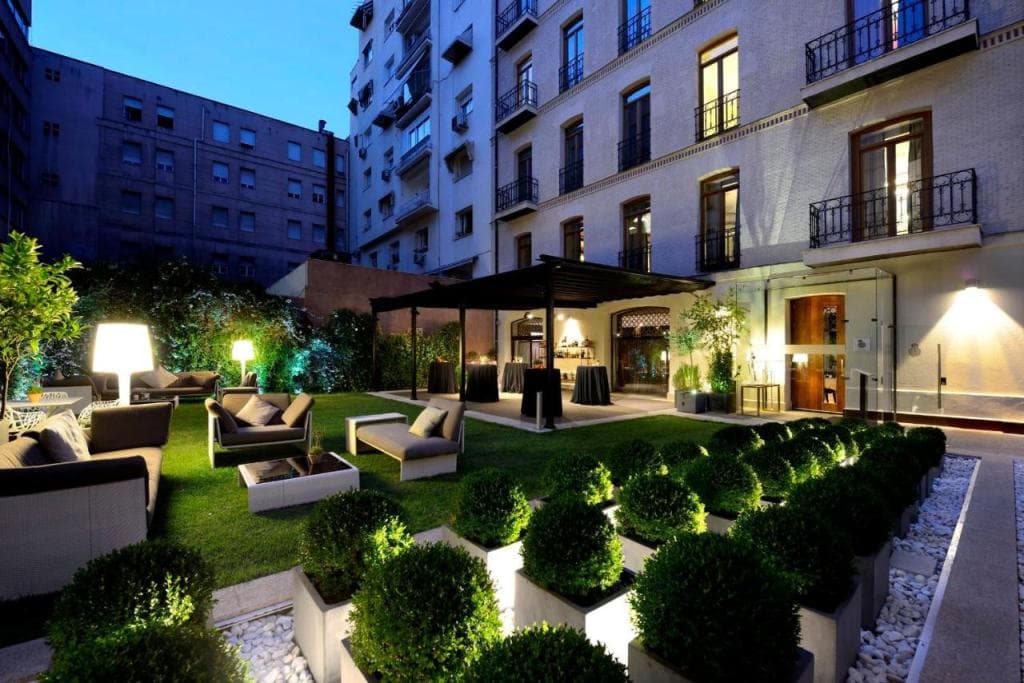
What distinguishes a top-tier suite in this region is often a combination of architectural provenance and spatial generosity. Many of the most respected properties occupy buildings with genuine historical significance: former banking headquarters, aristocratic townhouses, or early-twentieth-century landmarks. The interior approach in Madrid's finest suites has shifted in the past decade toward restraint and material quality. Marble sourced from Spanish quarries, textiles from traditional Castilian artisans, and furniture commissions from established Spanish designers are increasingly common signatures. International luxury chains operate flagship properties here, but the properties with the clearest identity tend to be those that engage directly with local craft and architectural heritage.
In the sierra towns, the relevant typology is closer to the casa rural de lujo or the boutique hotel occupying a historic finca. These properties offer a different suite format: less square footage in some cases, but a directness of landscape connection that urban properties cannot replicate. Fireplaces, stone walls, and views of the Guadarrama range are the defining sensory coordinates.
How to choose the right luxury suite in the Community of Madrid
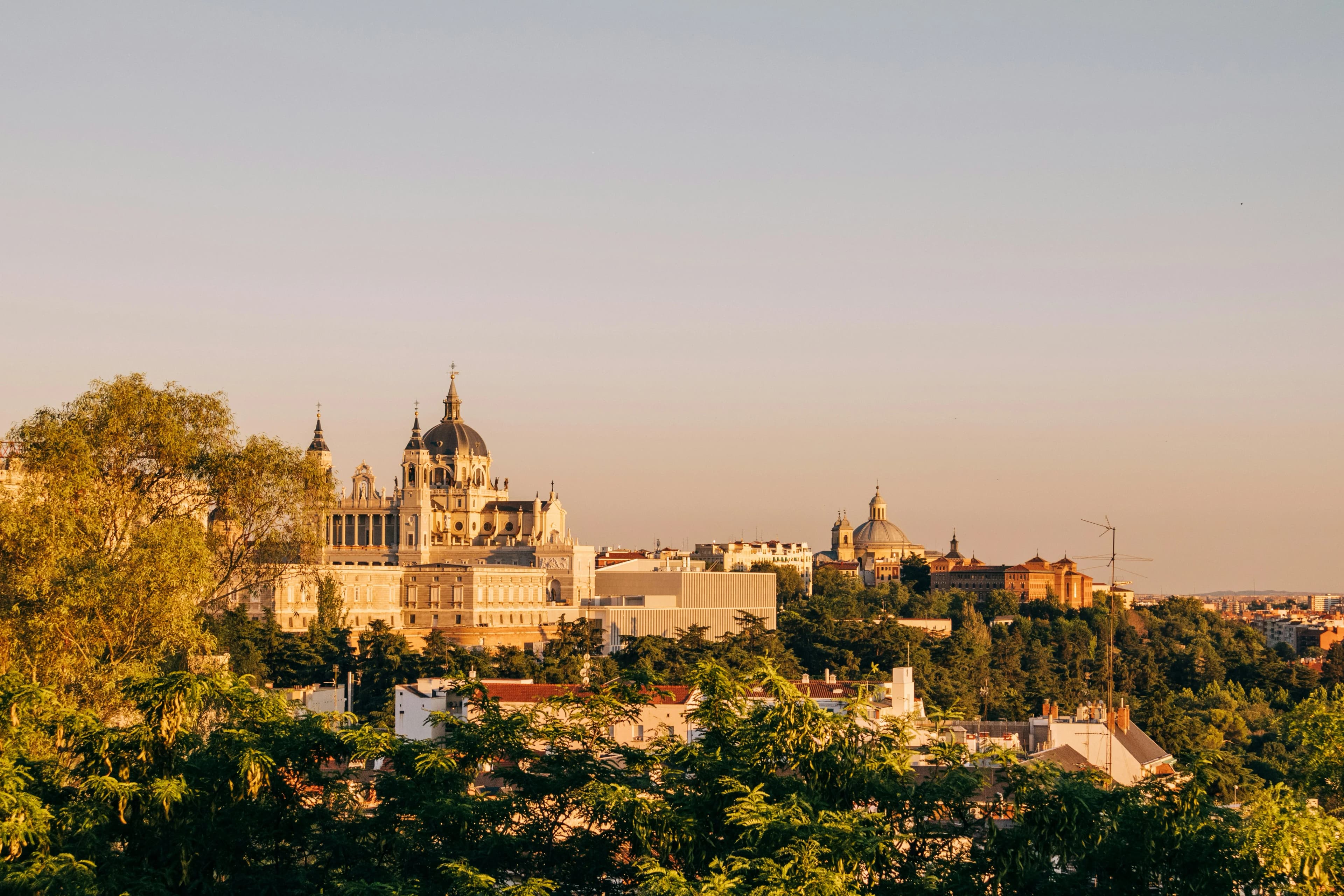
The first decision is territorial: the capital itself or the surrounding region. For first-time visitors with a cultural agenda, proximity to the Paseo del Prado axis (the Prado, the Reina Sofia, the Thyssen-Bornemisza) is a logical priority. Suites in the Jerónimos, Recoletos, and Retiro adjacencies place guests within walking distance of this concentration of institutions, which is a meaningful consideration for those who prefer not to organize their mornings around transport logistics.
For repeat visitors or those traveling primarily for gastronomy, the Salamanca district offers a different suite profile. This is the neighborhood of established Spanish fashion houses, high-end restaurants, and a residential density that keeps the streets functional and relatively calm. Suites here tend to be in newer constructions or thoroughly renovated buildings, with a contemporary finish that contrasts with the period interiors found closer to the historic center.
Travelers arriving with children or with a preference for outdoor access may find that the sierra properties, or even the Aranjuez corridor, offer a more appropriate suite format. Space configurations in these properties often include separate living areas, terraces, and garden access that are difficult to replicate in a dense urban context. The decision should be made in relation to the actual program of the visit rather than proximity to a single landmark.
Practical considerations include the duration of the stay and the balance between suite size and location. A three-night stay with a dense cultural agenda favors a centrally located property where the suite is primarily a sanctuary for sleep and restoration. A longer stay, or one with a slower itinerary, justifies the additional space and autonomy that a larger suite or a private villa suite can provide.
Why a curated selection by La Suite matters in this destination
The Community of Madrid has a substantial hotel market, and the disparity in quality between properties marketing themselves as luxury and those that genuinely deliver at that level is significant. Surface indicators like star ratings and price points do not reliably distinguish between them. The relevant variables are more granular: suite ceiling height, quality of acoustic insulation, consistency of service staffing, the provenance of the bed linen, and the intelligence of the in-room design.
La Suite applies a consistent editorial standard to every property in its selection, prioritizing materiality, spatial integrity, and service calibration. For a destination as commercially dense as Madrid, this curation is not a convenience. It is the mechanism by which a traveler with precise expectations avoids spending three nights in a property that uses the language of luxury without the substance. The curated selection by La Suite for the Community of Madrid reflects properties where the suite itself is the experience, not merely the room where the experience ends.