Where to stay in Gran Canaria: distinct zones for suite travelers
The south: Maspalomas and the resort corridor
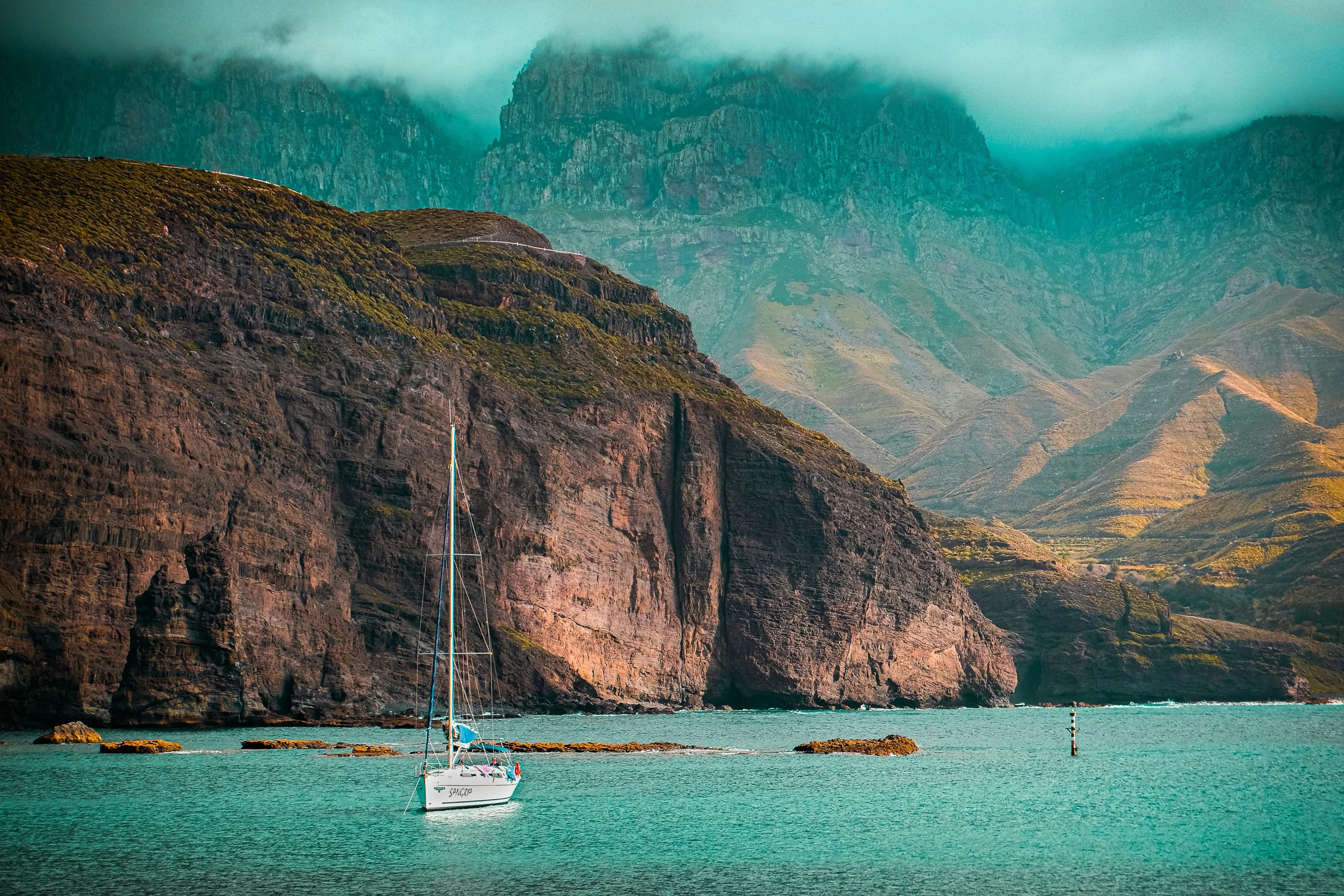
The southern coast, anchored by Maspalomas and Playa del Inglés, concentrates the island's largest resort infrastructure. Properties here are positioned to maximise proximity to the dune reserve, a protected natural space of some 400 hectares that creates an unlikely desert-to-ocean transition. Suite travelers in this zone can expect Atlantic-facing terraces, direct beach access, and the full range of contemporary resort amenities. The micro-climate in the south is notably drier and sunnier than the north, making it the dominant choice for extended winter stays.
Las Palmas and the north: urban texture and cultural density
Las Palmas de Gran Canaria, the island's capital, offers a different kind of stay altogether. The Vegueta quarter, a UNESCO-listed historic district, provides architectural context that the resort south cannot replicate. Hotels positioned in or near the capital draw travelers interested in the island's Canarian Gothic heritage, its contemporary art spaces, and its working port culture. The north is greener, cooler, and more locally textured. Suite accommodations here tend toward the boutique scale, with a preference for restored colonial or modernist buildings rather than purpose-built resort blocks.
The interior: altitude and silence
The island's central massif, reaching roughly 1,950 metres at Pico de las Nieves, supports a category of rural retreat that remains largely undiscovered by international luxury travelers. Small-scale properties in villages such as Tejeda or Artenara offer access to a landscape of ravines, almond groves, and granite formations. For suite travelers seeking altitude, silence, and genuine separation from coastal tourism, the interior represents the island's most distinctive proposition.
When to visit Gran Canaria for a luxury suite stay
Gran Canaria benefits from one of the most consistent climates in Europe, with average temperatures ranging between 17°C and 25°C year-round. This consistency makes the island a legitimate off-peak alternative to Mediterranean destinations from November through March, when northern Europeans arrive in significant numbers seeking reliable warmth.
The shoulder months of April, May, October, and early November offer the best balance of mild temperatures, reduced occupancy, and suite availability. July and August bring elevated domestic tourism from mainland Spain and the Canary Islands themselves, creating pressure on inventory at the better properties. Travelers with flexibility are advised to avoid these peak summer weeks if suite selection matters to them.
Culturally, the Gran Canaria Carnival, held in February, is one of the largest carnivals in the world by participation, rivalling events in Rio de Janeiro and Tenerife. It transforms Las Palmas for approximately two weeks and draws international visitors, which affects accommodation pricing and availability in the capital significantly.
Understanding luxury hotel standards in Gran Canaria
Spain does not operate a formal prestige classification equivalent to France's Palace designation. The country uses an official hotel star system administered at the regional level, which means that a five-star property in the Canary Islands is assessed by Canarian regional criteria rather than a national luxury benchmark. This makes independent editorial curation more valuable here than in destinations where institutional classifications provide reliable guidance.
In practical terms, the island's top-tier properties fall into two categories. The first is the large-format, five-star resort, typically offering a wide suite range from junior configurations to multi-room presidential formats, full spa infrastructure, multiple dining concepts, and private beach access. The second is the smaller, design-led boutique hotel, often housed in a restored Canarian house or colonial building, offering fewer but more considered suite spaces with a stronger sense of local character.
Suite travelers should pay particular attention to terrace orientation and size in Gran Canaria. Given the island's outdoor living culture and near-permanent warmth, an outdoor space attached to a suite is not decorative but functional: it becomes the primary living area for much of the stay. Properties that treat the terrace as an extension of the interior, with proper furniture, shade structures, and privacy screening, represent a meaningfully higher standard than those where it is an afterthought.
How to choose the right luxury suite in Gran Canaria
Several practical considerations separate a well-chosen suite from an expensive disappointment in this specific destination.
Coastal versus interior position
The decision between a coastal property and an interior one is not simply a matter of scenery preference. Coastal suites in the south offer consistent sun exposure, immediate beach access, and a resort service model. Interior properties provide altitude-cooled temperatures, access to hiking and cycling routes through the island's ravine network, and a quieter, more self-directed rhythm. Neither is superior in the abstract; the right answer depends entirely on how the traveler intends to use the island.
Historical architecture versus contemporary design
Gran Canaria's colonial-era buildings, particularly the traditional Canarian houses with their interior courtyards and carved wooden balconies, offer a spatial and aesthetic quality that contemporary resort construction rarely replicates. Travelers with an architectural interest should prioritise properties that have preserved or restored these structural elements rather than new-build alternatives, which tend toward the internationally generic.
Service model and privacy
Large resort properties in the south offer comprehensive service infrastructure: butlers, concierge teams, room service at scale, and the full complement of leisure facilities. Boutique properties in Las Palmas or the interior operate with smaller teams and a more personal, less structured service model. The choice between these two approaches should be made deliberately rather than by default. For travelers who value discretion and a low staff-to-guest visibility ratio, the boutique model often performs better.
The value of a curated selection by La Suite
Gran Canaria's hotel market is large and unevenly distributed in quality. The island receives millions of visitors annually, and the sheer volume of accommodation options, spanning all-inclusive resort complexes, apartment hotels, and independent boutique properties, makes navigation difficult without specialist knowledge. Marketing language across the sector is largely undifferentiated, with most properties using identical visual and verbal registers regardless of actual quality.
La Suite applies consistent editorial criteria across every property it lists: spatial quality, suite-specific amenities, privacy standards, design coherence, and service calibration. The result is a selection that removes the noise inherent in platform-based searches and allows the traveler to compare genuinely comparable properties rather than sifting through volume. For a destination like Gran Canaria, where the gap between the best and the merely adequate is significant, this curation function has direct practical value.