Where to stay in La Rioja for a luxury suite experience
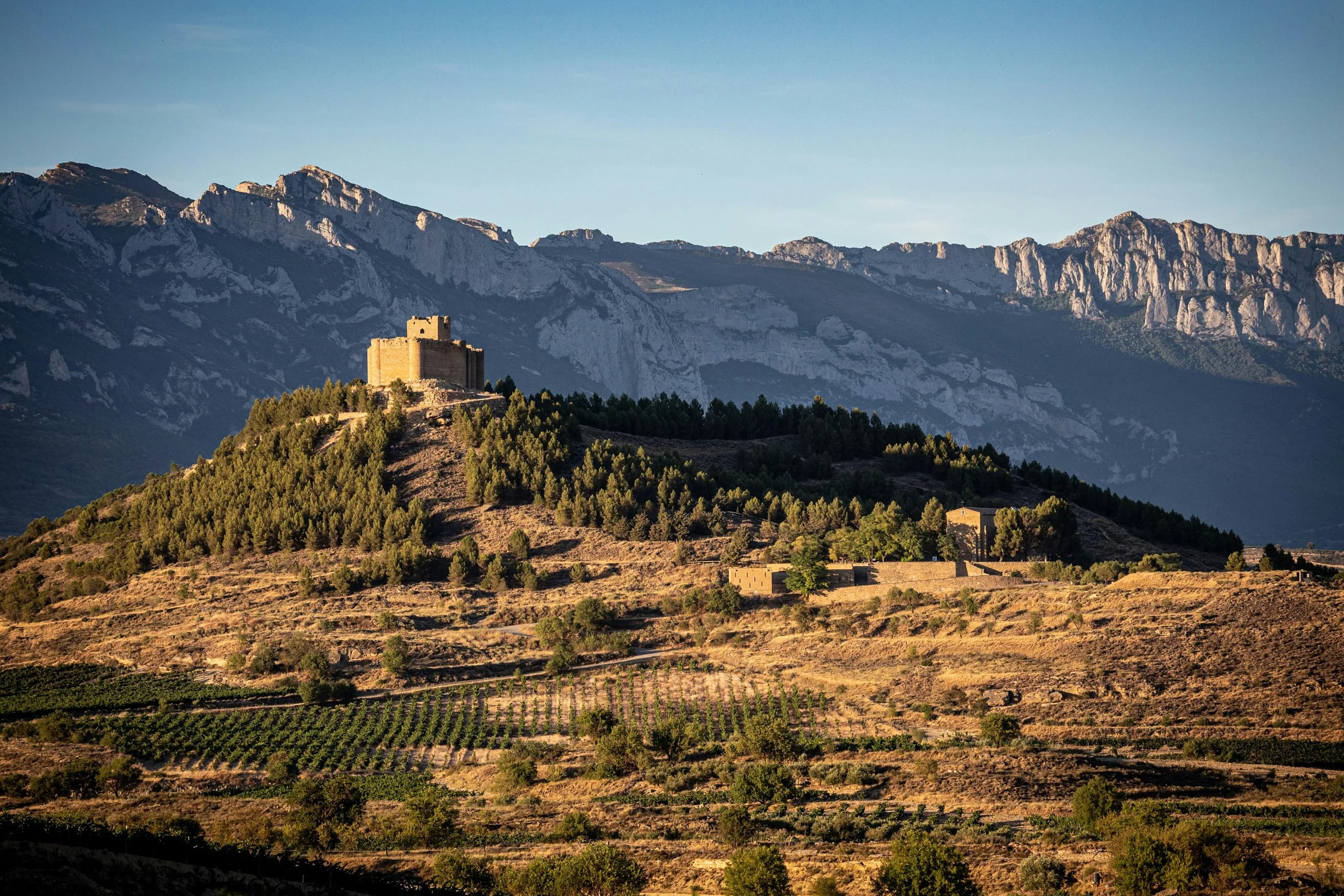
To the west, the Rioja Alta subzone around Haro and Briones carries the densest concentration of prestigious bodegas. This area rewards travelers who intend to spend serious time among barrels and blending rooms, and properties here are often integrated into working wine estates. A suite on a functioning bodega estate offers a fundamentally different sensory register: the smell of oak, proximity to vineyards at dawn, and a schedule shaped by harvests rather than tourist itineraries.
The Rioja Alavesa, technically within the Basque Country but sharing the Qualified Designation of Origin, adds an architectural dimension. Frank Gehry's Marques de Riscal hotel and Zaha Hadid's Bodegas Lopez de Heredia visitor center brought serious architectural credibility to this corridor. Suites in this area often deliver the rare combination of contemporary design intelligence and ancient terroir.
When to visit La Rioja for the best suite availability and experience
La Rioja has a continental climate moderated slightly by Atlantic influences. Summers are warm and dry, winters are cold and sometimes severe, and spring and autumn offer the most balanced conditions for travel.
September is the most consequential month in the region. The grape harvest, known locally as the vendimia, transforms the atmosphere entirely. Bodegas open their doors for guided harvests, local festivals animate Logrono and Haro, and the landscape shifts in color and activity. Suite availability during harvest season tightens considerably, and rates reflect the demand. Travelers planning a September visit should secure accommodation well in advance.
June and October represent the most comfortable windows for those who want the quality of the harvest season without its crowds. The Battle of Wine festival in Haro, held in late June, is one of the more singular cultural events in northern Spain, and it attracts a knowing international audience. Late October into November sees the vineyards turn amber and gold, creating conditions that suit slower, more contemplative travel.
Spring, particularly April and May, suits architectural tourism and hiking along the Camino de Santiago, which passes through Logrono. Properties tend to have better availability during this period, and the cooler temperatures make extended walking across the region's plateau landscapes genuinely pleasant.
Luxury standards in La Rioja: what to expect from top-tier properties
Spain's national luxury hotel classification does not carry a single prestige label equivalent to France's Palace designation. La Rioja's finest properties are typically assessed through the standard five-star system, supplemented by boutique certifications and membership in collectives such as Relais and Chateaux or Small Luxury Hotels of the World. These affiliations serve as a useful proxy for the level of personal service and physical standard a traveler can expect.
The dominant typology in La Rioja's luxury segment is the wine hotel, a category that blends hospitality infrastructure with working bodega operations. The best examples offer private cellar access, in-residence sommeliers, and tasting programs structured around the estate's own production. Suites in these properties are typically designed to complement the wine experience: dark woods, muted textiles, and a material palette that references the barrel room without replicating it literally.
Historic palaces and manor houses converted for hospitality represent a second distinct category. These properties often carry architecture dating to the sixteenth and seventeenth centuries, and their suites occupy spaces that were originally designed for domestic grandeur rather than hotel efficiency. Ceiling heights, room proportions, and the distribution of natural light in these buildings follow a logic that contemporary new-builds rarely replicate.
How to choose the right luxury suite in La Rioja
The decision to prioritize a wine estate property versus a historic urban property shapes the entire character of a La Rioja stay. Travelers whose primary interest is viticulture and gastronomy will find that an estate-based suite places them directly within the experience they have traveled to access. Travelers who want to use La Rioja as a base for broader regional exploration, including day trips into the Basque Country or Navarre, will often find an urban or peri-urban property more practical.
Views matter considerably in a region where the visual experience of landscape is central to the appeal. Vineyard-facing suites command a premium and justify it. The light over La Rioja's vine rows changes across the day in ways that make an outward-facing room a genuinely different proposition from an interior-facing one.
Seasonal programming should also factor into the selection process. Some La Rioja properties run structured harvest participation programs, others focus on cycling routes through the wine roads, and others anchor their offer in gastronomy. Understanding which programming aligns with your travel purpose will prevent the common mistake of selecting a property based on visual presentation alone.
Service ratios in La Rioja's top properties are generally high relative to the room count, which tends to be low. Many of the most serious properties have fewer than thirty rooms, which means that suite guests are likely to receive a genuinely personalized level of attention rather than the standardized service of a larger operation.
Why a curated selection by La Suite matters in La Rioja
La Rioja is a small region, and its luxury hotel market reflects that scale. The number of properties that genuinely meet the standard of a considered suite experience is limited. Without curation, travelers face the risk of booking a property that markets itself using the language of luxury without delivering its substance.
La Suite applies consistent criteria across every property in its selection: spatial quality, service intelligence, design coherence, and the capacity to anchor a serious trip. In a destination as specific as La Rioja, where the relationship between a property and its terroir is part of the value proposition, these criteria take on additional weight. A curated selection by La Suite removes the uncertainty from the research process and ensures that the suite you arrive at matches the version of La Rioja you traveled to find.