Where to stay in Tenerife for a luxury suite experience
The south: resorts, sun, and architectural ambition
The southern corridor, anchored by the coastlines around Adeje and Costa Adeje, is the island's established luxury resort belt. The climate here is the driest and most consistent on the island, with rainfall measured in single digits across most of the year. Large-scale hotel complexes dominate this zone, and the finest among them compete on suite floor plans, private terrace dimensions, and direct ocean access. For travellers whose primary criteria are consistent sun and proximity to high-end restaurants, spas, and golf facilities, this is the most logical base.
The north: historic character and cooler altitude
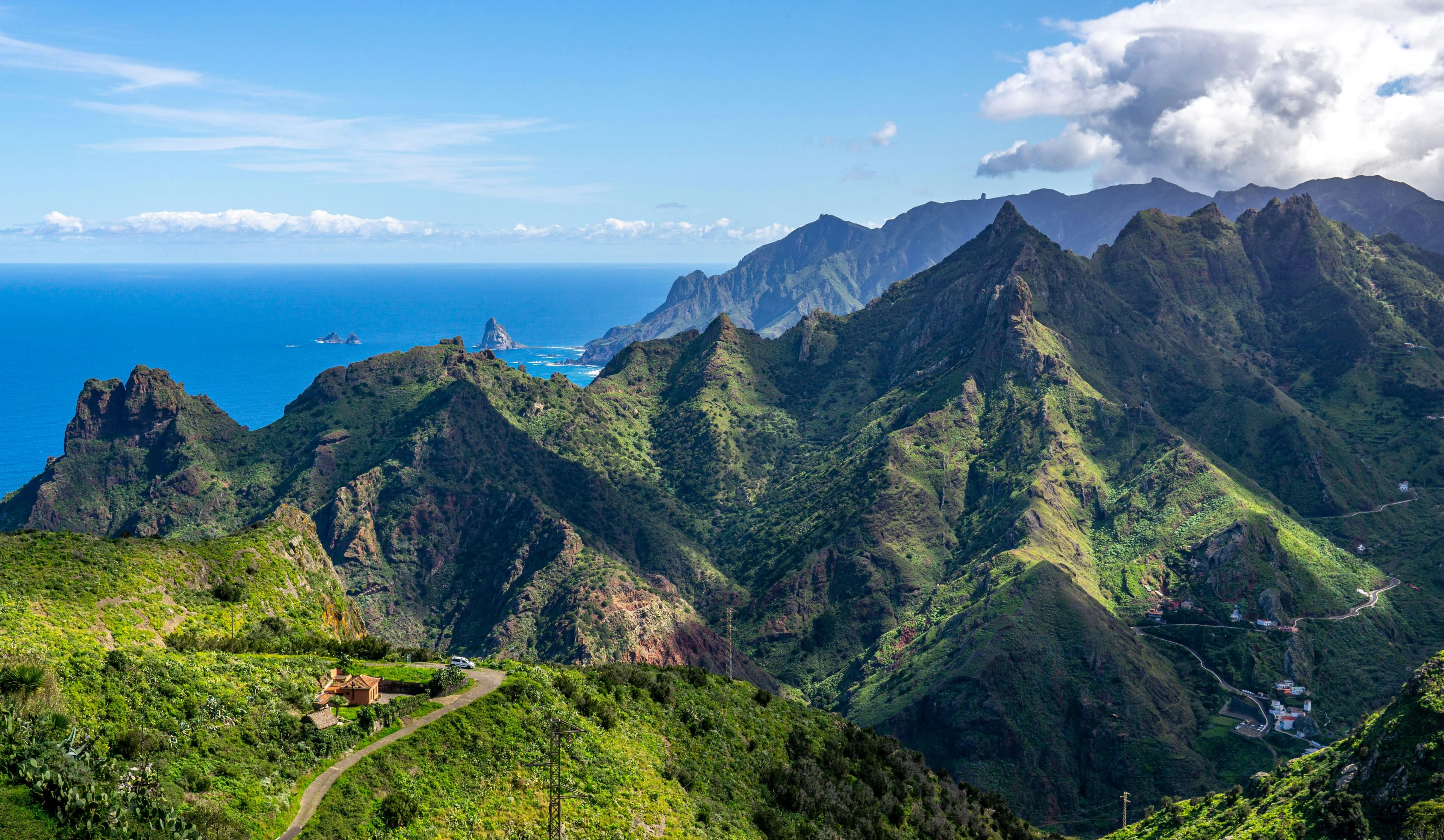
The northern part of the island, including the areas around La Orotava and the Orotava Valley, operates at a different register entirely. Colonial architecture, laurel forests, and a cooler, more Atlantic microclimate define the experience. Luxury accommodation here tends toward boutique properties housed in historic buildings, where the suite proposition is less about pool views and more about architectural integrity and cultural context. This is the part of the island that rewards slower, more deliberate travel.
The interior: Teide and altitude
The national park surrounding Mount Teide is one of the most visited natural sites in the world. While overnight accommodation within the park is limited and controlled, the interior altitude zones offer proximity to one of the most visually arresting landscapes in the Atlantic. A suite with clear sightlines toward the volcanic summit, available from certain elevated positions on the island, represents a genuinely rare accommodation proposition.
When to visit Tenerife for a luxury hotel suite stay
Tenerife's climate makes it a functional year-round destination, which is one of its defining advantages over mainland European luxury markets. That said, certain periods carry distinct advantages for the suite traveller.
The winter months, from November through February, represent peak demand from northern European visitors seeking warmth during the continental cold season. Suite availability at the island's leading properties compresses during this period, and advance planning is essential. Rates are at their highest, and the island's luxury hospitality operates at full capacity.
Spring, particularly March through May, offers a more balanced proposition: temperatures are warm but not excessive, the natural landscape is at its most colourful following the season's rains, and suite availability is more negotiable. The Carnival of Santa Cruz de Tenerife, held in February and considered one of the largest in the world after Rio de Janeiro, draws significant visitor volume to the capital, which can create compression in the broader accommodation market.
Summer, from June through September, brings higher temperatures to the south of the island and a pronounced influx of domestic Spanish tourism. For travellers seeking privacy and space, this is generally the least preferred period. The north and interior remain cooler and relatively quieter.
October and early November represent what many experienced Tenerife travellers consider the optimal window: post-summer crowds, pre-winter surge, moderate temperatures, and the best conditions for exploring the island beyond the resort zones.
Understanding luxury hotel standards in Tenerife
Spain operates a national hotel classification system, with five-star status representing the highest official tier. Within that designation, a significant range exists. On Tenerife, the leading luxury properties typically position themselves as Gran Lujo (Grand Luxury) operations, which is an informal but widely understood market signal above standard five-star classification.
Suite categories on the island's top properties typically begin with junior suites offering separate sleeping and living zones, progressing to signature suites with private pools or plunge pools, and culminating in penthouse or presidential configurations with expansive terrace access and dedicated butler service. Given the island's topography, orientation is a meaningful variable: suites with Atlantic-facing terraces command different views and light conditions than those positioned toward the interior or the volcanic landscape.
Spa infrastructure is a defining feature of Tenerife's leading luxury hotels, with several properties operating facilities that rival the most serious European wellness destinations. Thalassotherapy, using filtered Atlantic seawater, is a local specialty of particular clinical relevance at several south-coast resorts.
How to choose the best suite in Tenerife
The choice between Tenerife's luxury suite categories is ultimately a question of what the trip is designed to deliver. Several practical considerations apply specifically to this island.
Microclimate is material. The north and south of the island can experience genuinely different weather on the same day, separated by the Anaga massif and the central peak. A suite in the south is a more reliable bet for uninterrupted sun; a suite in the north trades that certainty for cultural richness and landscape variety.
Architecture matters. Tenerife's luxury market spans modern resort-scale construction, mid-century properties that have been progressively upgraded, and smaller historic conversions. Each carries a different spatial logic and a different relationship to the landscape. Travellers who prioritise interior design and architectural coherence should focus on the boutique segment, particularly in the northern and rural zones.
Private outdoor space is a primary criterion. Given the climate, a suite without a private terrace or plunge pool represents a diminished value proposition on this island. The most sought-after configurations combine indoor-outdoor continuity with direct ocean or landscape views, eliminating the need to share common pool or terrace areas.
Transfer logistics are relevant. Tenerife operates two airports: Tenerife North (TFN) and Tenerife South (TFS). The southern airport is the primary international gateway and serves the resort belt directly. Properties in the north require a longer transfer, typically 45 to 60 minutes from the southern airport. Confirming airport alignment with accommodation location is a simple but frequently overlooked practical step.
Why a curated selection matters in Tenerife
Tenerife's hotel market is substantial. The island hosts hundreds of classified hotels, and within the luxury and upper-upscale categories, the range of what is marketed as a suite varies considerably. The term is applied, across the island, to configurations as modest as a single room with a sofa partition and as substantial as a three-bedroom villa with a private pool and kitchen.
The curated selection by La Suite applies a consistent editorial framework to this market: suite floor plans must be genuinely distinct from standard room categories, outdoor space must be private and purposeful, and the property's service architecture must match the physical proposition. This filtering process removes the ambiguity that characterises self-reported hotel classifications and presents only the properties where the suite experience is architecturally and operationally coherent. For a traveller arriving in Tenerife with a specific expectation of space, privacy, and quality, this curation is the most direct path to the right decision.