Understanding Zurich as a luxury suite destination
The luxury hotel market in Zurich is compact but serious. The concentration of five-star and leading independent properties along the lakefront and in the Altstadt creates a geography of quality that rewards careful selection. For the traveler arriving for a board meeting, a private banking appointment, or simply a considered break in one of Europe's most ordered cities, the right suite changes the entire tempo of the stay.
Best areas to stay in Zurich for a luxury suite experience
The lakefront and Seefeld quarter
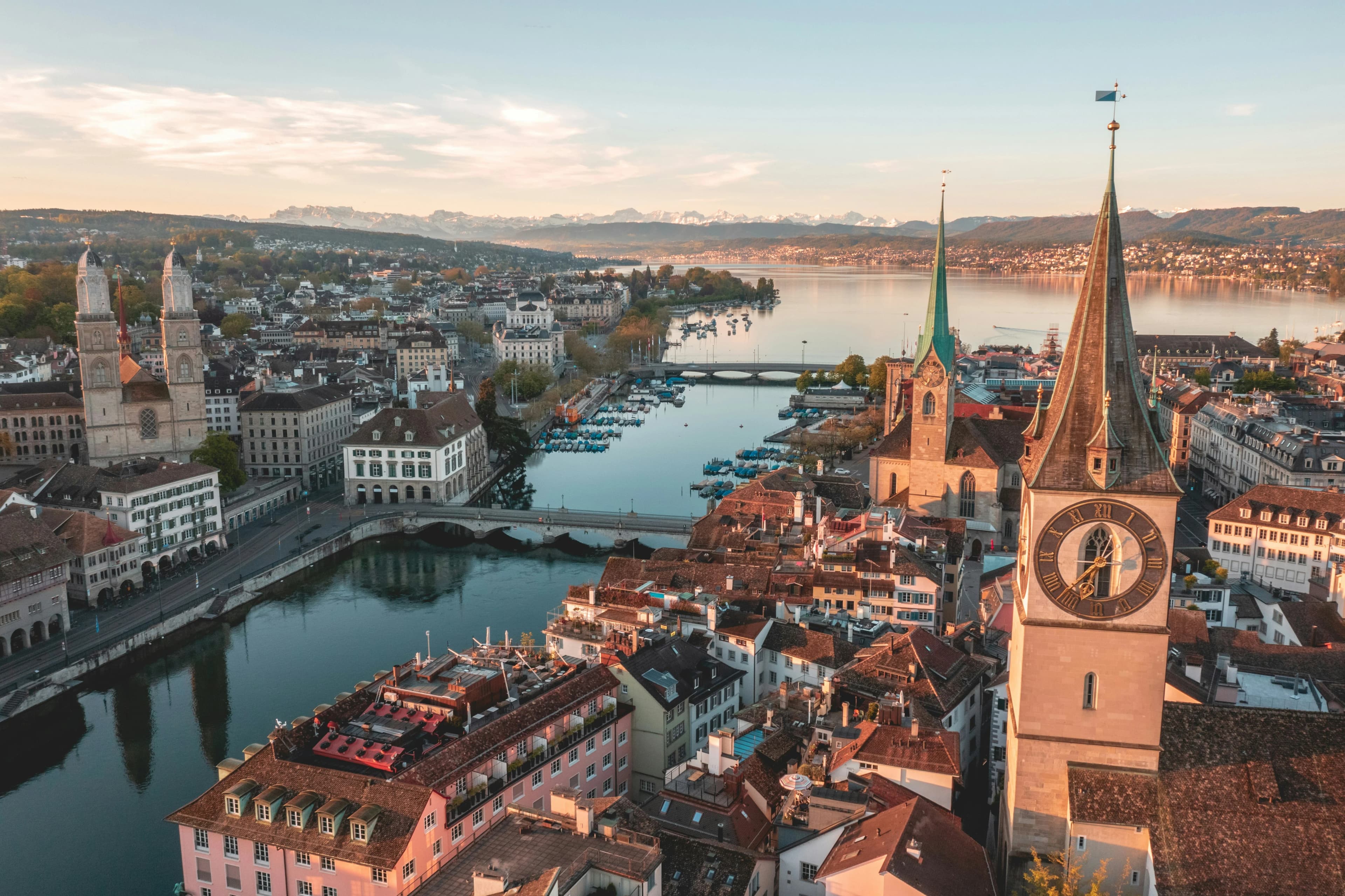
The western shore of Lake Zurich, where the Quaibrücke connects the two banks, is the address of choice for travelers who want proximity to water, light, and the city's most refined retail and dining. Properties here face directly onto the lake or sit within walking distance of it. The Seefeld quarter, on the eastern bank, offers a quieter residential register: design studios, serious wine bars, and a pace that suits travelers who want Zurich without the transactional energy of the financial district.
The Altstadt and Lindenhügel
The medieval core of Zurich, built across two hills on either side of the Limmat river, offers a different spatial logic. Streets are narrow, facades are sober, and the presence of history is understated rather than theatrical. Suites in historic Altstadt properties carry a particular weight: ceiling heights, stone details, and the acoustic quality of old construction create a sensory environment that modern builds cannot replicate. The Lindenhügel, the western hill, is home to guild houses and civic buildings that set the architectural tone for the whole quarter.
The Langstrasse and District 4
For the design-literate traveler, Zurich's cultural energy has shifted significantly toward the formerly industrial districts west of the main station. District 4 and the Langstrasse corridor now host independent galleries, the city's most interesting restaurant openings, and a hospitality culture that operates outside the conventions of traditional Swiss luxury. Boutique properties in this area appeal to guests who want Zurich's quality standards applied with less institutional formality.
When to visit Zurich for the best suite experience
Zurich operates year-round as a business and cultural destination, which means suite availability is generally tighter during the week and more accessible on weekends. The city's major fair season, anchored by Art Zurich in autumn and the various financial and technology conferences that run from September through November, compresses availability and elevates rates across the top tier of properties. Booking six to eight weeks in advance for peak conference periods is a practical minimum.
The summer months, from June through August, bring the lake fully into use. Bathing establishments along the Limmat and the lake open, outdoor dining becomes the dominant mode, and the city's physical beauty is at its most accessible. Winter in Zurich is considered and atmospheric: Christmas markets in the Altstadt, the low light off the lake, and a concentrated cultural calendar across opera, theatre, and music make December and January worth serious consideration. The Zurich Film Festival in late September draws a culturally engaged international audience and typically coincides with elevated suite occupancy across the city.
Local luxury standards: what defines a top-tier suite in Zurich
Switzerland does not operate a formal Palace hotel designation in the same way France does, but the Swiss hospitality tradition carries its own implicit standard. Properties affiliated with The Leading Hotels of the World or Relais and Chateaux in Zurich signal a level of service culture that is specific to the Swiss context: attentiveness without intrusion, technical precision in every operational detail, and a material standard that prioritises authenticity over spectacle.
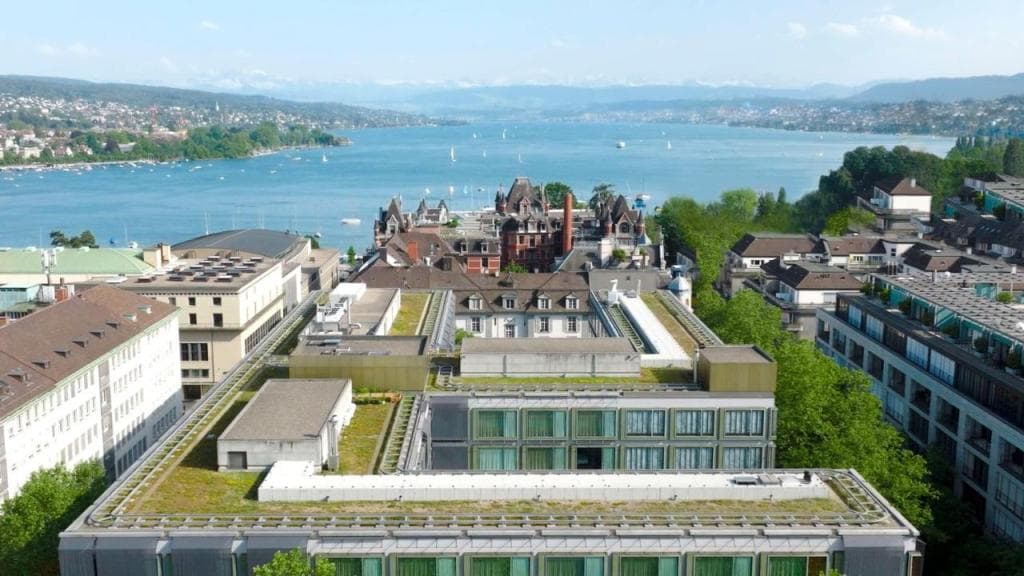
The best suites in Zurich are typically defined by their relationship to natural light and to the city's geography. A lake-facing suite at a first-rank property offers something that cannot be replicated in a courtyard-facing room: the specific quality of light off water, the spatial depth of the view, and the acoustic distance from the street. Suites in historic Altstadt buildings offer a different register, where the quality is concentrated in architectural detail rather than panoramic orientation. Both are valid; the choice depends on what the traveler is actually seeking from the stay.
Swiss hospitality at this level also tends toward discretion in its staffing model. Personal butlers in Zurich's top suites operate without theatrics, anticipating requirements rather than asking for instructions. This is a cultural characteristic of the city's service culture and one that appeals directly to the guest who values privacy above demonstration.
How to choose the right luxury suite in Zurich
The first consideration is purpose. Zurich receives a high proportion of guests traveling for professional reasons, and the best suites in the city are configured accordingly: separate workspaces, high-grade connectivity, and a soundproofing standard that reflects the seriousness of the buildings and their operators. A traveler arriving for a board presentation has different spatial requirements than one arriving for the opera season or a private banking visit.
The second consideration is view orientation. Zurich's geography means that a lake view, a Limmat view, and an Altstadt rooftop view each offer a fundamentally different sensory experience of the city. This is not a minor distinction. The quality of light, the sense of space, and the psychological register of the room change entirely depending on what the suite faces.
The third consideration is scale. Zurich's luxury hotel market includes large institutional properties and smaller, more architecturally precise independent hotels. The former offer depth of service infrastructure, multiple dining options, and the full range of amenity. The latter offer a more specific spatial experience and typically a closer relationship between the property's design identity and the suite itself. Neither is superior; both require knowing what you are actually selecting.
Why curated selection matters in Zurich
Zurich's hotel market is small enough to appear navigable but dense enough in quality distinctions to reward expertise. The difference between a suite that is technically five-star and one that genuinely reflects the city's standards of material quality, spatial logic, and service culture is not always visible from a standard booking interface. La Suite curates specifically for travelers who understand that distinction and who do not wish to spend their time resolving it themselves.
The La Suite selection for Zurich applies the same editorial criteria that govern every destination on the platform: architectural integrity, verifiable service standards, and a spatial experience that justifies the suite designation. In a city where understatement is the dominant aesthetic register, that curation is not a convenience. It is the point.