7132 Hotel, Vals
Elegant Accommodations 7132 Hotel in Vals offers a 5-star experience with family rooms, balconies, and garden or mountain views. Each room features a private bathroom, bathrobes, and free WiFi. Except

The Swiss Alps divide naturally into distinct zones, each carrying its own character and appeal for the high-end traveler. Understanding these differences is essential before committing to a property.
101 hotels available

Elegant Accommodations 7132 Hotel in Vals offers a 5-star experience with family rooms, balconies, and garden or mountain views. Each room features a private bathroom, bathrobes, and free WiFi. Except

Elegant Accommodations Aïda Hôtel & Spa in Crans-Montana offers a 5-star experience with adults-only access. Guests enjoy private check-in and check-out, a fitness center, sauna, and a sun terrace. We

The Boutique Hotel Albana Real is centrally located in the village of Zermatt and features luxury rooms with full amenities. There are 3 in house restaurants where one can experience an authentic even

Located close to the ski elevators in Zermatt, Alpen Resort & Spa features a restaurant, and spacious rooms with cable TV. WiFi in the entire building and transport from Zermatt Train Station from 07:

Elegant Accommodations ARIA Retreat & SPA in Porlezza offers a 5-star experience with spa facilities, a wellness center, swimming pool with a view, sauna, fitness center, sun terrace, garden, open

Offering an outdoor pool and sun terrace, Art Hotel Riposo is set in Ascona in the Canton of Ticino Region. Guests can enjoy the on-site restaurant. Every room includes a TV. A balcony or patio are f

Dating from 1896, this luxurious 5-star hotel in the center of Sankt Moritz offers panoramic views over the Engadine Alps and Lake Sankt Moritz. It features 6 restaurants, an indoor pool, and a free s

Enjoying an elevated, quiet but central position in Zermatt, 656 feet from the Sunnegga Cable Car, BEAUSiTE Zermatt offers beautiful panoramic mountain views, as well as an indoor pool, spa facilities

Owned by 5 generations of women since 1880, Belvedere Bellagio offers panoramic views of Lake Como. The private garden has an outdoor swimming pool. Parking is free. The Belvedere also has a new spa

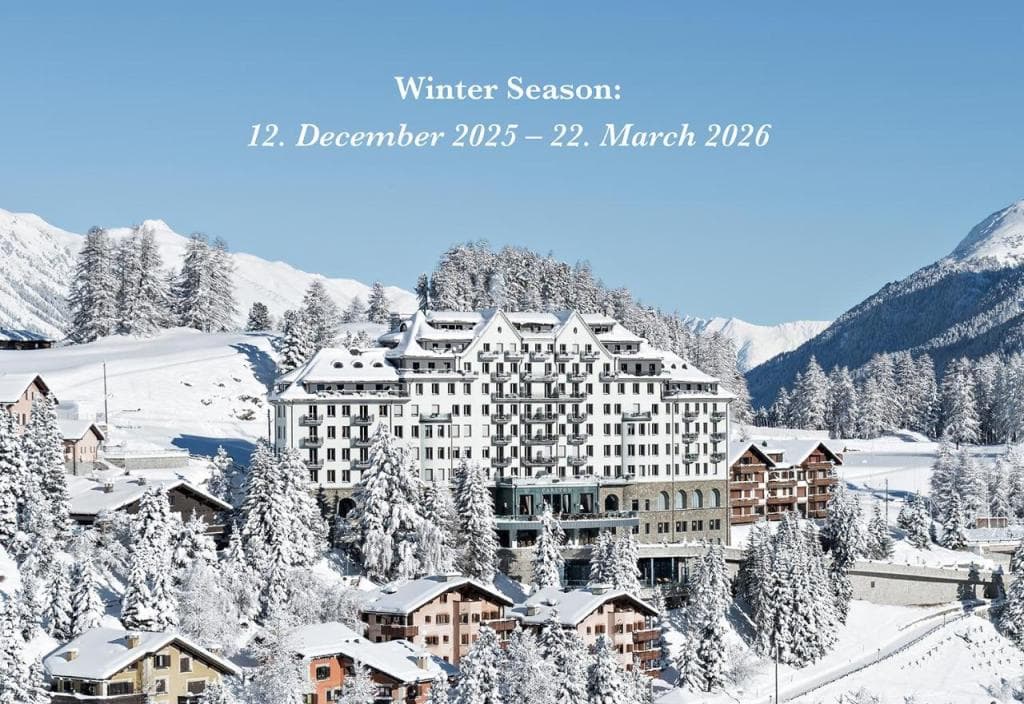
Overlooking Lake St. Moritz and the Engadine mountain valley, the elegant Carlton Hotel built in 1913 enjoys a prime location and is the smallest and most individual hotel of the village. It houses t

Overlooking Lake Como, Casa Du Lac, by R Collection Hotels offers accommodations with free WiFi in Varenna. Guests can enjoy meals at the on-site restaurant and a drink at the bar. All rooms come wit

Offering a 300-yard long private lakeshore at Lake Locarno, the luxurious Castello del Sole features a spacious wellness center with a gym, tennis courts and a golf course. It is surrounded by a 14-h

Elegant Accommodations Cervino - VRetreats, an SLH hotel in Breuil-Cervinia, offers a 5-star experience with spa facilities, a fitness center, sun terrace, and a beautiful garden. Guests enjoy free Wi

From the valley station of Zermatt's Sunnegga Cable Car, a elevator takes you directly to the reception of the CERVO Mountain Resort, located right next to the ski slopes and hiking trails. Zermatt Tr

Offering a spa area and a swimming pool overlooking the mountains, Chalet d'Adrien is located in Verbier, just 98 feet from Savoleyres Ski Elevator. All elegant Alpine-style rooms feature mountain vie

The 5-star Chalet RoyAlp Hôtel & Spa offers direct access to the ski slopes in winter and to the Villars Golf Club in summer. You can ski right to and from the front door. An indoor swimming pool with

Presenting a spa and wellness center, an a la carte restaurant and a bistro, Chesa Stuva Colani is located 7.5 mi from St. Moritz and offers luxury accommodations with free WiFi. The rooms and suites

The stylish Crans Ambassador features a spa area with indoor pool and panoramic views, a terrace with fireplace and a restaurant, located in Crans-Montana. The luxurious rooms are fitted with a terrac

Since 1906, Cresta Palace Celerina has combined the charm of a historic grand hotel with modern comfort and warm Engadine hospitality. Surrounded by the impressive Alpine landscape, guests can enjoy s

The Ermitage Wellness & SPA Hotel in Schönried - Gstaad is located on a sunny terrace above Gstaad in the middle of a park. It offers panoramic views of the Saanenland and the surrounding mountains. I

Gstaad embodies the discreet aristocracy of the Bernese Alps, while Zermatt responds with mineral modernity at the foot of the Matterhorn. These two mythical destinations offer radically opposed skiing experiences, each carried by signature hotels that embody the essence of their territory.
BY Jules Peulet
Centered on the Jungfrau massif, this region is defined by vertical drama and rail engineering. The villages of Grindelwald, Wengen, and Mürren are car-free or difficult to access by road, which enforces a particular kind of quiet that is rare even by alpine standards. Suites here tend to prioritise panoramic exposure, with interiors that respond to the scale of the Eiger, Mönch, and Jungfrau ridge. The atmosphere is unhurried and deeply Swiss in its restraint.
Graubünden is the largest canton in Switzerland and the most architecturally varied. The Upper Engadine, at roughly 1,800 metres, produces a crystalline light that painters and architects have documented since the 19th century. St. Moritz established the template for alpine luxury tourism in this region, and the hotel infrastructure reflects more than a century of investment in discretion and service. The valley also contains quieter pockets where the design language is more contemporary and the clientele more private.
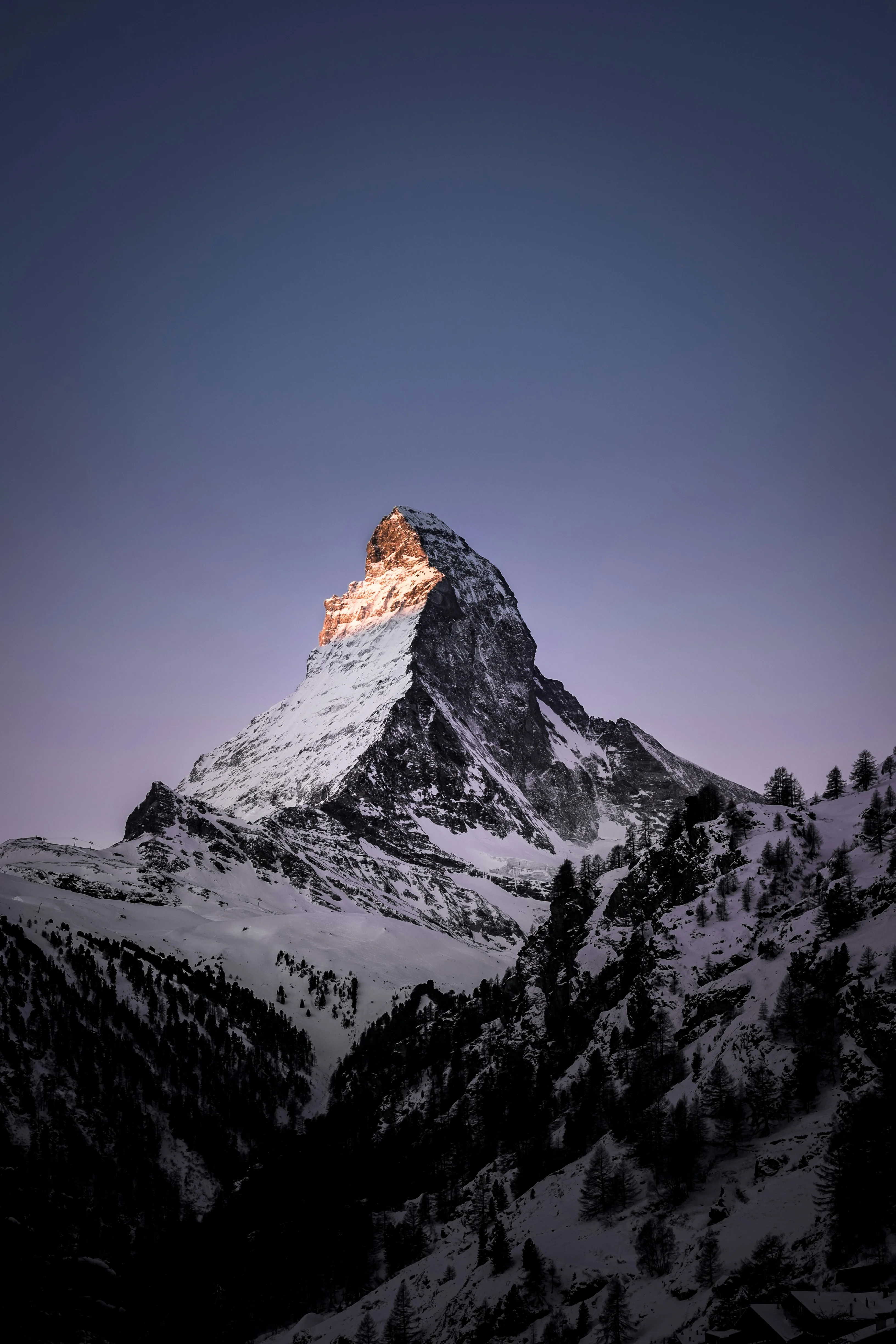
Valais runs from the Rhône valley floor to the base of the Matterhorn. Zermatt itself is another car-free resort, and the Matterhorn provides one of the most recognisable silhouettes in mountain architecture. Suites positioned with direct sightlines to the peak command a premium that is straightforwardly justified by the view. The broader Valais canton also encompasses Saas-Fee and a network of smaller villages with a more local character and less international density.
The Vaud Alps offer a different proposition: proximity to Lake Geneva, the French-speaking cultural sphere, and the gastronomic density of the arc between Montreux and Lausanne. Properties here often combine lake and mountain exposure within the same suite, and the access to Geneva airport makes this zone logistically straightforward for transatlantic arrivals.
The Swiss Alps operate on two distinct high seasons, and each carries different implications for availability, pricing, and experience.
Winter, from late December through March, represents the primary season for ski-oriented travel. Suite availability at leading properties in Zermatt, St. Moritz, and Verbier compresses sharply around the Christmas and New Year period, and around the World Economic Forum in Davos in January. Advance planning of four to six months is standard practice for premium inventory during this window.
Summer, from late June through early September, has grown significantly as a luxury season. Hiking, cycling, and wellness-focused travel now generate demand that approaches winter levels in several resorts. The light quality in July and August, at altitude, is exceptional: long evenings, low humidity, and consistent clarity. Shoulder months, particularly May and October, offer competitive rates and near-empty landscapes, though some mountain transport infrastructure operates on reduced schedules.
Spring and autumn transitions can be atmospheric in their own right, with the possibility of late snow in April and early colour change in September, but these periods require flexibility.
Switzerland does not use the French Palace designation, but it maintains its own rigorous hotel classification system administered by hotelleriesuisse. The five-star superior category represents the highest formal recognition within this framework, and several Swiss alpine properties have held this status for decades.
What distinguishes the best luxury hotel suites in the Swiss Alps is the integration of craft and precision at a material level. Swiss interior standards consistently prioritise quality of sleep, acoustics, and thermal comfort above visual spectacle alone. Expect bespoke joinery, locally sourced stone and timber, and bathroom specifications that reflect the country's engineering culture. Wellness infrastructure, including private spa access, altitude-adjusted fitness facilities, and in-suite treatment options, is common at the leading tier.
Several historic grand hotels in the region date from the Belle Époque period of the late 19th century. These properties carry a particular architectural authority that newer builds cannot replicate. The combination of heritage scale and contemporary suite fitout is a format that the Swiss alps does exceptionally well.
Several practical criteria should structure the selection process before price becomes the primary variable.
Altitude and orientation matter significantly. A suite at 1,600 metres will have a different light quality, temperature range, and noise profile than one at 1,000 metres or 2,000 metres. South-facing suites maximise solar exposure in winter; north-facing suites in summer can offer cooler sleeping conditions. Peak-facing orientations carry a clear premium and should be verified directly, not assumed from marketing imagery.
Access logistics deserve attention. Car-free resorts require a transition from road or rail to either a cog railway, cable car, or electric taxi. For families with significant luggage or guests with mobility considerations, this transfer adds a logistical layer that is worth planning precisely. Most properties at this level manage the transfer seamlessly, but the timing of arrival matters.
The distinction between ski-in/ski-out access and proximity to ski infrastructure is meaningful in winter. True ski-in/ski-out suites in the Alps are a limited category; properties advertising close proximity are not equivalent.
For summer travel, the suite's relationship to walking and hiking trail access, and the property's wellness facilities, should be weighted more heavily than ski infrastructure.
The Swiss Alps contain a high density of five-star properties relative to the population they serve. This concentration creates a selection challenge: the formal star rating alone does not differentiate between a property that has maintained genuine suite quality and one that relies on historical reputation. The categories blur, and the marketing language across properties is often indistinguishable.
La Suite applies a consistent editorial filter across the full landscape of alpine luxury hotel inventory. The curation process evaluates suite-specific criteria: spatial proportion, view exposure, service architecture, and material quality at the suite level rather than the property average. A hotel with a strong lobby and average suites does not meet the threshold.
For the Swiss Alps specifically, where the premium on iconic locations can sometimes substitute for genuine suite quality, this distinction is particularly relevant. The curated selection by La Suite provides a navigable entry point into one of the world's most concentrated luxury hotel markets, without requiring the traveler to parse hundreds of listings independently.

Winter from late December to March and summer from late June to early September are the two primary seasons. Peak winter inventory, particularly around Christmas and New Year, should be reserved four to six months in advance. Summer offers comparable quality with slightly more availability and a different landscape character.
Several of the most prestigious resorts in the Swiss Alps, including Zermatt and Wengen, prohibit private combustion vehicles. Access is by rail, cable car, or electric vehicle. At the luxury suite level, properties manage arrival logistics directly, but guests should confirm transfer arrangements before arrival, particularly for early morning or late evening check-ins.
A genuine luxury suite in this region offers materially superior spatial proportions, often a separate living area, and a bathroom specification that reflects Swiss craft standards. The view orientation, acoustic insulation, and in-suite wellness access also differentiate suite inventory from standard five-star room categories.
The Engadine Valley in Graubünden, the Bernese Oberland, and the Vaud Alps near Lake Geneva are all strong summer options. Each offers a distinct combination of hiking access, light quality, and cultural context. The Engadine is particularly noted for its summer light, which has attracted artists and architects for over a century.
Swiss properties typically operate at a higher baseline of precision in service and material specification. The infrastructure investment in Swiss resorts, including rail access, trail maintenance, and building standards, is consistent across the country. French and Italian alpine properties can match or exceed Swiss hotels in cuisine and aesthetic identity, but the Swiss standard for operational reliability is distinct.
Switzerland does not use the Palace designation. The highest formal category within the hotelleriesuisse classification system is five-star superior. Several Swiss alpine hotels have held this designation for decades and operate at a level of service and material quality that is broadly comparable to Palace-designated properties in France.
Both categories exist and are genuinely strong. Graubünden and Valais contain properties with a contemporary architectural approach, including suites designed by internationally recognised architects. The Bernese Oberland and certain parts of the Engadine lean toward a more traditional wood and stone material language. The choice between these styles is a matter of preference rather than a quality differential.
Leading properties at this level offer private spa access with thermal pool, steam, and treatment facilities. Altitude-specific considerations, including oxygen availability at higher elevations and adjusted fitness programming, are addressed by the better operators. In-suite treatment options and dedicated wellness consultants are common at the upper tier of the market.
For peak winter dates, including late December, New Year, and the Davos period in January, four to six months of lead time is standard for suite-level inventory. Summer booking windows are generally shorter but compressing as summer demand increases. For shoulder season travel in May, October, or early June, two to three months is typically sufficient.
Historic grand hotels in the Swiss Alps carry architectural authority and a depth of service culture that newer properties cannot replicate. Contemporary properties often offer more flexible spatial configurations and a more current design sensibility. The decision depends on whether the traveler values heritage atmosphere and institutional knowledge or a more controlled, modern aesthetic environment.